Hyaluronic Acid FAQ: Your Skin Hydration & Anti-Aging Questions Answered

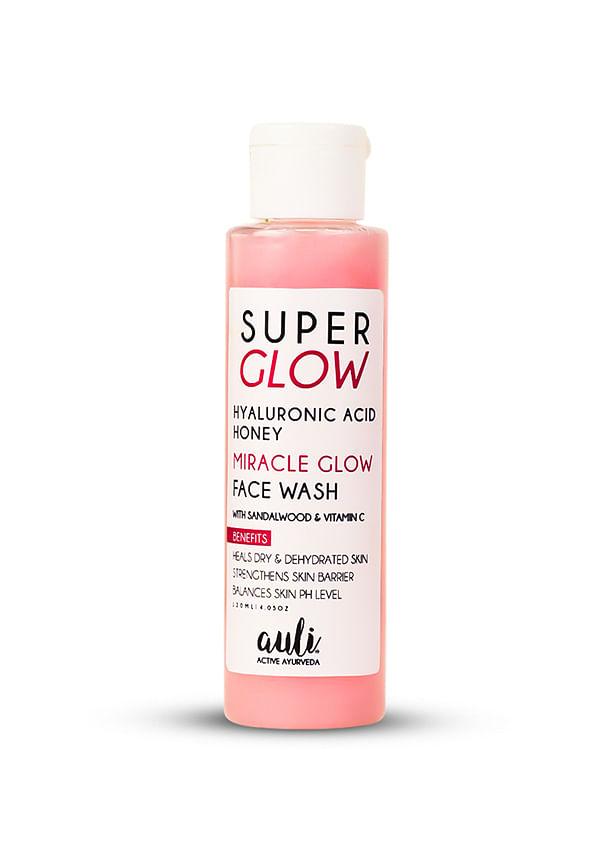
Hyaluronic Acid Nourishing Facewash - SUPER GLOW
Ever wondered why your skin feels parched despite slathering on moisturiser? Or why some serums seem to plump your skin instantly whilst others leave you looking exactly the same? The answer might lie in understanding hyaluronic acid - that moisture-magnet ingredient everyone's talking about. Whether you're dealing with dehydration lines, post-AC dryness, or simply want that bouncy, hydrated glow, hyaluronic acid could be the game-changer your routine needs. But with so much information floating around, it's time to get the facts straight.
Hyaluronic acid isn't actually an acid that exfoliates - it's a naturally occurring molecule that your body produces from birth. Think of it as your skin's built-in moisture reservoir. This incredible substance can hold up to 1,000 times its weight in water, making it nature's ultimate hydration hero.
Here's where it gets interesting: hyaluronic acid works like a moisture magnet, pulling water from the air and deeper layers of your skin to the surface. It exists in different molecular weights - high molecular weight HA sits on the skin's surface for immediate plumping, whilst low molecular weight HA penetrates deeper for long-lasting hydration. Your skin naturally contains about half of your body's total hyaluronic acid, but production starts declining in your twenties. Real talk - this is why your skin might not bounce back like it used to.
The hyaluronic acid in your skincare products is typically lab-created through bacterial fermentation, making it identical to what your body produces naturally. This synthetic version is actually purer and more stable than animal-derived alternatives, so your skin gets consistent results every time.
The benefits hyaluronic acid brings to your skin go far beyond basic hydration. Clinical studies have shown remarkable improvements across multiple skin concerns, making it a worthy addition to virtually any routine.
Deep skin hydration is the most immediate benefit you'll notice. Within minutes of application, your skin feels plumper and looks more radiant. But the magic doesn't stop there - consistent use helps strengthen your skin barrier, making it more resilient against environmental stressors like pollution and harsh weather.
Hyaluronic acid anti-aging effects work through multiple mechanisms. By maintaining optimal hydration levels, it helps minimise the appearance of fine lines and prevents new ones from forming. Well-hydrated skin appears fuller and smoother, creating that coveted youthful bounce.
Your skin barrier is like a protective shield, and hyaluronic acid helps fortify it. A stronger barrier means better moisture retention, reduced sensitivity, and improved overall skin health. This is particularly beneficial if you're dealing with irritation from other active ingredients like retinoids or AHAs.
Research shows that hyaluronic acid can speed up wound healing and reduce inflammation. This makes it excellent for post-breakout recovery or helping your skin bounce back from professional treatments like chemical peels.
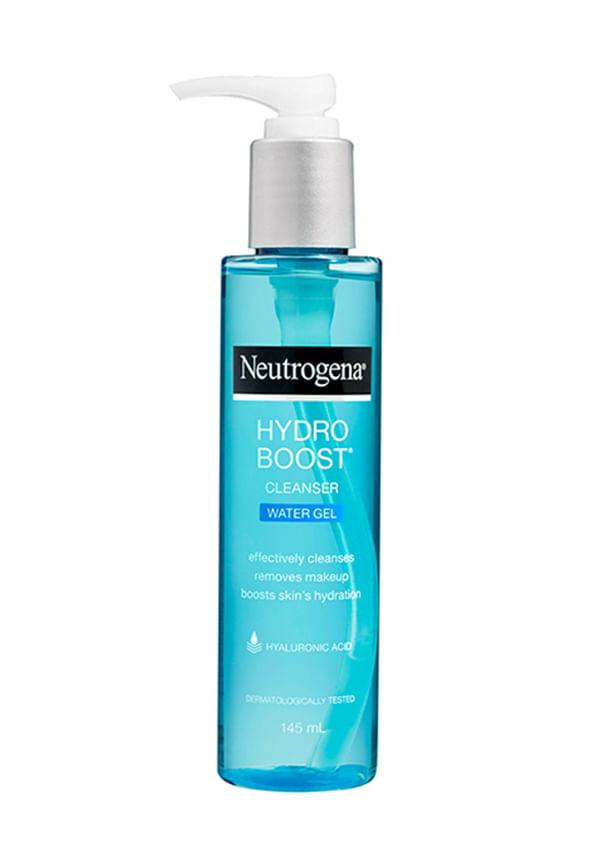
Hydro Boost Cleanser Water Gel With Hyaluronic Acid
Understanding how hyaluronic acid serum benefits compare to other popular ingredients helps you build a more effective routine. Unlike some actives that can be tricky to layer, hyaluronic acid plays well with almost everything.
When comparing hyaluronic acid to vitamin C, think hydration versus brightening. Vitamin C tackles pigmentation and provides antioxidant protection, whilst HA focuses purely on moisture. The brilliant news? They work beautifully together - vitamin C in the morning for protection, followed by hyaluronic acid for hydration.
Hyaluronic acid is actually retinol's best friend. Retinoids can be drying, especially when you're starting out, and HA helps counteract this effect. Apply your retinol first, then layer hyaluronic acid on top to seal in moisture and reduce potential irritation.
Both niacinamide and hyaluronic acid are gentle, hydrating ingredients that complement each other perfectly. Niacinamide helps regulate oil production and minimise pores, whilst HA provides the moisture boost your skin craves.
Getting the most from your hyaluronic acid routine isn't just about the product you choose - it's about how you use it. The key lies in application technique and timing.
Always apply hyaluronic acid to slightly damp skin. This gives it moisture to grab onto and prevents it from potentially drawing water from deeper skin layers. Pat a few drops of serum onto clean, damp skin, then immediately follow with a moisturiser to lock everything in.
In your routine hierarchy, hyaluronic acid comes after cleansing and any treatment serums (like vitamin C or retinol), but before moisturiser and SPF. Think of it as the bridge between treatment and protection.
Hyaluronic acid is gentle enough for twice-daily use. Many people find it particularly beneficial in their morning routine, as it creates a smooth base for makeup and provides all-day hydration. Evening application helps repair and restore moisture levels overnight.
Look for serums that combine different molecular weights of hyaluronic acid for comprehensive hydration. Brands like The Ordinary, Minimalist, and Plum offer excellent options that deliver both immediate and long-term benefits.
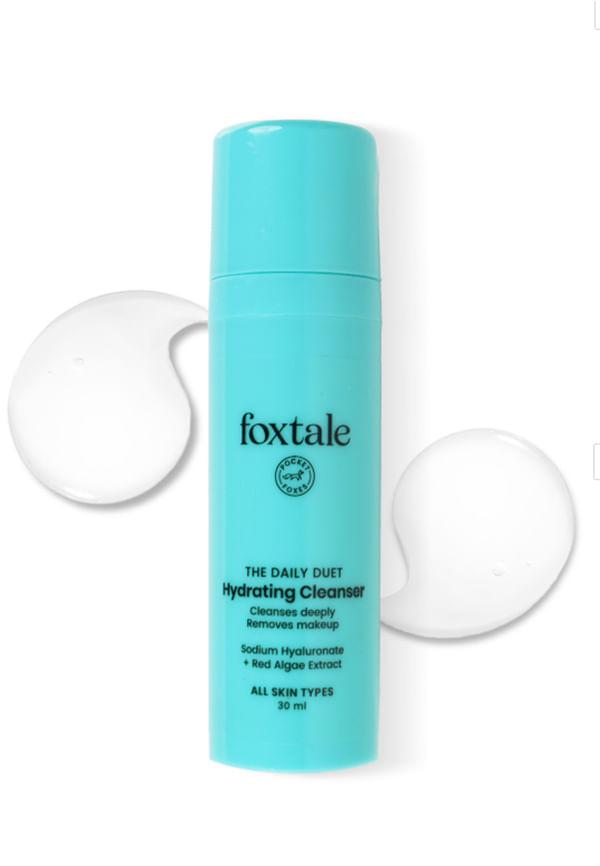
Hydrating Face Wash with Hyaluronic Acid
The hyaluronic acid wrinkles connection is fascinating from a scientific perspective. As we age, our natural HA production decreases significantly - by age 40, we've lost about half of our original levels. This decline contributes to the formation of fine lines and loss of skin elasticity.
Topical hyaluronic acid helps counteract this process by providing immediate plumping effects and supporting long-term skin health. Clinical studies show that regular use can improve skin hydration by up to 96% and reduce the appearance of fine lines within 8 weeks.
Whilst hyaluronic acid doesn't directly stimulate collagen production like retinol or vitamin C, it creates optimal conditions for your skin's natural repair processes. Well-hydrated skin maintains its structural integrity better and shows fewer signs of premature ageing.
In your twenties, hyaluronic acid helps maintain your skin's natural moisture levels and prevents early signs of dehydration. Your thirties benefit from its barrier-strengthening properties, whilst those in their forties and beyond see significant improvements in skin plumpness and fine line reduction.
Hyaluronic acid side effects are remarkably rare, making it one of the safest ingredients in skincare. Its biocompatibility means it's suitable for all skin types, including sensitive and reactive skin.
The most common issue isn't actually a side effect - it's incorrect application. Using hyaluronic acid on completely dry skin in low-humidity environments can potentially draw moisture from deeper skin layers, leading to temporary tightness. This is easily avoided by applying to damp skin and following with moisturiser.
Hyaluronic acid is considered safe during pregnancy and breastfeeding, as it's a naturally occurring substance that doesn't penetrate deeply enough to affect systemic circulation. However, always consult your healthcare provider about any new skincare additions during this time.
Choose products from reputable brands that use pharmaceutical-grade hyaluronic acid. Poor-quality formulations might contain impurities or unstable forms that could cause irritation.
Yes, hyaluronic acid is safe for daily use on all skin types. Its gentle nature means you can apply it twice daily without risk of irritation or over-exfoliation. Many dermatologists actually recommend daily use for optimal hydration benefits.
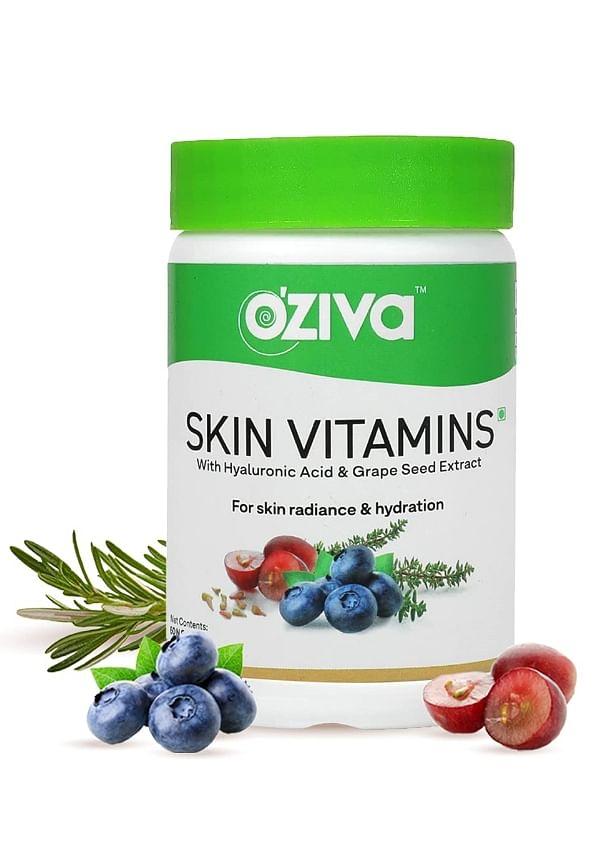
Skin Vitamins With Hyaluronic Acid Radiance & Hydration
Hyaluronic acid is naturally present in our bodies from birth, but the ingredient in skincare products is typically lab-created through bacterial fermentation. This synthetic version is identical to natural HA and often purer than animal-derived alternatives.
You'll notice immediate hydration and plumping effects within minutes of applying hyaluronic acid. For long-term benefits like improved skin texture and reduced fine lines, expect to see noticeable changes within 4-6 weeks of consistent use.
Hyaluronic acid pairs beautifully with most ingredients, including retinoids, vitamin C, niacinamide, and AHAs. It actually helps buffer potential irritation from stronger actives whilst providing essential hydration.
High molecular weight hyaluronic acid sits on the skin's surface, providing immediate plumping and moisture. Low molecular weight HA penetrates deeper into the skin for longer-lasting hydration. The best serums combine both for comprehensive benefits.
Always apply hyaluronic acid to slightly damp skin. This provides moisture for the HA to bind to and prevents it from potentially drawing water from deeper skin layers. Follow immediately with moisturiser to seal everything in.
Hyaluronic acid itself is non-comedogenic and won't cause breakouts. However, some formulations might contain other ingredients that could trigger acne in sensitive individuals. Always patch test new products and check the full ingredient list.
The benefits hyaluronic acid brings to your skincare routine are both immediate and long-lasting. From instant hydration and plumping to long-term anti-ageing support, it's one of the few ingredients that truly delivers on its promises across all skin types and ages.
What makes hyaluronic acid particularly brilliant is its versatility - whether you're dealing with dehydration, fine lines, or simply want that healthy, bouncy glow, it adapts to your skin's needs. The key lies in choosing quality formulations and applying them correctly to damp skin.
For those exploring the world of hyaluronic acid serums, Smytten's curated selection includes trusted brands like The Ordinary, Minimalist, and Plum, all known for their effective HA formulations. The platform's 28 million users have discovered countless skincare gems, with 100% cashback making it easier to find your perfect match. If you're curious about trying different HA formulations but not ready to commit to full sizes, Smytten also offers minis from many of these brands - a smart way to test before you invest in your ideal hydration hero.
