Hyaluronic Acid FAQ: What It Does for Your Skin Explained

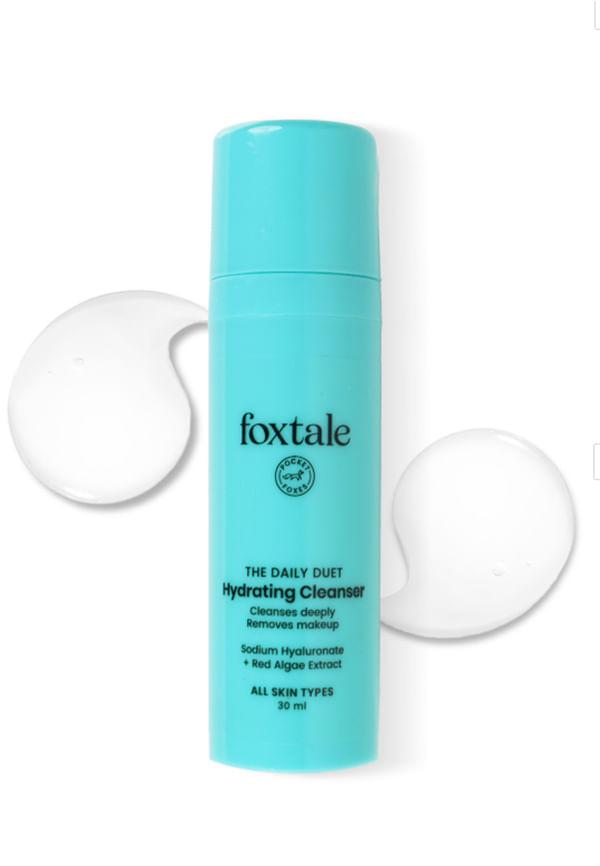
Hydrating Face Wash with Hyaluronic Acid
Good for Daily Use
 5
5“this cleanse is good for daily use. clean soft and smooth skin.”
Good for Daily Use
5“this cleanse is good for daily use. clean soft and smooth skin.”
Good for Daily Use
5“this cleanse is good for daily use. clean soft and smooth skin.”
You've probably heard about hyaluronic acid everywhere lately — in serums, moisturisers, and even your friend's latest skincare haul. But what does hyaluronic acid actually do for your skin? If you're dealing with dull, dehydrated skin that feels tight by midday, or fine lines that seem more pronounced after a long day in air conditioning, you're not alone. The good news is that hyaluronic acid might just be the ingredient your skin has been waiting for. Let's break down exactly how this powerhouse molecule works and why it's become such a skincare staple.
Hyaluronic acid is a naturally occurring substance in your body, found in your skin, joints, and eyes. Think of it as your skin's internal moisture magnet — it can hold up to 1,000 times its weight in water. That's not marketing speak; it's actual science.
Your skin naturally produces hyaluronic acid, but here's the thing: production starts declining in your twenties. By the time you hit fifty, your skin has about half the hyaluronic acid it had in your teens. This explains why skin often feels less plump and bouncy as we age.
In skincare products, you'll find different molecular weights of hyaluronic acid. Low molecular weight versions penetrate deeper into the skin, whilst high molecular weight forms create a moisture barrier on the surface. The best serums often combine both for maximum skin hydration benefits.
Real talk: hyaluronic acid benefits go far beyond just adding moisture. Here's what this ingredient actually does for your skin.
This is where hyaluronic acid truly shines. It draws moisture from the environment and deeper layers of your skin, then locks it in place. If you've ever wondered why your skin feels tight and uncomfortable, it's often due to dehydration rather than dryness — and that's exactly what hyaluronic acid addresses.
When your skin is properly hydrated, fine lines become less visible. Hyaluronic acid plumps the skin from within, creating a smoother appearance. It won't erase deep wrinkles overnight, but it can significantly improve the look of surface-level lines caused by dehydration.
Well-hydrated skin naturally feels firmer and more elastic. Hyaluronic acid helps maintain your skin's structure by supporting the moisture barrier, which in turn helps maintain that bouncy, youthful feel.
Your skin repairs itself better when it's properly hydrated. Hyaluronic acid creates an optimal environment for healing, which is particularly helpful if you're dealing with post-breakout marks or minor skin irritation.
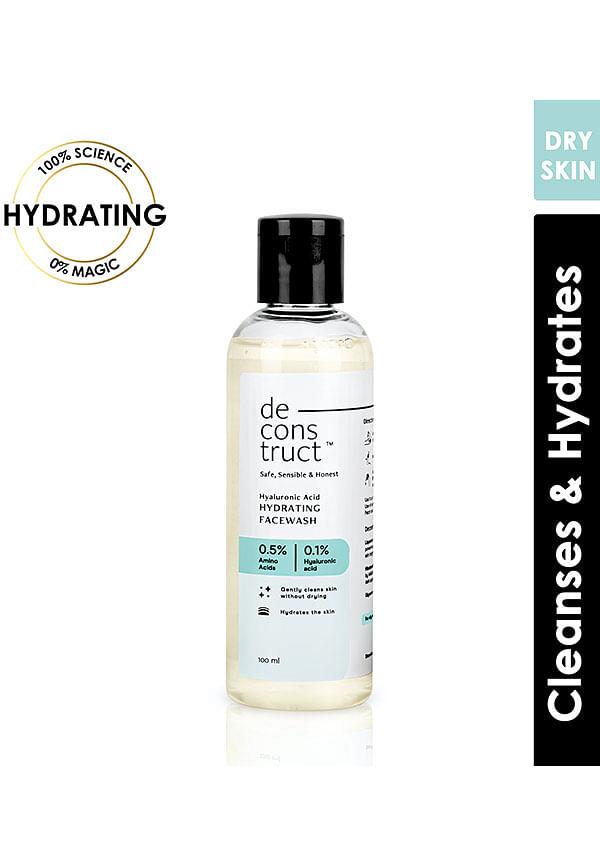
Hyaluronic Acid Hydrating Facewash- 0.5% Amino Acids + 0.1% Hyaluronic Acid
Good Product, Worth It
5“love the product works really good and worth it”
Gentle foaming cleanser
4“foaming cleanser. not striping moisturiser in the face. very gentle for winter”
Good Product, Hydrates Skin
5“it's a very good product, hydrates skin”
This is the "glow" everyone talks about. When your skin is adequately hydrated, it naturally looks more plump skin and radiant. It's like giving your complexion a drink of water from the inside out.
Whilst hyaluronic acid isn't a direct collagen booster like retinol, it creates the right environment for your skin to function optimally, which includes natural collagen synthesis processes.
Some forms of hyaluronic acid offer mild antioxidant benefits, helping to protect your skin from environmental stressors that can accelerate ageing.
Here's where many people get confused about hyaluronic acid uses. The key is application technique and timing.
Apply your hyaluronic acid serum to slightly damp skin — this gives it moisture to grab onto. If you apply it to completely dry skin, it might actually draw moisture from deeper layers, which isn't what you want. Follow with a moisturiser to seal everything in.
Morning or evening? Both work brilliantly. In the morning, it creates a perfect base under SPF. In the evening, it helps your skin recover from the day's environmental exposure. You can use it twice daily without any issues.
Layer it correctly: cleanse, tone (if you use one), hyaluronic acid serum, then moisturiser. If you're using other active ingredients like niacinamide or vitamin C, hyaluronic acid plays well with almost everything.
One of the brilliant things about hyaluronic acid is how well it works across different skin types. Let's break this down properly.
This is where hyaluronic acid becomes your best friend. If your skin feels tight, looks dull, or shows fine lines that seem to appear from nowhere, dehydration is likely the culprit. Hyaluronic acid provides the intense moisture boost your skin craves.
Surprised? Many people with oily skin avoid hydrating products, but dehydration can actually trigger more oil production. Hyaluronic acid provides lightweight hydration without clogging pores or feeling heavy on the skin.
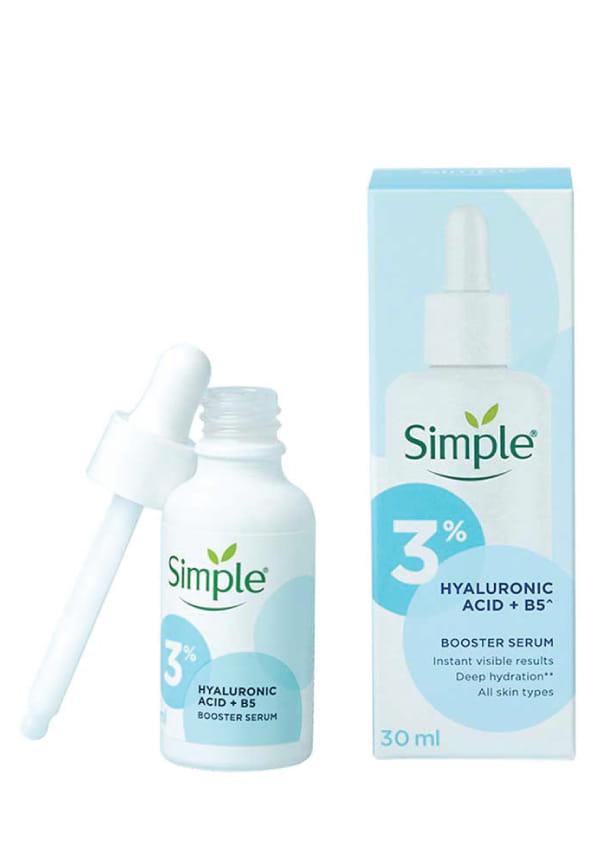
Booster Serum 3% Hyaluronic Acid + B5 For Deep Hydration
Hyaluronic acid is generally well-tolerated by sensitive skin types. It's non-irritating and actually helps strengthen the skin barrier, which can reduce sensitivity over time.
As natural hyaluronic acid production decreases with age, topical application becomes increasingly beneficial. It helps address the loss of volume and moisture that contributes to visible ageing signs.
Let's address some common concerns about hyaluronic acid safety. The good news is that it's one of the gentlest skincare ingredients available.
Allergic reactions are extremely rare because hyaluronic acid is naturally found in your body. However, some people might react to other ingredients in the formulation, so always patch test new products.
One myth worth debunking: hyaluronic acid doesn't darken skin or cause hyperpigmentation. If you're experiencing darkening, it's likely due to another ingredient or an underlying skin concern that needs addressing.
During pregnancy and breastfeeding, hyaluronic acid is considered safe to use. It doesn't penetrate deeply enough to cause systemic effects.
Absolutely. Hyaluronic acid is gentle enough for daily use, and many people benefit from using it twice daily. Your skin won't build up a tolerance to it, so consistent use is actually recommended for best results.
They serve different purposes, so it's not really about which is "better." Vitamin C is an antioxidant that brightens and protects, whilst hyaluronic acid focuses on hydration. Many people use both together — vitamin C in the morning for protection, and hyaluronic acid morning and evening for hydration.
Again, these ingredients have different roles. Retinol is an anti-aging skincare powerhouse that increases cell turnover and stimulates collagen production, but it can be drying. Hyaluronic acid provides hydration and can actually help counteract retinol's drying effects. They work beautifully together.
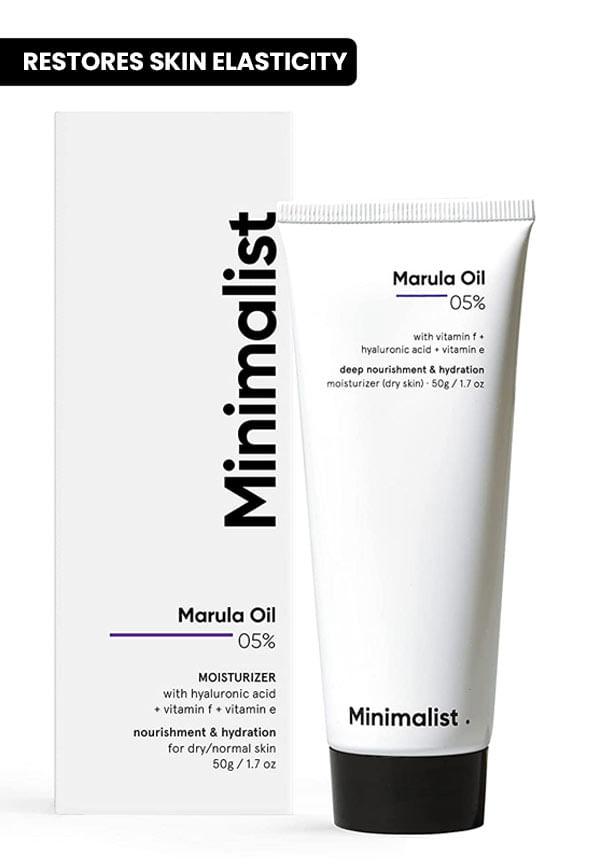
Marula Oil 5% Face Moisturizer For Dry Skin With Hyaluronic Acid
Good Product Quality
5“very good quality of the product”
Good Product Quality
5“very good quality of the product”
Excellent for Normal to Dry Skin
5“Like it .No greasy product..Not oily products.Nj. ithinu 5inu 5kodukum.normal to dry skinu ee minimalist marula oil moisturizer super anu guys.”
Pure hyaluronic acid is non-comedogenic and shouldn't cause breakouts. If you're experiencing spots after introducing a hyaluronic acid product, check the other ingredients in the formulation — something else might be the culprit.
You might notice immediate plumping effects after the first use, but significant improvements in skin hydration and texture typically become apparent after 2-4 weeks of consistent use.
Hyaluronic acid serum should go on before your moisturiser. Apply it to damp skin, then seal it in with your regular moisturiser. This layering technique maximises the hydrating benefits.
Yes, they work wonderfully together. Niacinamide helps regulate oil production and minimise pores, whilst hyaluronic acid provides hydration. You can layer them or find products that contain both ingredients.
Here are some professional insights to help you get the most from your hyaluronic acid products.
Apply to damp skin — this is crucial. Mist your face lightly or apply while your skin is still slightly wet from cleansing. This gives the hyaluronic acid moisture to work with.
Don't skip moisturiser. Hyaluronic acid draws moisture to the skin, but you need an occlusive layer (your moisturiser) to prevent that moisture from evaporating.
Consider the climate. In very dry environments, hyaluronic acid might draw moisture from your skin if there's none in the air. Use a humidifier or apply an extra layer of moisturiser in these conditions.
Look for multiple molecular weights in your serum. Products that combine high and low molecular weight hyaluronic acid provide both surface hydration and deeper penetration.
Understanding what hyaluronic acid does for your skin helps you make informed decisions about your skincare routine. Whether you're dealing with dehydration, fine lines, or simply want to maintain healthy, plump skin, this ingredient offers genuine benefits backed by science.
The beauty of hyaluronic acid lies in its simplicity — it does one thing exceptionally well: hydration. And when your skin is properly hydrated, everything else tends to fall into place. Your complexion looks more radiant, feels more comfortable, and functions better overall.
If you're curious about trying hyaluronic acid products but aren't sure which formulation will work best for your skin, Smytten's curated selection includes serums and moisturisers from trusted brands. With over 28 million users discovering their perfect products through trial sizes, you can explore different formulations before committing to full-size versions.
