Hyaluronic Acid Benefits FAQ: Your Skin Questions Answered
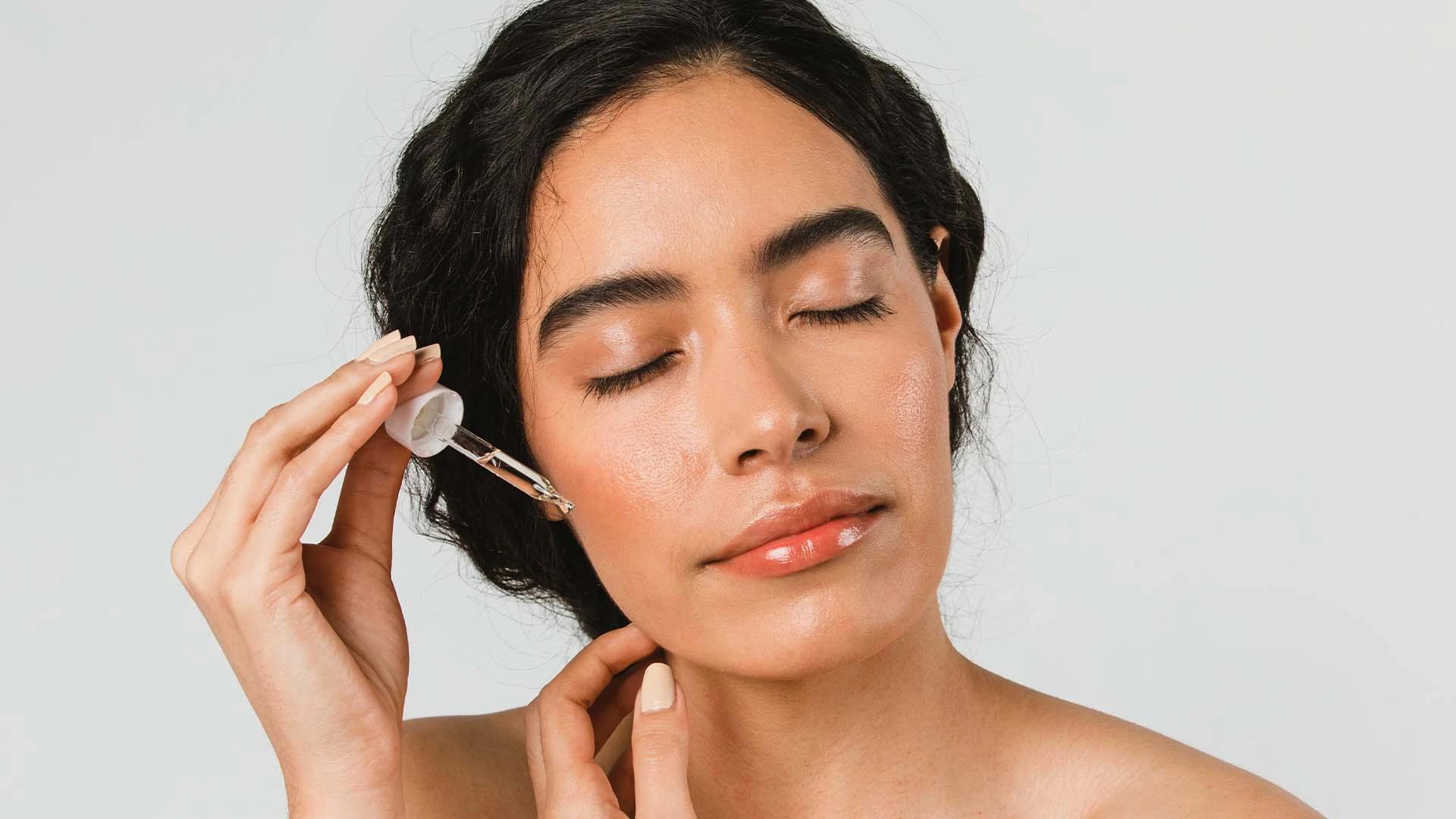

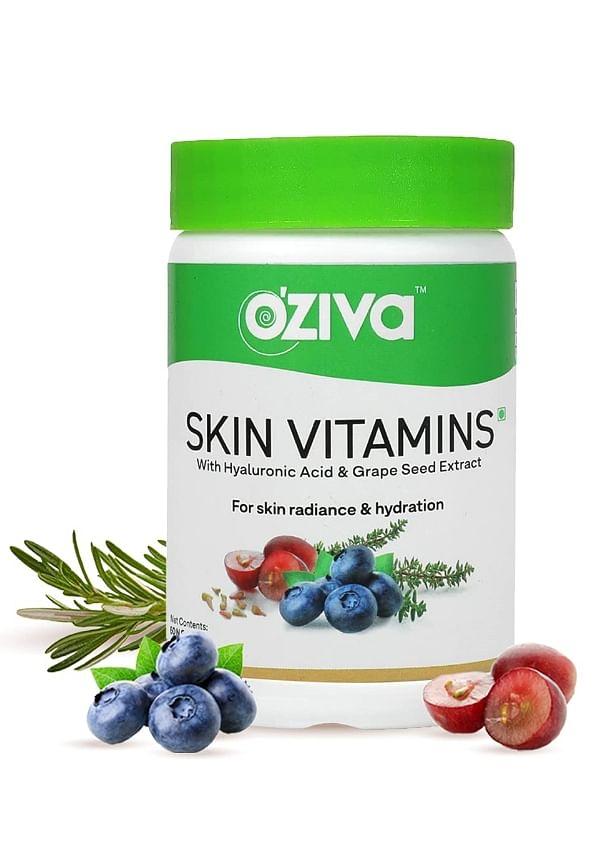
Skin Vitamins With Hyaluronic Acid Radiance & Hydration
Ever wondered why hyaluronic acid has become the holy grail ingredient that everyone from your dermatologist to your favourite beauty influencer can't stop raving about? You've probably seen it splashed across countless serums and moisturisers, promising plump, dewy skin that looks like you've just had the most refreshing facial. But what exactly does this powerhouse ingredient do, and more importantly, will it work for your specific skin concerns? Whether you're dealing with post-AC dryness that leaves your skin feeling tight, or you're simply curious about adding this hydration hero to your routine, we've gathered the most pressing questions about hyaluronic acid benefits and answered them in plain English. No confusing science jargon, just real talk about what this ingredient can actually do for your skin.
Before diving into all the brilliant things hyaluronic acid can do for your skin, let's get clear on what it actually is. Despite its intimidating name, hyaluronic acid isn't harsh or exfoliating like the AHAs you might know. It's actually a naturally occurring substance that your body produces, with about 50% of it living right in your skin. Think of it as your skin's built-in moisture magnet.
Here's where it gets fascinating: hyaluronic acid can hold up to 1,000 times its weight in water. Imagine a tiny molecule acting like a microscopic sponge, drawing moisture from the environment and holding onto it for dear life. This incredible water-binding ability is what makes it such a game-changer for skin hydration. As we age, our natural hyaluronic acid production slows down, which partly explains why mature skin often feels drier and looks less plump than it used to.
When you apply hyaluronic acid serum or moisturiser, those molecules get to work immediately, pulling moisture from the air and deeper layers of your skin to the surface. The clever bit is that hyaluronic acid comes in different molecular weights. Smaller molecules can penetrate deeper into the skin, whilst larger ones form a protective film on the surface, preventing water loss throughout the day.
Now for the good stuff - what can you actually expect when you start using hyaluronic acid regularly? The benefits go far beyond just basic hydration, though that's certainly where it shines brightest.
This is where hyaluronic acid truly excels. If your skin feels like it's constantly thirsty no matter how much moisturiser you slather on, this ingredient might be exactly what you need. It doesn't just add moisture to your skin - it helps your skin hold onto that moisture for longer. You know that plump, bouncy feeling your skin has after a really good sheet mask? That's the hyaluronic acid effect, but in a form you can achieve daily.
Whilst hyaluronic acid won't work miracles overnight, consistent use can help with the appearance of fine lines, especially those caused by dehydration. When your skin is properly hydrated, it naturally looks fuller and smoother. Think of a grape versus a raisin - hydration makes all the difference in how plump and youthful skin appears.
Rough patches, flaky areas, and that general feeling that your skin texture isn't quite right? Hyaluronic acid helps fill in those microscopic gaps with moisture, creating a smoother canvas for your makeup and a more refined appearance overall. Many people notice their skin feels softer and looks more even within just a few days of regular use.
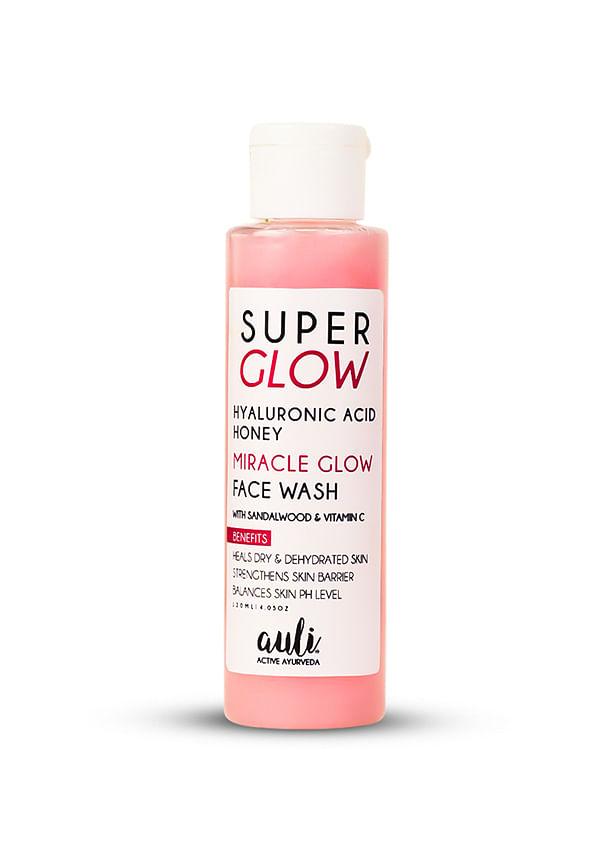
Hyaluronic Acid Nourishing Facewash - SUPER GLOW
Your skin barrier is like a protective wall that keeps good things in and irritants out. Hyaluronic acid helps strengthen this barrier by maintaining optimal hydration levels. A well-hydrated barrier is better at protecting against environmental stressors and recovers more quickly from breakouts or irritation.
This is probably one of the most common questions we hear, and honestly, the answer depends on your skin type, concerns, and personal preferences. Both forms have their place in a well-rounded skincare routine.
Hyaluronic acid serums typically contain higher concentrations of the active ingredient, making them incredibly effective for targeted hydration. They're lightweight, absorb quickly, and layer beautifully under other products. If you love building a multi-step routine or have oily skin that shies away from heavy creams, a serum might be your perfect match.
A hyaluronic acid moisturiser gives you the hydrating benefits plus additional ingredients like ceramides, oils, or occlusives that help seal everything in. If you prefer a streamlined routine or have very dry skin that needs extra nourishment, a moisturiser might be more practical for your lifestyle.
Consider your climate too - if you live somewhere humid, a serum alone might be sufficient. In drier climates or during winter months, you'll likely want to follow your hyaluronic acid serum with a good moisturiser to prevent the ingredient from actually drawing moisture out of your skin.
One of the most brilliant things about hyaluronic acid is how well it plays with virtually every skin type. It's gentle, non-irritating, and addresses the one thing every skin type needs: proper hydration.
If you're dealing with dry skin, hyaluronic acid is like finding water in the desert. It provides that deep, lasting hydration that helps prevent the tight, uncomfortable feeling that often comes with dryness. Apply it to slightly damp skin and follow with a nourishing moisturiser for best results.
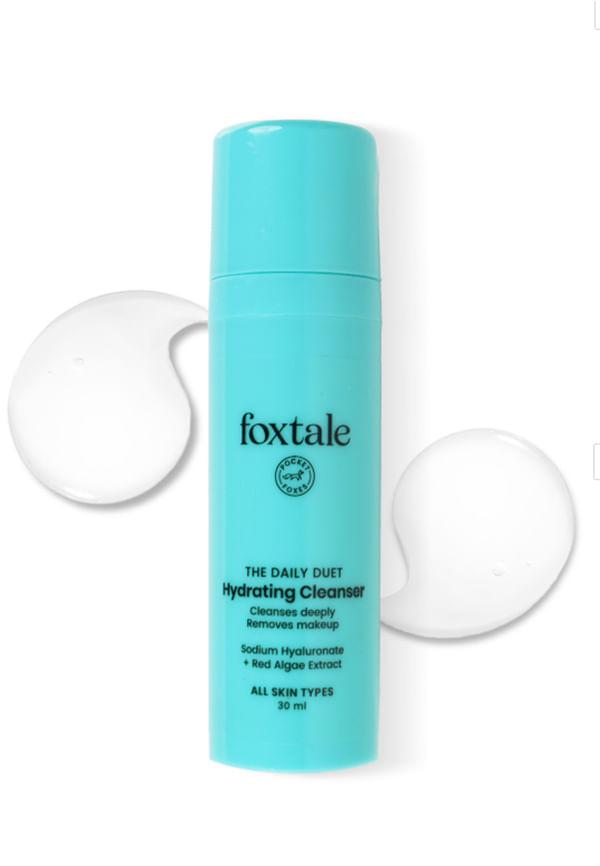
Hydrating Face Wash with Hyaluronic Acid
Surprisingly, hyaluronic acid is brilliant for oily skin too. It's completely non-comedogenic, meaning it won't clog pores or trigger breakouts. Many people with oily skin actually have dehydrated skin underneath all that oil production, and hyaluronic acid helps balance things out without adding unwanted heaviness.
Sensitive skin types often struggle to find ingredients that hydrate without irritating, and hyaluronic acid fits the bill perfectly. It's naturally occurring in the body, so reactions are extremely rare. However, always patch test new products, especially if your skin is particularly reactive.
Getting the most out of your hyaluronic acid products isn't complicated, but there are a few key techniques that can make a real difference in how effective they are.
Here's the golden rule: always apply hyaluronic acid to damp skin. This gives those water-loving molecules something to grab onto immediately. After cleansing, whilst your skin is still slightly moist, apply your serum or moisturiser. If you're using a serum, follow with a moisturiser to seal everything in.
Hyaluronic acid plays well with almost everything in your skincare arsenal. It's particularly lovely with vitamin C in the morning for a hydrating, brightening combo, or with retinol in the evening to counteract any dryness. The key is to apply hyaluronic acid before heavier creams but after water-based toners or essences.
The biggest mistake people make is applying hyaluronic acid to completely dry skin in a low-humidity environment without following up with a moisturiser. In these conditions, it can actually draw moisture out of your skin, leaving you feeling drier than before. Always ensure there's moisture available for it to work with.
Hyaluronic acid primarily provides intense hydration by binding water to your skin cells. This leads to plumper, smoother-looking skin with improved texture and a healthy glow. Over time, consistent use can help reduce the appearance of fine lines caused by dehydration and support your skin's natural barrier function. Most people notice their skin feels softer and looks more radiant within a week of regular use.
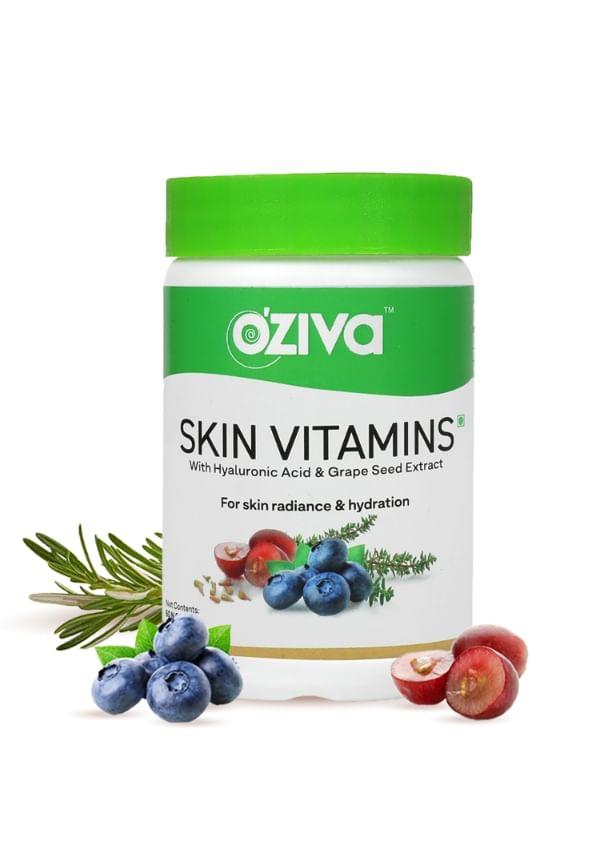
Skin Vitamins With Hyaluronic Acid & Grape Seed Extract for Skin Radiance & Hydration
Absolutely! Hyaluronic acid is gentle enough for daily use, both morning and evening. In fact, using it consistently gives you the best results because hydration is something your skin needs constantly, not just occasionally. Start with once daily if you have very sensitive skin, but most people can jump straight into twice-daily use without any issues.
This is like comparing apples and oranges - they serve completely different purposes! Vitamin C is primarily an antioxidant that helps with brightening and protection, whilst hyaluronic acid focuses on hydration. The brilliant news is that they work beautifully together. Many people use vitamin C in the morning for protection and brightening, followed by hyaluronic acid for hydration.
Again, these ingredients have different jobs. Retinol is your anti-ageing powerhouse that helps with cell turnover and collagen production, whilst hyaluronic acid provides hydration and plumping effects. If you're just starting out and had to choose one, hyaluronic acid is gentler and suitable for all skin types. However, they're actually perfect partners - hyaluronic acid can help counteract the dryness that sometimes comes with retinol use.
Not at all! Hyaluronic acid doesn't affect your skin's pigmentation in any way. It's purely a hydrating ingredient that works by binding water to your skin cells. If you're experiencing any darkening after starting a new product, it's likely due to another ingredient in the formula or an unrelated skin concern that should be checked by a dermatologist.
Side effects from hyaluronic acid are extremely rare because it's naturally found in your body. The most common issue is actually improper use - applying it to dry skin in low humidity without a moisturiser can temporarily make skin feel drier. Very rarely, some people might experience mild irritation from other ingredients in the product formula rather than the hyaluronic acid itself.
With so many hyaluronic acid products on the market, knowing what to look for can save you time, money, and potential disappointment. The good news is that this ingredient is generally quite stable and effective across different price points.
Look for products that list hyaluronic acid or sodium hyaluronate high up in the ingredients list. Sodium hyaluronate is actually a salt form of hyaluronic acid that's often more stable and penetrates skin more easily. Products that combine different molecular weights give you both immediate surface hydration and deeper skin benefits.
You'll find hyaluronic acid in everything from lightweight serums to rich night creams. Serums typically contain 0.5-2% hyaluronic acid, which is plenty effective. Higher percentages aren't necessarily better and can sometimes feel sticky or pill under makeup. Consider your skin type and routine preferences when choosing between different textures and formulations.
The benefits of hyaluronic acid for skin are backed by solid science and countless positive experiences from people with all skin types. Whether you're dealing with dehydration, looking to prevent signs of ageing, or simply want that healthy, plump glow, this ingredient deserves a place in your routine. Remember, skincare is personal, and what works brilliantly for your friend might need some tweaking for your unique skin needs.
Start slowly, pay attention to how your skin responds, and don't be afraid to experiment with different forms and application methods until you find what works best for you. With over 28 million users discovering their perfect skincare matches, platforms like Smytten make it easier than ever to explore different hyaluronic acid formulations from trusted brands before committing to full sizes. After all, your skin deserves products that truly work for you, not just products that work in general.
