Hyaluronic Acid and Retinol Layering Order FAQ: Your Questions Answered

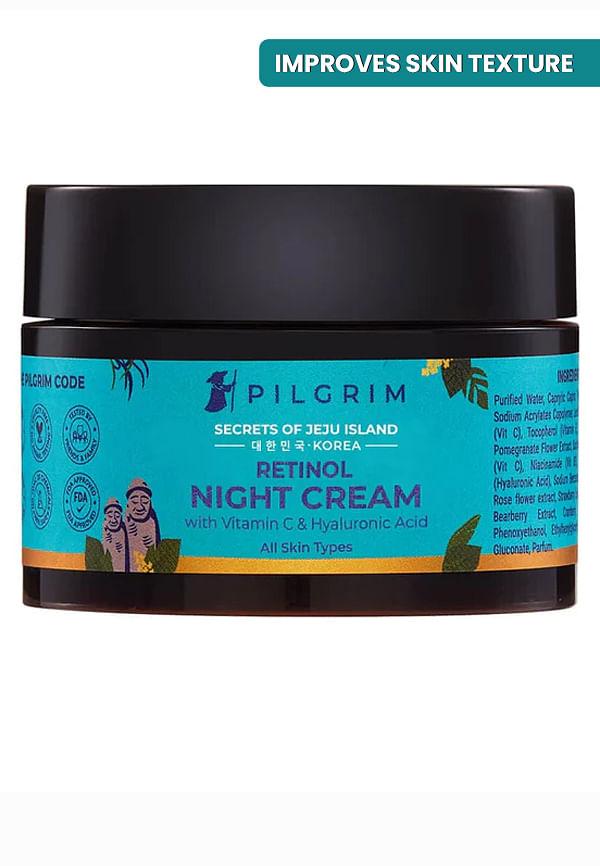
Retinol Anti-Ageing Night Repair Cream With Vitamin C & Hyaluronic Acid
Amazing Product, Worth It
 5
5“Amazing product worth it hai le sakte h ”
Nice Cream, Will Suggest
5“thank uou nice cream .i will suggest to my friends”
Nice Cream, Will Suggest
5“thank uou nice cream .i will suggest to my friends”
Getting your skincare routine right can feel like solving a complex puzzle, especially when you're dealing with powerhouse ingredients like retinol and hyaluronic acid. You've probably heard conflicting advice about whether these two can play nicely together, or you're standing in front of your bathroom mirror wondering which one goes first. Real talk: the hyaluronic acid and retinol layering order isn't just about following rules—it's about understanding how these ingredients work at a molecular level to give you the best results. When done correctly, this dynamic duo can transform your skin by combining deep hydration with cellular renewal. Whether you're dealing with fine lines, dehydration, or simply want to future-proof your skin, mastering this layering technique will become your secret weapon for healthier, more radiant skin.
Yes, you can use retinol and hyaluronic acid together - they're actually complementary ingredients that work brilliantly as a team
Correct order: Hyaluronic acid first, then retinol - this follows the molecular weight principle for optimal absorption
Best timing: Evening application - start 2-3 times per week and gradually increase frequency as your skin builds tolerance
Wait 2-5 minutes between applications - this allows each product to absorb properly before layering the next
The "sandwich method" works for sensitive skin - apply moisturiser, then retinol, then hyaluronic acid for gentler results
Let's address the elephant in the room: absolutely yes, you can use retinol and hyaluronic acid together. In fact, they're one of skincare's most successful partnerships. The confusion often stems from the misconception that retinol doesn't play well with other actives, but hyaluronic acid isn't technically an "active" in the traditional sense—it's a humectant that draws moisture to your skin.
The science backs this up beautifully. Retinol works by accelerating cell turnover and stimulating collagen production, which can initially leave your skin feeling dry or sensitive. Hyaluronic acid steps in as the perfect supporting actor, holding up to 1,000 times its weight in water and creating a moisture cushion that helps counteract retinol's potentially drying effects. This synergy means you get all the anti-ageing benefits of retinol whilst maintaining your skin's hydration barrier.
Research published in dermatology journals consistently shows that combining hydrating ingredients with retinoids actually improves tolerance and reduces irritation. When your skin is well-hydrated, it's better equipped to handle the cellular changes that retinol initiates. Think of hyaluronic acid as creating the perfect environment for retinol to do its job effectively.
The golden rule for skincare layering is simple: thinnest to thickest consistency, and water-based before oil-based. This principle becomes crucial when determining whether hyaluronic acid goes before or after retinol. Your skin will notice the difference when you get this right!
Here's your foolproof sequence for the perfect hyaluronic acid and retinol layering order:
Step 1: Cleanse your face thoroughly with a gentle cleanser
Step 2: Apply hyaluronic acid serum to slightly damp skin
Step 3: Wait 2-5 minutes for complete absorption
Step 4: Apply your retinol serum or cream
Step 5: Wait another 2-5 minutes
Step 6: Seal everything with a moisturiser
The reason hyaluronic acid goes first lies in molecular science. Hyaluronic acid molecules are larger and water-based, making them ideal for the first layer. Retinol, typically formulated in lighter oils or emulsions, can then penetrate effectively without being blocked by the hyaluronic acid layer.
If you have particularly sensitive skin or you're new to retinol, the sandwich method offers a gentler approach. Apply a thin layer of moisturiser first, then your retinol, followed by hyaluronic acid, and finish with another light layer of moisturiser if needed.
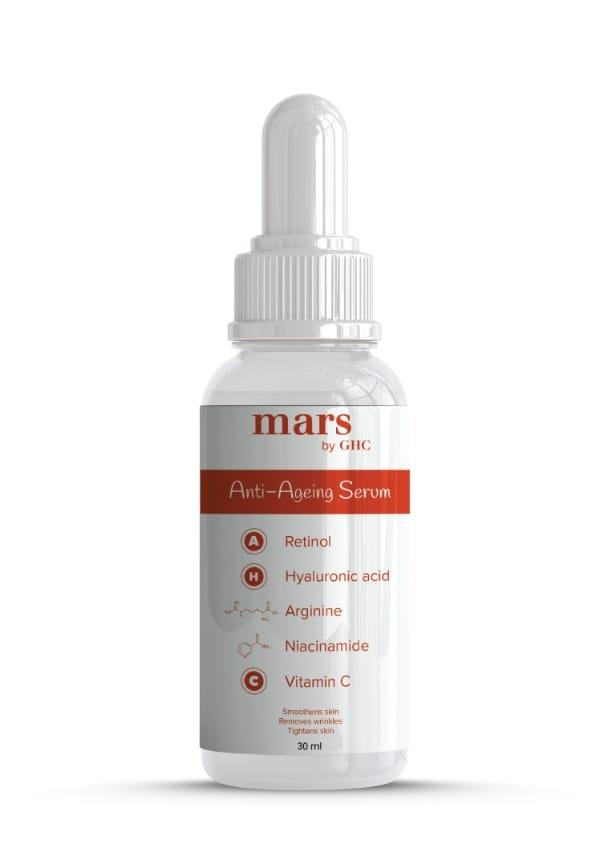
Anti Ageing Face Serum with 5% Niacinamide, 0.2% Retinol, Hyaluronic Acid, Arginine, Vit C - For Spotless Glow, Anti Wrinkle, Dullness & Fine Lines
This technique, often recommended by dermatologists, creates a buffer that slows down retinol absorption slightly, reducing the likelihood of irritation whilst still delivering results. It's particularly useful during the initial weeks of introducing retinol to your routine.
The best time to use retinol and hyaluronic acid together is definitely in the evening. Retinol breaks down in sunlight and can increase photosensitivity, making nighttime application non-negotiable. Your skin also does most of its repair work whilst you sleep, making evening the optimal time for these renewal and hydration processes.
Start slowly—this cannot be emphasised enough. Begin with using this combination just 2-3 times per week, allowing your skin to build tolerance gradually. You can increase frequency to every other night after 2-3 weeks, and eventually work up to nightly use if your skin tolerates it well.
Pay attention to your skin's signals. If you notice excessive dryness, redness, or peeling, dial back the frequency. Remember, consistency trumps intensity in skincare. It's better to use retinol three times a week consistently than to use it daily for a week and then stop due to irritation.
Morning routines should focus on hydration and protection. If you're using retinol at night, make sure to apply a broad-spectrum SPF 30 or higher during the day, as retinol can make your skin more sensitive to UV damage.
Once you've mastered the basic hyaluronic acid and retinol combination, you might wonder about incorporating other skincare actives. The key is understanding which ingredients complement each other and which ones need to be separated.
Niacinamide is another excellent team player that works beautifully with both retinol and hyaluronic acid. The ideal layering sequence becomes: hyaluronic acid, niacinamide, then retinol. Niacinamide helps strengthen your skin barrier and can actually reduce some of the irritation associated with retinol use.
This three-ingredient combination is particularly powerful for addressing multiple skin concerns simultaneously—hydration, barrier function, and anti-ageing. Many users find this trio becomes the backbone of their evening routine.
Your complete evening routine with multiple actives should follow this general order:
Cleanser
Hyaluronic acid serum
Niacinamide (if using)
Retinol
Moisturiser
Face oil (if needed)
Avoid using AHA/BHA exfoliants on the same night as retinol, especially when you're starting out. These can be alternated on different evenings once your skin has built tolerance.
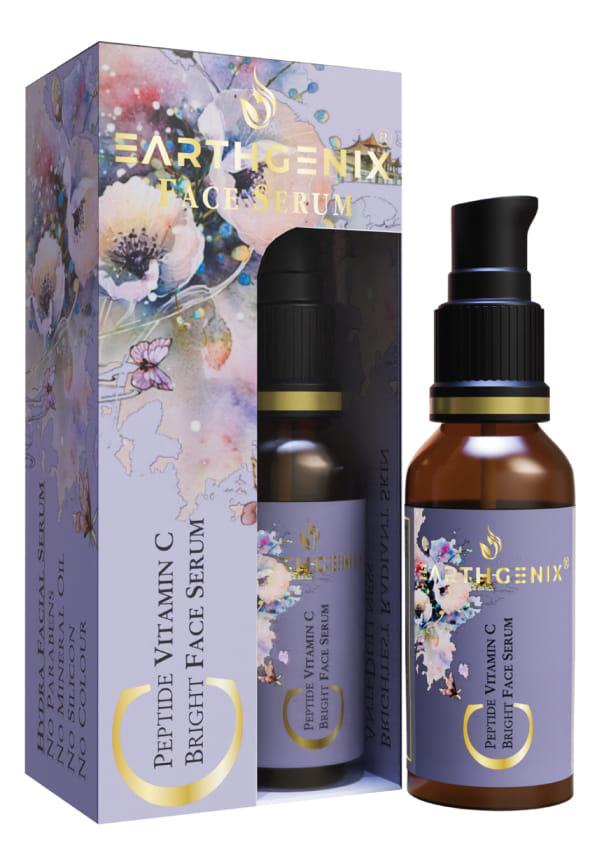
Peptide Vitamin C Bright Face Serum with Hyaluronic Acid
Choosing the right products makes all the difference in your layering success. For retinol, beginners should start with concentrations between 0.25% and 0.5%, whilst experienced users can work up to 1% or higher. Look for retinol products that include soothing ingredients like ceramides or peptides to minimise irritation.
When selecting hyaluronic acid products, consider whether you want a dedicated serum or a moisturiser with hyaluronic acid. Serums typically contain higher concentrations and layer better under other products, whilst hyaluronic acid moisturisers can serve double duty for those who prefer streamlined routines.
The Minimalist 2% Salicylic Acid Face Wash offers excellent ingredient transparency, whilst their Ceramides & Hyaluronic Barrier Repair Moisturizer provides the perfect foundation for retinol layering with its combination of barrier-supporting ingredients. For those exploring retinol options, Dot & Key's Night Reset Retinol + Ceramide Cream cleverly combines retinol with ceramides to counteract dryness—a perfect example of thoughtful formulation.
Avoid products that combine retinol with vitamin C, as this can increase irritation. Also, be cautious with products containing high concentrations of essential oils, as these can sometimes interfere with retinol's stability and effectiveness.
Key Concern | Skin Type | Product | Price Range | Key Ingredients |
|---|---|---|---|---|
Anti-ageing, Barrier Repair | Mature, Dry | Dot & Key Night Reset Retinol + Ceramide Cream | Premium | Retinol, Ceramides |
Hydration, Barrier Support | Sensitive, Combination | Minimalist Ceramides & Hyaluronic Barrier Repair Moisturizer | Mid-range | Ceramides, Hyaluronic Acid, Probiotics |
Hydration During Cleansing | All Types | Neutrogena Hydro Boost Cleanser Water Gel | Mid-range | Hyaluronic Acid |
Oil Control, Pore Minimising | Oily, Acne-prone | WishCare Oil Control Skincare Combo | Mid-range | Niacinamide 2%, Zinc PCA |
Anti-ageing, Sun Protection | Mature, All Types | Foxtale Pomegranate + Multi-Peptide Anti Ageing Moisturizer SPF 30 | Premium | Multi-peptides, SPF 30, Ceramides |
The 1/2/3 rule is a progressive introduction method for retinol. Start by using retinol once per week for the first week, twice per week for the second week, and three times per week for the third week. This gradual approach helps your skin build tolerance whilst minimising irritation. After the third week, you can assess how your skin is responding and potentially increase frequency further.
If you apply retinol before hyaluronic acid, you might hinder the absorption of both ingredients. Hyaluronic acid works best when applied to damp skin to draw in moisture, and applying it after retinol may not allow it to penetrate effectively. Conversely, applying retinol over wet hyaluronic acid could potentially dilute the retinol or lead to pilling. The correct order ensures optimal benefits from both.
Always apply hyaluronic acid before retinol. This follows the fundamental skincare principle of applying products from thinnest to thickest consistency. Hyaluronic acid, being water-based and having larger molecules, should go on first to properly hydrate your skin. Retinol can then penetrate effectively without being blocked. This order also helps create a hydrating base that can reduce potential retinol irritation.
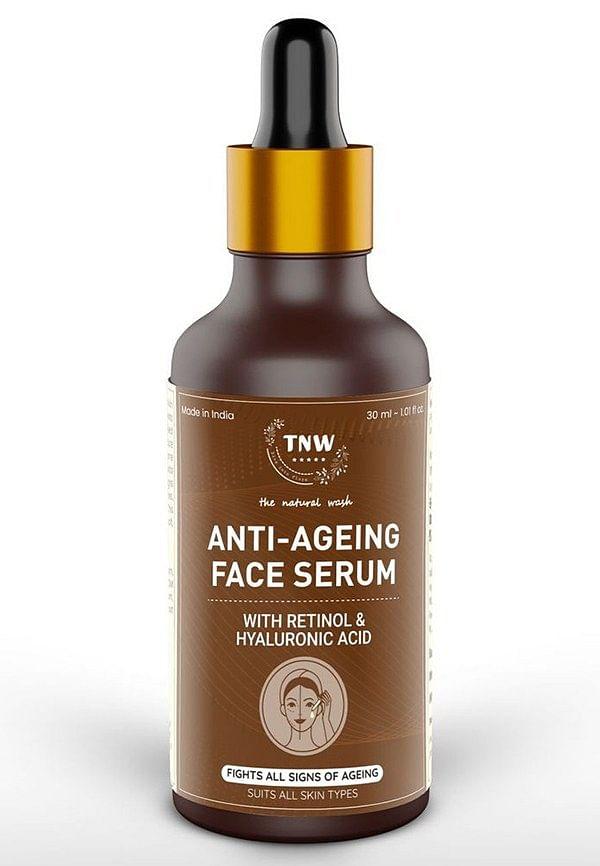
Retinol Serum for Face with Hyaluronic acid for Spotless Glowing Skin Help Reducing Wrinkles & Fines Lines| Made in India Antiaging Serum (No Chemica
Nice Product and Package
5“nice product and package will be nice”
Nice Product and Package
5“nice product and package will be nice”
Nice Product and Package
5“nice product and package will be nice”
Absolutely! Nighttime is actually the ideal time to use both hyaluronic acid and retinol together. Your skin does most of its repair and regeneration work whilst you sleep, making evening application perfect for retinol's cell-renewal properties. The hyaluronic acid provides essential hydration to support this process. Just remember to follow up with SPF during the day, as retinol can increase photosensitivity. Many users find this nighttime combination gives them their best skin results.
Wait 2-5 minutes between applying hyaluronic acid and retinol. This allows the hyaluronic acid to fully absorb and create a proper hydrating base for the retinol. If you apply retinol too quickly over wet hyaluronic acid, it might dilute the retinol's effectiveness. The wait time also helps prevent any potential pilling or product interaction that could reduce the efficacy of either ingredient.
Yes, beginners can definitely use retinol and hyaluronic acid together—in fact, it's often recommended! The hyaluronic acid helps buffer retinol's potentially irritating effects, making it an excellent combination for those new to retinol. Start with a low retinol concentration (0.25-0.5%) and use the combination just 2-3 times per week initially. The hydrating properties of hyaluronic acid can help your skin adjust to retinol more comfortably. You can explore different formulations through trial packs to find what works best for your skin before investing in full-size products.
Understanding what to expect and when can help you stay consistent with your routine. In the first 1-2 weeks, focus on tolerance rather than visible results. Your skin might experience some mild dryness or slight peeling as it adjusts to retinol—this is normal and where hyaluronic acid becomes your best friend.
By weeks 3-4, you should notice improved skin texture and hydration levels. The hyaluronic acid will be providing consistent moisture, whilst retinol begins its work on cellular renewal. Some users report a subtle glow during this phase as their skin becomes better hydrated and starts turning over more efficiently.
The 6-8 week mark is where the magic really happens. This is when you'll likely see noticeable improvements in fine lines, skin smoothness, and overall radiance. The combination of retinol's anti-ageing effects and hyaluronic acid's plumping properties creates a synergistic effect that many users describe as their skin looking "healthier" overall.
After 3 months of consistent use, most people see significant improvements in skin texture, reduced appearance of fine lines, and better overall skin quality. The key is consistency—using this combination regularly will yield better results than sporadic use of higher concentrations.
Signs your routine is working effectively include improved skin texture, better hydration levels, reduced appearance of fine lines, and fewer breakouts (if acne was a concern). If you experience persistent irritation, excessive dryness, or worsening skin condition after 4-6 weeks, consider adjusting your routine or consulting a dermatologist.
Mastering the hyaluronic acid and retinol layering order is simpler than it initially seems, but the results are profound when done correctly. Remember that hyaluronic acid always goes first, followed by retinol, and both work best in your evening routine. Start slowly with 2-3 applications per week and gradually increase frequency as your skin builds tolerance.
The science supports this combination beautifully—hyaluronic acid provides the hydrating foundation that allows retinol to work effectively whilst minimising irritation. For sensitive skin, the sandwich method offers a gentler introduction, whilst those with established routines can incorporate additional actives like niacinamide for enhanced benefits.
Consistency is more important than intensity. It's better to use this combination regularly at a lower frequency than to overdo it and experience irritation that forces you to stop. Pay attention to your skin's signals and adjust accordingly—your skin will tell you what it needs.
Finding the perfect skincare routine is a journey of discovery, and understanding how to layer retinol and hyaluronic acid effectively is a valuable skill that will serve your skin well for years to come. The beauty of this combination lies not just in the individual benefits of each ingredient, but in how they work together to create healthier, more resilient skin. Smytten makes this exploration easier by offering trial packs from trusted brands, allowing you to test different retinol and hyaluronic acid formulations before committing to full-size products. With over 2,400 brands available and 100% cashback on trial purchases, you can confidently experiment with various combinations to find what works best for your unique skin needs. Whether you're trying your first retinol or perfecting your existing routine, Smytten's authentic, brand-verified minis ensure you're getting quality products at a fraction of the cost. After all, why settle for guesswork when you can try it all and discover your perfect skincare combination?
