How Zinc in Diet & Skincare Fights Acne on Indian Skin

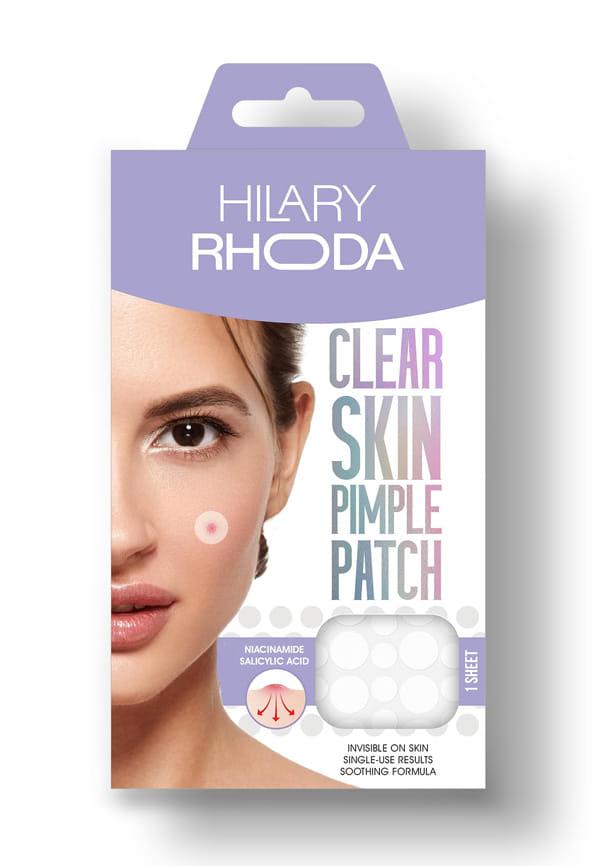
Clear Skin Pimple Patch
That stubborn breakout on your chin refuses to budge, despite trying every trending skincare ingredient. Sound familiar? If you're dealing with persistent acne on Indian skin, the answer might be simpler than you think. Zinc, a mineral that's been quietly working behind the scenes in your body, could be the missing piece in your clear skin puzzle. Whether through your diet or skincare routine, zinc offers a science-backed approach to managing acne that actually works with Indian skin's unique characteristics.
Indian skin has distinct characteristics that make it respond differently to acne treatments compared to other skin types. Understanding these differences is crucial for effective zinc-based acne management.
Most Indian skin falls within Fitzpatrick skin types III to V, characterised by higher melanin content and increased sebaceous gland activity. This means our skin produces more oil naturally, creating an environment where acne-causing bacteria can thrive. The good news? This same melanin offers natural UV protection, but it also means that post-acne pigmentation tends to be more pronounced and longer-lasting.
Higher melanin levels in Indian skin can lead to more noticeable dark spots after breakouts heal. Zinc plays a crucial role in regulating melanin production and accelerating skin cell turnover, helping fade these marks more effectively than many conventional treatments. This is particularly important during monsoon season when humidity can worsen both active acne and post-inflammatory hyperpigmentation.
Indian skin often experiences hormonal acne around the jawline and chin, especially in women. Environmental factors like pollution, humidity, and frequent temperature changes between air-conditioned spaces and outdoor heat create additional stress on the skin. Zinc addresses both internal hormonal fluctuations and external inflammatory triggers.
Real talk: zinc isn't just another skincare trend. There's solid science backing its effectiveness for acne management, particularly for skin that's been struggling with persistent breakouts.
Zinc acts as a natural anti-inflammatory agent, reducing the redness and swelling associated with active breakouts. It helps regulate cortisol levels, which is particularly beneficial for stress-induced acne that many working professionals experience. When your skin is constantly inflamed from pollution and stress, zinc provides the calming effect your complexion desperately needs.
Studies show that adequate zinc levels can reduce sebum production by up to 28%. For Indian skin, which naturally produces more oil, this regulation is game-changing. Zinc helps balance oil production without over-drying the skin, preventing the rebound effect that harsh treatments often cause.
Zinc has natural antibacterial properties that specifically target P. acnes bacteria without disrupting the skin's beneficial microbiome. This selective action means you can address breakouts without compromising your skin barrier, which is essential for maintaining healthy Indian skin in challenging environmental conditions.
Clinical studies comparing zinc to benzoyl peroxide found similar effectiveness rates, but with significantly fewer side effects. For Indian skin, which can be sensitive to harsh chemicals, zinc offers a gentler yet equally effective alternative that works with your skin's natural processes rather than against them.
Your kitchen might already contain some of the most effective acne-fighting ingredients. Indian cuisine naturally includes many zinc-rich foods that can support clear skin from the inside out.
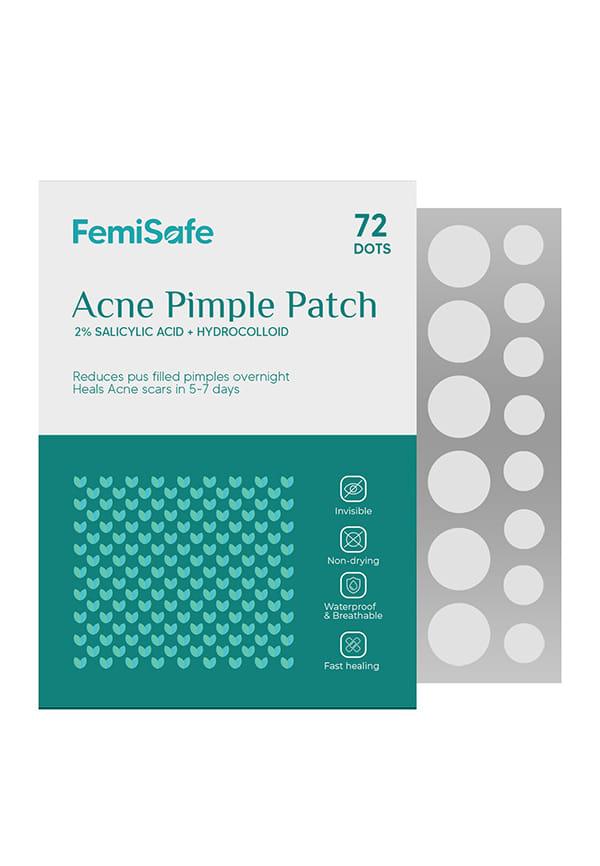
Acne Pimple Patch
Dal varieties like moong, chana, and masoor are excellent zinc sources that fit seamlessly into daily meals. Pumpkin seeds, sesame seeds, and cashews provide concentrated zinc doses. Seafood lovers can benefit from prawns and fish, while vegetarians can rely on chickpeas and rajma for their zinc intake.
Adults need 8-11mg of zinc daily for general health, but those managing acne may benefit from slightly higher amounts through food sources. A bowl of mixed dal with seeds can provide approximately 3-4mg of zinc, making it easier to reach optimal levels naturally.
Timing matters when it comes to zinc absorption. Avoid consuming zinc-rich foods with calcium-heavy meals like dairy, as calcium can interfere with zinc uptake. Instead, pair zinc sources with vitamin C-rich foods like amla or citrus fruits to enhance absorption.
Transform your regular khichdi by adding pumpkin seeds and cashews. Sprinkle sesame seeds on your parathas or include them in your morning smoothie. These small additions can significantly boost your daily zinc intake without changing your eating habits dramatically.
When dietary sources aren't enough, supplements can provide the concentrated zinc levels needed for stubborn acne management. Understanding the right type and dosage is crucial for effectiveness.
Zinc gluconate is generally better tolerated and causes fewer stomach upsets compared to zinc sulfate. For those with sensitive digestion, zinc picolinate offers excellent bioavailability with minimal side effects. The form you choose can significantly impact both effectiveness and comfort.
For mild acne, 30mg daily is often effective, while moderate to severe acne may require 40mg daily under professional guidance. Never exceed 40mg daily without medical supervision, as excessive zinc can interfere with copper absorption and cause other health issues.
Take zinc supplements on an empty stomach for maximum absorption, but if this causes nausea, take them with a small snack. Avoid taking zinc with iron supplements or calcium, as these minerals compete for absorption. Evening dosing often works well for those who experience stomach sensitivity.
Most people notice improvements in 6-8 weeks, with significant changes visible after 12 weeks of consistent use. Your skin will notice the difference in inflammation levels first, followed by reduced breakout frequency and improved healing of existing blemishes.
Topical zinc offers targeted treatment for active breakouts while supporting overall skin health. The key is choosing the right form and application method for Indian skin's specific needs.
Zinc PCA is the most effective topical form for oily, acne-prone skin. It provides antimicrobial benefits while helping regulate oil production without causing excessive dryness. This form works particularly well in humid climates where traditional acne treatments can feel heavy or sticky.
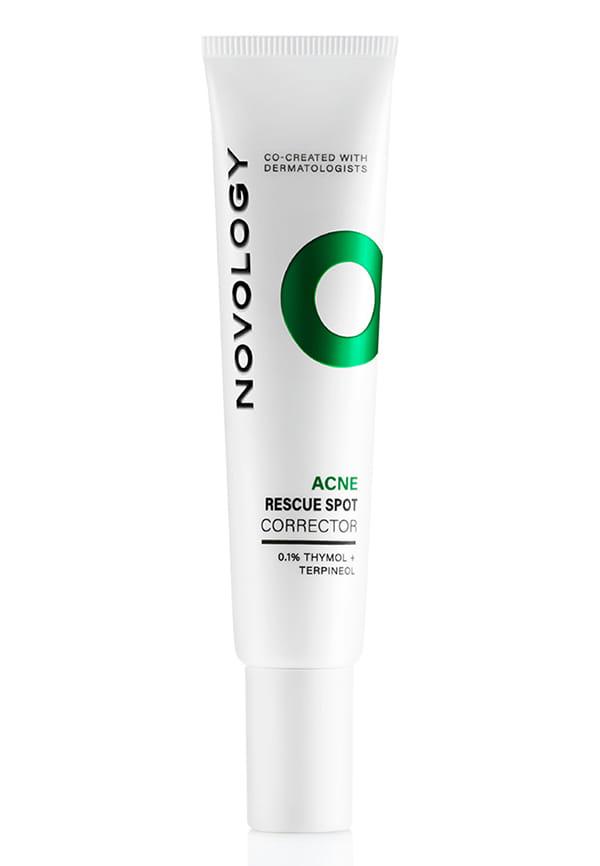
Acne Spot Corrector,For Acne Prone Skin
For inflammatory acne, zinc oxide can be mixed with aloe vera gel for a soothing spot treatment. Apply this mixture directly to active breakouts before bed, allowing the zinc to work overnight while the aloe vera prevents irritation.
Zinc pairs beautifully with niacinamide for enhanced oil control and pore refinement. Adding hyaluronic acid prevents the dryness that can occur with zinc treatments, maintaining skin hydration even in air-conditioned environments.
In humid weather, use lighter zinc formulations in the morning and more concentrated treatments at night. During monsoon season, focus on zinc-based cleansers to prevent bacterial buildup from increased humidity and pollution exposure.
Dark spots from healed breakouts are often more concerning than the acne itself for Indian skin. Zinc offers a gentle yet effective approach to fading these marks while preventing new ones from forming.
Zinc supports the skin's natural renewal process, helping shed pigmented cells more quickly. This acceleration means dark spots fade faster than they would naturally, typically showing improvement within 4-6 weeks of consistent use.
Unlike harsh bleaching agents, zinc works by regulating melanin production rather than destroying existing pigment. This gentler approach is ideal for Indian skin, which can become more pigmented when treated aggressively.
Zinc and vitamin C work synergistically for brightening effects. Use vitamin C in the morning and zinc treatments in the evening for optimal results. This combination addresses both existing pigmentation and prevents new dark spots from forming.
Expect to see initial lightening within 4-6 weeks, with significant improvement after 3 months of consistent use. Patience is key – gentle, consistent treatment yields better long-term results than aggressive approaches that can worsen pigmentation.
Creating an effective routine means understanding how to layer zinc products with other skincare essentials while considering Indian climate challenges and skin sensitivities.
Start with a gentle zinc-based cleanser to remove overnight buildup without stripping the skin. Follow with a zinc PCA serum for oil control, then apply a lightweight moisturiser and broad-spectrum SPF. This combination provides protection against both acne triggers and UV damage.
Double cleanse to remove pollution and sunscreen, then apply your zinc treatment to clean skin. Layer a hydrating serum over the zinc to prevent dryness, followed by a nourishing night moisturiser. This routine supports overnight healing while maintaining skin barrier function.
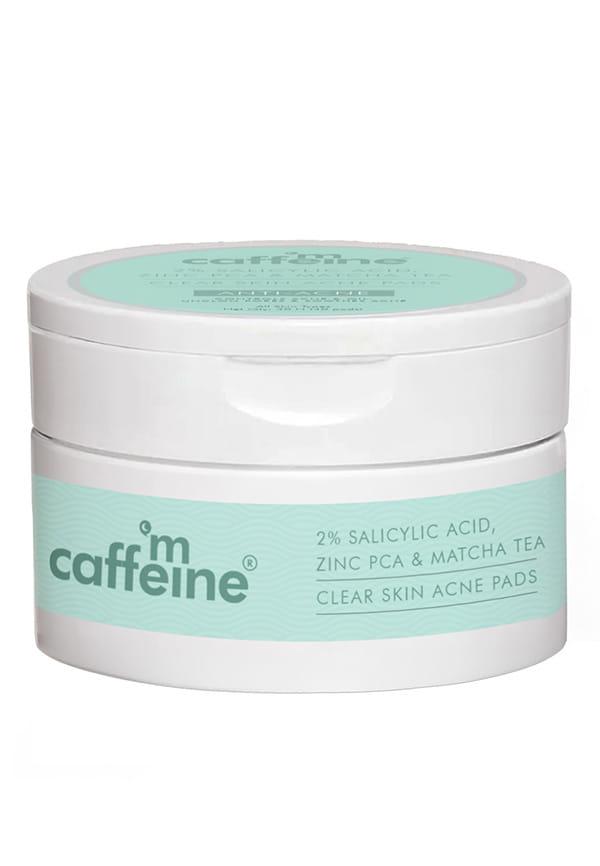
2% Salicylic Acid Zinc Pca & Matcha Tea Clear Skin Acne Pads
Once weekly zinc oxide masks can provide deeper treatment for stubborn areas. Combine with gentle exfoliation using AHAs to enhance zinc penetration and accelerate cell turnover. Always follow with extra hydration after intensive treatments.
During monsoon, increase zinc-based cleansing frequency to combat humidity-related breakouts. In summer, focus on lighter zinc formulations that won't feel heavy under sunscreen. Winter months may require additional moisturising to prevent zinc-induced dryness.
Yes, dietary zinc can significantly help with acne on Indian skin. Zinc reduces inflammation, regulates oil production, and supports faster healing of breakouts. Indian foods like dal, seeds, and nuts provide excellent zinc sources that work from within to clear skin.
Most people see initial improvements in 6-8 weeks, with significant clearing after 12 weeks of consistent zinc use. Complete clearance depends on acne severity and individual response, but patience with consistent use typically yields the best results.
Zinc doesn't bleach skin but helps regulate melanin production, which can fade dark spots from healed acne. This creates a more even skin tone rather than overall lightening, making it safe for all Indian skin tones.
For sensitive Indian skin, zinc is often gentler and equally effective as benzoyl peroxide. Zinc works with your skin's natural processes without causing the dryness and irritation that benzoyl peroxide can trigger in sensitive skin types.
Take zinc supplements on an empty stomach for best absorption, typically 1-2 hours before meals or 2-3 hours after eating. If stomach upset occurs, take with a small snack but avoid dairy or calcium-rich foods.
Topical zinc is generally safe during pregnancy, but always consult your doctor before starting any new supplement or treatment. Dietary zinc from food sources is typically safe and beneficial during pregnancy.
Yes, zinc is particularly effective for hormonal and cystic acne because it helps regulate hormone-related inflammation and reduces the severity of deep, painful breakouts common in these acne types.
Don't exceed 40mg of zinc daily without medical supervision. Too much zinc can interfere with copper absorption and cause nausea, headaches, or immune system problems. Stick to recommended dosages for safe, effective results.
Zinc offers a science-backed, gentle approach to managing acne that works particularly well for Indian skin. Whether through zinc-rich foods, targeted supplements, or topical treatments, this mineral addresses acne at multiple levels – reducing inflammation, regulating oil production, and supporting faster healing.
The key to success lies in consistency and patience. Your skin will notice improvements gradually, starting with reduced inflammation and progressing to fewer breakouts and faded dark spots. Remember that sustainable clear skin comes from supporting your skin's natural processes rather than fighting against them.
For those curious about trying zinc-based skincare products, Smytten's curated selection includes options from trusted brands that understand Indian skin needs. With over 28 million users discovering products through trial sizes, you can explore zinc treatments confidently before committing to full-size purchases. The platform's extensive range ensures you'll find zinc formulations that work with your skin type and climate challenges, making your journey to clearer skin both affordable and effective.
