How Tranexamic Acid Works: Dermatology Study Insights

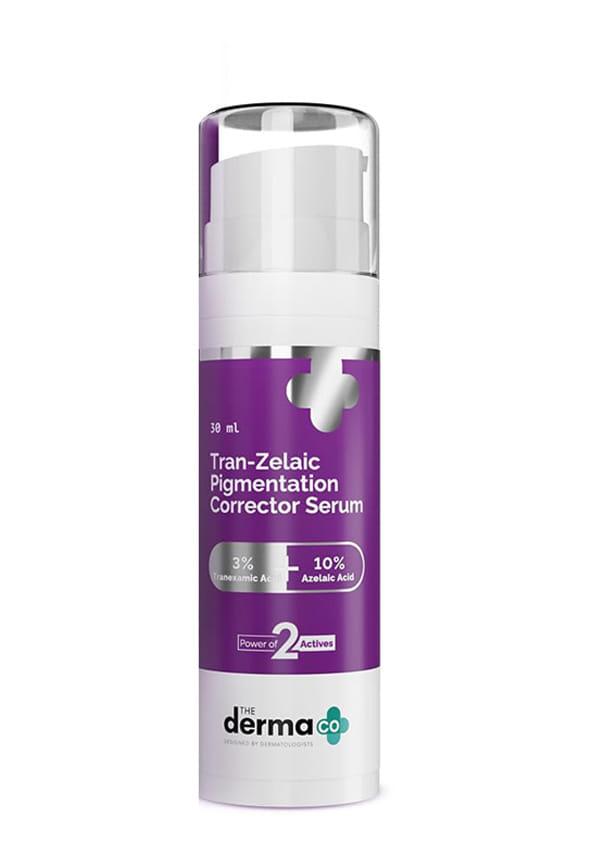
Tran-Zelaic Pigmentation Corrector Serum with Tranexamic Acid & Azelaic Acid
Ever wondered why dermatologists are raving about tranexamic acid? This powerhouse ingredient has been making waves in skincare circles, and for good reason. Originally developed for medical use, tranexamic acid has found its way into our skincare routines thanks to compelling research showing its effectiveness for various skin concerns. From tackling stubborn melasma to addressing post-inflammatory hyperpigmentation, the science behind this ingredient is pretty fascinating. Let's dive into what dermatology studies actually reveal about how tranexamic acid works and why it might just become your next skincare obsession.
Before we get into the nitty-gritty of dermatology studies, let's talk about what tranexamic acid actually is. This synthetic amino acid derivative was originally developed as an antifibrinolytic agent—basically, it helps control bleeding by preventing blood clots from breaking down too quickly. Pretty medical-sounding, right? But here's where it gets interesting for skincare enthusiasts.
The tranexamic acid dermatology studies overview shows that this ingredient works through multiple pathways when applied to skin. At its core, tranexamic acid inhibits plasmin, an enzyme that plays a role in melanin production. When plasmin is blocked, it reduces the activity of tyrosinase—the enzyme responsible for creating melanin. Think of it as putting the brakes on your skin's pigment-making machinery.
But that's not all. Research reveals that tranexamic acid benefits extend beyond just blocking melanin production. It also has anti-inflammatory properties, which means it can help calm irritated skin whilst working on pigmentation issues. This dual action makes it particularly effective for conditions where inflammation and pigmentation go hand in hand.
When we look at tranexamic acid for skin applications, the molecular mechanisms become quite fascinating. Studies show that it works by disrupting the interaction between keratinocytes (skin cells) and melanocytes (pigment-producing cells). This disruption reduces the transfer of melanin to skin cells, resulting in a more even skin tone.
Recent research has also highlighted its anti-angiogenic properties—meaning it can help reduce the formation of new blood vessels. This is particularly relevant for conditions like melasma, where increased blood flow can worsen pigmentation.
Now, let's get into the real evidence. The tranexamic acid dermatology studies overview from recent years paints a pretty compelling picture of this ingredient's effectiveness. Multiple randomised controlled trials have been conducted, and the results are quite promising.
A comprehensive meta-analysis of clinical trials showed that tranexamic acid demonstrated significant improvement in melasma severity scores compared to placebo treatments. In fact, studies reported improvement rates ranging from 60% to 90% in participants, depending on the application method and duration of treatment.
What's particularly interesting is that these studies used various assessment methods, including digital photography and melanin index measurements, to ensure objective results. The statistical significance was maintained across different study populations, which gives us confidence in the findings.
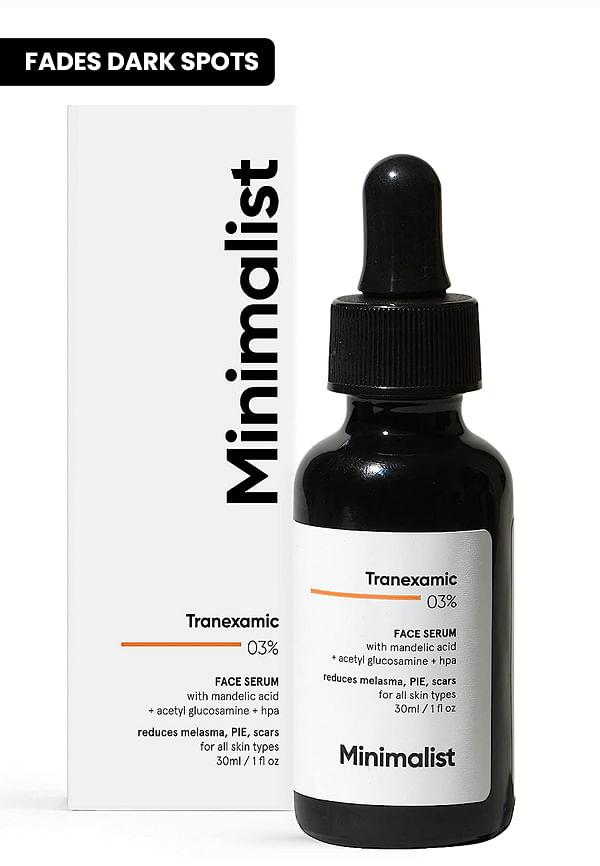
3% Tranexamic Acid Face Serum
One of the most fascinating aspects of tranexamic acid research is how different application methods compare. Studies have examined topical tranexamic acid, oral administration, and even intradermal injections to determine the most effective approach.
Topical applications showed excellent results with minimal side effects, making them ideal for long-term use. Oral tranexamic acid demonstrated faster results in some studies but came with more considerations regarding systemic effects. Intradermal injections, whilst effective, are obviously more invasive and require professional administration.
The research clearly shows that tranexamic acid uses in dermatology are quite diverse. From treating specific pigmentation disorders to general skin brightening, this ingredient has proven its worth across multiple applications.
When it comes to tranexamic acid melasma treatment, the evidence is particularly strong. Multiple studies have shown that tranexamic acid can significantly reduce melasma severity, with some trials reporting up to 75% improvement in pigmentation scores after 12 weeks of treatment.
What makes these results even more impressive is that melasma is notoriously difficult to treat. The fact that tranexamic acid shows consistent results across different study populations suggests it's a reliable option for this challenging condition.
Beyond melasma, tranexamic acid hyperpigmentation treatment has shown excellent results for post-inflammatory hyperpigmentation (PIH). Studies focusing on acne-related dark spots found that tranexamic acid could reduce pigmentation intensity by up to 50% over 8-12 weeks.
For general tranexamic acid skin brightening applications, research indicates that even individuals without specific pigmentation disorders can see improvements in overall skin radiance and evenness. This makes it a versatile ingredient for various skin concerns.
Recent studies have begun exploring tranexamic acid's potential beyond pigmentation. Some research suggests it might help with photoageing by reducing UV-induced inflammation. There's also emerging evidence for its use in treating certain types of chronic urticaria and hereditary angioedema.
Whilst these applications are still being researched, the initial findings are promising and suggest that tranexamic acid's benefits might extend far beyond what we currently understand.
Understanding the research is one thing, but knowing how to apply it in real-world tranexamic acid skincare is another. Studies have provided valuable insights into effective formulations and protocols that can guide both professionals and consumers.
Clinical trials have tested various concentrations of tranexamic acid, with most effective topical formulations ranging from 2% to 5%. Interestingly, higher concentrations didn't always translate to better results, suggesting there's an optimal range for effectiveness.
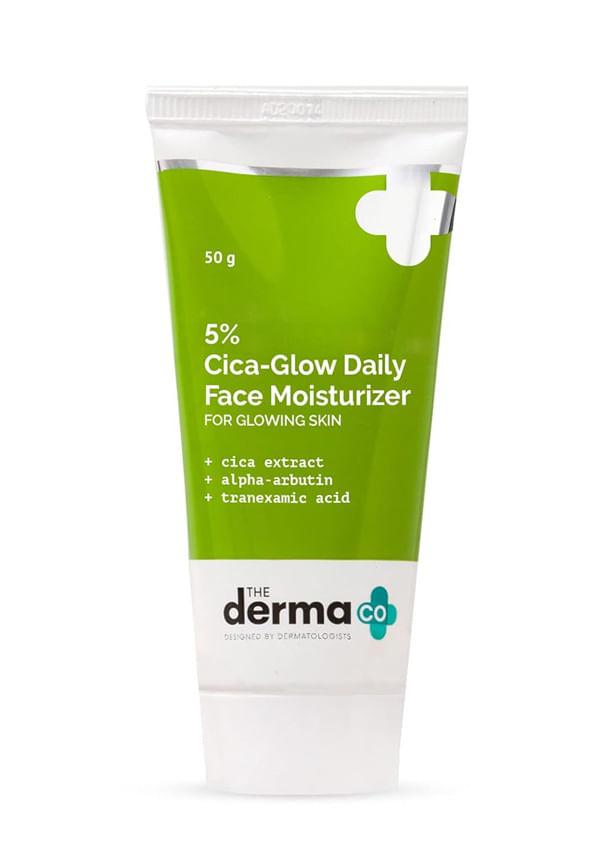
5% Cica-Glow Daily Face Moisturizer with Alpha Arbutin & Tranexamic Acid
Research has also explored combination therapies, with studies showing enhanced results when tranexamic acid is paired with ingredients like kojic acid, arbutin, or vitamin C. These combinations often showed synergistic effects, meaning the combined result was greater than the sum of individual ingredients.
Studies comparing professional treatments with at-home use reveal interesting patterns. Professional treatments, such as chemical peels containing tranexamic acid, showed faster initial results but required more downtime. At-home formulations took longer to show effects but offered better long-term compliance and fewer side effects.
This research suggests that the best approach might be a combination of both—professional treatments for initial improvement followed by at-home maintenance.
Any discussion of tranexamic acid dermatology studies overview wouldn't be complete without addressing safety. Fortunately, the research shows a generally favourable safety profile, but there are important considerations to keep in mind.
Studies consistently report that tranexamic acid side effects are generally mild and infrequent. The most commonly reported issues include mild skin irritation, redness, or dryness, particularly during the initial weeks of use. These effects typically resolve as the skin adjusts to the ingredient.
Importantly, research shows that topical tranexamic acid has minimal systemic absorption, which means it's unlikely to cause the blood-clotting concerns associated with oral or injectable forms. This makes topical formulations particularly safe for long-term use.
Clinical studies have identified certain factors that predict better outcomes with tranexamic acid treatment. Patients with recent-onset pigmentation tend to respond better than those with long-standing issues. Additionally, individuals with lighter skin types often see faster results, though all skin types can benefit with appropriate protocols.
Research also emphasises the importance of sun protection during treatment, as UV exposure can counteract the benefits and potentially worsen pigmentation.
The field of tranexamic acid dermatology continues to evolve, with ongoing research exploring new applications and improved delivery methods. Current studies are investigating novel formulations that could enhance penetration and effectiveness whilst minimising potential irritation.
Several exciting studies are currently underway, including research into tranexamic acid's potential for treating photoageing and its role in preventing pigmentation disorders. There's also growing interest in its anti-inflammatory properties and how these might benefit conditions beyond pigmentation.
Nanotechnology-based delivery systems are being explored to improve the stability and penetration of tranexamic acid formulations. These innovations could potentially make treatments more effective whilst reducing the frequency of application needed.
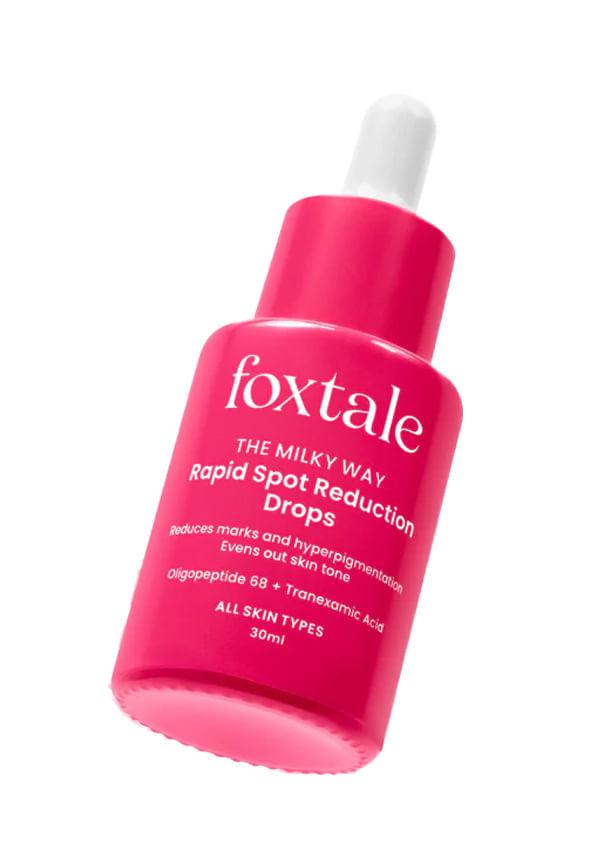
3% Tranexamic Acid & Peptide Serum for Hyperpigmentation, Reduces Marks
Dermatologists are increasingly optimistic about tranexamic acid's potential. Many experts believe we're only scratching the surface of its capabilities, with future research likely to uncover additional benefits and applications.
The trend towards combination therapies is also expected to continue, with researchers exploring how tranexamic acid can be paired with other active ingredients for enhanced results.
Clinical studies show that tranexamic acid can improve melasma severity by 60-90% over 12-24 weeks of consistent use. The effectiveness varies based on the severity of melasma, application method, and individual skin response.
Research indicates that topical formulations containing 2-5% tranexamic acid are most effective for hyperpigmentation. Higher concentrations don't necessarily provide better results and may increase the risk of irritation.
Topical tranexamic acid is generally safe for most people. However, individuals with a history of blood clotting disorders should consult a dermatologist before use. Pregnant and breastfeeding women should also seek medical advice.
Most studies report initial improvements within 4-6 weeks, with significant results visible after 8-12 weeks of consistent use. However, individual results may vary based on skin type and the severity of pigmentation.
Yes, research shows that tranexamic acid works well with ingredients like vitamin C, kojic acid, and arbutin. However, it's best to introduce new combinations gradually and monitor skin response.
Both forms are effective, but topical applications have fewer systemic side effects and are preferred for long-term use. Oral forms may work faster but require medical supervision due to potential blood-clotting effects.
The research on tranexamic acid is genuinely impressive, showing consistent results across multiple studies and applications. From melasma to general hyperpigmentation, this ingredient has proven its worth in the dermatology world. What's particularly exciting is how accessible it's becoming—you no longer need expensive professional treatments to benefit from this powerhouse ingredient.
If you're curious about trying tranexamic acid for yourself, platforms like Smytten make it easy to explore different formulations without the commitment of full-size purchases. With over 1,500 trusted brands available, you can discover tranexamic acid products from established names like Dot & Key and other innovative skincare brands. The beauty of Smytten's trial packs is that you can test how your skin responds to different concentrations and formulations before investing in full-size products. After all, why settle for guesswork when you can try it all and find what actually works for your skin?
