How Tranexamic Acid Treats Sun-Induced Pigmentation Effectively


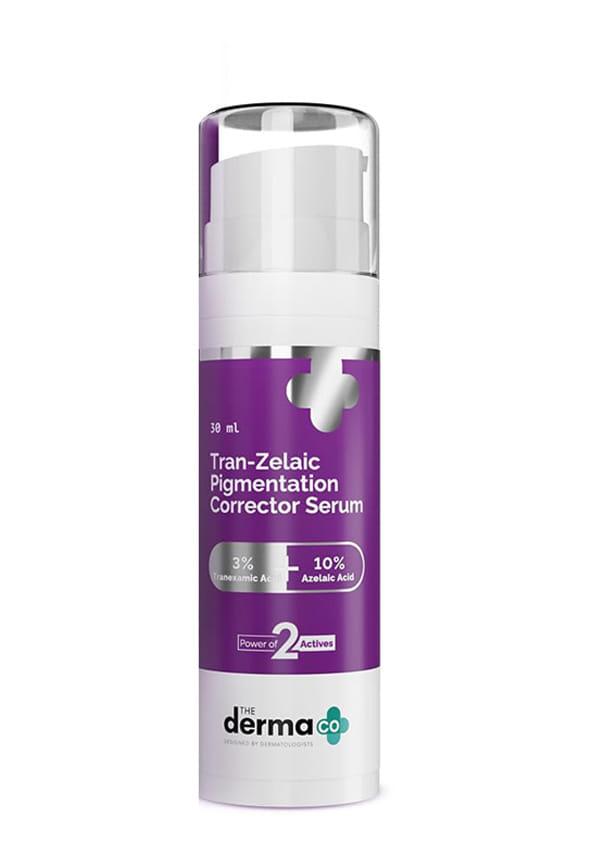
Tran-Zelaic Pigmentation Corrector Serum with Tranexamic Acid & Azelaic Acid
Let's be real—those stubborn dark spots from last summer's beach holiday are still making themselves known on your face, and you're probably wondering if they'll ever fade. If you've tried everything from vitamin C serums to kojic acid treatments without much luck, it might be time to discover tranexamic acid for sun induced pigmentation. This powerhouse ingredient has been quietly revolutionising how we tackle sunspots, melasma, and other forms of skin discolouration. Unlike harsh bleaching agents that can irritate your skin, tranexamic acid works intelligently to interrupt the pigmentation process at its source, making it worth a try for anyone dealing with persistent sun damage.
Sun-induced pigmentation isn't just about those obvious dark spots that appear after a holiday. It's your skin's way of trying to protect itself from UV damage, but sometimes this protective mechanism goes a bit overboard. When UV rays hit your skin, they trigger melanocytes (pigment-producing cells) to create more melanin, which should ideally distribute evenly. However, factors like hormones, genetics, and previous skin damage can cause this melanin to clump together, creating those frustrating patches of uneven skin tone.
The science behind sunspots treatment starts with understanding what's actually happening beneath your skin's surface. UV radiation doesn't just cause immediate damage—it creates a cascade of reactions that can continue affecting your skin long after you've left the beach.
Here's what's really going on:
UV-A rays penetrate deep into your skin, damaging the DNA of melanocytes
Inflammatory responses trigger excess melanin production as a protective measure
Cumulative damage from years of sun exposure creates persistent pigmentation patterns
Post-inflammatory hyperpigmentation can develop from even minor sun-related skin irritation
Your skin doesn't forget past sun damage, which is why pigmentation treatment often feels like an uphill battle. Each time you step into sunlight without proper protection, you're potentially reactivating dormant pigmentation pathways. This explains why some people notice their dark spots getting darker during summer months, even with regular sunscreen use.
Originally developed as a medication to control bleeding, tranexamic acid benefits extend far beyond its medical origins. Researchers discovered that this amino acid derivative has remarkable effects on melanin production, making it a game-changer for treating various forms of hyperpigmentation. Unlike traditional dark spots remover ingredients that work by exfoliating or bleaching the skin, tranexamic acid takes a more sophisticated approach.
The magic of tranexamic acid hyperpigmentation treatment lies in its ability to interrupt the communication between different skin cells. It works by blocking plasmin, an enzyme that plays a crucial role in the inflammation process that leads to excess melanin production.
Here's how tranexamic acid skin treatments work at the cellular level:
Plasmin inhibition reduces inflammatory signals that trigger melanin overproduction
Tyrosinase activity reduction directly decreases melanin synthesis
Melanin transfer blocking prevents pigment from reaching the skin's surface
Anti-inflammatory effects help prevent new pigmentation from forming
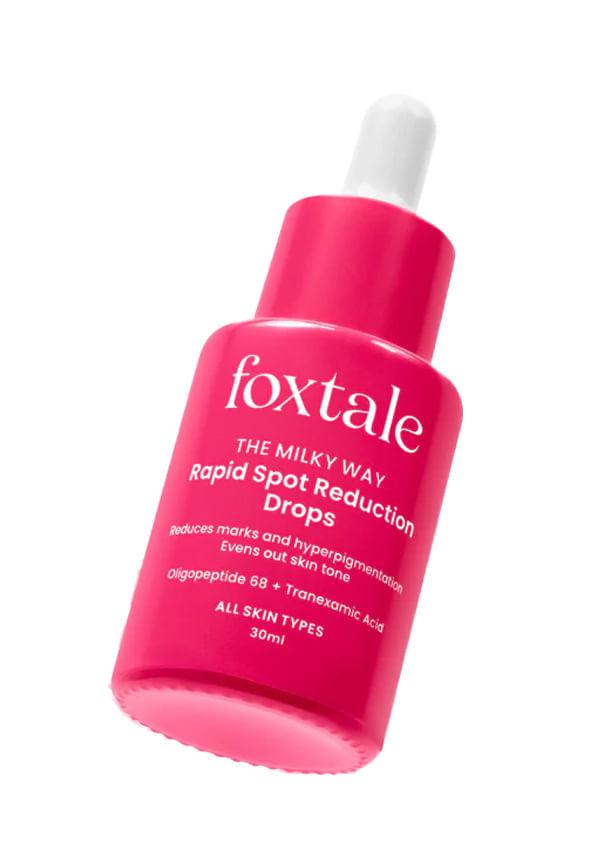
3% Tranexamic Acid & Peptide Serum for Hyperpigmentation, Reduces Marks
What makes tranexamic acid particularly effective for melasma treatment and other stubborn pigmentation issues is its gentle yet powerful approach. Unlike hydroquinone, which can cause irritation and rebound pigmentation, tranexamic acid works with your skin's natural processes rather than against them.
The skincare world is full of ingredients promising to fade dark spots, but not all are created equal. Understanding how tranexamic acid stacks up against other popular options can help you make smarter choices for your specific skin concerns. Real talk—some ingredients work better for certain types of pigmentation than others.
Both ingredients target pigmentation, but they take different routes to get there. Kojic acid works by inhibiting tyrosinase (the enzyme responsible for melanin production), while tranexamic acid tackles the inflammatory pathways that trigger excess pigmentation in the first place.
Key differences include:
Tolerance levels: Tranexamic acid is generally gentler and less likely to cause irritation
Effectiveness on melasma: Tranexamic acid shows superior results for hormone-related pigmentation
Stability: Tranexamic acid formulations tend to be more stable than kojic acid products
Combination potential: Tranexamic acid pairs well with other actives without increasing sensitivity
Vitamin C and arbutin are skincare favourites, but they work differently than tranexamic acid. Vitamin C provides antioxidant protection and mild brightening effects, while arbutin gently inhibits melanin production. Tranexamic acid, however, addresses the root inflammatory causes of pigmentation.
You've got options when it comes to incorporating tranexamic acid into your routine. Both topical and oral forms have their place in pigmentation treatment, and the best choice depends on your specific needs, skin sensitivity, and the severity of your pigmentation concerns.
Tranexamic acid serum is often the go-to choice for most people dealing with localised pigmentation issues. Topical formulations allow you to target specific areas while minimising systemic exposure, making them suitable for long-term use.
When choosing a tranexamic acid serum, look for:
Concentration between 2-5% for optimal effectiveness without irritation
pH-balanced formulations that maintain ingredient stability
Complementary ingredients like niacinamide or alpha arbutin
Lightweight textures that layer well with other skincare products
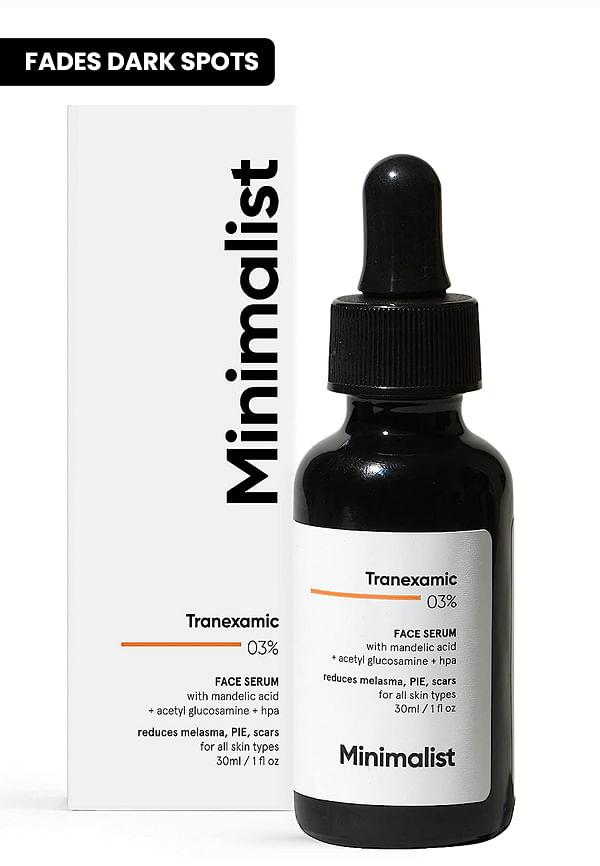
3% Tranexamic Acid Face Serum
For widespread pigmentation or particularly stubborn melasma, oral tranexamic acid might be worth considering under medical supervision. This approach can be especially effective for hormone-related pigmentation that doesn't respond well to topical treatments alone.
Managing expectations is crucial when starting any pigmentation treatment. Tranexamic acid isn't a magic eraser that works overnight, but it does deliver consistent, gradual improvements that build over time. Understanding the typical timeline helps you stay motivated and track your progress effectively.
The first few weeks of using tranexamic acid for sun induced pigmentation might feel like nothing's happening, but your skin is actually working hard beneath the surface. Most people start noticing subtle changes around the 4-week mark, with more obvious improvements becoming visible by week 8.
Here's a realistic timeline:
Weeks 1-2: Skin may appear slightly brighter and more even
Weeks 3-4: Lighter pigmentation spots begin to fade noticeably
Weeks 6-8: Deeper pigmentation starts showing improvement
Weeks 10-12: Maximum benefits typically become visible
The key to maintaining your results lies in consistent use and proper sun protection. Since tranexamic acid works by modulating ongoing pigmentation processes rather than permanently altering them, stopping treatment can lead to gradual return of pigmentation, especially with continued sun exposure.
While tranexamic acid is generally well-tolerated, understanding proper usage guidelines ensures you get the best results while minimising any potential risks. Like any active ingredient, it's worth knowing who should use it, how to use it safely, and what to watch out for.
Tranexamic acid works well for most skin types and tones, making it particularly valuable for people who haven't had success with other pigmentation treatments. It's especially effective for those dealing with melasma, post-inflammatory hyperpigmentation, and stubborn sunspots.
Ideal candidates include:
People with sensitive skin who can't tolerate stronger actives like hydroquinone
Those with hormone-related pigmentation such as melasma or pregnancy-related dark spots
Anyone seeking gentle yet effective treatment for various types of hyperpigmentation
Individuals looking for long-term maintenance after other pigmentation treatments
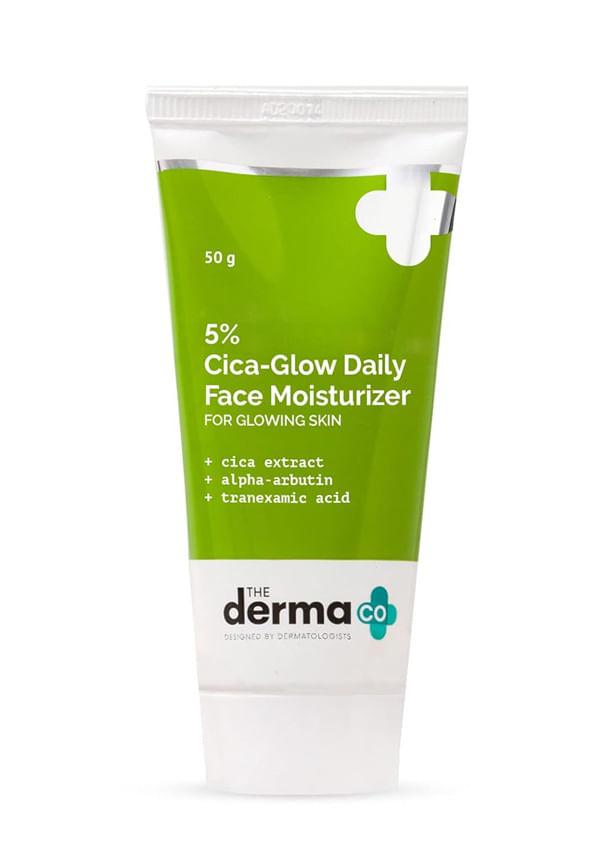
5% Cica-Glow Daily Face Moisturizer with Alpha Arbutin & Tranexamic Acid
Topical tranexamic acid is remarkably gentle, with most people experiencing little to no side effects. However, it's always wise to patch test new products and introduce them gradually into your routine.
For those considering Smytten's curated selection of skincare products, trying tranexamic acid formulations through trial-sized versions can be a smart way to test compatibility before committing to full-size products. With over 1,500 trusted brands available, including established names like Cetaphil and Dot & Key, you can explore different tranexamic acid formulations to find your perfect match. The platform's trial approach means you can discover what works for your specific pigmentation concerns without the financial risk of purchasing full-size products that might not suit your skin.
Tranexamic acid effectively reduces hyperpigmentation by inhibiting melanin synthesis, but maintenance treatment is typically needed to prevent recurrence, especially with continued sun exposure. Think of it as managing rather than permanently curing pigmentation.
Tranexamic acid is particularly effective against sunspots, melasma, and post-inflammatory hyperpigmentation, with significant improvement visible after 8-12 weeks of consistent use. Complete removal depends on the depth and age of the pigmentation.
Since tranexamic acid works by pausing melanin synthesis rather than permanently altering it, pigmentation can return after discontinuing treatment, making ongoing maintenance important for sustained results.
Most users notice initial brightening within 4-6 weeks, with maximum effects typically visible after 8-12 weeks of consistent daily application. Patience is key with any pigmentation treatment.
Yes, tranexamic acid plays well with most other ingredients, including vitamin C, niacinamide, and gentle exfoliants. However, introduce new combinations gradually to monitor your skin's response.
Tranexamic acid represents a gentler, science-backed approach to treating sun-induced pigmentation that actually works with your skin rather than against it. Whether you're dealing with stubborn melasma, persistent sunspots, or general uneven skin tone, this ingredient offers hope for clearer, more radiant skin without the harsh side effects associated with traditional bleaching agents.
The journey to fading pigmentation requires patience and consistency, but tranexamic acid makes it more manageable and sustainable. Remember that protecting your skin from further sun damage is just as important as treating existing pigmentation—think of it as a two-pronged approach to maintaining your results.
With Smytten's extensive range of skincare options from trusted brands, you can explore tranexamic acid formulations through affordable trial sizes before making larger commitments. The platform's unique approach of offering up to 8 minis for just ₹249, plus 100% cashback redeemable for future purchases, makes it easier than ever to find your ideal pigmentation treatment. After all, why settle for 'maybe' when you can Try It All and discover what truly works for your skin?
