How to Use Vitamin C to Tackle Uneven Skin Tone Naturally


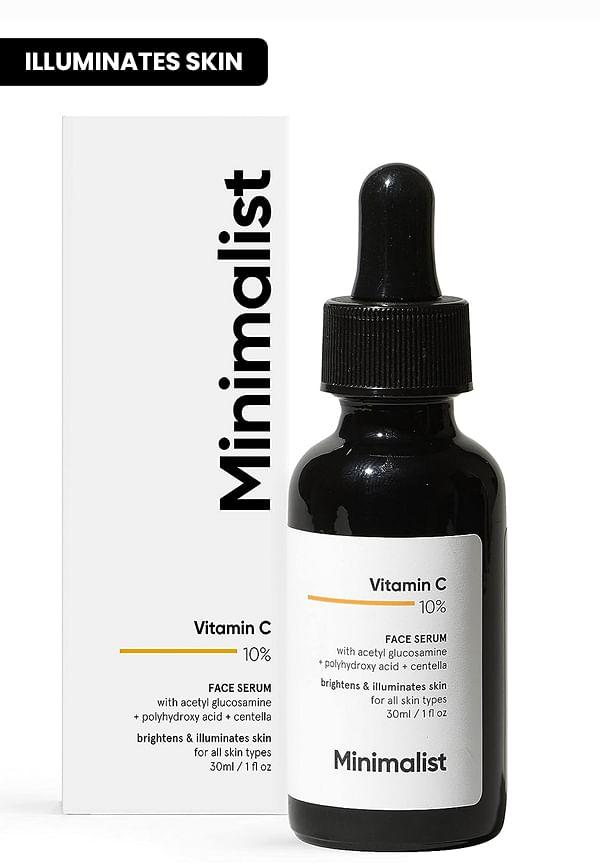
10% Vitamin C Face Serum For Skin Brightening & Reduce Sun Damage
Ever looked in the mirror and felt frustrated by patches of darker skin, stubborn dark spots, or that overall uneven complexion that makeup just can't seem to fix? You're definitely not alone in this struggle. Studies show that nearly 73% of people deal with some form of uneven skin tone, whether it's from sun damage, acne scars, or just the natural ageing process. The good news? There's a science-backed solution that's been quietly working wonders in skincare routines worldwide: vitamin C for uneven skin tone. This powerhouse ingredient doesn't just promise results—it delivers them, naturally and effectively.
Before diving into solutions, let's get real about what's actually happening beneath your skin's surface. Uneven skin tone isn't just a cosmetic concern—it's your skin's way of responding to various internal and external factors that disrupt its natural balance.
Your skin produces melanin through specialised cells called melanocytes, and when this process goes a bit haywire, you end up with skin discoloration. Think of it like an overzealous printer that keeps putting too much ink in certain spots. Sun exposure is the biggest culprit here—those UV rays trigger your skin to produce extra melanin as protection, but sometimes it gets deposited unevenly.
Hormonal changes, particularly during pregnancy or whilst taking contraceptives, can also mess with melanin production. Then there's post-inflammatory hyperpigmentation—basically, your skin's dramatic response to acne, cuts, or any trauma that leaves behind dark marks as souvenirs.
Here's where vitamin C benefits for skin become absolutely fascinating. This ingredient works like a skilled mediator, stepping in to regulate melanin production at the source. It inhibits an enzyme called tyrosinase, which is basically melanin's best friend—without it, melanin production slows down significantly.
But vitamin C doesn't stop there. As a potent antioxidant, it fights off free radicals that cause cellular damage and accelerate ageing. Plus, it stimulates collagen production, which helps improve overall skin texture and creates that plump, healthy glow we're all after.
Not all vitamin C products are created equal, and choosing the right one can make the difference between seeing real results and wasting your money on something that oxidises before it even touches your skin.
When hunting for the best vitamin C serum for hyperpigmentation, concentration is key. For beginners or sensitive skin types, start with 10-15% concentration. If your skin can handle it and you're dealing with stubborn dark spots, you can work up to 20%. Going higher than that often leads to irritation without additional benefits.
Look for stable forms of vitamin C like L-ascorbic acid (the most potent), magnesium ascorbyl phosphate (gentler), or sodium ascorbyl phosphate (great for acne-prone skin). The packaging matters too—dark glass bottles or opaque containers protect the vitamin C from light and air, which can cause it to oxidise and become ineffective.
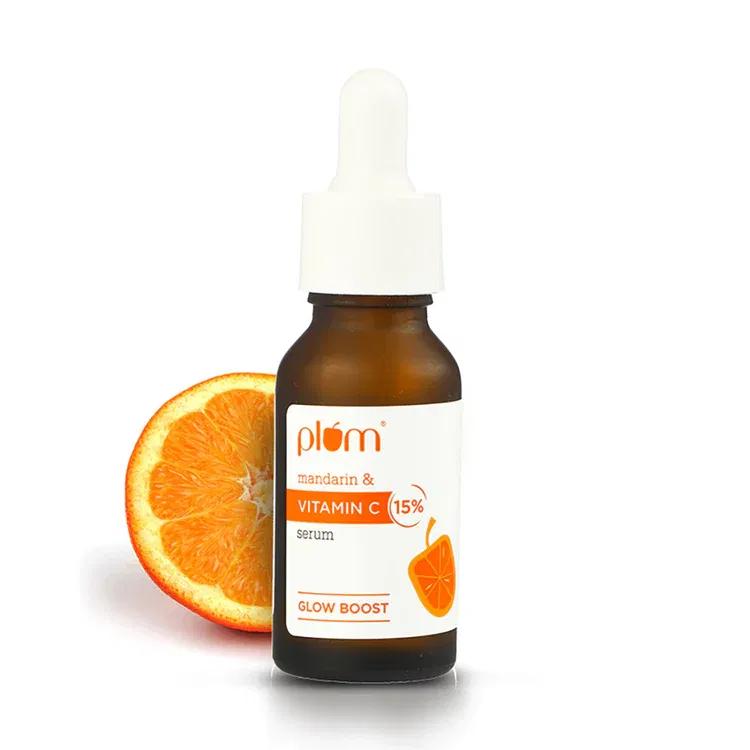
15% Vitamin C Face Serum with Mandarin
A brightening serum typically offers the highest concentration and fastest absorption compared to creams or oils. Serums have smaller molecules that penetrate deeper into the skin, making them more effective for targeting specific concerns like dark spots.
Vitamin C capsules or powders can be incredibly potent since they're mixed fresh, but they require more effort and can be tricky to get the concentration right. For most people, a well-formulated serum offers the perfect balance of effectiveness and convenience.
Getting the application right is crucial for seeing results. Think of it like following a recipe—miss a step or get the order wrong, and you won't get the outcome you're hoping for.
The best time to use vitamin C for face is in the morning, when it can provide antioxidant protection throughout the day. Start with a gentle cleanser to prep your skin—avoid anything too harsh that might disrupt your skin's pH balance.
Apply your vitamin C serum to clean, dry skin using gentle patting motions. Don't rub it in aggressively; let it absorb naturally over 10-15 minutes. Follow with a moisturiser to lock in hydration, then finish with broad-spectrum SPF 30 or higher. This last step isn't optional—vitamin C can make your skin more photosensitive initially.
If you have sensitive skin, patience is your best friend. Start by using your vitamin C serum every other day for the first week, then gradually increase to daily use. Some people experience mild tingling or redness initially—this is normal and usually subsides as your skin builds tolerance.
Always do a patch test first. Apply a small amount to your inner arm and wait 24 hours to check for any adverse reactions. If you experience persistent irritation, switch to a lower concentration or a gentler form of vitamin C.
Different types of pigmentation require slightly different approaches. Understanding what you're dealing with helps you set realistic expectations and choose the most effective treatment strategy.
Post-inflammatory hyperpigmentation from acne responds well to vitamin C, but it takes patience. These dark marks can take 3-6 months to fade significantly. Sun spots and age spots are often more stubborn, requiring consistent use for 6-12 months to see dramatic improvement.
For melasma or hormonal pigmentation, vitamin C works best as part of a comprehensive approach. While it can help prevent new spots from forming and gradually lighten existing ones, these conditions often require professional treatment alongside your at-home routine.
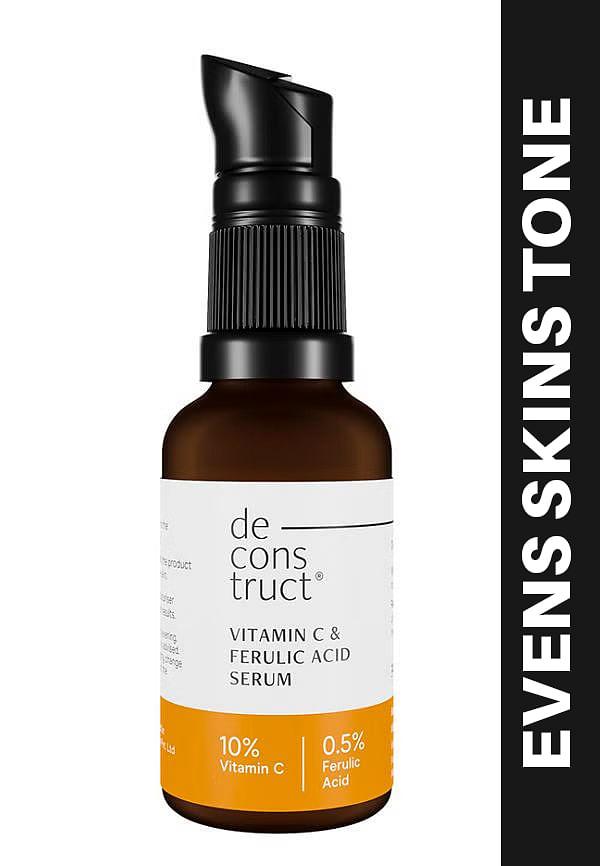
Vitamin C & Ferulic Acid Serum
Vitamin C plays well with many other ingredients, but timing and combinations matter. Niacinamide and vitamin C can be used together despite old myths suggesting otherwise—just apply them at different times of day or look for products that combine them in stable formulations.
Avoid using vitamin C with retinoids or AHAs/BHAs at the same time, as this can cause irritation. Instead, use vitamin C in the morning and these other actives in the evening. Hyaluronic acid and vitamin E are excellent companions that enhance vitamin C's effectiveness and provide additional hydration.
Managing expectations is crucial for sticking with your routine long enough to see real results. Vitamin C isn't a quick fix, but it's incredibly effective when used consistently.
In the first 1-2 weeks, you might notice your skin looking brighter and more radiant overall. This is the antioxidant effect kicking in, protecting your skin from daily environmental damage. Around week 3-6, you should start seeing existing dark spots beginning to fade, though the change might be subtle at first.
The real magic happens between months 2-3, when you'll likely notice significant improvement in overall tone evenness and texture. By this point, new dark spots should be forming much less frequently, and existing ones should be noticeably lighter.
If your vitamin C serum starts turning brown or orange, it's oxidised and needs replacing. Store your products in a cool, dark place—some people even keep them in the fridge. If you're not seeing results after 8-10 weeks of consistent use, consider increasing the concentration or switching to a different form of vitamin C.
Initial purging or increased sensitivity is normal for the first few weeks. However, if irritation persists beyond a month, scale back usage or consult a dermatologist.
While topical vitamin C is powerful on its own, supporting it with the right lifestyle choices can accelerate your results and help maintain them long-term.
Your diet plays a bigger role than you might think. Foods rich in vitamin C, like citrus fruits, berries, and leafy greens, support your skin from the inside out. Staying hydrated helps your skin maintain its barrier function, making topical treatments more effective.
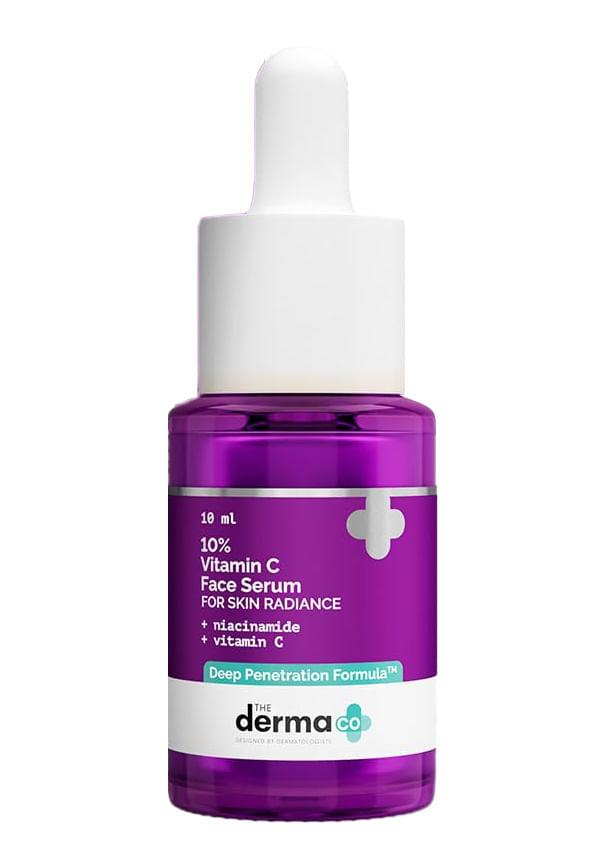
10% Vitamin C Face Serum with Vitamin C, 5% Niacinamide & Hyaluronic Acid
Quality sleep is non-negotiable—this is when your skin does most of its repair work. Chronic stress can worsen pigmentation issues, so finding healthy ways to manage stress levels can actually improve your skin tone results.
For stubborn pigmentation, combining professional treatments with your vitamin C routine can accelerate results. Chemical peels, microneedling, or laser treatments can be incredibly effective when done by qualified professionals, but they should complement, not replace, your daily vitamin C routine.
This is where platforms like Smytten become incredibly valuable. With access to trial packs from over 1,500 trusted brands, you can experiment with different vitamin C formulations without committing to full-size products. Whether you're trying Dot & Key's vitamin C serum or exploring options from Cetaphil, getting up to 8 minis for just ₹249 lets you find your perfect match without the financial risk.
Absolutely. Vitamin C effectively treats uneven skin tone by inhibiting melanin production, fading dark spots, and providing antioxidant protection. Clinical studies show visible improvements in 4-6 weeks with consistent daily use.
Daily vitamin C application is safe and beneficial for most skin types. It provides cumulative brightening effects, antioxidant protection, and collagen support. Start with lower concentrations if you have sensitive skin.
Combine vitamin C serum (10-20%) with consistent sunscreen use, gentle exfoliation, and a healthy lifestyle. Natural methods take 6-12 weeks for significant results.
Vitamin C prevents new dark spots and brightens overall tone, while azelaic acid targets existing stubborn pigmentation. For severe melasma or persistent spots, azelaic acid may be more effective.
While possible, vitamin C is most effective when applied in the morning for antioxidant protection. Evening use should be followed by thorough sunscreen application the next day.
Using vitamin C for uneven skin tone isn't just about applying a serum and hoping for the best—it's about understanding your skin, choosing the right products, and maintaining consistency. The science is solid, the results are proven, and with the right approach, you can achieve that naturally radiant, even-toned complexion you've been dreaming of.
Remember, skincare is deeply personal, and what works for your friend might not work for you. That's why trying different formulations and concentrations is so important. With Smytten's extensive collection of skincare minis from trusted brands, you can explore various vitamin C options without the commitment of full-size purchases. Plus, with 100% cashback on trial orders, discovering your perfect dark spot corrector becomes both affordable and rewarding. After all, why settle for 'maybe' when you can try it all and find exactly what your skin needs?
