How to Use Vitamin C Serum for Pigmentation Fast

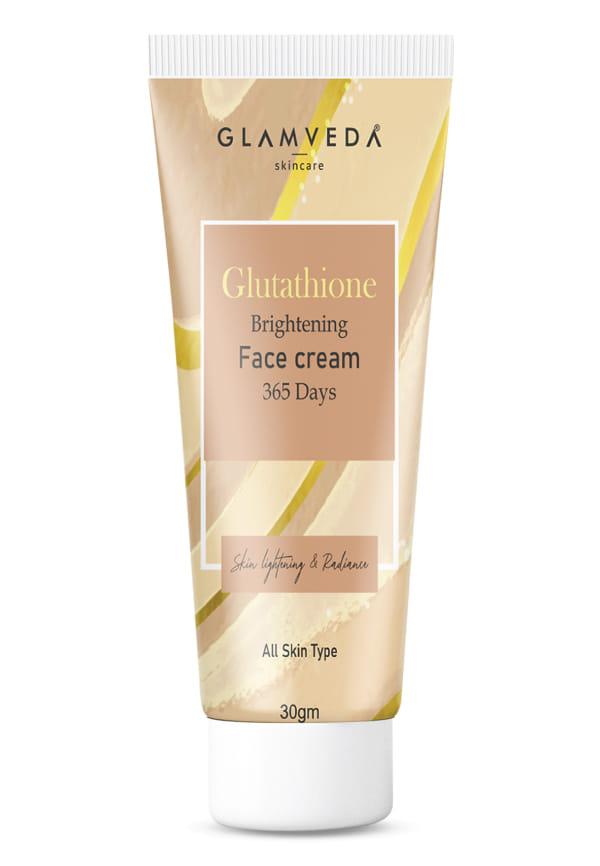
Glutathione Brightening Face Cream Reduce Dark spots & Age spots with Vitamin C
Effective for Brightening & Hydration
 4
4“Lightweight cream brightens skin and hydrates well.See improved radiance and slightly faded dark spots with regular use. Results vary; not dramatic for deep aging lines or spots”
Positive Product Review
4“good product , nice smell, I like it”
Excellent Cream
5“this is the best cream and smell is too good”
Dark spots, uneven skin tone, and stubborn pigmentation can feel like they're here to stay. But here's the thing—vitamin C serum for pigmentation might just be your skin's new best friend. This powerhouse ingredient has been making waves in the skincare world, and for good reason. It's not just about the glow (though that's a lovely bonus). Vitamin C actually works at a cellular level to tackle those pesky dark spots and help you achieve that even, radiant complexion you've been dreaming of. Let's dive into how to use it properly for the fastest, most effective results.
Vitamin C isn't just another trendy skincare ingredient—it's a scientifically-backed hyperpigmentation treatment that actually works. The magic happens when vitamin C (specifically L-ascorbic acid) gets to work inhibiting tyrosinase, the enzyme responsible for melanin production. Think of it as putting the brakes on your skin's pigment-making process. What's brilliant about vitamin C for skin is its dual action approach. Not only does it help fade existing dark spots, but it also prevents new ones from forming. This antioxidant powerhouse neutralises free radicals from UV exposure and pollution—the very culprits that trigger skin discoloration in the first place.
Vitamin C serum works wonders on various types of pigmentation. Post-inflammatory hyperpigmentation (those marks left behind after breakouts) responds particularly well to consistent vitamin C use. Sun spots and age spots also show significant improvement, though they might take a bit longer to fade completely. Melasma, the trickier cousin of pigmentation issues, can also benefit from vitamin C treatment, though it often requires a more comprehensive approach. The key is understanding that different types of skin discoloration respond at different rates.
Clinical studies have shown some pretty impressive results when it comes to vitamin C serum benefits. Research indicates that consistent use of vitamin C can reduce pigmentation by up to 25% in just 8-12 weeks. But here's what makes it even more exciting—vitamin C doesn't just work as a dark spot corrector. This skin brightening serum also boosts collagen production, which means you're getting anti-ageing benefits alongside your pigmentation treatment. It's like hitting two birds with one stone, except much more gentle and effective.
Whilst ingredients like hydroquinone and kojic acid are also effective for pigmentation, vitamin C offers a gentler approach with fewer side effects. It's also more stable in modern formulations and plays well with other skincare ingredients. The antioxidant properties of vitamin C give it an edge over purely exfoliating treatments. Instead of just removing pigmented skin cells, it actually helps prevent the formation of new pigmentation.
Getting the application right is crucial for seeing results with your serum for dark spots. The good news? It's simpler than you might think, but the details matter. Start with freshly cleansed skin—this isn't the time to skip your cleanser. Pat your face dry and wait a minute or two before applying your vitamin C serum. This gives your skin's pH time to balance, which helps with absorption.
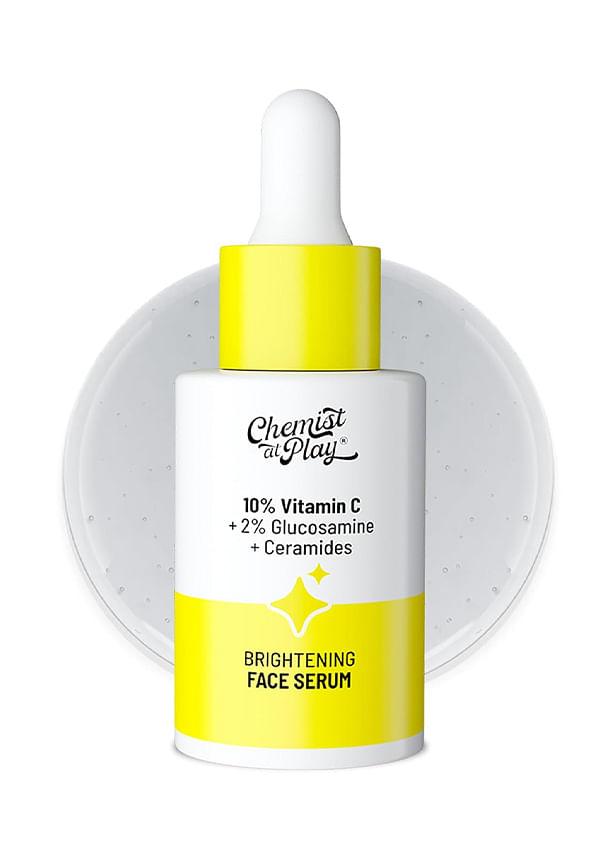
10% Vitamin C Face Serum | Brightens & adds Glow | Treats Dark Spots
Best Skin Brightening Face Serum
4“Vitamin C face serum, best skin brightening best”
Very good, used it
5“Baghut acchha he use kardiya. ”
Good Product & Fast Delivery
5“very good product.... very fast delivery”
Here's where it gets interesting—whilst many people swear by morning application, evening use can be just as effective. Morning application pairs beautifully with sunscreen (which you should be wearing anyway), but if your skin is sensitive, evening might be your sweet spot. Apply 3-4 drops of serum to your fingertips and gently pat it into your skin. Don't rub vigorously—think gentle pressing motions rather than massage. Focus on areas with visible pigmentation, but don't neglect the rest of your face.
The golden rule: thinnest to thickest consistency. Your vitamin C serum goes on after cleansing and toning but before moisturiser and sunscreen. If you're using other serums, vitamin C typically goes first, followed by hyaluronic acid or niacinamide. Wait about 10-15 minutes before applying your next product. This gives the vitamin C time to absorb properly and work its magic.
Not all vitamin C serums are created equal, and finding the best vitamin C serum for your specific pigmentation concerns requires a bit of know-how. Concentration matters, but more isn't always better. For beginners dealing with uneven skin tone, start with 10-15% vitamin C. This gives your skin time to adjust whilst still providing effective results. If you've been using vitamin C for a while and want to tackle stubborn pigmentation, 20% formulations can be more effective.
L-ascorbic acid is the gold standard, but it can be irritating for sensitive skin. Magnesium ascorbyl phosphate and sodium ascorbyl phosphate are gentler alternatives that still deliver results. Look for serums that include complementary ingredients like ferulic acid (which stabilises vitamin C) or vitamin E (which enhances its effectiveness). Niacinamide is another brilliant addition that helps with pigmentation whilst reducing potential irritation.
Vitamin C is notoriously unstable, so packaging can make or break your serum's effectiveness. Dark glass bottles or airless pump dispensers protect the formula from light and air exposure. If your serum turns brown or orange, it's oxidised and won't be as effective.
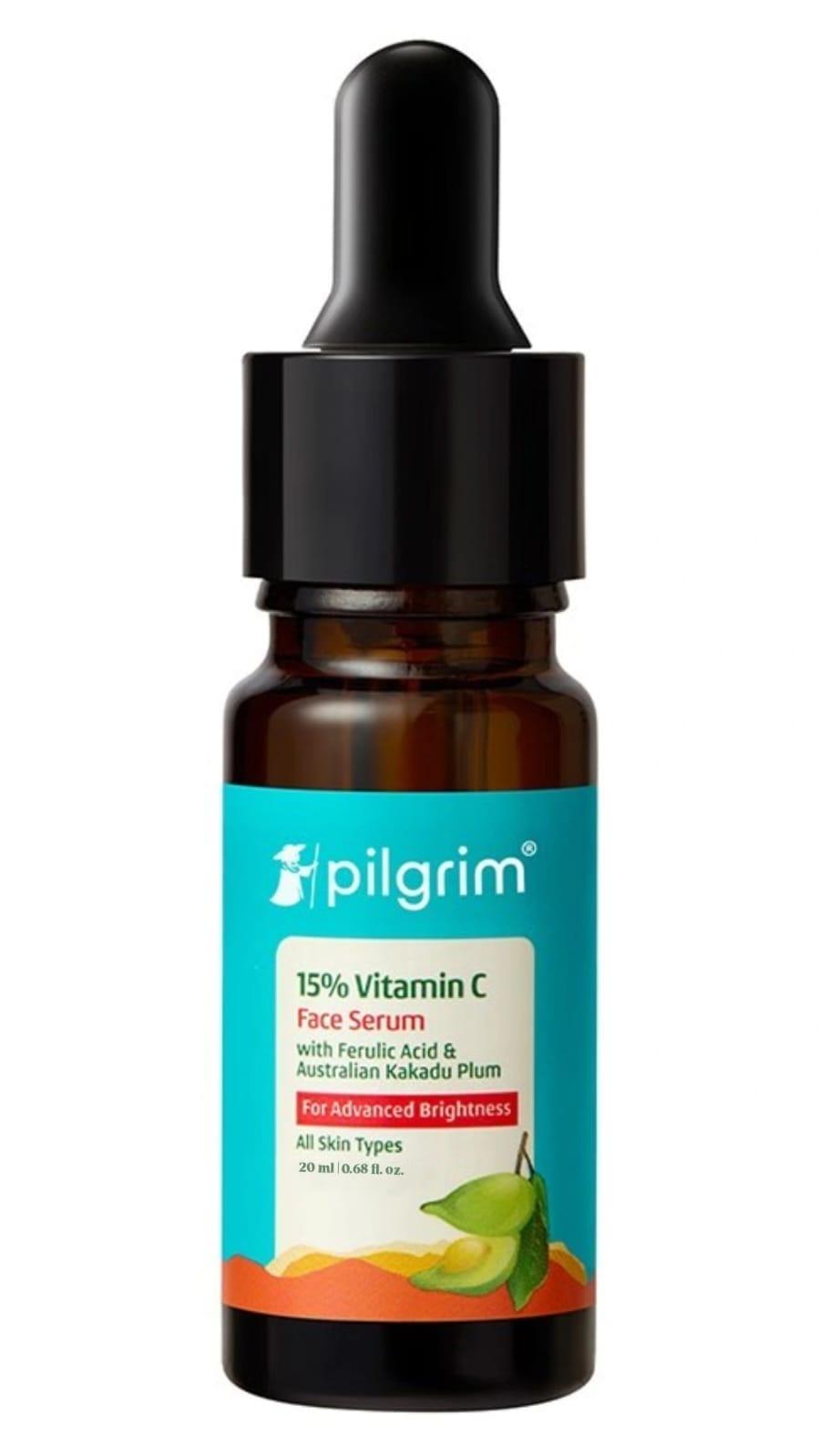
15% Vitamin C Face Serum For Advanced Brightness
Amazing Product Performance
5“best product .it's work amazing”
Lightweight & Good for Daily Use
4“light weight and good for daily use”
Lightweight & Good for Daily Use
4“light weight and good for daily use”
Let's talk about pigmentation removal timelines because managing expectations is crucial for success. You won't wake up with perfect skin after one night (wouldn't that be lovely?), but you will start seeing changes sooner than you might expect. Weeks 1-2: Your skin might look brighter overall, and you may notice a subtle glow. Some people experience mild irritation during this adjustment period—this is normal. Weeks 3-6: This is when the magic starts happening. Dark spots begin to lighten, and your overall skin tone starts looking more even. The changes are gradual but noticeable.
Several factors influence how quickly you'll see pigmentation fade. Newer dark spots typically respond faster than older, more established pigmentation. Your skin type also plays a role—oily skin often sees faster results due to better product penetration. Consistent use is absolutely crucial. Skipping days here and there will slow down your progress significantly. Think of it like going to the gym—consistency trumps intensity every time.
Even with the best intentions, it's easy to make mistakes that can slow down your progress or cause irritation. One of the biggest errors is using too much product. More isn't better with vitamin C—a few drops are plenty for your entire face. Another common mistake is mixing vitamin C with certain ingredients that can reduce its effectiveness. Avoid using it directly with retinol or benzoyl peroxide, as these can cause irritation or neutralise the vitamin C.
Vitamin C serums don't last forever, and using an oxidised product won't give you the results you're after. If your serum has changed colour (turning yellow, orange, or brown), developed a strange smell, or the texture has changed significantly, it's time for a new bottle. Store your serum in a cool, dark place—your bathroom cabinet is perfect. Some people even keep theirs in the fridge for extra stability.
Whilst vitamin C serum is powerful on its own, combining it with other good skincare practices will amplify your results. Sunscreen is non-negotiable—UV exposure can undo all your hard work and create new pigmentation. Gentle exfoliation once or twice a week can help remove pigmented skin cells and allow your vitamin C to penetrate better. Just don't overdo it—over-exfoliation can actually make pigmentation worse.
What you put in your body affects what you see on your skin. Foods rich in antioxidants (berries, leafy greens, nuts) support your skin's natural repair processes. Staying hydrated and getting enough sleep also play crucial roles in skin health and healing. Stress can worsen pigmentation, particularly melasma. Finding healthy ways to manage stress—whether through exercise, meditation, or hobbies you enjoy—can support your skincare efforts. With platforms like Smytten, you can explore different vitamin C formulations through trial sizes before committing to full-size products. This approach lets you test how your skin responds to different concentrations and formulations without the financial commitment of buying full-size products that might not work for you.
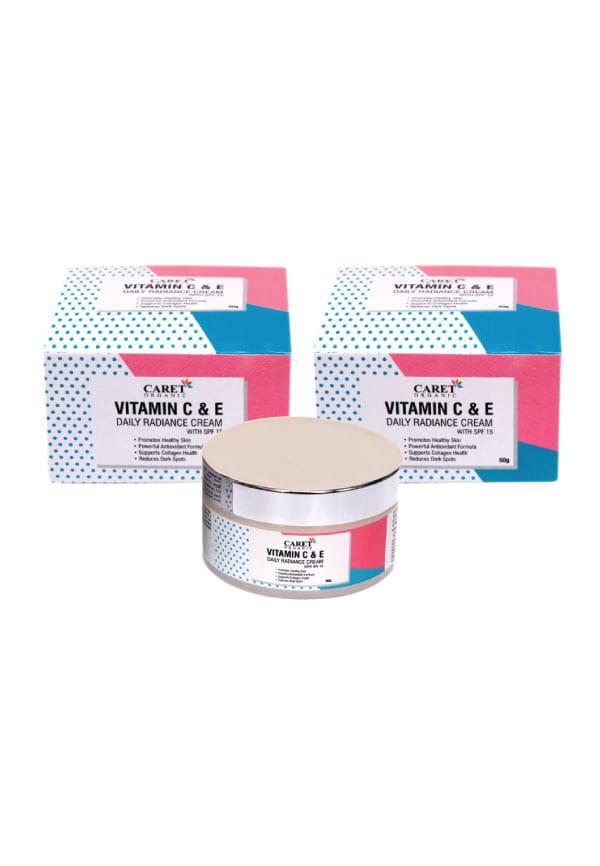
Daily Radiance Light Cream With Vitamin C, E & Spf 15 For Dark Spots & Anti- Wrinkle- No Mineral Oil , Alcohol Or Paraben
Lightweight, Non-Sticky Cream
5“very good and light weight non sticky cream”
Most people start seeing initial brightening within 2-3 weeks, with more significant pigmentation fading occurring around 6-8 weeks of consistent use. Stubborn dark spots may take 3-6 months to fade significantly.
Yes, but timing matters. Vitamin C pairs well with niacinamide and hyaluronic acid. However, avoid mixing it directly with retinol or AHA/BHA exfoliants—use these at different times of day.
For most people starting their vitamin C journey, 20% can be too intense and may cause irritation. Start with 10-15% and gradually work your way up if needed.
Vitamin C can benefit all skin types, but sensitive skin may need gentler formulations or lower concentrations. Those with very sensitive skin might prefer magnesium ascorbyl phosphate over L-ascorbic acid.
Once your skin has adjusted (usually after 1-2 weeks), daily use is generally safe and most effective. However, if you experience irritation, reduce frequency to every other day.
Using vitamin C serum for pigmentation effectively comes down to consistency, patience, and choosing the right product for your skin. Start slowly, be consistent with application, and give your skin time to show results. Remember that pigmentation didn't appear overnight, and it won't disappear overnight either. The journey to clearer, more even skin is definitely worth it, especially when you have access to trial sizes that let you find your perfect match without the guesswork. Smytten's approach to skincare discovery means you can try different vitamin C formulations and find the one that works best for your unique skin needs. With over 1,500 trusted brands available in trial sizes, you can explore options from established names like Cetaphil and Dot & Key to discover what truly works for your pigmentation concerns. After all, why settle for maybe when you can try it all and find your perfect vitamin C serum match?
