How to Use Vitamin C Serum Correctly: Morning or Night?


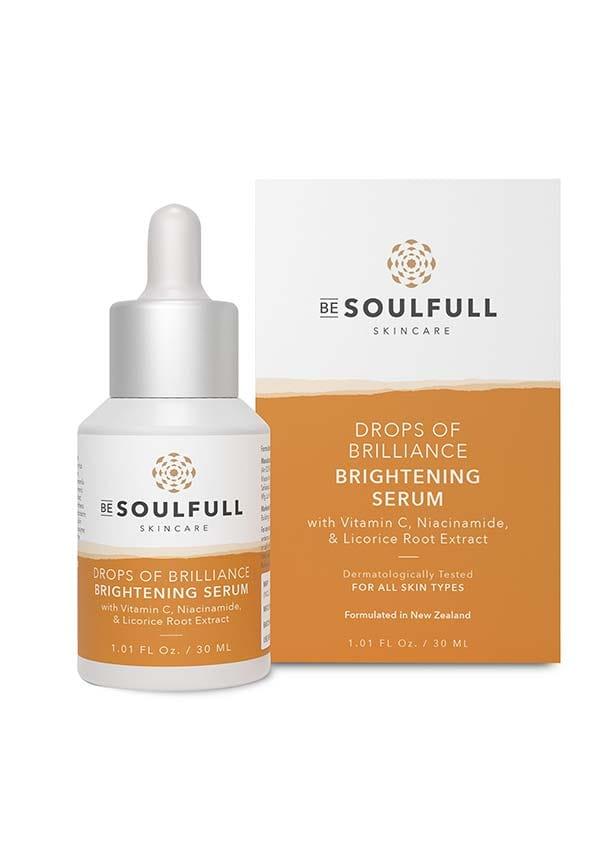
Brightening Serum with Vitamin C, Niacinamide & Licorice Root Extract for Natural Glow | Brightens, Hydrates & Repairs Skin | For Men & Women - 30ml
You've finally invested in a vitamin C serum, but now you're staring at the bottle wondering: morning or night? It's one of those skincare questions that seems simple but actually has layers. Your Instagram feed probably shows influencers applying it at different times, dermatologists have varying opinions, and your skin might be giving you mixed signals. The truth is, the timing of your vitamin C serum application can genuinely impact how well it works for your skin.
Let's start with what actually happens when vitamin C serum meets your skin. This powerhouse ingredient works as an antioxidant, neutralising free radicals that damage your skin throughout the day. Think of it as your skin's personal bodyguard against pollution, UV rays, and general environmental stress.
The science gets interesting when we consider photostability. Some forms of vitamin C can break down when exposed to light, which initially led many to believe nighttime application was safer. However, modern formulations have largely solved this issue. L-ascorbic acid, the most potent form, can be photosensitive, but magnesium ascorbyl phosphate and sodium ascorbyl phosphate are much more stable.
Your skin's natural repair cycle also plays a role. During the day, your skin focuses on protection mode, whilst at night it shifts to repair and regeneration. This means vitamin C serum benefits can manifest differently depending on when you apply it. Clinical studies suggest that morning application provides superior antioxidant protection, whilst evening use supports the skin's natural repair processes.
Most dermatologists lean towards morning application, and there's solid reasoning behind this recommendation. Your skin faces its biggest challenges during the day - UV exposure, pollution, air conditioning, and oxidative stress from daily activities.
Environmental protection is where vitamin C truly shines. When you apply it in the morning, you're essentially giving your skin a shield against the day ahead. The antioxidant properties work in real-time, neutralising free radicals as they form. This is particularly valuable if you live in a city with high pollution levels or spend time outdoors.
There's also fascinating research showing that vitamin C enhances SPF effectiveness. When layered under sunscreen, vitamin C can boost your sun protection, making your morning routine more comprehensive. It's like having a backup system for your sun protection.
Getting the application technique right makes all the difference. Start with freshly cleansed skin - your vitamin C needs a clean canvas to penetrate effectively. Pat your face dry, but leave it slightly damp; this helps with absorption.
Use 2-3 drops of serum for your entire face. More isn't better with vitamin C; excess product just sits on the surface. Apply it in gentle upward strokes, covering your face, neck, and décolletage. The key is even distribution - you want every area to benefit from the protection.
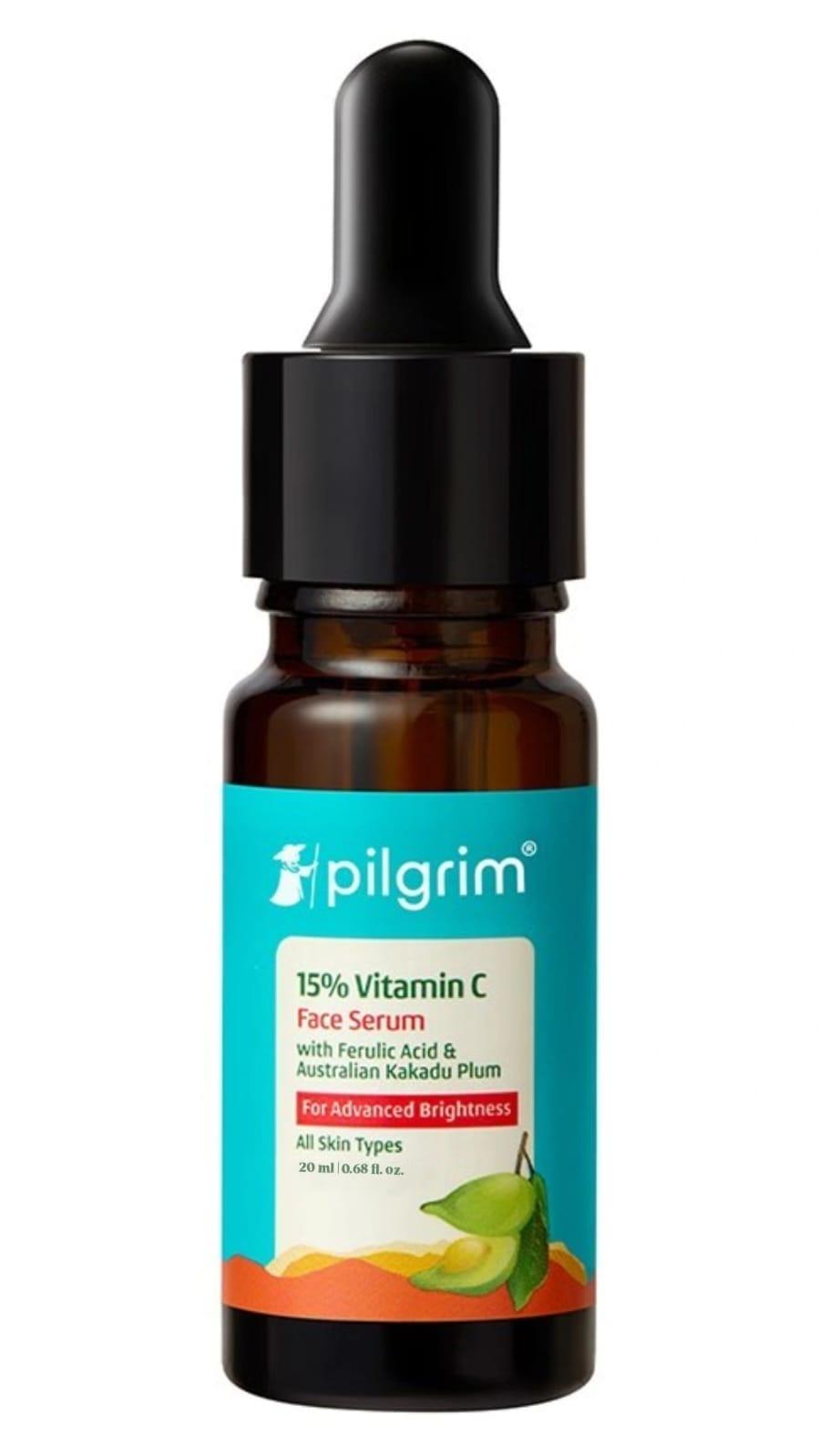
15% Vitamin C Face Serum For Advanced Brightness
Wait 10-15 minutes before applying your next product. This pause allows the vitamin C serum to fully absorb and start working. Follow with a moisturiser, then your SPF. This layering order ensures each product can do its job effectively.
Your vitamin C serum skincare routine needs to play well with other products. Avoid mixing it directly with retinol or benzoyl peroxide in the same application - these combinations can cause irritation. If you use these ingredients, apply vitamin C in the morning and save the others for evening.
Niacinamide and vitamin C can work together beautifully, despite old myths suggesting otherwise. Hyaluronic acid is another excellent companion, helping to hydrate whilst the vitamin C protects. The key is introducing products gradually and watching how your skin responds.
Evening application isn't wrong - it's just different. When you use vitamin C serum at night, you're supporting your skin's natural repair cycle. Your skin temperature rises slightly during sleep, which can enhance absorption of active ingredients.
The biggest advantage of nighttime application is the extended absorption window. Without makeup, sunscreen, or environmental stressors, your skin can focus entirely on absorbing and utilising the vitamin C. This can be particularly beneficial if you're using a higher concentration or a more potent formulation.
You also don't need to worry about photostability at night. If you're using a vitamin C serum with L-ascorbic acid, evening application eliminates any concerns about light degradation. Your skin gets the full potency of the ingredient without any external interference.
The application process remains similar to morning use, but you have more flexibility with layering. After cleansing, apply your vitamin C serum and wait for absorption. You can then layer other treatment products like retinol or peptides, though it's wise to introduce multiple actives gradually.
If you're using vitamin C at night, you might opt for a slightly higher concentration since you won't be applying makeup or sunscreen over it. However, start conservatively - your skin needs time to build tolerance regardless of timing.
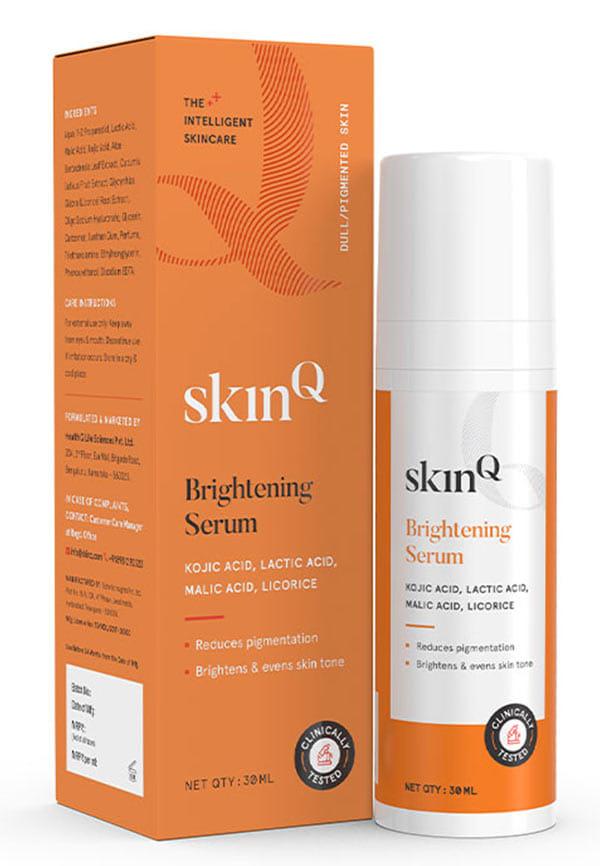
Brightening Serum for Glowing Skin
Some skincare enthusiasts swear by using vitamin C serum both morning and night. This approach can work, but it requires careful consideration of your skin's tolerance and the products you're using.
If your skin tolerates vitamin C well and you're not experiencing any irritation, twice-daily use can amplify the benefits. You get both the protective effects during the day and the repair support at night. However, this approach works best with gentler forms of vitamin C like magnesium ascorbyl phosphate.
Start with once-daily application for at least 4-6 weeks before considering twice-daily use. Watch for signs of over-application: increased sensitivity, redness, or that tight feeling that suggests your skin barrier is compromised.
If you're committed to twice-daily use, consider using different concentrations or formulations. A lighter, more stable form in the morning paired with a more potent evening treatment can give you the best of both worlds. Some brands specifically formulate morning and evening vitamin C products with this approach in mind.
Even with the best intentions, it's easy to make mistakes with vitamin C serum application. Understanding these common pitfalls can save your skin from unnecessary irritation and ensure you're getting maximum benefits.
One frequent mistake is applying vitamin C immediately after using harsh cleansers or exfoliants. Your skin needs a moment to recover from these treatments. If you've used an AHA or BHA cleanser, wait 15-20 minutes before applying your vitamin C serum.
Another timing issue involves layering products too quickly. Each product needs time to absorb properly. Rushing through your routine means products can pill up or interfere with each other's effectiveness.
Over-application is surprisingly common with vitamin C serums. The thinking seems to be 'more is better,' but vitamin C has a saturation point. Using too much wastes product and can actually irritate your skin. Stick to 2-3 drops for your entire face.
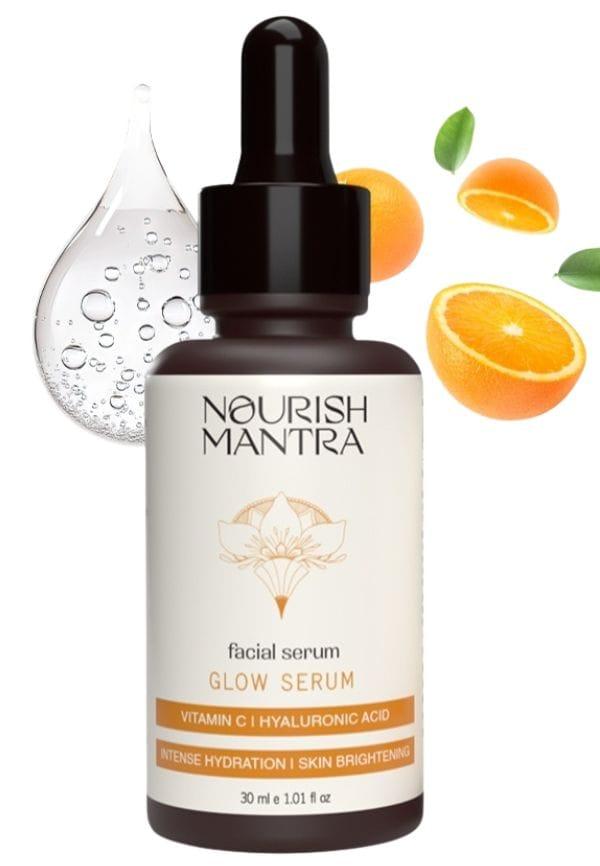
Glow Serum for Radiant and Glowing Skin - 30 ml
Don't forget your neck and décolletage - these areas show signs of ageing just as much as your face but are often neglected in skincare routines. Your vitamin C serum should extend to these areas for comprehensive protection and treatment.
Most dermatologists recommend morning application for optimal antioxidant protection against environmental damage. However, evening use offers repair benefits without photostability concerns. The choice depends on your skin type, other products in your routine, and personal preference.
The ideal time is morning, applied 15-20 minutes before sunscreen. This timing maximises the protective benefits against UV damage and environmental stressors whilst allowing proper absorption before other products.
Yes, if your skin tolerates it well. Start with once-daily application for 4-6 weeks, then gradually introduce a second application. Monitor your skin for any signs of irritation or sensitivity.
Apply vitamin C serum before moisturiser on clean skin. Allow 10-15 minutes for the serum to absorb fully before applying your moisturiser and sunscreen. This order ensures maximum penetration and effectiveness.
The morning versus night debate isn't about finding one perfect answer - it's about understanding what works best for your skin and lifestyle. Most evidence points to morning application as the gold standard for vitamin C serum benefits, particularly for protection against environmental damage. However, nighttime use can be equally beneficial if it fits better with your routine or if you're using other actives during the day.
The most important factor is consistency. Whether you choose morning, night, or both, stick with your chosen timing for at least 8-12 weeks to see real results. Your skin needs time to respond to new ingredients, and vitamin C's benefits build over time.
Remember that skincare is highly individual. What works brilliantly for your friend might not suit your skin type or concerns. Pay attention to how your skin responds and adjust accordingly. If you experience persistent irritation, consider switching timing, reducing frequency, or trying a different formulation.
For those curious about trying different vitamin C formulations before committing to full-size products, platforms like Smytten offer an excellent way to test various options. With access to minis from trusted skincare brands, you can discover which vitamin C serum works best for your skin and preferred application timing. After all, finding your perfect vitamin C match shouldn't require guesswork when you can try before you invest.
