How to Use Vitamin C for Long-Term Skin Health


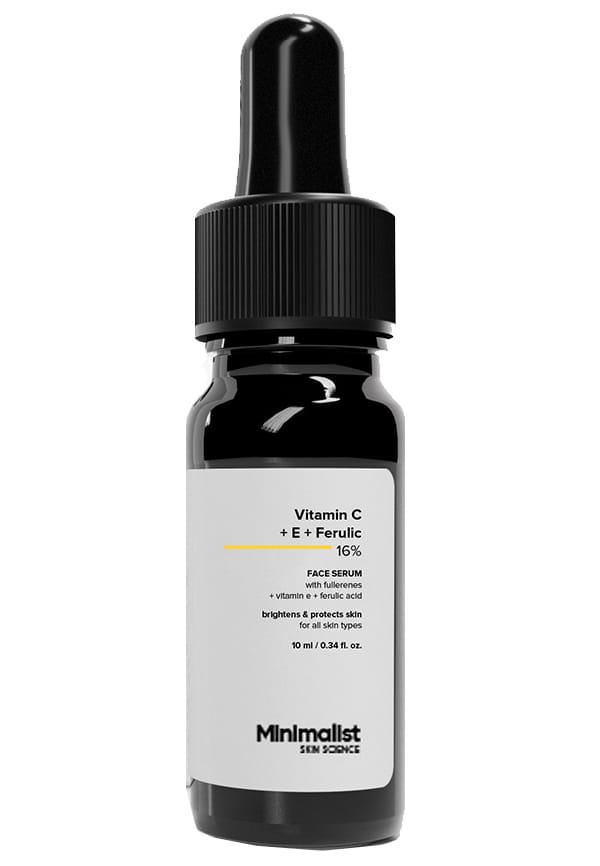
16% Vitamin C Face Serum (Advanced) With Vit E
You've probably heard that vitamin C is good for your skin, but here's what might surprise you: most people use it completely wrong. They slap on a serum for a few weeks, expect overnight miracles, then give up when their skin doesn't transform immediately. Real talk — vitamin C for long term skin health isn't about quick fixes. It's about building a foundation that keeps your skin resilient, bright, and youthful for years to come. If you're ready to move beyond the hype and understand how to actually use this powerhouse ingredient properly, you're in the right place.
Let's start with why vitamin C deserves a permanent spot in your routine. Unlike trendy ingredients that come and go, ascorbic acid has decades of research backing its role in skin health. Your skin naturally contains high levels of vitamin C, but here's the catch — environmental stressors, UV exposure, and natural aging deplete these stores faster than your body can replenish them.
Think of vitamin C as your skin's personal bodyguard and repair crew rolled into one. As an antioxidant, it neutralises free radicals before they can damage your skin cells. But that's just the beginning. Vitamin C is also essential for collagen production — without adequate levels, your skin literally can't build the structural proteins that keep it firm and smooth.
When you apply a vitamin C serum, the molecules penetrate your skin and get to work immediately. L-ascorbic acid, the most potent form, stimulates fibroblasts — the cells responsible for producing collagen and elastin. Over time, this cellular activity translates to visible improvements in skin texture, firmness, and overall resilience.
Clinical studies consistently show that people who use vitamin C skincare for six months or longer see significant improvements in fine lines, skin brightness, and overall skin quality. One landmark study found that participants using 10% vitamin C daily for 12 weeks showed measurable increases in collagen density and skin thickness.
Now that you understand the science, let's talk about what vitamin C serum benefits you can actually expect when you commit to long-term use. Spoiler alert: the results are worth the patience.
This is where vitamin C truly shines for long-term skin health. By consistently supporting collagen production, regular vitamin C use helps maintain skin structure and elasticity. You're not just treating existing signs of aging — you're actively preventing future damage. Many users notice firmer, more resilient skin after 3-6 months of consistent use.
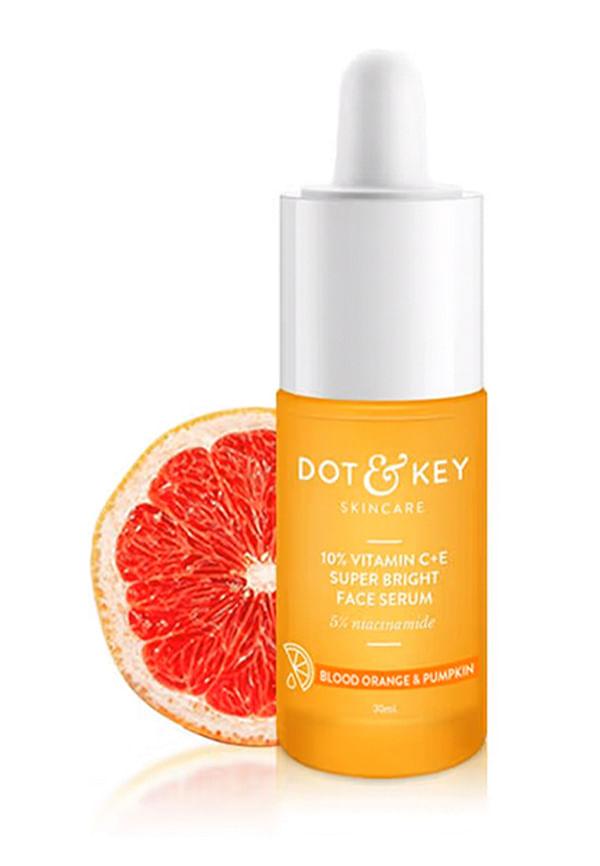
10% Vitamin C+E, 5% Niacinamide Face Serum For Glowing Skin
If you're dealing with post-acne marks, sun spots, or general dullness, vitamin C works as a gentle but effective brightening serum. It inhibits tyrosinase, the enzyme responsible for melanin production, which means fewer dark spots forming over time. The vitamin C skin repair process also helps fade existing hyperpigmentation gradually and naturally.
Living in Indian cities means your skin faces daily assault from pollution, UV rays, and oxidative stress. Vitamin C's antioxidant benefits create a protective shield that neutralises these environmental aggressors before they can cause lasting damage. Think of it as daily insurance for your skin's future.
Not all vitamin C for face products are created equal, and choosing the wrong one can mean the difference between glowing skin and irritation. Here's how to navigate the options like a pro.
**L-Ascorbic Acid** is the gold standard — it's the most potent and well-researched form. However, it can be irritating for sensitive skin. **Magnesium Ascorbyl Phosphate** and **Sodium Ascorbyl Phosphate** are gentler alternatives that convert to vitamin C once absorbed. **Ascorbyl Glucoside** is another stable option that's perfect for beginners or those with reactive skin.
Start low and go slow. If you're new to vitamin C skincare, begin with 5-10% concentration and use it every other day. Your skin will notice the difference within a few weeks. Once your skin adapts (usually after 4-6 weeks), you can gradually increase to 15-20% for maximum antioxidant skin benefits.
Stability is everything with vitamin C. Look for products in dark glass bottles or opaque packaging, and check that the pH is between 3.5-4.0 for optimal absorption. Avoid formulations that look brown or yellow — that's oxidation, and oxidised vitamin C won't give you the results you're after.
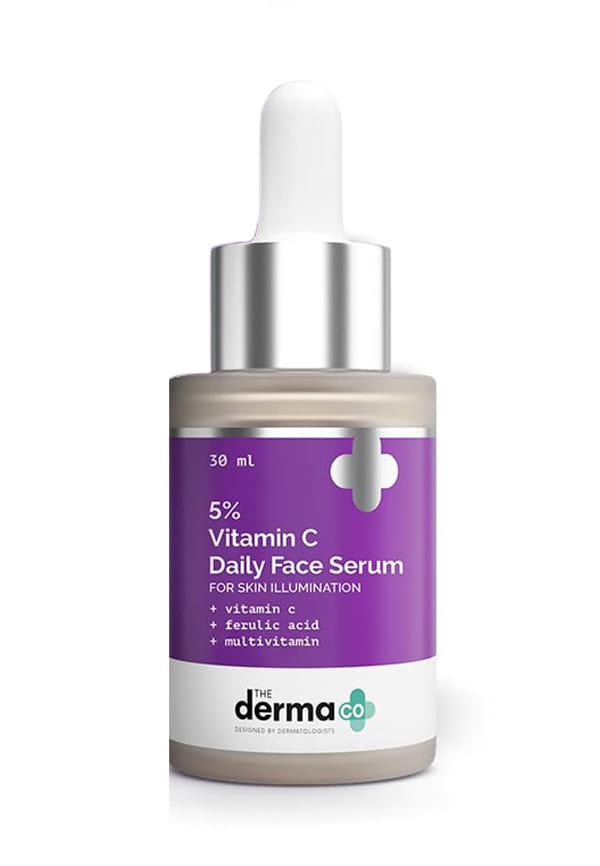
5% Vitamin C Daily Face Serum
Creating a healthy skin routine with vitamin C isn't complicated, but timing and technique matter more than you might think. Get this right, and you'll maximise every drop of your serum.
Morning application is ideal because vitamin C's antioxidant benefits provide protection throughout the day when your skin faces the most environmental stress. Apply it after cleansing but before moisturiser and SPF. If you prefer evening application, that works too — just ensure you're not mixing it with retinol or acids on the same night.
Start with clean, dry skin. Apply 3-4 drops of your vitamin C serum to your face and neck, gently patting it in rather than rubbing. Wait 10-15 minutes before applying moisturiser to allow proper absorption. Always finish with SPF during the day — vitamin C can make your skin slightly more photosensitive initially.
**Niacinamide** and **hyaluronic acid** play beautifully with vitamin C, enhancing its benefits without causing irritation. However, separate your vitamin C from **retinol**, **AHAs**, and **BHAs** by using them on alternating days or at different times. This prevents potential irritation and ensures each ingredient can work effectively.
The difference between people who see amazing results from vitamin C and those who don't often comes down to consistency and avoiding these common pitfalls.
Set realistic expectations. In the first 2-4 weeks, you might notice brighter, more radiant skin. By month 2-3, skin texture improvements and reduced hyperpigmentation become apparent. The real magic happens after 6+ months of consistent use — this is when you'll see significant improvements in fine lines, skin firmness, and overall skin health.
Using too much product is a waste — a few drops cover your entire face. Applying vitamin C to damp skin can increase irritation, so always start with completely dry skin. Most importantly, don't skip days thinking you can make up for it later. Vitamin C for long term skin health requires consistency, not intensity.
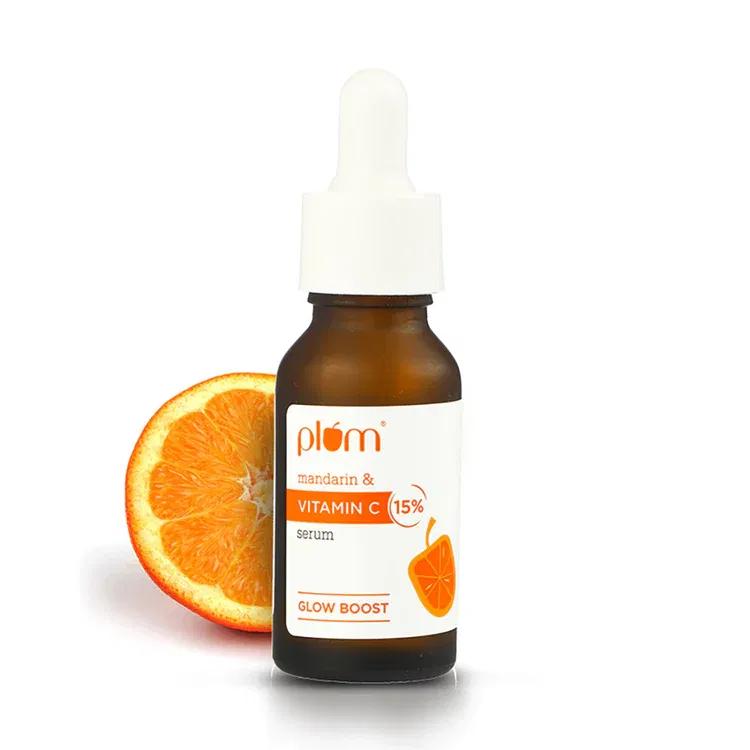
15% Vitamin C Face Serum with Mandarin
Pay attention to how your skin responds. Mild tingling initially is normal, but persistent redness or irritation means you need to reduce frequency or concentration. During summer months, you might want to use vitamin C every other day, while winter skin often tolerates daily application better.
Vitamin C is safe for long-term daily use when applied topically. Unlike some active ingredients that require cycling, you can use vitamin C skincare indefinitely. In fact, the longer you use it consistently, the better your results will be.
Absolutely. Start with a gentler derivative like **Magnesium Ascorbyl Phosphate** at 5% concentration, and use it every other day initially. Your skin will gradually build tolerance, allowing you to increase frequency and potentially move to more potent forms.
While oral **vitamin C** supports overall health and collagen production, topical application delivers higher concentrations directly to your skin. For optimal results, combine both approaches — maintain adequate dietary vitamin C while using targeted vitamin C serums for your face.
Common reasons include using an oxidised product, incorrect pH levels, inconsistent application, or unrealistic timeline expectations. Vitamin C skin repair is a gradual process that requires patience and consistency.
Building long-term skin health with vitamin C isn't about finding the perfect product overnight — it's about understanding your skin, choosing quality formulations, and staying consistent with your routine. The vitamin C serum benefits you'll experience after months of dedicated use far outweigh any quick fixes or miracle treatments.
Remember, your skin is unique, and what works for others might need tweaking for you. Start slowly, listen to your skin, and adjust as needed. The goal isn't perfection; it's progress towards healthier, more resilient skin that ages gracefully.
If you're curious about trying different vitamin C formulations before committing to full-size products, exploring various brands and concentrations can help you find your perfect match. Smytten's curated selection includes vitamin C serums from trusted brands, and their trial options let you test different formulations to see what works best for your skin before making a larger investment.
