How to Use Turmeric for Skin Inflammation Relief
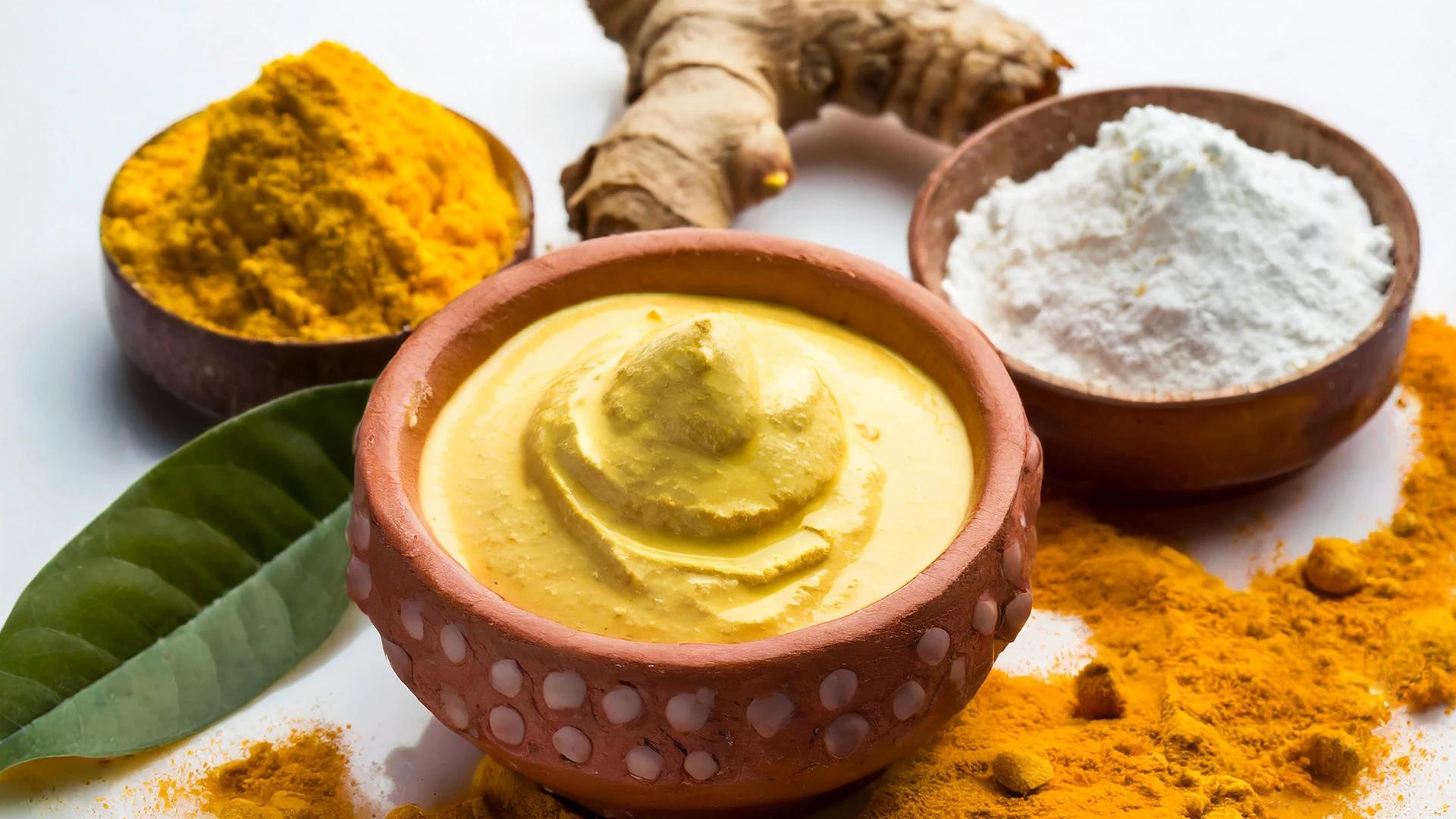

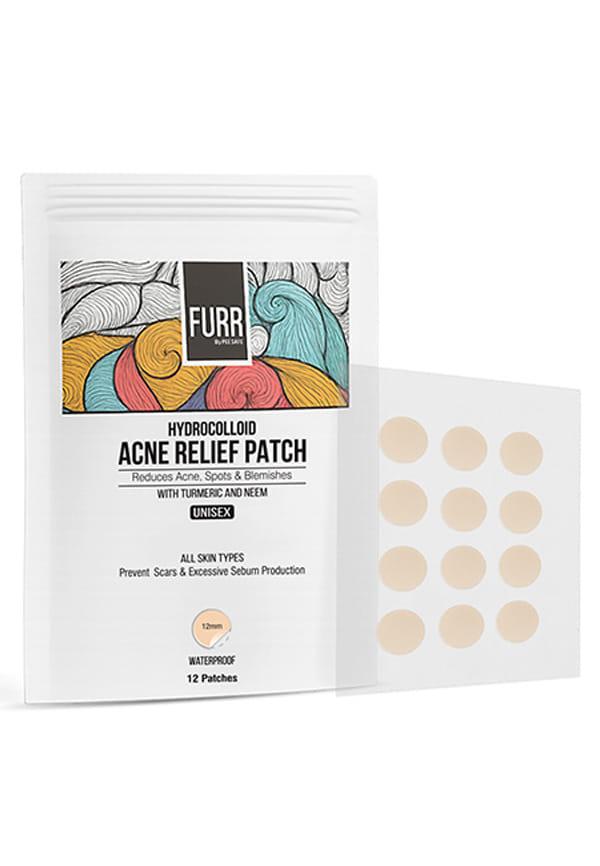
Turmeric & Neem Acne Relief Patch
Great Product, Highly Recommend
 5
5“Great Product.....does what it says..would definitely recommend”
Great Product, Highly Recommend
5“Great Product.....does what it says..would definitely recommend”
Effective on Pimples
5“yesterday I test this on my pimple which is today almost gone I recommend this product to my frnds ND relatives”
Dealing with angry, inflamed skin can feel like a never-ending battle. Whether it's stubborn acne, irritating eczema, or just general redness that won't budge, finding relief often feels impossible. But here's something that might surprise you—one of the most powerful solutions has been sitting in your kitchen spice rack all along. Turmeric for skin inflammation isn't just another wellness trend; it's a time-tested remedy backed by both ancient wisdom and modern science. This golden spice packs serious anti-inflammatory punch that could be exactly what your skin needs to finally calm down and heal.
Let's get real about what makes turmeric such a skincare superstar. The magic lies in a compound called curcumin, which gives turmeric its signature golden colour and incredible healing properties. Curcumin works by blocking inflammatory pathways in your skin cells. Think of inflammation like a fire alarm that won't stop ringing—curcumin essentially helps turn down the volume. It inhibits specific enzymes and proteins that trigger inflammatory responses, which means less redness, swelling, and irritation for you. Research shows that turmeric benefits for skin go way beyond just soothing irritation. Studies have found that curcumin can be as effective as some conventional anti-inflammatory treatments, but without the harsh side effects. It's particularly brilliant at reducing the production of inflammatory molecules like TNF-alpha and interleukins—fancy science terms that basically mean "things that make your skin angry." What makes turmeric even more impressive is its antioxidant properties. While it's busy calming inflammation, it's also fighting off free radicals that can damage your skin cells. This double action makes it perfect for anti-inflammatory skincare routines that actually work.
Now that you know why turmeric works, let's talk about what it can actually help with. Spoiler alert: it's quite a lot.
Turmeric for acne is genuinely worth trying. Its antibacterial properties help fight the bacteria that cause breakouts, whilst its anti-inflammatory action reduces the angry redness around spots. Plus, it can help regulate oil production, which means fewer future breakouts.
If you're dealing with eczema, you know how frustrating the itch-scratch cycle can be. Turmeric for eczema helps break this cycle by reducing inflammation and soothing irritated skin. Many people find it particularly helpful for those stubborn patches that just won't calm down.
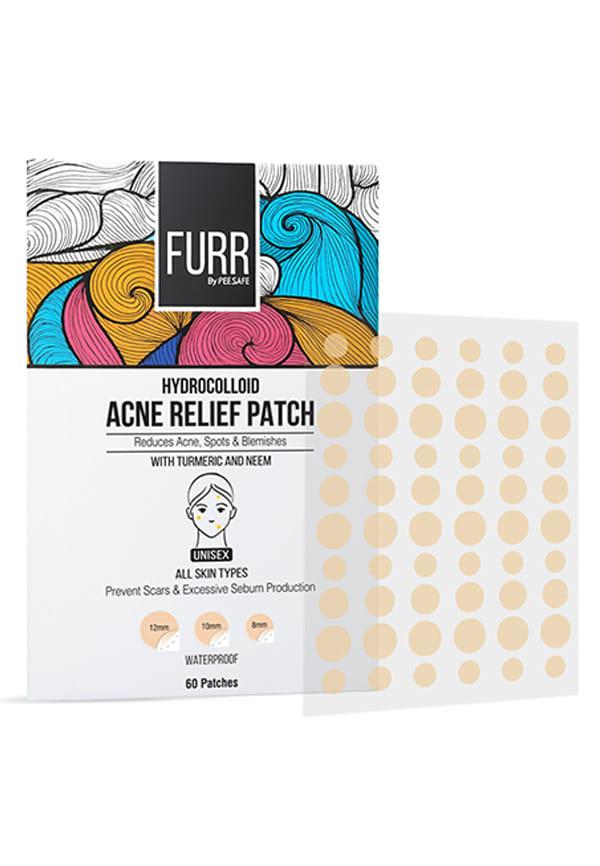
Turmeric & Neem Acne Relief Patch
Effective Pimple Patch
4“this pimple patch is very effective”
Effective Pimple Patch
4“this pimple patch is very effective”
Effective Pimple Patch
4“this pimple patch is very effective”
Whilst turmeric isn't a cure for psoriasis, turmeric for psoriasis can help manage symptoms. It reduces the inflammation that causes scaling and can help slow down the rapid skin cell turnover that characterises this condition.
From razor burn to allergic reactions, turmeric can help soothe various types of skin irritation. Its gentle yet effective action makes it suitable for most skin types.
Ready to put turmeric to work? Here are the most effective methods that actually deliver results.
The classic turmeric face mask is probably your best starting point. Here are some tried-and-tested combinations: Basic Anti-Inflammatory Mask: Mix 1 teaspoon turmeric powder with 2 tablespoons honey and 1 tablespoon plain yoghurt. The honey adds antibacterial properties whilst yoghurt provides gentle exfoliation. Acne-Fighting Powerhouse: Combine 1 teaspoon turmeric with 2 tablespoons bentonite clay and a few drops of tea tree oil. This combination draws out impurities whilst fighting bacteria. Eczema Relief Paste: Mix turmeric with coconut oil and finely ground oatmeal. The coconut oil moisturises whilst oatmeal soothes irritation. Brightening Treatment: Blend turmeric with milk and gram flour for a mask that reduces inflammation whilst gently brightening your complexion.
For spot treatment, make a thick paste with turmeric and a small amount of water or honey. Apply directly to inflamed areas and leave for 10-15 minutes. For full-face application, use thinner consistency masks and avoid the eye area. Always apply to clean skin and rinse thoroughly with lukewarm water. When treating larger body areas, consider making turmeric-infused oil by gently heating coconut oil with turmeric powder, then straining and cooling before use.
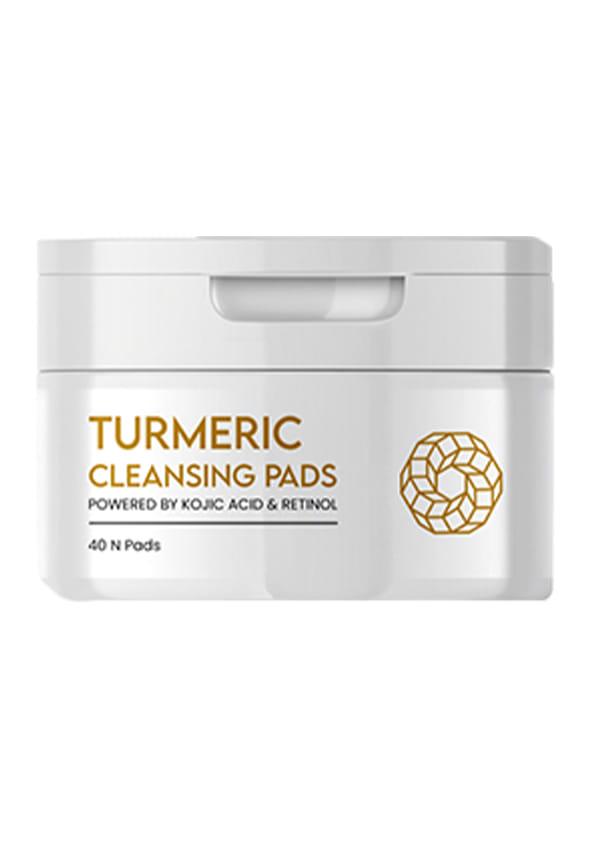
Turmeric Cleansing Pads
Whilst topical application works wonders, combining it with internal use can amplify your results. Turmeric skin benefits become even more pronounced when you tackle inflammation from the inside out. Golden milk is probably the most pleasant way to get your daily turmeric dose. Mix 1 teaspoon turmeric powder with warm milk (dairy or plant-based), add a pinch of black pepper to enhance absorption, and sweeten with honey if desired. Turmeric tea is another brilliant option. Simmer fresh turmeric root or powder in water for 10 minutes, strain, and add lemon and ginger for extra anti-inflammatory benefits. If you're considering supplements, look for ones that include piperine (black pepper extract) for better absorption. Start with lower doses and gradually increase as your body adjusts. Most people start seeing improvements in their skin within 2-4 weeks of consistent use, though some notice changes sooner. The key is consistency—both with topical applications and internal consumption.
Before you dive headfirst into turmeric skincare, let's talk safety. Whilst turmeric is generally gentle, there are a few things to keep in mind. Always do a patch test first. Apply a small amount of your turmeric mixture to your inner wrist and wait 24 hours to check for any reaction. This is especially important if you have sensitive skin. The biggest concern most people have is staining. Yes, turmeric can temporarily tint your skin yellow, but this usually fades within a few hours. To minimise staining, use smaller amounts of turmeric in your mixtures and rinse thoroughly with lukewarm water. If you're pregnant or breastfeeding, topical use is generally considered safe, but it's always worth checking with your healthcare provider first. For internal use during pregnancy, definitely consult your doctor. Turmeric can interact with certain medications, particularly blood thinners. If you're on any medication, have a chat with your pharmacist or doctor before adding turmeric supplements to your routine. Stop using turmeric if you experience increased irritation, persistent redness, or any allergic reactions. Some people are sensitive to turmeric, and that's perfectly normal.
To get the most out of your turmeric skin inflammation treatments, timing and technique matter more than you might think. For most people, using turmeric treatments 2-3 times per week works best. Daily use can sometimes be too much, especially when you're starting out. Listen to your skin and adjust accordingly. Fresh turmeric root is more potent than powder, but powder is more convenient and has a longer shelf life. If using fresh turmeric, grate it finely and strain your mixtures to avoid grittiness. Store any leftover turmeric mixtures in the fridge for up to a week. Adding a few drops of vitamin E oil can help extend their shelf life. For better absorption, consider adding a tiny pinch of black pepper to your topical treatments. The piperine enhances curcumin absorption, making your treatments more effective. Combining turmeric with other natural anti-inflammatory for skin ingredients like aloe vera, green tea, or chamomile can boost its effectiveness. Just introduce one new ingredient at a time to see how your skin responds. Whilst exploring natural remedies like turmeric, you might also want to discover other gentle, effective skincare options. Smytten offers curated trial packs from trusted brands like Cetaphil and Dot & Key, letting you explore anti-inflammatory skincare products before committing to full sizes. With over 1,500 brands available and the ability to try up to 8 minis for just ₹249, you can find what works best for your skin without the guesswork.
Most people notice some improvement within a few days of consistent use, with more significant results appearing after 2-3 weeks. For acute inflammation, you might see some calming effects within hours of application.
No, any yellow tinting from turmeric is temporary and typically fades within a few hours. Using smaller amounts and rinsing thoroughly helps minimise staining.
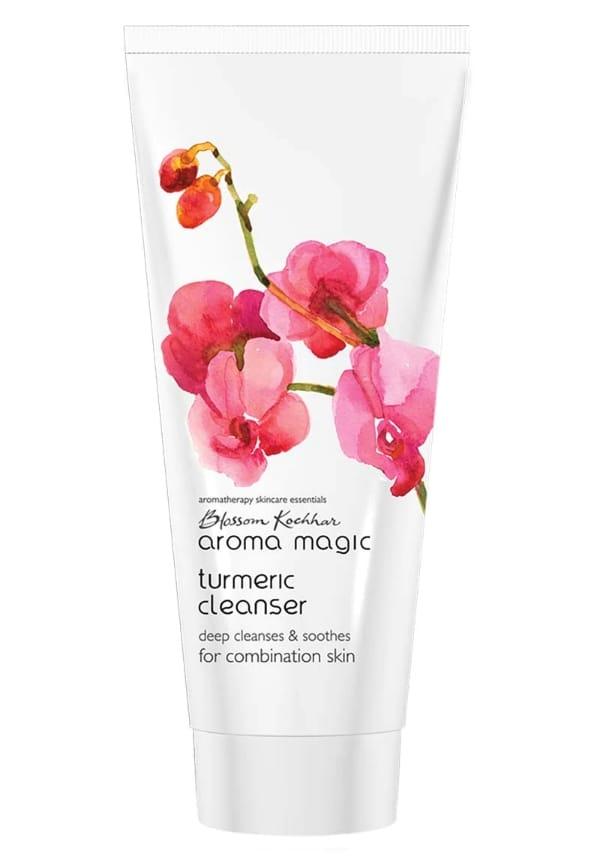
Turmeric Cleanser
Yes, but start with very small amounts and always patch test first. Consider mixing turmeric with soothing ingredients like honey or aloe vera to reduce potential irritation.
Topical use is generally considered safe during pregnancy, but it's always best to consult your healthcare provider first, especially for internal consumption.
Turmeric can be as effective as some commercial treatments for mild to moderate inflammation, with the added benefit of being natural and having fewer side effects. However, severe conditions may require medical treatment.
Yes, turmeric's anti-inflammatory and antibacterial properties can help manage hormonal acne symptoms, though addressing the underlying hormonal causes may require additional treatment.
Turmeric truly deserves its reputation as a skincare powerhouse. From reducing acne inflammation to soothing eczema flare-ups, this golden spice offers a gentle yet effective approach to calming angry skin. The key to success lies in consistent use, proper application techniques, and patience—your skin needs time to heal and respond. Remember that whilst turmeric is incredibly beneficial, it's not a magic cure-all. Severe skin conditions still need professional medical attention. But for everyday inflammation, irritation, and minor skin concerns, turmeric might just become your new best friend. Whether you're trying DIY turmeric masks or exploring other anti-inflammatory skincare options, the journey to healthier skin is all about finding what works for you. With platforms like Smytten, you can discover and trial various skincare solutions from over 1,500 trusted brands, making it easier to build a routine that truly serves your skin's needs. After all, why settle for maybe when you can try it all and find what actually works?
