
Skincare
•05 min read

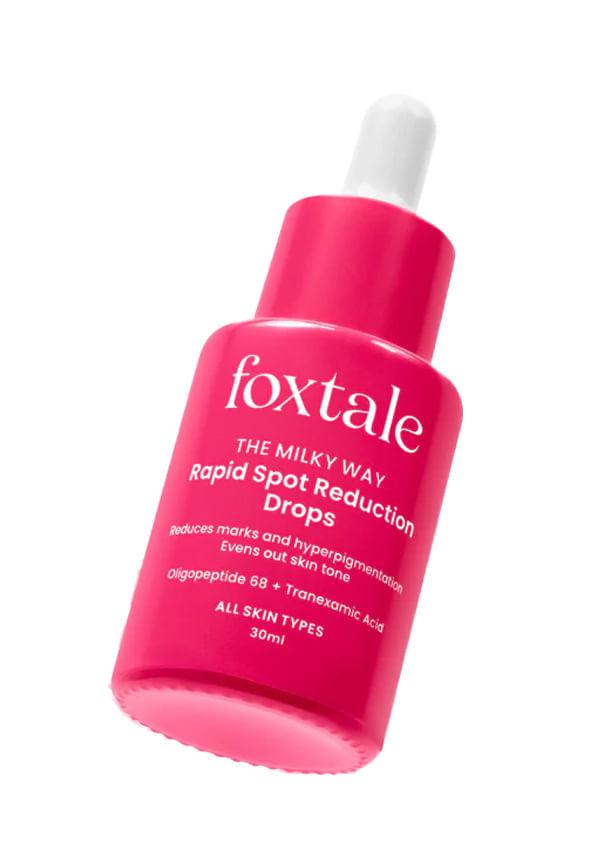
3% Tranexamic Acid & Peptide Serum for Hyperpigmentation, Reduces Marks
Dealing with persistent redness can feel like a never-ending battle, especially when your usual skincare routine isn't cutting it. Whether it's post-acne marks, rosacea flare-ups, or general inflammation, finding the right ingredient to calm your skin can be overwhelming. Enter tranexamic acid—a gentle yet effective solution that's been making waves in the skincare world for its impressive redness-fighting abilities. Originally used in medical settings, this powerhouse ingredient has found its way into our skincare routines, offering hope for those seeking calmer, more even-toned skin without the harsh side effects of traditional treatments.
Tranexamic acid might sound intimidating, but it's actually one of the gentler active ingredients you can add to your routine. Originally developed as a medication to prevent excessive bleeding, researchers discovered its remarkable anti-inflammatory properties that translate beautifully to skincare. Unlike harsher redness corrector ingredients that can sometimes irritate sensitive skin, tranexamic acid works by targeting the root cause of inflammation rather than just masking symptoms.
The magic lies in how this ingredient interrupts the inflammatory cascade that leads to redness. When your skin encounters irritants or experiences breakouts, it triggers a complex inflammatory response. Tranexamic acid steps in to calm this response, reducing the production of inflammatory mediators that cause visible redness and discolouration.
Clinical studies have shown that tranexamic acid works on multiple levels to achieve its calming effects. It helps strengthen the skin barrier, reduces melanin production that can lead to dark spots, and most importantly for redness reduction, it inhibits the inflammatory pathways that cause persistent facial flushing and irritation.
Real talk—the results speak for themselves when it comes to tranexamic acid's effectiveness. Clinical research has demonstrated significant improvements in various types of redness, from post-inflammatory erythema to chronic rosacea symptoms. What makes this ingredient particularly exciting is its gentle approach to achieving these results, making it suitable for even the most reactive skin types.
Studies involving participants with inflammatory skin conditions showed marked improvement after eight weeks of consistent use. The research revealed reductions in both the intensity and frequency of redness flare-ups, with many participants experiencing calmer, more balanced skin tone.
For those dealing with post-acne redness, you might notice initial improvements within 2-4 weeks, with more dramatic changes becoming apparent after 8-12 weeks. Rosacea sufferers often report reduced flushing episodes and overall skin sensitivity improvements within the first month of use.
Getting the most out of your tranexamic acid serum is all about proper application and timing. The good news is that this ingredient is relatively straightforward to incorporate into your existing routine, and it plays well with most other skincare ingredients.
While tranexamic acid can be used both morning and evening, many find starting with evening application helps gauge skin tolerance. Apply it after cleansing but before heavier moisturisers or oils. If your skin responds well, you can gradually introduce morning use as well.
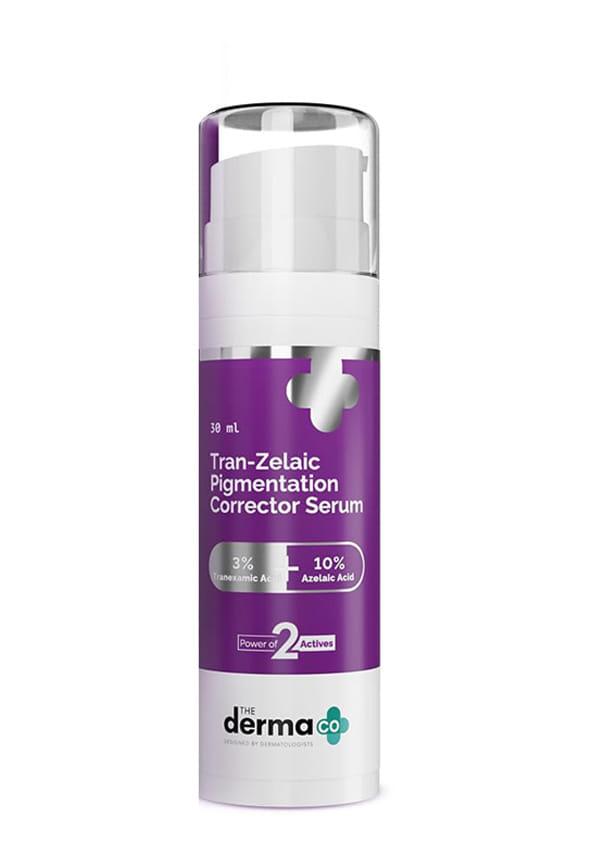
Tran-Zelaic Pigmentation Corrector Serum with Tranexamic Acid & Azelaic Acid
Tranexamic acid pairs beautifully with other gentle ingredients like niacinamide, hyaluronic acid, and ceramides. Start with a few drops of your tranexamic acid serum, gently pat it into clean skin, and follow with your usual moisturiser. Always finish with SPF during the day, as calm skin is happy skin, and protection is key.
Different types of redness require slightly different approaches, and tranexamic acid's versatility makes it suitable for various concerns. Whether you're dealing with chronic rosacea or temporary post-breakout inflammation, understanding how to tailor your approach can maximise your results.
For rosacea management, consistency is crucial. Start with a lower concentration (around 2-3%) and use it every other evening initially. Many find that combining tranexamic acid with gentle, fragrance-free moisturisers helps maintain the skin barrier whilst addressing the underlying inflammation that triggers rosacea flare-ups.
When dealing with post-inflammatory erythema (those stubborn red marks left behind after spots), tranexamic acid can be particularly effective. Its dual action of reducing inflammation whilst supporting skin healing makes it an excellent choice for achieving an even skin tone over time.
One of the most appealing aspects of tranexamic acid is its excellent safety profile, especially compared to other active ingredients used for redness reduction. However, like any skincare ingredient, it's important to understand potential considerations and use it appropriately for your skin type.
Whilst generally well-tolerated, those with a history of blood clotting disorders should consult with a healthcare provider before use. Additionally, if you're pregnant or breastfeeding, it's worth discussing with your doctor, though topical use is generally considered safer than oral forms.
Even sensitive skin solutions require a gentle introduction. Start with patch testing on a small area, then gradually increase frequency of use. If you experience any unusual irritation, reduce frequency or concentration until your skin adjusts.
Understanding how tranexamic acid compares to other popular redness-fighting ingredients can help you make informed decisions about your skincare routine. Each ingredient has its strengths, and sometimes combining approaches yields the best results.
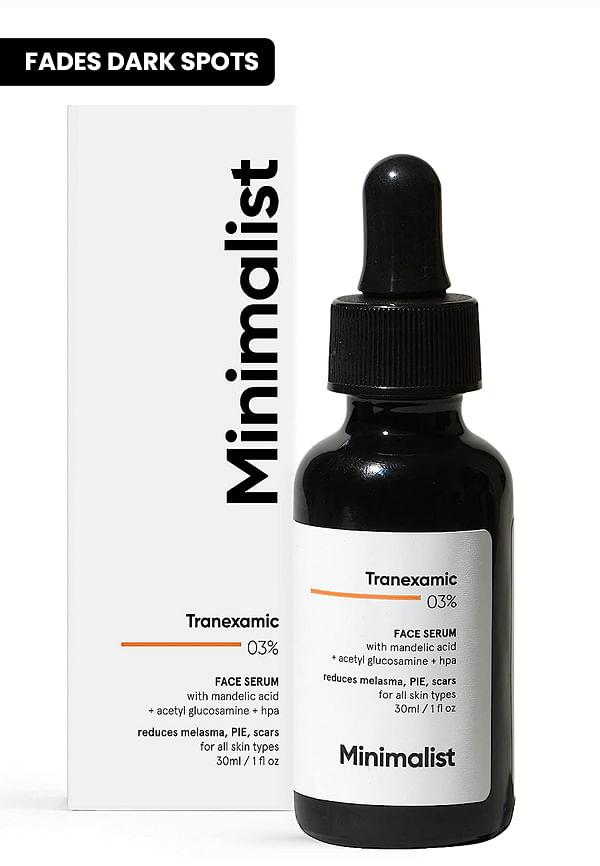
3% Tranexamic Acid Face Serum
Whilst azelaic acid is excellent for acne-related redness, tranexamic acid tends to be gentler and more suitable for sensitive skin types. Azelaic acid can sometimes cause initial purging, whereas tranexamic acid typically provides calming effects from the start.
For those seeking alternatives to hydroquinone for achieving even skin tone, tranexamic acid offers a gentler approach with fewer restrictions. Unlike hydroquinone, which requires careful monitoring and breaks in usage, tranexamic acid can be used long-term without the same concerns.
When exploring these powerful anti-inflammatory skincare ingredients, platforms like Smytten make it easier to discover what works for your unique skin needs. With curated trial packs from over 1,500 trusted brands, you can explore different formulations of tranexamic acid serums and other calming skincare ingredients without committing to full-size purchases. This approach is particularly valuable when testing sensitive skin solutions, as you can try multiple options to find your perfect match.
Clinical studies show tranexamic acid significantly reduces skin redness, including papules, pustules, and post-inflammatory erythema after 8 weeks of consistent use. Its anti-inflammatory properties make it particularly effective for calming reactive skin.
Most users see initial redness reduction within 2-4 weeks, with significant improvements in skin tone and inflammation visible after 8-12 weeks of regular use. Consistency is key for optimal results.
Yes, tranexamic acid pairs well with gentle ingredients like niacinamide and hyaluronic acid. Avoid combining with strong actives initially, and always introduce new combinations gradually to monitor skin response.
Studies indicate tranexamic acid is generally well-tolerated for sensitive skin and effective for rosacea by improving barrier function and reducing inflammation. Start with lower concentrations and patch test first.
Most effective formulations contain 2-5% tranexamic acid. Beginners should start with 2-3% concentrations and gradually increase if needed. Higher concentrations aren't necessarily better for sensitive skin types.
Tranexamic acid represents a gentle yet effective approach to managing skin redness and achieving a more even complexion. Its excellent safety profile and proven results make it worth considering for anyone struggling with inflammatory skin concerns, rosacea, or post-acne redness. Remember that skincare is deeply personal, and what works brilliantly for one person might need adjustment for another.
The beauty of modern skincare lies in having options to explore and discover what truly works for your unique skin needs. With Smytten's trial platform, you can test different tranexamic acid formulations and concentrations risk-free, helping you make confident choices about your skincare routine. After all, why settle for persistent redness when you can explore proven solutions and find your perfect match? Your journey to calmer, more even-toned skin might just be a trial away.
