How to Use Tranexamic Acid for Hormonal Pigmentation


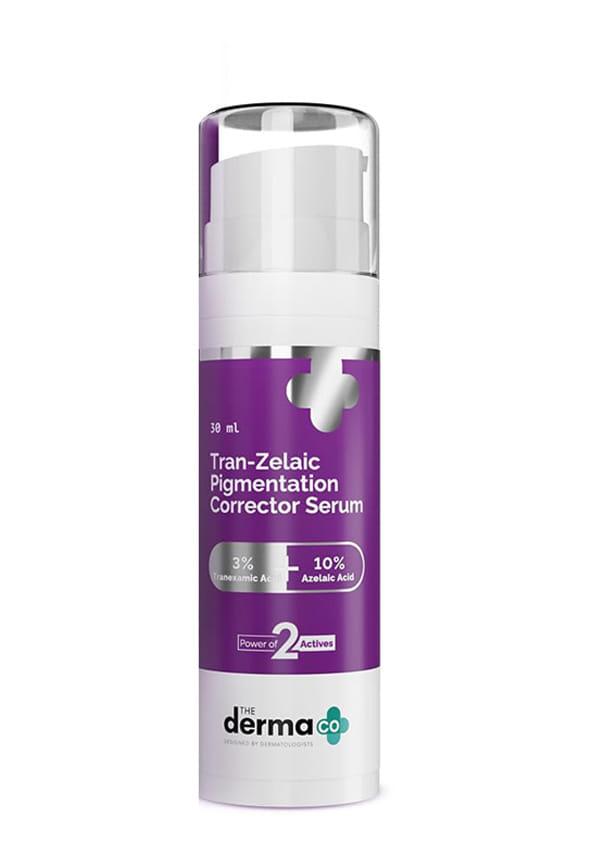
Tran-Zelaic Pigmentation Corrector Serum with Tranexamic Acid & Azelaic Acid
Hormonal pigmentation can feel like an unwelcome guest that just won't leave. Those stubborn dark patches, especially around your cheeks and forehead, seem to mock every skincare routine you've tried. But here's where tranexamic acid steps in as your potential game-changer. This powerhouse ingredient has been making waves in dermatology circles for its ability to tackle even the most persistent melasma and hormonal discolouration. Unlike other skin brightening ingredients that work on the surface, tranexamic acid gets to the root of the problem by blocking melanin transfer at a cellular level. Ready to discover how this ingredient might just become your new skincare obsession?
Think of tranexamic acid as the clever friend who knows exactly how to handle drama before it escalates. Originally developed as a medication to prevent excessive bleeding, this amino acid derivative has found its calling in skincare for its remarkable ability to interrupt the pigmentation process. Unlike vitamin C or kojic acid that work primarily on existing melanin, tranexamic acid stops the conversation between your skin cells before dark spots even form.
The magic happens through a process called plasmin inhibition. When your skin experiences hormonal fluctuations, inflammation, or UV exposure, it triggers a cascade that leads to excess melanin production. Tranexamic acid for hormonal pigmentation works by blocking plasmin, an enzyme that plays a key role in this melanin-producing pathway. This makes it particularly effective for melasma and post-inflammatory hyperpigmentation that traditional treatments struggle to address.
The research behind tranexamic acid is pretty impressive, and the results speak for themselves. Clinical studies have shown improvement rates of up to 80% in patients with melasma when using tranexamic acid consistently over 8-12 weeks. But the tranexamic acid benefits extend far beyond just fading existing spots.
This ingredient excels at preventing new pigmentation from forming, making it a brilliant choice for anyone dealing with recurring hormonal flare-ups. It's also gentler than many traditional hyperpigmentation solutions like hydroquinone, which means you can use it long-term without worrying about skin irritation or rebound pigmentation. Plus, it plays well with other skin brightening ingredients, so you don't have to completely overhaul your routine.
Tranexamic acid serum offers targeted application directly to problem areas, typically in concentrations ranging from 2-5%. This form is perfect for those who prefer to control exactly where the product goes and want to layer it with other skincare ingredients.
Oral tranexamic acid, usually prescribed at 250mg twice daily, works systemically and can be particularly effective for widespread melasma. However, this requires medical supervision and isn't suitable for everyone. Many dermatologists now recommend combining both forms for comprehensive hormonal pigmentation treatment.
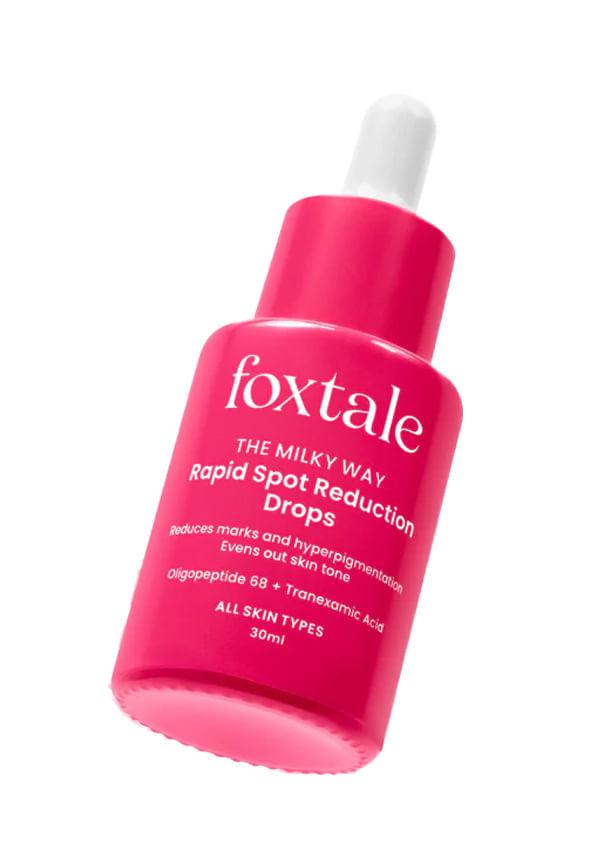
3% Tranexamic Acid & Peptide Serum for Hyperpigmentation, Reduces Marks
Getting the application right is crucial for seeing results with tranexamic acid for skin concerns. The good news is that it's relatively straightforward once you know the basics. Start slowly and build up your tolerance, especially if you have sensitive skin or are new to active ingredients.
Morning routines should always prioritise sun protection when using any pigmentation correction treatment. Apply your tranexamic acid serum after cleansing but before heavier moisturisers or oils. Follow with a broad-spectrum SPF 30 or higher – this step is non-negotiable when treating hormonal pigmentation.
Cleanse your skin gently with a mild cleanser, then pat dry. Apply 2-3 drops of tranexamic acid serum to affected areas, gently pressing into the skin rather than rubbing. Wait 5-10 minutes before applying your moisturiser and sunscreen.
Evening application allows for higher concentrations and combination with other active ingredients. After cleansing, apply tranexamic acid to clean, dry skin. You can layer it under retinoids or other skin discoloration remedies, but introduce new products gradually to avoid irritation.
Tranexamic acid pairs beautifully with vitamin C, niacinamide, and gentle exfoliating acids. Avoid using it with benzoyl peroxide or high-concentration retinoids initially, as this combination might cause irritation. For comprehensive melasma treatment, many dermatologists recommend combining topical tranexamic acid with chemical peels or laser treatments.
Real talk – patience is key when treating hormonal pigmentation. Unlike a good concealer that gives instant results, tranexamic acid works gradually to rebuild your skin's natural balance. Most people start noticing subtle improvements around the 4-6 week mark, with more significant changes becoming apparent after 8-12 weeks of consistent use.
The first month is all about your skin getting acquainted with the ingredient. You might notice your complexion looking slightly brighter, but don't expect dramatic changes yet. This is when consistency matters most – skipping applications will only delay your results.
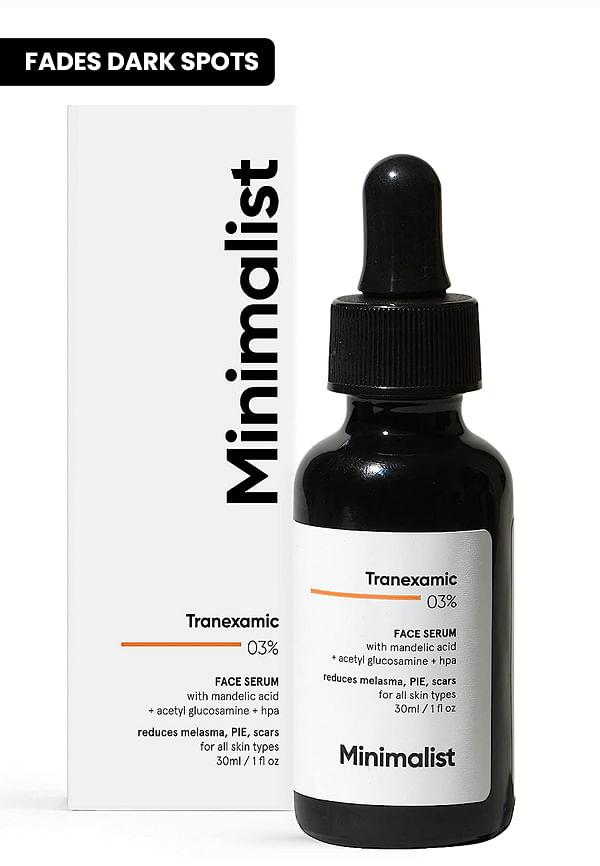
3% Tranexamic Acid Face Serum
By month two to three, the real magic starts happening. Existing dark spots begin to fade, and new pigmentation is less likely to form. This is when most people become believers in tranexamic acid for hormonal pigmentation. The key is maintaining your routine even when you start seeing improvements.
Long-term results typically require 6-12 months of consistent use, especially for deep-seated melasma. But here's the encouraging bit – once you achieve your desired results, maintenance becomes much easier. Many people find they can reduce application frequency while maintaining their improved skin tone.
While tranexamic acid is generally well-tolerated, it's important to understand who should exercise caution. People with a history of blood clots, stroke, or cardiovascular disease should consult their doctor before using oral tranexamic acid. Topical forms are considered safer but still require patch testing.
Common side effects are typically mild and include slight skin irritation, dryness, or temporary redness when first starting treatment. These usually subside as your skin adjusts. If you experience persistent irritation, reduce application frequency or concentration rather than stopping completely.
Pregnancy and breastfeeding require special consideration. While topical tranexamic acid for skin is generally considered safer than oral forms, it's always best to consult your healthcare provider. There are plenty of pregnancy-safe alternatives for pigmentation correction if needed.
Success with tranexamic acid goes beyond just applying the product correctly. Your lifestyle choices can significantly impact how well this ingredient works for your hormonal pigmentation treatment. Stress management, adequate sleep, and hormonal balance all play crucial roles in preventing new pigmentation from forming.
Diet also matters more than you might think. Foods rich in antioxidants, particularly vitamin C and E, can support your skin's natural repair processes. Staying hydrated and limiting sugar intake can help reduce inflammation that contributes to pigmentation.
Consider exploring different brands and formulations through trial sizes before committing to full-size products. Smytten's curated trial packs let you test various tranexamic acid serums from trusted brands without the commitment of full-size purchases. With over 1,500 brands available, you can discover which formulation works best for your skin type and concerns. The platform's Trial Points system makes it affordable to experiment with different hyperpigmentation solutions until you find your perfect match.
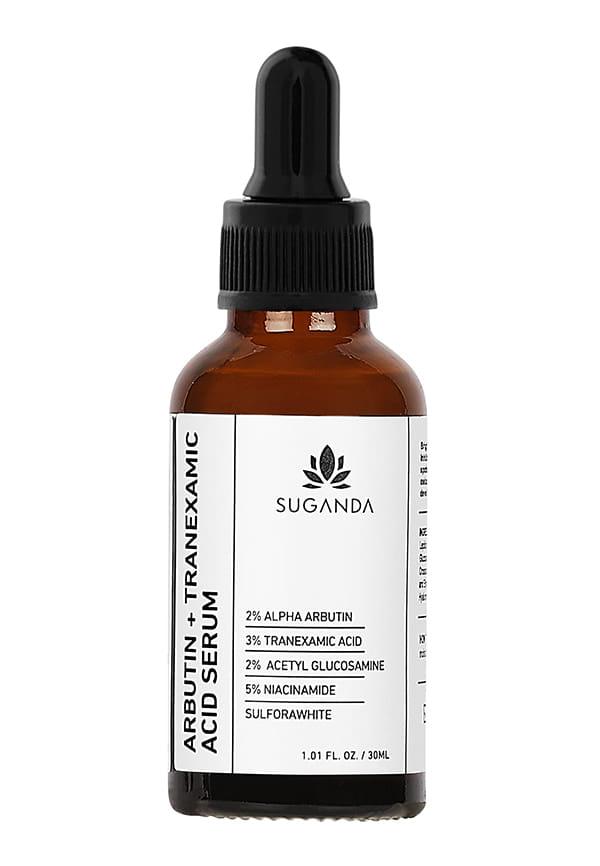
Arbutin + Tranexamic Acid Serum
Yes, clinical studies show that tranexamic acid can improve pigmentation by up to 80% when used consistently over 8-12 weeks. It works by blocking the enzyme plasmin, which plays a key role in melanin production and transfer.
Most dermatologists recommend a minimum of 8-12 weeks to see initial results, with optimal improvement typically occurring after 6-12 months of consistent use. Maintenance therapy may be needed to prevent recurrence.
Tranexamic acid pairs well with vitamin C, niacinamide, and gentle acids. Avoid combining with benzoyl peroxide or high-concentration retinoids initially. Always introduce new combinations gradually.
Topical tranexamic acid is generally considered safe for long-term use and doesn't cause the rebound pigmentation associated with some other treatments. However, oral forms require medical supervision.
Unlike vitamin C or kojic acid that work on existing melanin, tranexamic acid prevents new pigmentation from forming by blocking the melanin production pathway at an earlier stage.
Tranexamic acid represents a significant advancement in treating stubborn hormonal pigmentation that doesn't respond to traditional approaches. Its unique mechanism of action, combined with a favourable safety profile, makes it an excellent choice for long-term pigmentation correction. Remember that consistency is key – this isn't a quick fix, but rather a reliable path to clearer, more even-toned skin.
The journey to addressing hormonal pigmentation requires patience, but with the right approach and products, significant improvement is absolutely achievable. Whether you're dealing with melasma, post-inflammatory hyperpigmentation, or general skin discolouration, tranexamic acid offers a science-backed solution worth exploring. Start slowly, stay consistent, and give your skin the time it needs to reveal its natural radiance.
