How to Use Tea Tree Oil for Acne: A Complete Guide

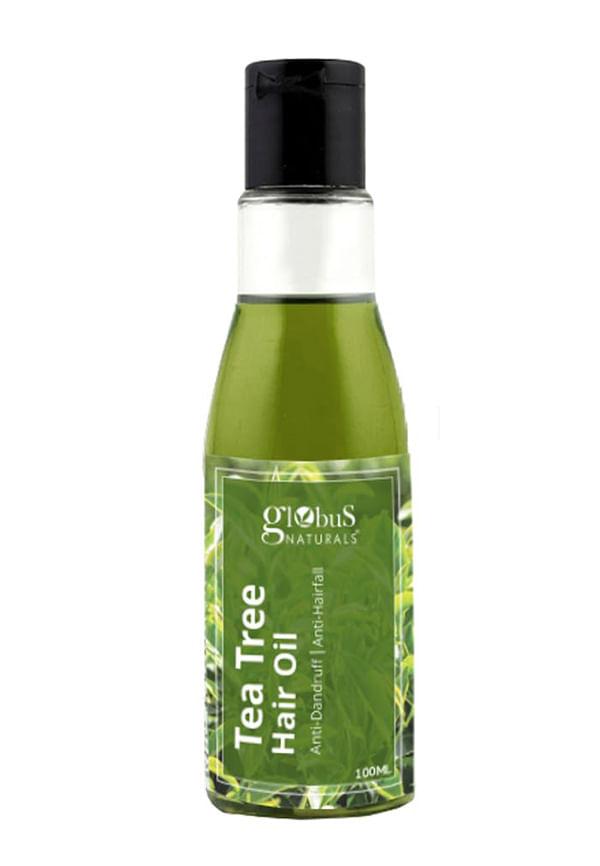
Tea Tree Hair Oil
Effective Hair Oil, Pleasant Smell
 5
5“nice smell with effective hair oil.”
Wonderful Product
4“wonderful product go and buy....”
Good Hair Oil, Love Fragrance
5“Good hair oil, love the fragrance too”
Dealing with acne can feel like an endless battle, especially when you've tried countless products that promise the world but deliver disappointment. Enter tea tree oil—a natural powerhouse that's been quietly winning the acne-fighting game for decades. This essential oil isn't just another trendy ingredient; it's backed by proper science and has genuine antimicrobial properties that target the root causes of breakouts. Whether you're dealing with stubborn spots, ongoing acne struggles, or just want to explore natural acne remedies, tea tree oil might just become your skin's new best mate. Let's dive into everything you need to know about using this botanical wonder for clearer, happier skin.
Tea tree oil benefits go way beyond just smelling fresh and earthy. This Australian native extract contains a compound called terpinen-4-ol, which is basically nature's way of saying "not today" to acne-causing bacteria. Research shows that tea tree oil can be as effective as benzoyl peroxide for acne treatment, but with fewer harsh side effects like excessive dryness or irritation. The magic happens because tea tree oil targets Propionibacterium acnes (P. acnes)—the specific bacteria that loves to party in your pores and cause inflammation. Unlike some conventional treatments that can strip your skin bare, tea tree oil works more gently while still packing a serious antimicrobial punch.
Clinical studies have shown that 5-10% tea tree oil formulations can reduce acne lesions by up to 50% over 12 weeks. That's not just wishful thinking—that's proper research backing up what many people have experienced firsthand.
Beyond bacteria-busting, tea tree oil also helps calm the redness and swelling that makes acne so frustrating. It's like having a gentle bouncer for your skin—keeping troublemakers out while maintaining the peace.
Using tea tree oil for face treatments isn't as simple as slapping it on and hoping for the best. This stuff is potent, so you'll want to treat it with respect. Here's how to use tea tree oil for acne safely and effectively. First things first—never, and we mean never, use undiluted tea tree oil directly on your skin. Pure tea tree oil can cause serious irritation, burns, or allergic reactions. Always dilute it with a carrier oil like jojoba, sweet almond, or even coconut oil.
For beginners, start with a 5% dilution: mix 1 part tea tree oil with 19 parts carrier oil. If your skin handles it well after a few weeks, you can gradually increase to 10% (1 part tea tree oil to 9 parts carrier oil).
Before going full-face with any tea tree oil mixture, do a patch test on your inner wrist or behind your ear. Wait 24 hours to see if any redness, itching, or irritation develops.
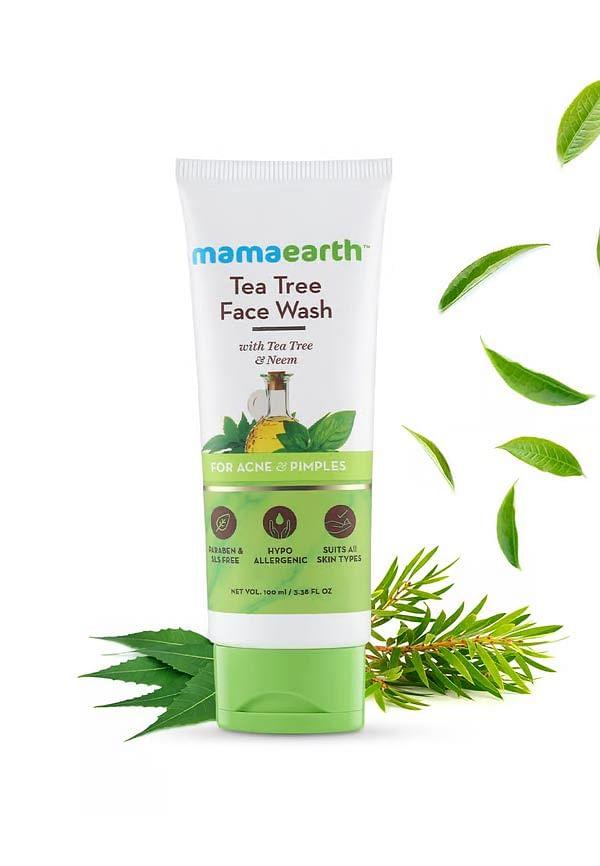
Tea Tree Facewash For Acne & Pimples
Using a clean cotton swab or your fingertips, apply the diluted tea tree oil directly to affected areas. Start with once daily application, preferably in the evening, and gradually increase to twice daily if your skin tolerates it well.
Choosing between spot treatment and full-face application depends on your acne pattern and skin sensitivity. Tea tree oil spot treatment works brilliantly for occasional breakouts or specific problem areas, whilst full-face methods suit those dealing with widespread acne. For spot treatments, you can use slightly higher concentrations (up to 15%) since you're targeting small areas. Mix 2-3 drops of tea tree oil with a teaspoon of carrier oil, then dab directly onto blemishes using a cotton swab.
When applying tea tree oil to your entire face, stick to lower concentrations (5-10%) and always follow up with a gentle moisturiser. Your skin needs that extra hydration to prevent over-drying.
Mix 3-4 drops of tea tree oil into your regular gentle cleanser, or create a simple DIY version by combining 1 cup of distilled water, 1 tablespoon of honey, and 5 drops of tea tree oil. This creates a mild tea tree oil cleanser that's perfect for daily use.
Not all skin is created equal, and your tea tree oil approach should reflect that. These natural acne remedies can be customised based on whether you're dealing with oily, sensitive, or combination skin. Tea tree oil skin treatments work best when they're tailored to your specific needs. Here are some tried-and-tested recipes that actually work.
Mix 2 tablespoons of bentonite clay with enough water to form a paste, then add 3-4 drops of tea tree oil. Apply to clean skin, leave for 10-15 minutes, then rinse with lukewarm water. This combination helps absorb excess oil whilst delivering tea tree oil's antimicrobial benefits.
Combine 1 tablespoon of aloe vera gel with 2 drops of tea tree oil and 1 teaspoon of jojoba oil. This creates a soothing treatment that won't overwhelm sensitive skin whilst still providing acne-fighting benefits.
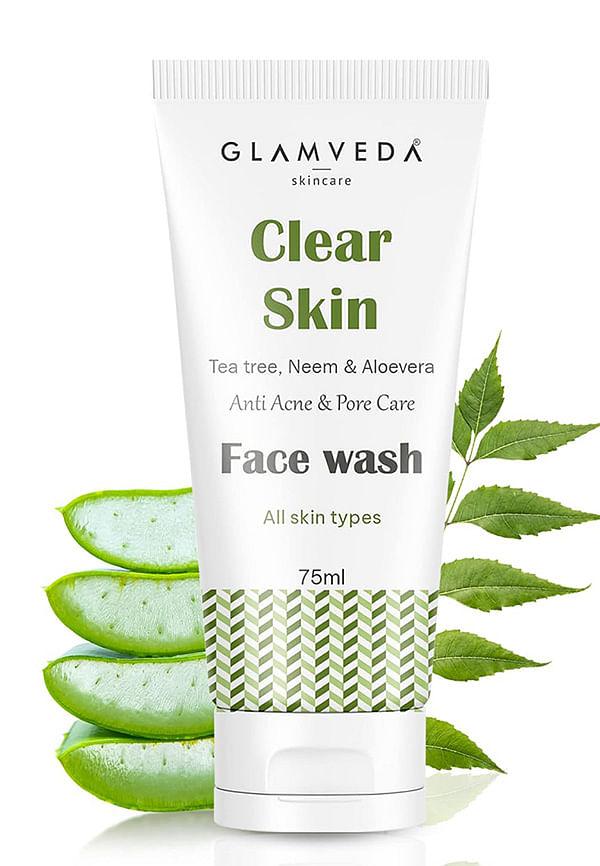
Clear Skin Tea Tree, Neem & Aloe Vera Anti Acne Face Wash
Use a 5% tea tree oil dilution on your T-zone and a gentler 3% mixture on drier areas of your face. This way, you're giving each area exactly what it needs.
Tea tree oil acne scars treatment requires patience and realistic expectations. Whilst tea tree oil won't magically erase deep scars overnight, it can help with post-inflammatory hyperpigmentation and minor textural issues. The key is consistency and combining tea tree oil with other scar-supporting ingredients. Mix tea tree oil with rosehip seed oil, which contains vitamin C and essential fatty acids that support skin regeneration.
For post-acne marks, you might start seeing improvements after 4-6 weeks of consistent use. Deeper scars may take several months to show noticeable changes, and some may require professional treatment.
Combine your tea tree oil treatment with gentle exfoliation using a soft cloth or mild chemical exfoliant once or twice weekly. This helps remove dead skin cells and allows the tea tree oil to penetrate more effectively.
Let's be real about tea tree oil safety—whilst it's natural, it's not automatically gentle. Some people experience contact dermatitis, especially with higher concentrations or prolonged use. Common side effects include redness, dryness, burning, or itching. If you experience any of these, stop using tea tree oil immediately and consult a dermatologist if symptoms persist.
Pregnant or breastfeeding women should consult their healthcare provider before using tea tree oil. People with eczema or very sensitive skin should also exercise extra caution.
Store tea tree oil in a cool, dark place away from direct sunlight. Pure tea tree oil typically lasts 2-3 years when stored properly, but diluted mixtures should be used within 6 months.
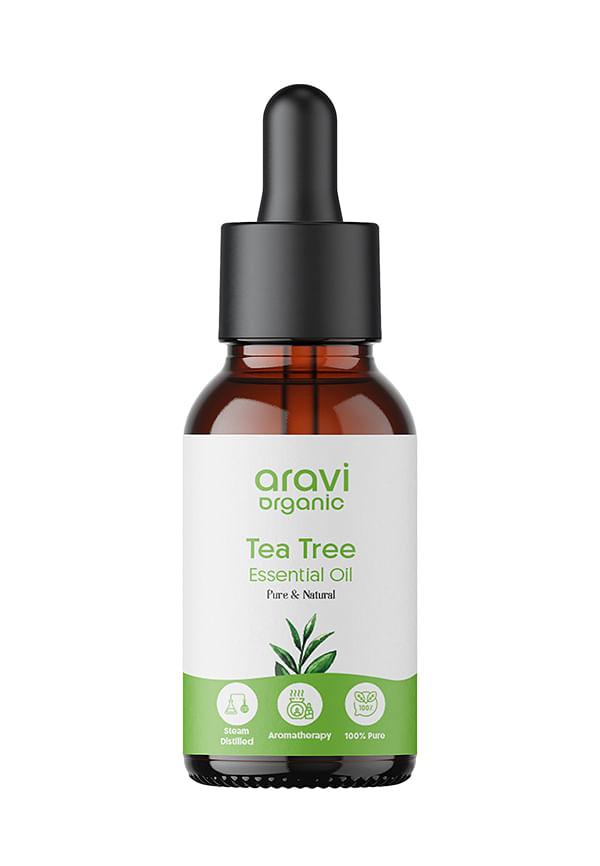
Tea Tree Essential Oil
No, never apply undiluted tea tree oil directly to your skin. Always dilute it with a carrier oil to prevent irritation, burns, or allergic reactions. Start with a 5% dilution and gradually increase if your skin tolerates it well.
Most people start seeing improvements within 2-4 weeks of consistent use. However, significant changes typically take 6-12 weeks. Remember, everyone's skin responds differently, so patience is key.
Some people experience a brief "purging" period where existing acne comes to the surface faster. This usually lasts 1-2 weeks. If breakouts worsen significantly or persist beyond this timeframe, discontinue use.
Beginners should start with 5% concentration, which can be increased to 10% if well-tolerated. Concentrations above 15% are generally not recommended for facial use due to increased irritation risk.
Yes, but introduce products gradually and monitor your skin's response. Avoid combining tea tree oil with other strong actives like retinoids or high-concentration acids initially, as this can cause excessive irritation.
Tea tree oil can be used on sensitive skin, but requires extra caution. Start with very low concentrations (2-3%), always patch test, and consider mixing with soothing ingredients like aloe vera.
Tea tree oil for acne can be a game-changer when used correctly, but it's not a magic bullet. Like any effective skincare ingredient, it requires patience, proper application, and realistic expectations. The key is starting slowly, listening to your skin, and being consistent with your routine. Whilst tea tree oil offers a natural alternative to conventional acne treatments, finding the right products for your skin often involves some trial and error. This is where platforms like Smytten become invaluable—allowing you to explore tea tree oil-containing products from trusted brands without committing to full-size purchases. With over 1,500 brands available in trial sizes, you can discover what works for your unique skin needs. Whether it's a tea tree oil cleanser, spot treatment, or serum, Smytten's trial packs let you test products before investing in the full-size versions, making your skincare journey both affordable and risk-free.
