How to Use Serum: The Ultimate Guide for Glowing Skin


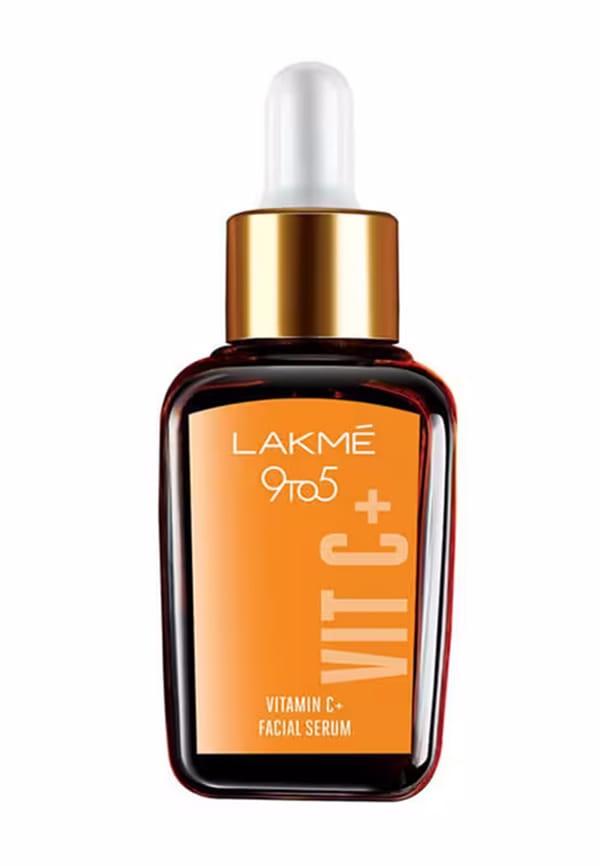
Vitamin C+ Serum
Let's be real—serums are everywhere in skincare right now, and for good reason. These little bottles pack a serious punch when it comes to transforming your skin. Unlike your regular moisturiser or cleanser, serums are concentrated powerhouses filled with active ingredients that dive deep into your skin layers. Whether you're dealing with dullness, fine lines, or just want that natural glow everyone's obsessing over, knowing how to use serum properly can make all the difference. Think of serums as your skin's personal trainer—they work harder and faster than most products, but only if you know the right technique. Ready to master the art of serum application and unlock your best skin yet?
Serums are basically the concentrated essence of skincare. Unlike thick creams or lotions, they have a lightweight, often watery consistency that lets them penetrate your skin much deeper. The magic lies in their molecular structure—these tiny molecules can slip through your skin barrier and deliver active ingredients exactly where they're needed most.
What sets serums apart is their incredible concentration of active ingredients. Where a moisturiser might contain 1-2% of an active ingredient, serums can pack 10-20% or even more. This makes them incredibly effective but also means you need to know proper serum application tips to avoid irritation.
Your skin loves serums because they're designed to be absorbed quickly. The lighter texture means they don't sit on your skin's surface like heavier products might. Instead, they work their way down to the deeper layers where real change happens.
The serum benefits go way beyond just feeling fancy in your routine. They can target specific concerns like hyperpigmentation, dehydration, or signs of ageing with precision that other products simply can't match.
Finding the right serum for skin type is like finding your perfect match—it takes a bit of understanding about what your skin actually needs. Not all serums work for everyone, and using the wrong one can actually make things worse.
Let's break down the main skin types and their serum soulmates. This serum usage guide will help you navigate what can feel like an overwhelming world of options.
If your skin tends to be oily, look for serums with salicylic acid, niacinamide, or tea tree oil. These serum ingredients help control excess oil production and keep pores clear without stripping your skin.
Hyaluronic acid is your best friend here. This ingredient can hold up to 1000 times its weight in water, making it perfect for plumping up thirsty skin. Vitamin E and ceramides also work brilliantly for dry skin types.
Gentle ingredients like chamomile, allantoin, or low-concentration vitamin C are worth trying. Always patch test new serums on sensitive skin—your inner arm is a good spot to test for 24-48 hours.
You might need different serums for different areas of your face. A balancing niacinamide serum often works well for combination skin, or you could use a hydrating serum on dry areas and a mattifying one on your T-zone.
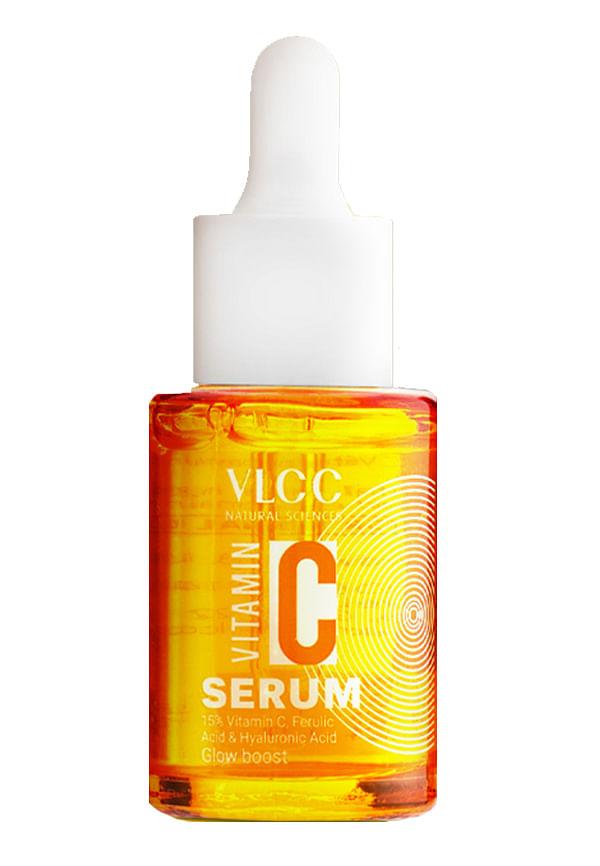
Vitamin C Night Serum
Perfect Product
 4
4“just perfect apply this and suncream daily , changes are stunning”
Now comes the fun part—actually learning how to apply serum properly. Getting this right can mean the difference between seeing real results and wondering why you bothered. Your serum routine should feel effortless once you get the hang of it.
The golden rule? Serums always go on clean skin before heavier products. Think of it as layering from thinnest to thickest consistency.
Start with a gentle cleanser, then pat your skin dry. Apply your serum while your skin is still slightly damp—this helps with absorption. Follow with moisturiser and sunscreen if it's your morning routine.
Less is definitely more with serums. A few drops (about half a dropper or 2-3 drops) is usually enough for your entire face. Using too much won't give you better results and might actually cause irritation.
Gently pat the serum into your skin using your fingertips. Don't rub or massage vigorously—let the product sink in naturally. Give it a minute or two before applying your next product to ensure proper serum absorption.
Some serums work better at different times. Vitamin C is brilliant for morning use as it provides antioxidant protection, while retinol serums are best saved for evening since they can make your skin more sensitive to sun.
Want to use multiple serums? You absolutely can, but there's definitely a right way to do it. Understanding ingredient compatibility will save you from skin irritation and help you get maximum serum effectiveness from your routine.
The key is knowing which ingredients play nicely together and which ones should be kept apart. Some combinations can actually enhance each other's benefits, while others might cancel each other out or cause reactions.
Hyaluronic acid pairs beautifully with almost everything. Vitamin C and vitamin E work well together. Niacinamide can be layered with most ingredients and actually helps calm skin if you're using stronger actives.
Vitamin C and retinol shouldn't be used at the same time—use vitamin C in the morning and retinol at night. AHAs and BHAs can be too much together for sensitive skin. When in doubt, alternate days or use one in the morning and another at night.
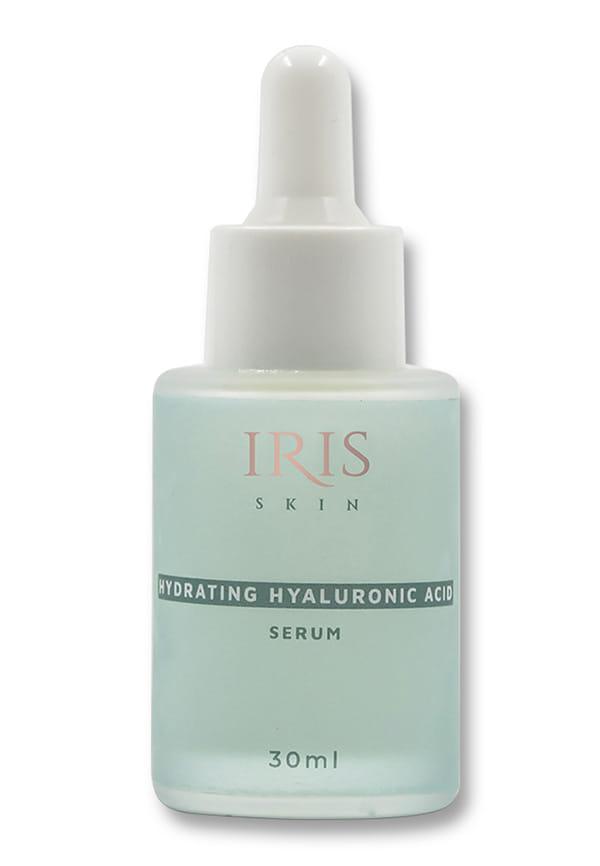
Hydrating Hyaluronic Acid Serum
If you're using multiple serums, apply the thinnest consistency first. Water-based serums go before oil-based ones. Treatment serums (like vitamin C) typically go before hydrating serums (like hyaluronic acid).
Getting the most from your serums isn't just about application—storage, timing, and consistency all play huge roles in serum effectiveness. These pro tips will help you squeeze every bit of benefit from your skincare investment.
Think of serums as delicate ingredients that need a bit of TLC to perform their best. Small changes in how you handle and store them can make a massive difference in results.
Keep serums in a cool, dark place—your bathroom cabinet is perfect. Some vitamin C serums benefit from refrigerator storage, which also feels lovely on the skin. Always keep caps tightly closed to prevent oxidation.
Consistency beats intensity every time. Using a serum regularly at a lower concentration will give better results than sporadic use of a stronger formula. Start slowly with new serums—every other day for the first week, then daily if your skin tolerates it well.
Real results take time—usually 4-6 weeks for most serums. Look for gradual improvements in skin texture, hydration, or whatever concern you're targeting. If you're seeing irritation, scale back usage or try a gentler formula.
Don't apply serum to soaking wet skin—slightly damp is perfect. Avoid using too many new serums at once, which can overwhelm your skin. Never skip sunscreen when using active serums, especially vitamin C or retinol.
The serum vs moisturiser debate confuses loads of people, but they're actually meant to work together, not replace each other. Understanding their different roles will help you build a routine that actually makes sense for your skin.
Think of serums as the treatment step and moisturisers as the protection step. Serums deliver concentrated actives, while moisturisers seal everything in and provide barrier protection.
Serums are brilliant for targeting specific concerns—whether that's brightening, anti-ageing, or acne treatment. They're lightweight and absorb quickly, making them perfect for layering under other products.
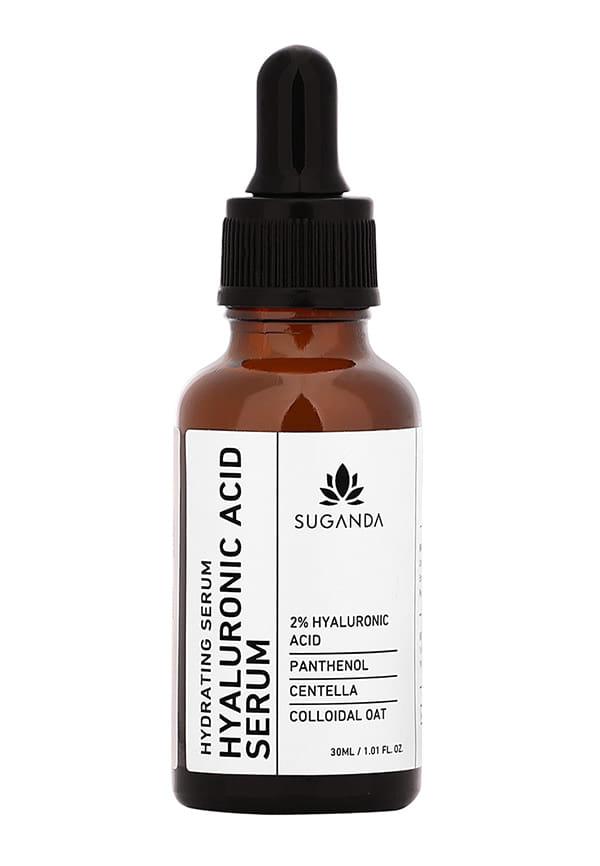
Hyaluronic Acid Serum
Even the most hydrating serum can't replace a good moisturiser. Moisturisers create a protective barrier that prevents water loss and shields your skin from environmental damage. They also help lock in all the good stuff from your serum.
Using both together gives you the best of both worlds—targeted treatment from your serum and protective hydration from your moisturiser. This combination approach is what most dermatologists recommend for healthy, glowing skin.
Platforms like Smytten make discovering your perfect serum match incredibly easy and affordable. With curated trial packs from over 1,500 trusted brands, you can explore different serum formulations without the commitment of full-size purchases. This approach lets you experiment with various serum ingredients and find what works best for your skin type, making your skincare journey both smart and budget-friendly.
Most serums can be used daily, but start slowly—every other day for the first week, then daily if your skin handles it well. Some stronger serums like retinol might only be needed 2-3 times per week.
Absolutely! Look for serums with gentle ingredients like hyaluronic acid, chamomile, or low-concentration vitamin C. Always patch test new products and introduce them gradually into your routine.
Yes, serums typically last 6-12 months once opened. Check for changes in colour, smell, or texture. Vitamin C serums often turn brown when they oxidise, which means they're no longer effective.
Most people notice initial improvements within 2-4 weeks, but significant changes usually take 6-8 weeks of consistent use. Be patient—good skincare is a marathon, not a sprint.
Definitely! Serums work beautifully with cleansers, moisturisers, and sunscreen. Just be mindful of ingredient interactions and always apply products from thinnest to thickest consistency.
Mastering how to use serum properly is one of the best investments you can make in your skincare routine. Remember, it's not about using the most expensive or trendy serum—it's about finding the right formula for your skin type and using it consistently with proper application techniques.
Start with one serum that targets your main skin concern, perfect your application method, and give it time to work. Once you've found your routine sweet spot, you might want to explore additional serums or ingredients that complement your skin's needs.
With Smytten's trial packs, you can discover your perfect serum match without the usual trial-and-error expense. The platform connects you with top skincare brands, letting you explore different formulations and find what truly works for your skin. After all, why settle for maybe when you can #TryItAll and find your skincare soulmate?
