How to Use Salicylic Acid to Prevent Clogged Pores


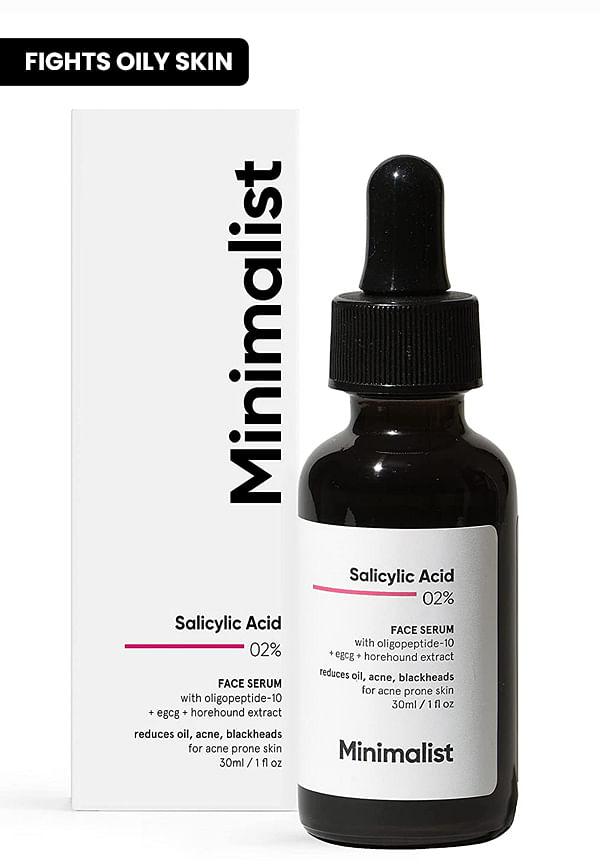
2% Salicylic Acid Serum For Acne, Blackheads & Open Pores
Let's be real—clogged pores are basically the uninvited guests of skincare. They show up without warning, overstay their welcome, and leave your skin looking less than its best. If you've been battling blackheads, whiteheads, or just generally congested skin, you've probably heard whispers about salicylic acid being the hero ingredient. And honestly? Those whispers are spot on. This beta hydroxy acid (BHA) derived from willow bark has become the go-to solution for salicylic acid for clogged pores prevention, and for good reason. It doesn't just sit on your skin's surface—it dives deep into your pores to tackle the root cause of congestion. Ready to discover how this powerhouse ingredient can transform your skincare routine?
Think of salicylic acid as your skin's personal declutterer. Unlike other acids that work on the surface, this clever little molecule is oil-soluble, which means it can slip right through the sebum in your pores and get to work where it's needed most. It's like having a tiny cleaning crew that knows exactly where to go.
Here's where things get interesting. Salicylic acid works through a process called skin exfoliation, but not the kind you're thinking of. Instead of scrubbing away dead skin cells from the surface, it gently dissolves the bonds holding them together inside your pores. This means all that built-up sebum, dead skin, and general gunk gets loosened up and can finally make its exit.
The magic happens because salicylic acid is lipophilic—fancy science speak for "loves oil." Your pores are filled with sebaceous filaments and natural oils, and this BHA can navigate through all of that to provide proper pore cleansing from within.
You might be wondering why not just use glycolic acid or another AHA. Well, here's the thing—those alpha hydroxy acids are water-soluble, so they're brilliant for surface-level concerns but can't penetrate oil-filled pores effectively. It's like trying to clean a greasy pan with just water—you need something that can cut through the oil.
For oily skin care and blemish control, salicylic acid is your best mate because it actually gets where the problem starts. Plus, it has anti-inflammatory properties, so it calms down any irritation whilst it works.
Right, let's get practical. Using salicylic acid isn't rocket science, but there are definitely some dos and don'ts that'll make the difference between clear skin and a potential skincare disaster.
Not all salicylic acid products are created equal, and picking the right one depends on your skin's needs and tolerance level.
Facial cleansers with 0.5-2% salicylic acid are perfect for daily maintenance. They're gentle enough for regular use and help prevent pores from getting clogged in the first place. Think of them as your daily insurance policy against congestion.
Serums with 2% concentration are where things get serious. These are your targeted treatments for when you need to address existing congestion or prevent future breakouts. They're more potent, so you'll want to introduce them gradually.
Spot treatments are your emergency response team. Higher concentrations that you apply directly to problem areas when you need quick acne treatment action.
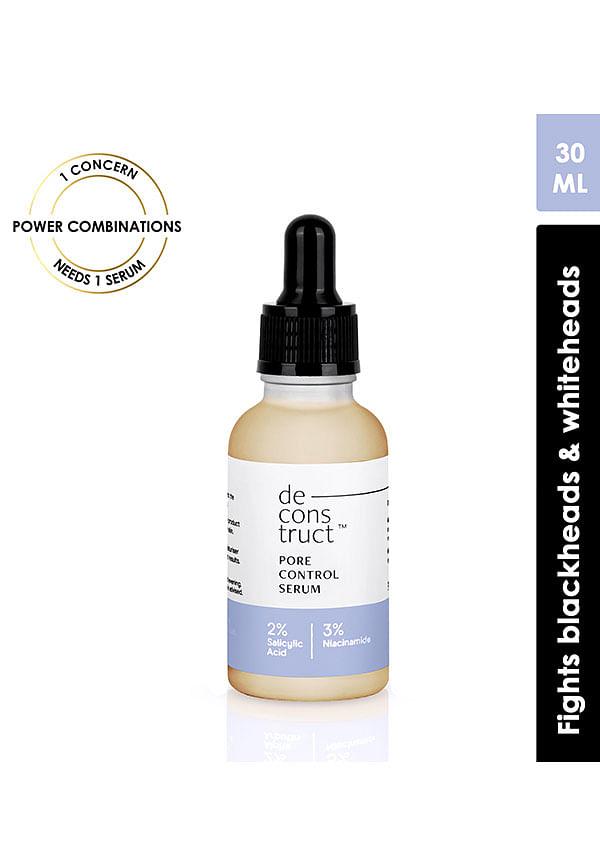
Pore Control Serum Salicylic Acid + Niacinamide Anti Acne Face Serum
Here's where many people go wrong—they think more is better and end up irritating their skin. Start with 2-3 times per week, especially if you're new to salicylic acid. Your skin needs time to adjust, and rushing the process will only set you back.
Always apply to clean, dry skin. If you're using a serum, it goes on before your moisturiser but after cleansing. Give it a few minutes to absorb before layering anything else on top.
The key to successful salicylic acid for clogged pores prevention is consistency, not intensity. Better to use a lower concentration regularly than to blast your skin with high doses sporadically.
Morning or evening? That's the eternal skincare question. For salicylic acid, evening is usually your best bet. It gives the ingredient time to work overnight without interference from makeup or environmental stressors.
Play nicely with others by pairing salicylic acid with gentle, hydrating ingredients like niacinamide and hyaluronic acid. These help maintain your skin barrier whilst the BHA does its thing.
Avoid mixing it with retinol or vitamin C in the same routine—not because they're incompatible, but because your skin might find it overwhelming. Space them out or use them on alternate days.
Let's settle some debates, shall we? The skincare world is full of competing ingredients, each claiming to be the ultimate solution. Here's how salicylic acid stacks up against the competition.
These two are often pitted against each other, but they're actually fighting different battles. Salicylic acid excels at blackhead removal because it can dissolve the plug of dead skin and oil that creates the blackhead in the first place.
Benzoyl peroxide, on the other hand, is an antibacterial powerhouse. It's brilliant for active, inflamed breakouts because it kills the bacteria that cause infection. But for preventing clogged pores? Salicylic acid takes the crown.
Some people use both—salicylic acid for prevention and maintenance, benzoyl peroxide for active breakouts. Just not at the same time, unless you fancy some serious irritation.
Retinoids are the long-term relationship of skincare—they take time to show results but offer comprehensive benefits. Salicylic acid is more like the reliable friend who shows up when you need them.
If you're pregnant or breastfeeding, salicylic acid (in low concentrations) is generally considered safer than retinoids. It's also better for immediate concerns like clogged pores, whilst retinoids are better for overall skin renewal and anti-ageing.
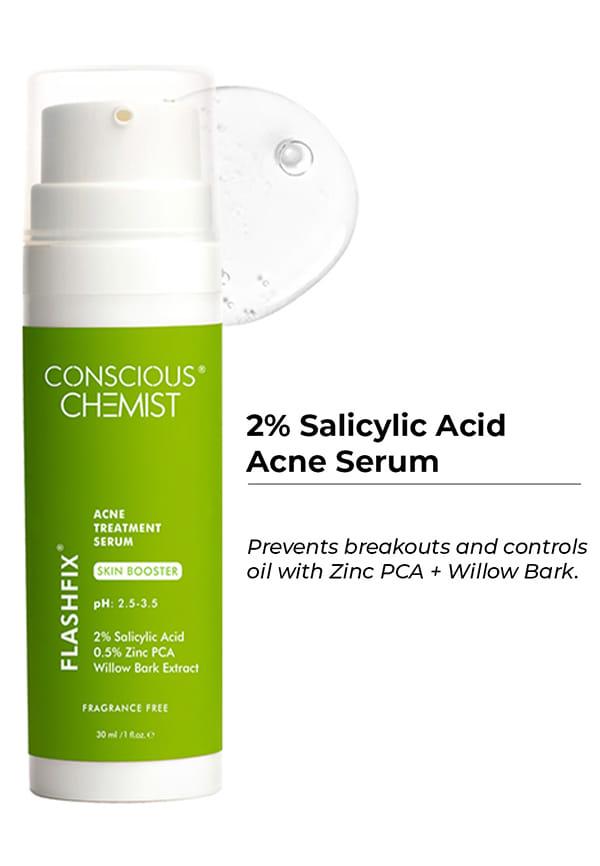
2% Salicylic Acid Acne Treatment Serum
Patience isn't exactly a virtue when you're dealing with skin concerns, but understanding what to expect can help you stick with your routine long enough to see results.
Week 1-2 might feel like a step backwards. Your skin could experience what's called "purging"—existing clogs working their way to the surface faster than usual. It's not fun, but it's actually a sign that the salicylic acid is doing its job.
Week 3-4 is where the magic starts happening. You'll notice your pores looking smaller (they're not actually shrinking, just less congested), and your skin will start feeling smoother. This is when you'll really appreciate the skin smoothing benefits.
Stick with it for 2-3 months, and you'll see the real transformation. Your skin will be less prone to congestion, breakouts will be less frequent, and your overall skin texture will improve significantly.
The beauty of salicylic acid for clogged pores prevention is that it's not just treating existing problems—it's actively preventing new ones from forming. Think of it as skincare insurance.
Even the best ingredients can backfire if you're not using them correctly. Here are the pitfalls to sidestep on your journey to clearer skin.
The biggest mistake? Thinking that if a little is good, more must be better. Overusing salicylic acid can lead to over-exfoliation, leaving your skin red, flaky, and more prone to breakouts—the opposite of what you want.
Signs you've gone too far include persistent redness, stinging when you apply other products, and skin that feels tight or looks shiny in an unhealthy way. If this happens, scale back immediately and focus on gentle, hydrating products until your skin recovers.
Always patch test new products, especially if you have sensitive skin. Apply a small amount to your inner arm and wait 24 hours to see how your skin reacts.
pH matters more than you might think. Salicylic acid works best in a slightly acidic environment (pH 3-4). If you're using it with products that have a high pH, you might be neutralising its effectiveness.
Timing is everything when it comes to layering actives. Give each product time to absorb and do its work before applying the next one. Rushing the process can lead to pilling, irritation, or reduced effectiveness.
And please, for the love of clear skin, wear sunscreen. Salicylic acid can make your skin more photosensitive, and sun damage will undo all your hard work.
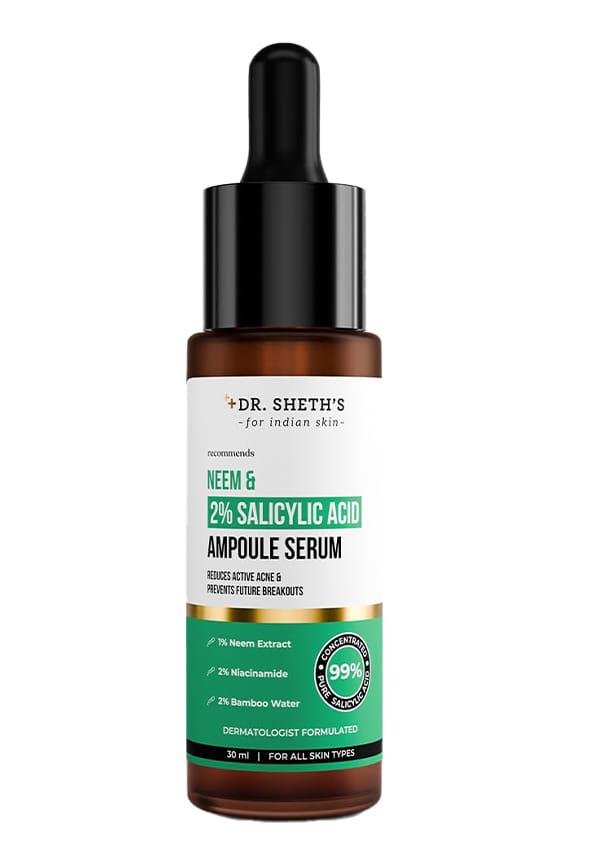
Neem & 2% Salicylic Acid Ampoule Serum
Absolutely! Salicylic acid is one of the most effective ingredients for preventing clogged pores. Its oil-soluble nature allows it to penetrate deep into pores, dissolving the mixture of dead skin cells and sebum that leads to congestion. Regular use helps keep pores clear and prevents the formation of blackheads and whiteheads.
Salicylic acid is generally considered the gold standard for clogged pores. Unlike glycolic or lactic acid (AHAs) that work on the surface, salicylic acid can penetrate oil-filled pores to address congestion at its source. However, some people benefit from alternating between salicylic acid and glycolic acid, depending on their skin type and concerns.
For clogged pores specifically, salicylic acid wins hands down. Glycolic acid is excellent for surface-level concerns like dullness and fine lines, but it can't penetrate oil-filled pores effectively. If you have oily, acne-prone skin, salicylic acid is your best bet. For dry skin with surface texture issues, glycolic acid might be more suitable.
It depends on your primary concern. Salicylic acid is better for preventing clogged pores and treating blackheads, whilst benzoyl peroxide excels at treating active, inflamed acne. Many dermatologists recommend using salicylic acid for prevention and maintenance, and benzoyl peroxide for active breakouts.
Most people start seeing improvements in 2-4 weeks, with significant results after 6-8 weeks of consistent use. The first few weeks might involve some purging as existing clogs work their way to the surface, but this is normal and indicates the product is working.
It depends on your skin's tolerance and the concentration you're using. Start with 2-3 times per week and gradually increase frequency if your skin tolerates it well. Some people can use low-concentration products daily, whilst others do better with every other day. Listen to your skin and adjust accordingly.
Salicylic acid truly is a game-changer when it comes to preventing clogged pores and maintaining clear, smooth skin. Its unique ability to penetrate oil-filled pores sets it apart from other exfoliating acids, making it particularly effective for those dealing with blackheads, whiteheads, and general congestion.
The key to success lies in starting slowly, being consistent, and choosing the right concentration for your skin type. Remember, skincare is a marathon, not a sprint—give your skin time to adjust and respond to this powerful ingredient.
When you're ready to explore salicylic acid products, platforms like Smytten make it easier than ever to find your perfect match. With trial packs from trusted brands, you can test different formulations and concentrations without committing to full-size products. After all, why settle for guesswork when you can try before you buy? Your skin deserves products that work for you, and with the right approach to salicylic acid for clogged pores prevention, clearer, healthier skin is absolutely within reach.
