How to Use Salicylic Acid Cream for Clear Skin

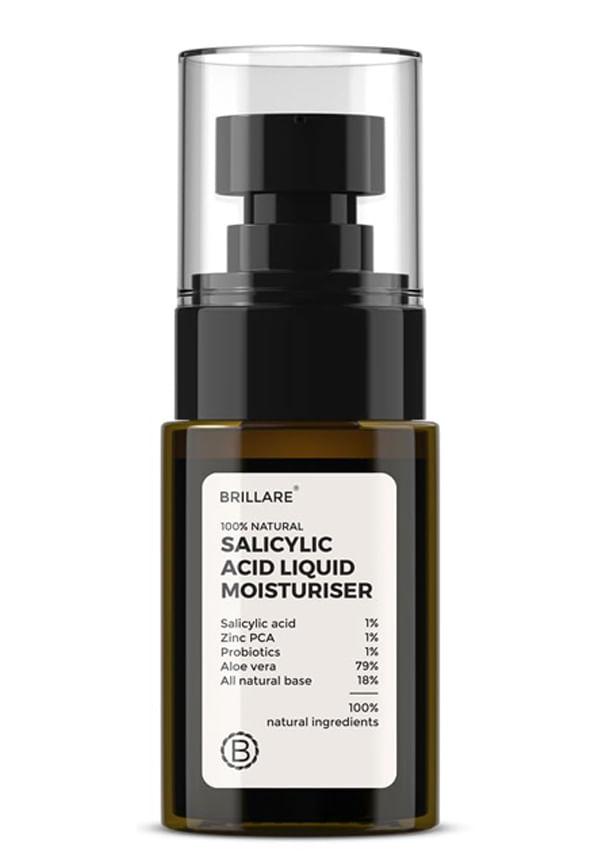
Salicylic Acid Liquid Moisturiser for Clear, Purified, Acne Prone Skin
Struggling with stubborn breakouts and wondering if salicylic acid cream might be your skin's new best mate? You're not alone. This powerhouse ingredient has been helping people achieve clearer skin for decades, but knowing how to use it properly makes all the difference. Whether you're dealing with occasional spots or persistent acne, understanding the ins and outs of salicylic acid cream can transform your skincare game. Let's dive into everything you need to know about this game-changing acne treatment and how to make it work for your unique skin needs.
Salicylic acid is a beta hydroxy acid (BHA) that works like a gentle but effective skin exfoliant. Unlike other acids that only work on the surface, this clever ingredient can actually penetrate deep into your pores to tackle problems at their source. Think of it as your skin's personal cleaner, dissolving the gunk that causes breakouts before they even have a chance to appear. What makes salicylic acid cream particularly brilliant is its anti-inflammatory properties. Not only does it clear out your pores, but it also provides redness relief for angry, inflamed spots. This dual action makes it a proper multitasker in your skincare routine.
The science behind this skin exfoliant is pretty fascinating. Salicylic acid is oil-soluble, which means it can cut through the sebum in your pores and dissolve the dead skin cells that create blockages. This pore cleansing action helps prevent new breakouts whilst treating existing ones. Unlike physical scrubs that can irritate sensitive skin, this anti-inflammatory cream works gently to resurface your skin from within. It's like having a microscopic cleaning crew working around the clock to keep your pores clear.
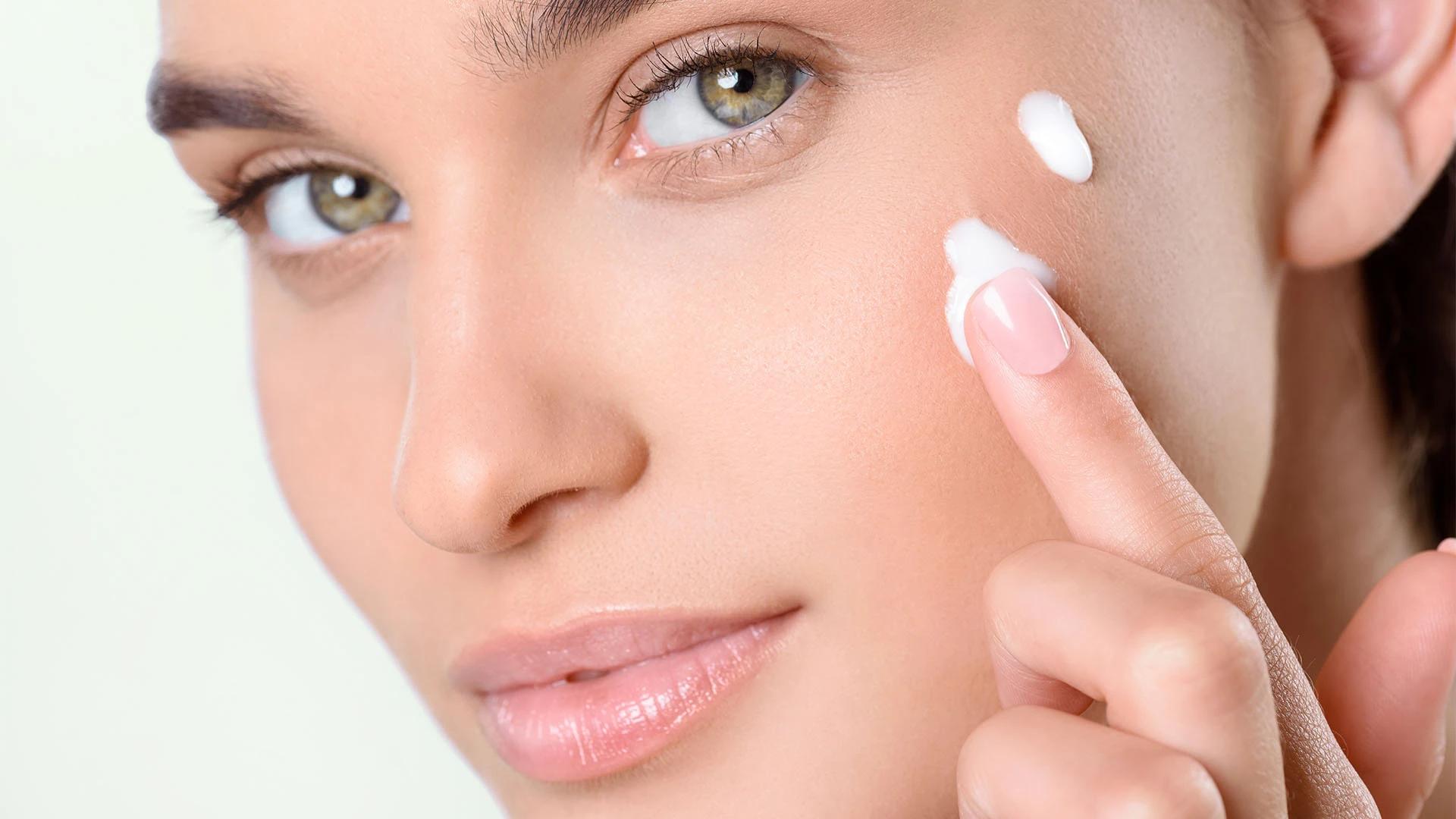
Getting the application right is crucial for seeing results without irritation. Start by cleansing your face with a gentle cleanser—you want a clean canvas for your topical acne cream to work effectively. Pat your skin dry and wait a few minutes before applying the cream. Apply a thin, even layer to the affected areas. Less is definitely more when you're starting out. Focus on areas prone to breakouts like your T-zone, but avoid the delicate eye area. If you're using it for the first time, start with every other evening to let your skin adjust.
Most people find evening application works best, as salicylic acid can make your skin more sensitive to sunlight. Start with 2-3 times per week and gradually increase to daily use as your skin builds tolerance. For blemish control, consistency trumps intensity every time. It's better to use a lower concentration regularly than to go overboard and end up with irritated skin that takes weeks to recover.
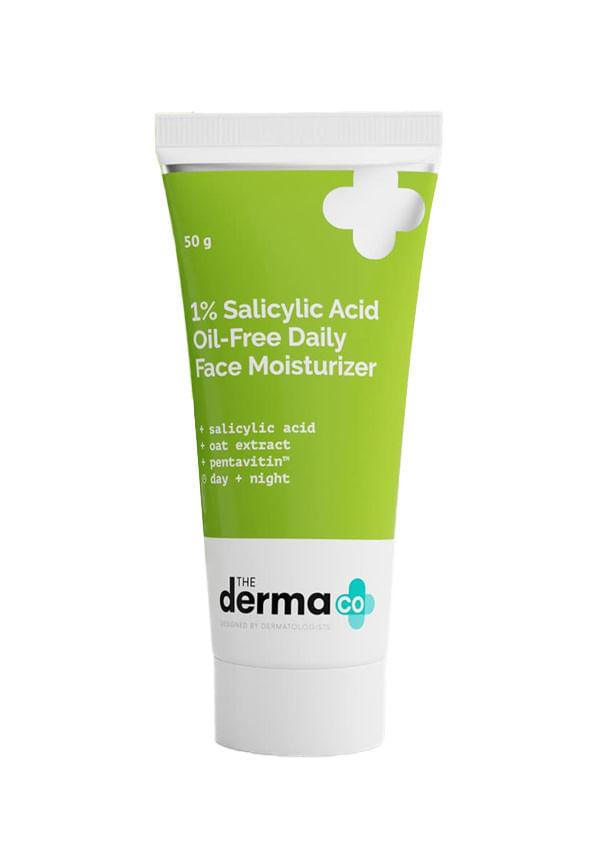
1% Salicylic Acid Oil-Free Face Moisturizer
Alternative to Salicylic Acid Serum
 5
5“great use if u dont want to use salicylic acid serum, just put this moisturizer on alternative days and be gentle”
Hydrating & Good for Sensitive Skin
5“Hydrating and good for sensitive skin”
Hydrating & Good for Sensitive Skin
5“Hydrating and good for sensitive skin”
When incorporating salicylic acid cream into your routine, timing matters. Apply it after cleansing but before moisturiser. If you're using other active ingredients, alternate nights or use them at different times of day to avoid overwhelming your skin. Always follow up with a good moisturiser, even if you have oily skin. The skin smoothing effects of salicylic acid work best when your skin barrier is healthy and hydrated.
Salicylic acid cream comes in various strengths, typically ranging from 0.5% to 2%. If you're new to this ingredient, start with a lower concentration to see how your skin responds. Your skin type and concerns will guide which strength works best for you. For sensitive skin, 0.5% formulations provide gentle acne treatment without overwhelming your skin. Those with oily, acne-prone skin might benefit from 1-2% concentrations for more intensive pore cleansing action.
Creams tend to be more moisturising than gels or serums, making them ideal for normal to dry skin types. The cream base also helps buffer the acid, reducing the likelihood of irritation whilst still delivering effective results. Look for formulations that include complementary ingredients like niacinamide for additional anti-inflammatory benefits, or hyaluronic acid for extra hydration.
One of the biggest mistakes people make is using too much, too soon. Overenthusiasm with salicylic acid can lead to over-exfoliation, leaving your skin red, flaky, and more prone to breakouts. Start slow and build up gradually. Another common error is mixing incompatible ingredients. Combining salicylic acid with retinoids or vitamin C at the same time can cause irritation. If you want to use multiple actives, alternate them or use them at different times of day.
Skipping sunscreen whilst using any skin exfoliant is asking for trouble. Salicylic acid can make your skin more photosensitive, meaning you're more likely to burn or develop pigmentation issues. Daily SPF isn't optional—it's essential. This is especially important if you're using salicylic acid for redness relief, as sun exposure can undo all your progress and make inflammation worse.
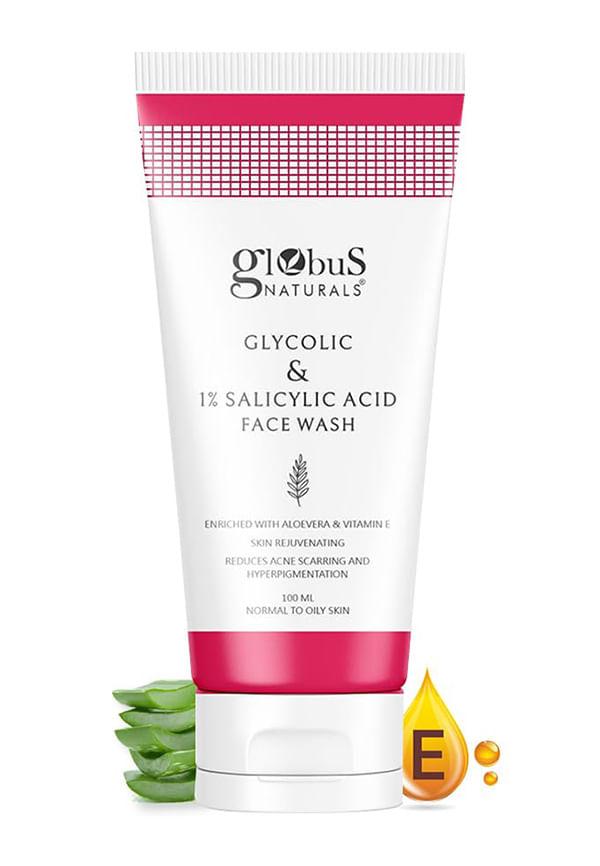
Glycolic & 1% Salicylic Acid Herbal Anti Acne Face Cream
Mixed feelings
4“good product...but it is not so effective”
Excellent Value Facewash
5“very good facewash and very cost-effective”
Great Product and Packaging
5“loved the product and the packaging it's a decent one in the market go for it ”
When you first start using salicylic acid cream, you might experience what's called 'purging'—a temporary increase in breakouts as the ingredient brings underlying congestion to the surface. This usually lasts 2-4 weeks and is actually a sign that the product is working. Mild dryness and peeling are normal initially, but severe irritation isn't. If you experience persistent redness, burning, or excessive dryness, reduce frequency or switch to a lower concentration.
If you're not seeing improvement after 6-8 weeks of consistent use, or if your skin is getting worse, it might be time to consult a dermatologist. Sometimes persistent acne requires prescription treatments or a different approach altogether. Pregnant and nursing mothers should check with their healthcare provider before using salicylic acid, especially in higher concentrations.
Consistency is your best friend when it comes to acne treatment. Set a routine and stick to it, even when you start seeing improvements. Many people make the mistake of stopping treatment once their skin clears, only to have breakouts return. Complement your salicylic acid cream with gentle, non-comedogenic skincare products. A simple routine often works better than layering multiple actives that might conflict with each other.
Whilst topical treatments are important, don't underestimate the impact of lifestyle factors. Adequate sleep, stress management, and a balanced diet all contribute to healthier skin. Your salicylic acid cream will work more effectively when your overall health is in good shape. Regular pillowcase changes, clean makeup brushes, and avoiding touching your face can all support your acne treatment efforts.
With so many skincare products available, finding the right salicylic acid cream can feel overwhelming. This is where platforms like Smytten come in handy—you can try mini versions of different formulations before committing to full-size products. With over 1,500 trusted brands including Cetaphil and Dot & Key, you can explore various options without the financial risk. Smytten's trial packs let you test how different concentrations and formulations work with your skin. You can get up to 8 minis for just ₹249, with 100% cashback redeemable for future purchases. This approach means you can find your perfect match without settling for products that might not suit your skin.
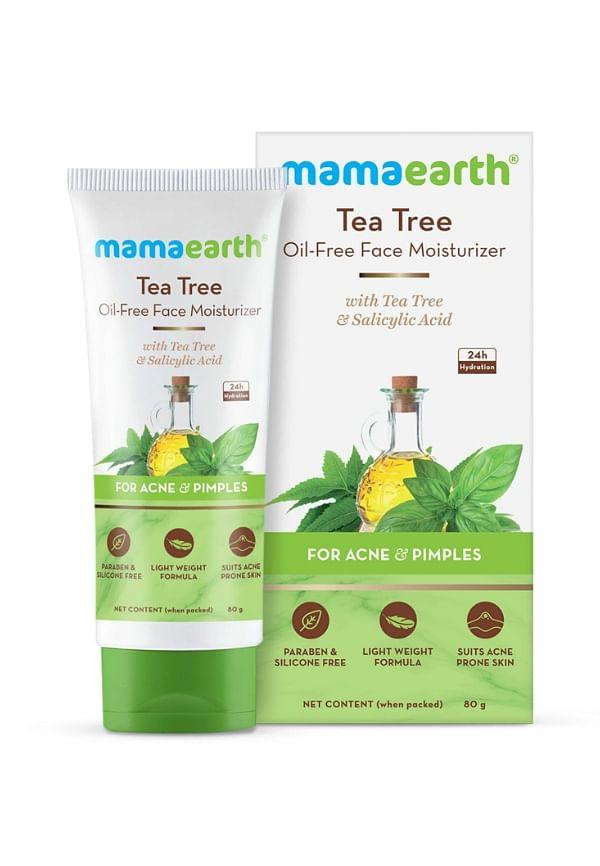
Tea Tree Oil Free Moisturizer For Face For Oily Skin with Tea Tree & Salicylic Acid
Most people notice initial improvements within 2-4 weeks, with significant results appearing after 6-8 weeks of consistent use. Remember, the initial purging period is normal and doesn't mean the product isn't working.
It's best to use these ingredients on alternate nights or at different times of day. Both can be drying, so using them together might cause irritation. Start with one ingredient, establish tolerance, then gradually introduce the other.
Yes, but start with lower concentrations (0.5%) and use less frequently. Always patch test first and introduce gradually. If you experience persistent irritation, discontinue use and consult a dermatologist.
Absolutely! The pore cleansing action of salicylic acid makes it particularly effective for blackheads. It dissolves the oil and dead skin cells that create these blockages, helping to clear existing blackheads and prevent new ones.
Yes, always follow up with a moisturiser. Even oily skin needs hydration, and maintaining a healthy skin barrier actually helps your acne treatment work more effectively.
Salicylic acid cream can be a game-changer for achieving clearer, smoother skin, but success lies in using it correctly. Start slowly, be consistent, and don't forget the basics like sun protection and gentle cleansing. Remember that everyone's skin is different—what works for your mate might not work for you, and that's completely normal. The key is finding the right formulation and concentration for your unique skin needs. With platforms like Smytten, you can explore different options without committing to full-size products immediately. After all, why settle for 'maybe' when you can try it all and find what truly works for your skin? Your journey to clearer skin doesn't have to involve guesswork—it can be an informed, confident choice.
