How to Use Peptides for Sensitive Aging Skin Effectively

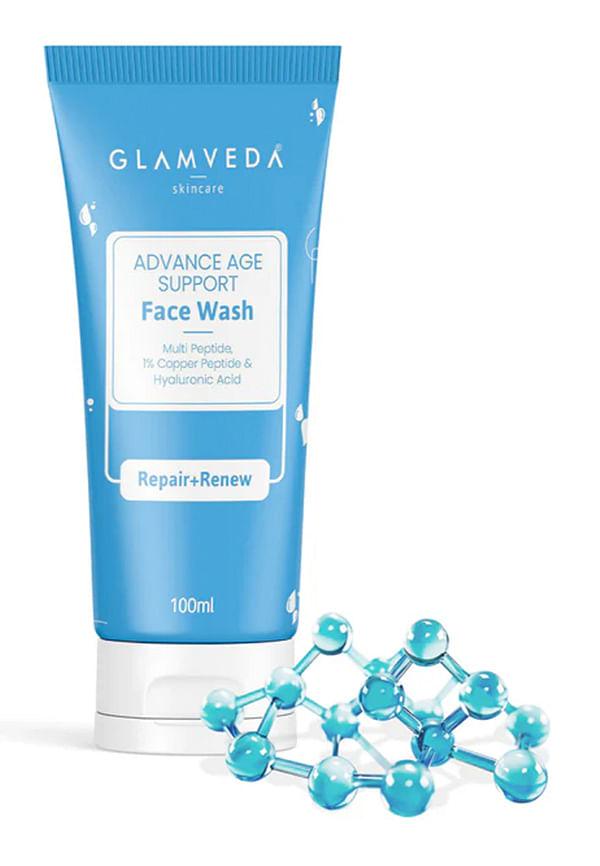
Copper Peptide & Hyaluronic Acid Advance Age Support face Wash
If you've been dealing with sensitive aging skin, you know the struggle is real. Finding effective anti-aging ingredients that won't leave your face red, irritated, or worse can feel impossible. Enter peptides for sensitive aging skin – the gentle yet powerful solution that's changing the game. Unlike harsh retinoids or strong acids that can trigger reactions, peptides work with your skin's natural processes to boost collagen, reduce wrinkles, and repair damage without the drama. Think of them as your skin's personal trainers, encouraging cells to work harder while being incredibly kind to sensitive complexions.
Let's break down what makes peptides skincare such a brilliant choice for those with reactive skin. Peptides are essentially short chains of amino acids – the building blocks of proteins like collagen and elastin that keep your skin firm and youthful. When applied topically, these clever molecules act as messengers, telling your skin cells to ramp up collagen production and repair themselves more efficiently.
What makes peptides absolutely perfect for sensitive skin peptides users is their gentle approach. While ingredients like retinol force rapid cell turnover (often causing irritation), peptides work more like a supportive friend, encouraging your skin to naturally improve itself. They penetrate the skin barrier without disrupting it, making them ideal for those who've had bad experiences with other anti-aging treatments.
The science behind peptide effectiveness is fascinating. These molecules are small enough to slip through your skin's protective barrier and communicate directly with cells. They essentially trick your skin into thinking it needs to produce more collagen, triggering the natural repair processes that slow down as we age. Unlike acids that strip away layers or retinoids that can cause peeling, peptides strengthen and support your existing skin structure.
Compared to other anti-aging powerhouses, peptides are the gentle giants of skincare. While a strong retinoid might give you results alongside redness and flaking, peptides deliver improvements without the side effects. This makes them perfect for anyone whose skin throws a tantrum at the first sign of active ingredients.
Not all anti-aging peptides are created equal, and understanding the different types helps you choose what's right for your skin goals. Each category works differently, offering unique peptide benefits for skin that target specific aging concerns.
These are the superstars of the peptide world, with Matrixyl (Palmitoyl Pentapeptide-4) leading the charge. Signal peptides work by sending messages to your skin cells, basically saying "Hey, we need more collagen over here!" They're particularly brilliant for sensitive skin because they stimulate natural collagen production without causing any irritation. Think of them as your skin's personal motivational coach, encouraging it to bounce back to its younger self.
Copper peptides are the stars here, especially GHK-Cu, which acts like a delivery service for essential minerals your skin needs for repair. These peptides carry copper ions deep into your skin, where they help rebuild damaged tissue and boost collagen synthesis. For sensitive aging skin, copper peptides are particularly valuable because they're anti-inflammatory, actually calming irritation while they work their magic.
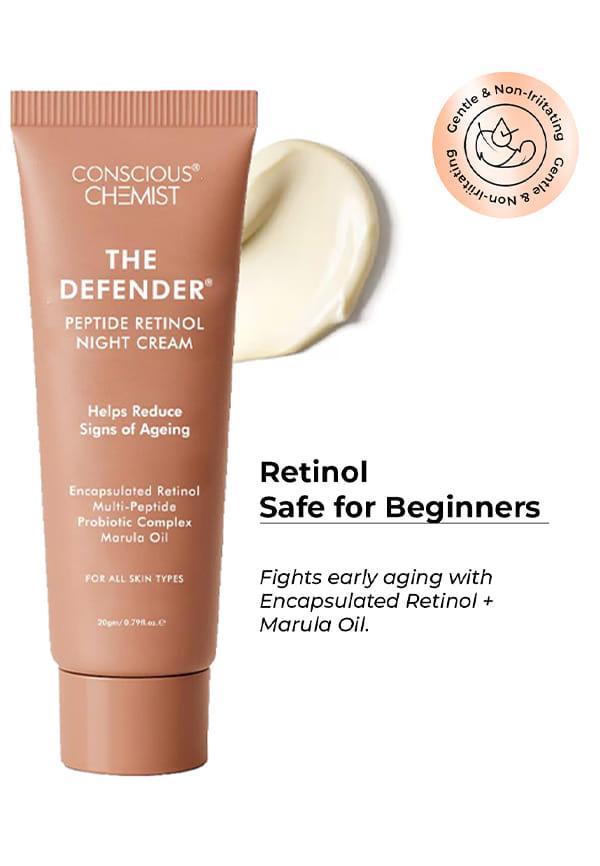
Multi Peptide Retinol Anti Aging Night Cream For Fine Lines & Sagging Skin
Argireline is the gentle alternative to more aggressive wrinkle treatments. These peptides work by slightly relaxing facial muscles, reducing the formation of expression lines without the frozen look or potential irritation of stronger treatments. They're perfect for sensitive skin types who want to address dynamic wrinkles around the eyes and forehead without risking reactions.
These protective peptides work by blocking enzymes that break down collagen and elastin. They're like bodyguards for your existing collagen, preventing further damage while other peptides work on building new support structures. For sensitive skin, this protective action is crucial because it helps maintain skin barrier function while delivering anti-aging benefits.
When it comes to choosing the best peptides for face treatments, certain peptides have proven track records for delivering results without irritation. Peptides for wrinkles work differently than harsh alternatives, making them ideal for sensitive skin types who've struggled with other treatments.
Matrixyl 3000 consistently tops the list for skin firming peptides because clinical studies show it can boost collagen production by up to 117% without causing irritation. Palmitoyl Tripeptide-1 and Palmitoyl Tetrapeptide-7 work together to reduce inflammation while stimulating collagen synthesis, making them perfect for sensitive skin that needs gentle yet effective treatment.
For eye area concerns, Eyeseryl (Acetyl Tetrapeptide-5) specifically targets puffiness and fine lines around the delicate eye area. It's particularly gentle, making it suitable even for the most reactive skin types. Snap-8 (Acetyl Octapeptide-3) offers a gentler alternative to Argireline for expression lines, providing muscle-relaxing benefits without potential sensitivity.
The timeline for visible results varies, but most people notice improved skin texture within 4-6 weeks, with more significant wrinkle reduction appearing after 8-12 weeks of consistent use. The key is patience – peptides work gradually but deliver lasting results without the irritation cycle that often comes with stronger treatments.
Selecting the perfect peptide serum for sensitive skin requires looking beyond just the peptide content. The best aging skin solutions combine effective peptides with supporting ingredients that enhance their benefits while maintaining gentleness.
Look for serums containing 2-5% peptide concentrations – enough to be effective without overwhelming sensitive skin. Hyaluronic acid is an excellent companion ingredient, providing hydration that helps peptides penetrate better while soothing any potential irritation. Niacinamide works beautifully with peptides, offering additional anti-aging benefits while strengthening the skin barrier.
Avoid peptide products containing high concentrations of acids, alcohol, or strong fragrances, as these can counteract the gentle benefits peptides offer. Instead, look for formulations with ceramides, squalane, or botanical extracts like chamomile or green tea that support sensitive skin.
Serum formats are generally best for peptide delivery because they're lightweight and absorb quickly without leaving residue that might clog pores or feel heavy on sensitive skin. However, if your skin is extremely dry, a peptide cream might provide the extra moisture barrier you need while delivering active ingredients.
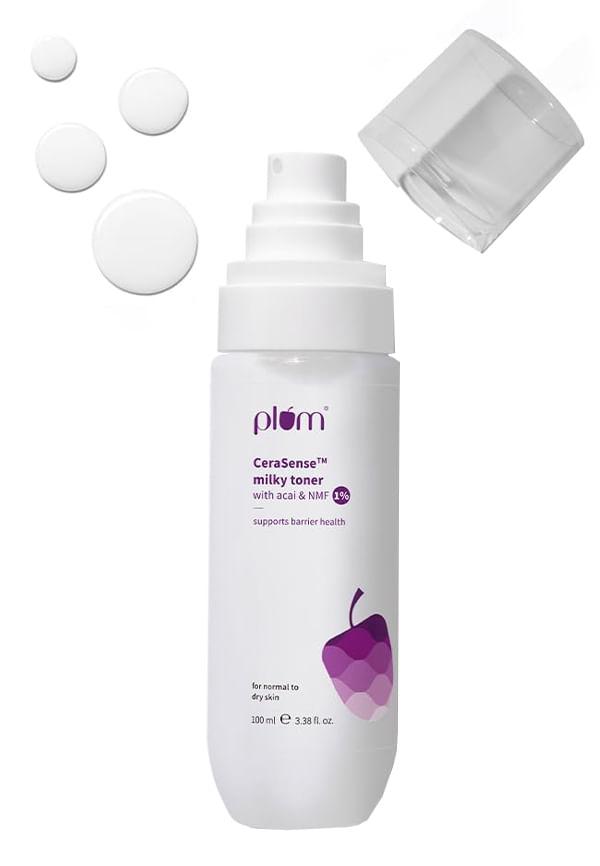
CeraSense Milky Toner with Ceramides & Peptides
Getting the most from peptides for sensitive aging skin requires a thoughtful approach to application and timing. The key is introducing them gradually and layering them correctly with your existing routine.
Apply your peptide serum to clean, slightly damp skin – the moisture helps with absorption. Follow with a gentle moisturiser and always finish with broad-spectrum SPF 30 or higher. Peptides work beautifully under sunscreen and actually help protect against environmental damage throughout the day.
Evening application allows peptides to work during your skin's natural repair cycle. After cleansing, apply peptides before heavier treatments but after any toners or essences. If you're using other active ingredients, introduce them slowly – peptides play well with most ingredients but sensitive skin needs time to adjust to any new routine.
Start with every other evening for the first week, then gradually increase to daily use as your skin adjusts. If you experience any irritation, scale back and build tolerance slowly. Most sensitive skin types can eventually use peptides twice daily, but there's no rush – consistent gentle use beats aggressive application that leads to irritation.
Even though sensitive skin peptides are generally well-tolerated, certain mistakes can still cause problems. The most common error is using too much product too quickly – more isn't always better, especially with sensitive skin.
Potential side effects are rare but can include mild redness or tingling when first starting. This usually subsides within a few days as your skin adjusts. However, if irritation persists or worsens, discontinue use and consider consulting a dermatologist.
Avoid mixing peptides with strong acids or retinoids initially, as this combination might overwhelm sensitive skin. While peptides are generally compatible with most ingredients, introducing multiple actives simultaneously can trigger reactions in reactive skin types.
Watch for signs of overuse, including increased sensitivity, breakouts, or skin that feels tight or uncomfortable. These symptoms suggest you need to reduce frequency or concentration until your skin builds tolerance.
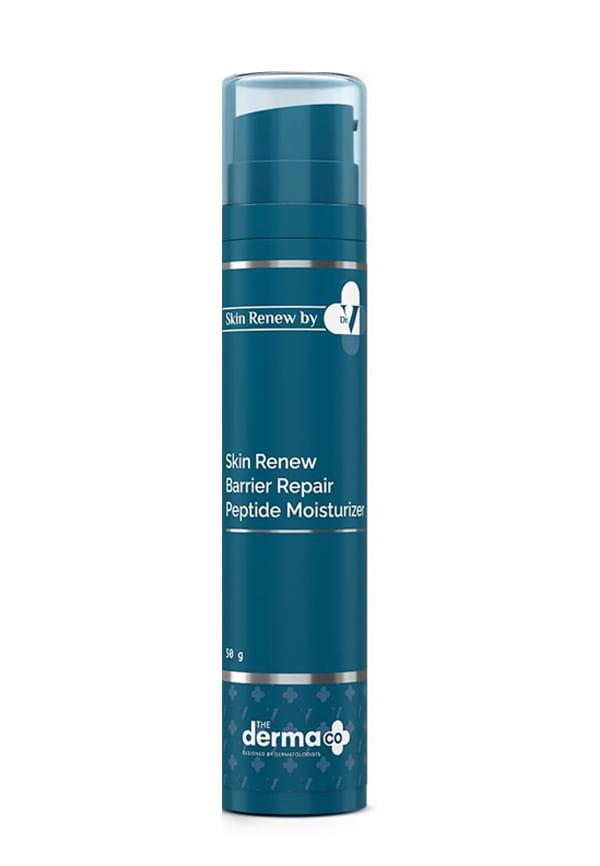
Skin Renew Barrier Repair Peptide Moisturizer with Peptide & Vitamin C
Matrixyl 3000, copper peptides (GHK-Cu), and Argireline are among the most effective for aging concerns. For sensitive skin specifically, Matrixyl 3000 offers excellent anti-aging benefits with minimal irritation risk, while copper peptides provide both collagen-boosting and anti-inflammatory benefits.
Absolutely! Peptides are one of the gentlest anti-aging ingredients available. Unlike retinoids or acids that can cause irritation, peptides work with your skin's natural processes, making them ideal for sensitive skin types who want effective anti-aging benefits without the drama.
Most people notice improved skin texture and hydration within 4-6 weeks, with more significant anti-aging benefits appearing after 8-12 weeks of consistent use. Peptides work gradually but deliver lasting results, making patience key to success.
Yes, but introduce them gradually if you have sensitive skin. Peptides work well with hyaluronic acid, niacinamide, and vitamin C. Start with peptides alone, then slowly add other ingredients once your skin has adjusted.
Serums typically offer better peptide penetration due to their lightweight formulation, while creams provide additional moisture and barrier protection. For sensitive aging skin, serums are often the better choice as they're less likely to clog pores or feel heavy.
Finding the right anti-aging solution for sensitive skin doesn't have to be a minefield of irritation and disappointment. Peptides for sensitive aging skin offer a gentle yet effective path to healthier, more youthful-looking skin without the harsh side effects that often come with other treatments.
The beauty of peptides lies in their ability to work with your skin rather than against it, making them perfect for anyone who's struggled with reactive skin but still wants to address aging concerns. Whether you're dealing with fine lines, loss of firmness, or general skin fatigue, there's likely a peptide solution that can help without causing drama.
When you're ready to explore peptide skincare, platforms like Smytten make it easier than ever to discover what works for your unique skin needs. As India's largest product discovery platform, Smytten offers curated trial packs from over 1,500 trusted brands, letting you test peptide products before committing to full sizes. With options to try up to 8 minis for just ₹249 and 100% cashback on trial purchases, you can explore different peptide formulations risk-free. This approach is particularly valuable for sensitive skin types who need to test products carefully before finding their perfect match. After all, why settle for maybe when you can try it all and find what truly works for your skin?
