How to Use Peptides for Barrier Strengthening for Healthier Skin


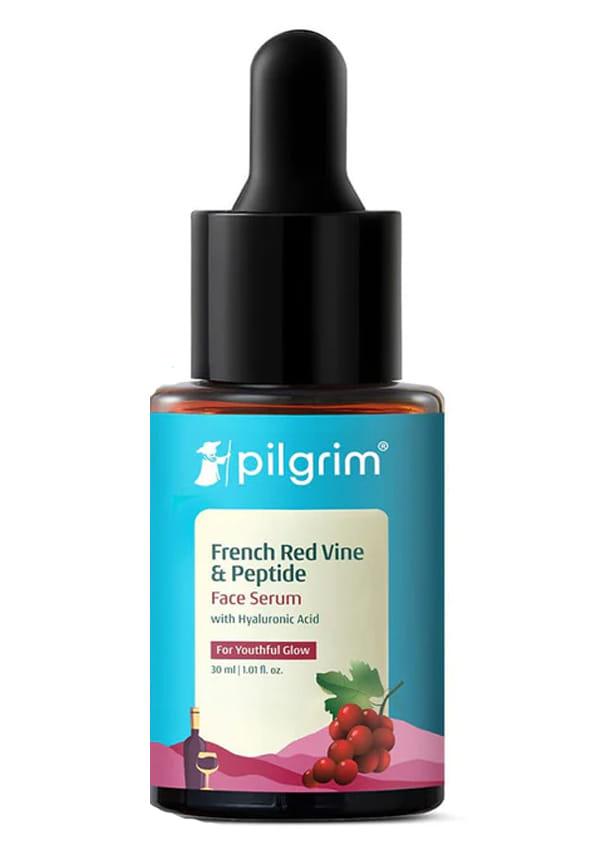
Red Vine Face Serum with Peptides & Hyaluronic Acid
Your skin barrier is basically your body's first line of defence against the world—pollution, harsh weather, bacteria, you name it. When it's working properly, your skin looks plump, feels smooth, and stays hydrated. But when it's compromised? Hello, irritation, dryness, and that tight feeling that makes you want to slather on every moisturiser in sight. That's where peptides for barrier strengthening come in. These clever little molecules work like tiny messengers, telling your skin cells exactly what they need to do to repair and rebuild that protective wall. Think of them as your skin's personal trainers, coaching it back to its strongest, healthiest state.
Let's get real about what's actually happening on your face. Your skin barrier isn't just one thing—it's a complex system that deserves some serious respect. When you understand how it works, you'll see why skin barrier peptides are such game-changers for keeping everything in tip-top shape.
Picture your skin barrier as a brick wall, where the 'bricks' are dead skin cells and the 'mortar' is a mix of lipids, ceramides, and cholesterol. This outermost layer, called the stratum corneum, might sound boring, but it's doing some serious heavy lifting. It keeps water in and nasties out, maintaining that perfect balance your skin craves.
When this barrier is strong, your skin can regulate moisture levels, fight off environmental stressors, and maintain its natural pH. It's like having a really good bouncer at the door of your favourite club—only the good stuff gets through.
Your skin has its own way of crying for help when the barrier is struggling. You might notice increased sensitivity to products that never bothered you before, persistent dryness despite using moisturiser, or that annoying tight feeling after cleansing.
Other red flags include frequent breakouts, redness that won't budge, or skin that just looks dull and tired. Environmental factors like pollution, over-exfoliation, harsh weather, and even stress can weaken your barrier over time. Sometimes traditional moisturisers just aren't cutting it because they're only addressing the surface—not the underlying structural issues.
Here's where things get fascinating. Peptide skin repair works because peptides are essentially fragments of proteins that can communicate with your skin cells. They're small enough to penetrate the skin's surface and smart enough to trigger specific responses.
When peptides reach your skin cells, they act like little instruction manuals, telling cells to produce more collagen, increase hydration, or ramp up repair processes. Unlike some ingredients that just sit on top of your skin looking pretty, peptides actually get to work at a cellular level, making them incredibly effective for long-term barrier health.
Not all peptides are created equal, and knowing which ones to look for can make all the difference in your skincare routine. Different types of peptides have different superpowers, so let's break down the star players in the skin barrier support game.
Copper peptides, particularly GHK-Cu, are like the overachievers of the peptide world. They're brilliant at stimulating collagen production while also having anti-inflammatory properties that make them perfect for sensitive or compromised skin.
What makes copper peptides special is their ability to promote wound healing and tissue repair. Clinical studies have shown they can significantly improve barrier function while reducing inflammation—basically giving you stronger, calmer skin in one go.
Signal peptides like palmitoyl pentapeptide and palmitoyl tetrapeptide are the communicators of the group. They send messages to your skin cells to boost natural repair processes and increase the production of essential barrier components.

Hyphen Power Peptides Cocktail Serum
These peptides are particularly good at encouraging your skin to make more of the structural proteins it needs for a strong barrier. Think of them as motivational speakers for your skin cells, getting them fired up to do their best work.
Carrier peptides are the delivery experts—they transport essential minerals like copper and zinc to where they're needed most. Neurotransmitter peptides, on the other hand, work more on muscle relaxation and can help with expression lines.
For barrier strengthening specifically, carrier and signal peptides tend to be your best bet. You can safely combine different types, but it's worth starting with one category and seeing how your skin responds before layering on multiple peptide products.
Shopping for a barrier repair serum can feel overwhelming when you're faced with endless options and fancy marketing claims. The key is knowing what to look for beyond just the word 'peptides' on the label.
The best barrier repair serums don't rely on peptides alone—they're team players. Look for formulations that include ceramides, which help rebuild the lipid barrier, and niacinamide, which reduces inflammation and regulates oil production.
Hyaluronic acid is another brilliant teammate, helping to maintain hydration levels while the peptides do their repair work. The concentration matters too—effective peptide serums typically contain between 2-10% peptides, though more isn't always better if the formulation isn't well-balanced.
If your skin tends to react to new products, peptides for sensitive skin are actually a smart choice because they're generally well-tolerated. Start with gentler options like palmitoyl tripeptide or copper peptides, which have anti-inflammatory properties.
Always patch test new peptide products on a small area first, and introduce them gradually—maybe every other night to start. Avoid combining peptides with strong actives like retinoids or acids initially, until you know how your skin responds.
Marketing names can be misleading, so look for the actual INCI names on ingredient lists. Quality peptide products will list specific peptides like 'Palmitoyl Pentapeptide-4' rather than vague terms like 'peptide complex.'
Packaging matters too—peptides can be unstable, so look for products in dark, airless containers. Price isn't always an indicator of quality, but extremely cheap peptide products might not contain effective concentrations.
Getting the most out of your peptide skincare routine is all about timing and layering. The good news is that peptides play well with most other ingredients, making them relatively easy to incorporate into your existing routine.
Start your morning with a gentle cleanser, then apply your peptide serum to clean, slightly damp skin. This helps with absorption and gives the peptides the best chance to penetrate effectively.
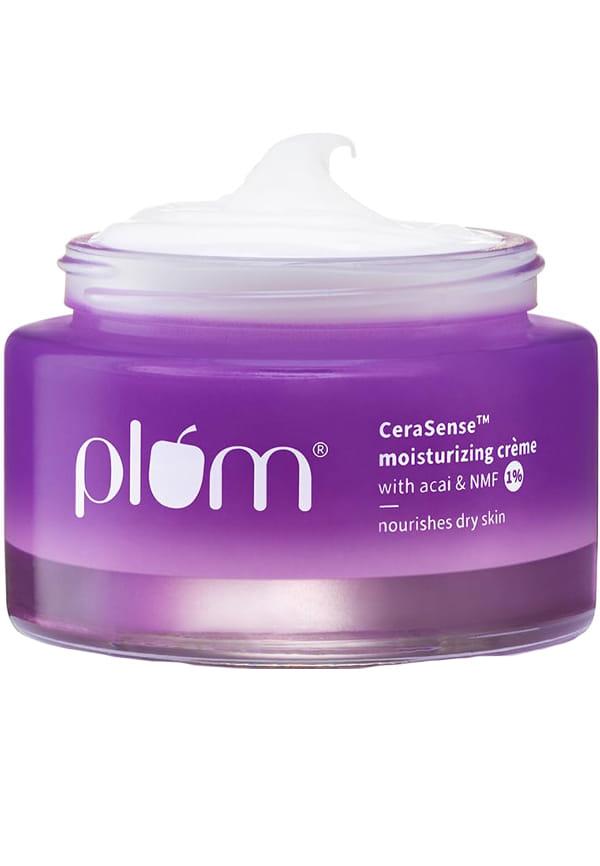
CeraSense Moisturizing Crème with Ceramides & Peptides
Follow with a moisturiser and always finish with SPF. Peptides can make your skin more photosensitive initially, so sun protection is non-negotiable. Wait about 5-10 minutes between each step to allow proper absorption.
Evening is prime time for barrier repair, as your skin's natural regeneration processes kick into high gear while you sleep. After cleansing, apply your peptide serum and follow with a nourishing night moisturiser.
If you use retinoids or acids, introduce them slowly and on alternate nights to your peptide routine initially. Once your skin adjusts, you can often use them together, but peptides should go on first as they need direct contact with skin to work effectively.
Consider adding a peptide mask once or twice a week for an extra boost. These intensive treatments can help accelerate barrier repair, especially if you're dealing with particularly compromised skin.
Consistency is more important than frequency—using your peptide serum every day will give better results than using a stronger concentration sporadically. Track your progress with photos or notes about how your skin feels, as barrier improvements can be gradual.
Even the best intentions can go wrong if you're not using peptides correctly. Let's talk about the most common slip-ups that can sabotage your strengthening skin barrier efforts, so you can avoid them entirely.
One of the biggest mistakes is applying peptides over other products instead of on clean skin. Peptides need direct contact with your skin to work their magic, so they should go on first after cleansing.
Another common error is using incompatible ingredients at the same time. While peptides are generally gentle, combining them with high-concentration vitamin C or strong acids can reduce their effectiveness. Layer wisely and give each product time to absorb.
Here's the truth—peptide benefits for skin aren't instant. You might notice some immediate hydration, but real barrier strengthening takes time. Most people see noticeable improvements around the 4-6 week mark, with significant changes happening after 8-12 weeks of consistent use.
Consistency trumps concentration every time. Using a moderate-strength peptide serum daily will give better results than using a super-strong one occasionally. Your skin barrier didn't get damaged overnight, and it won't repair overnight either.
If your skin barrier is seriously compromised—maybe from over-exfoliation, medical treatments, or environmental damage—you might need to level up your approach. These advanced strategies can help accelerate the healing process while preventing further damage.
If you're getting professional treatments like chemical peels or laser procedures, peptides can be brilliant for post-treatment care. They help speed up healing and reduce downtime while strengthening the barrier that's been temporarily compromised.
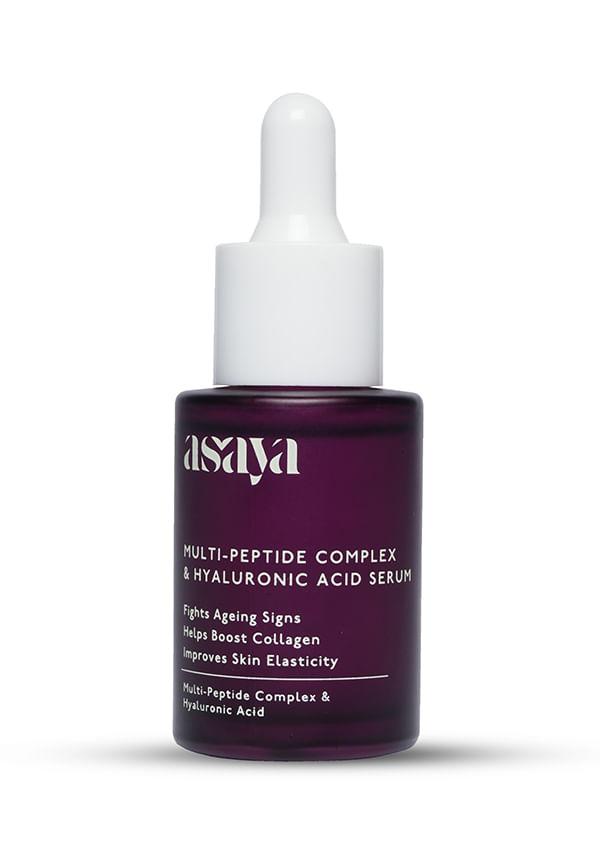
Multi-Peptide Complex & Hyaluronic Acid Face Serum
Always check with your dermatologist about when to restart your peptide routine after professional treatments. Some procedures require a brief break from all actives, while others benefit from immediate peptide support.
Your skin's needs change with the seasons, and your peptide routine should adapt accordingly. In winter, you might need richer formulations or more frequent application, while summer might call for lighter textures that won't feel heavy under SPF.
Travel can also disrupt your barrier, so consider packing peptide minis for trips. The change in climate, water quality, and routine can stress your skin, making peptide support even more valuable.
Speaking of trying new products, platforms like Smytten make it incredibly easy to test different peptide formulations without committing to full sizes. With trial packs from trusted brands, you can discover which peptide products work best for your skin before investing in the full-size versions. It's a smart way to build your perfect barrier-strengthening routine without the guesswork.
Yes, peptides work as cellular messengers that signal your skin to increase collagen production, improve hydration retention, and enhance natural repair processes. Clinical studies show they can significantly strengthen barrier function over time.
Most people notice initial improvements in hydration and comfort within 2-4 weeks. Significant barrier strengthening typically occurs after 8-12 weeks of consistent daily use.
Yes, but introduce them gradually. Start by using them on alternate nights, then you can often use them together once your skin adjusts. Apply peptides first, as they need direct skin contact to be effective.
Absolutely. Peptides are generally well-tolerated and can actually help reduce sensitivity by strengthening the protective barrier. Start with gentler options like copper peptides, which have anti-inflammatory properties.
Peptide serums typically have higher concentrations and better penetration due to their lighter texture. Barrier repair creams provide additional occlusive protection and hydration but may have lower peptide concentrations.
Both times can be beneficial, but evening application may be more effective as skin repair processes are naturally enhanced during sleep. Morning use is fine too, just ensure you follow with SPF.
Building a stronger skin barrier with peptides isn't about quick fixes—it's about giving your skin the tools it needs to repair and protect itself long-term. The key is choosing the right peptides for your specific concerns, using them consistently, and being patient with the process.
Remember that skin barrier health is influenced by everything from your environment to your stress levels, so peptides work best as part of a holistic approach to skincare. Whether you're dealing with sensitivity, dryness, or just want to maintain healthy skin, peptides can be a valuable addition to your routine.
The beauty of peptides is that they work with your skin's natural processes rather than against them. With consistent use and realistic expectations, you'll likely find that your skin becomes more resilient, comfortable, and healthy-looking over time. And with trial options available through platforms that let you test products before committing, there's never been a better time to explore what peptides can do for your skin barrier.
