How to Use Niacinamide Safely: Avoiding Side Effects on Your Face

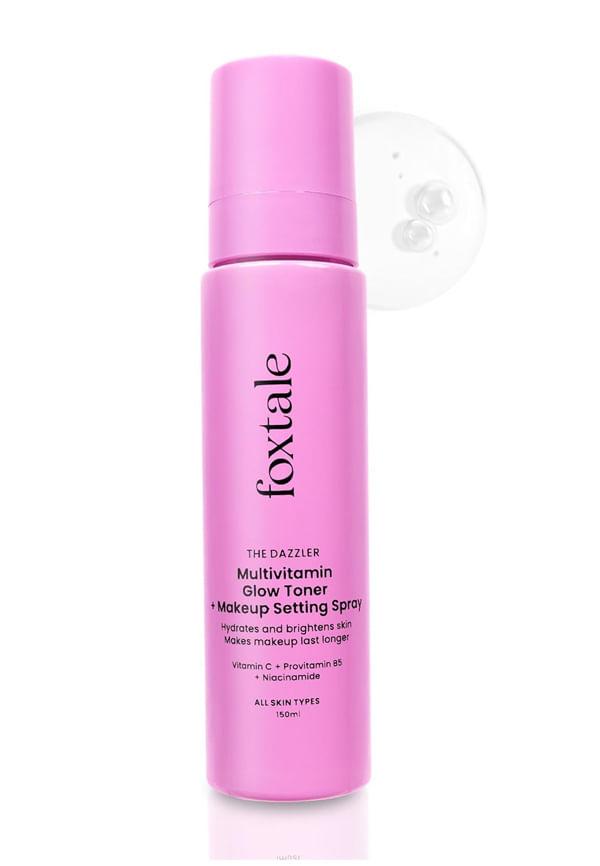
Multivitamin Glow Toner & Makeup Setting Spray with Vitamin C & Niacinamide
Hydrating and Great Packing
 5
5“so hydrating and the packing is great 👍🏼”
Good Fragrance, Wants Bigger
4“good fragrance wanted to buy bigger one”
Must-Have Toner for Glow
5“This toner is must have. Gives you beautiful glow”
Niacinamide has become the skincare world's golden child, and honestly, it's easy to see why. This vitamin B3 derivative promises clearer pores, brighter skin, and oil control without the drama that comes with harsher actives. But here's the thing—even the gentlest ingredients can sometimes cause unexpected reactions. While side effects of niacinamide on face are relatively rare, they're worth knowing about before you dive headfirst into that new serum. Let's chat about how to use this beloved ingredient safely and what to watch out for along the way.
Before we get into the nitty-gritty of potential problems, let's appreciate why niacinamide has earned its spot in so many skincare routines. This multitasking ingredient is like that reliable friend who always has your back—it works quietly but effectively to address multiple skin concerns without causing a fuss.
Niacinamide is essentially vitamin B3 in a form that your skin can actually use. The niacinamide benefits for skin are pretty impressive when you think about it. It helps regulate oil production, which means fewer shiny T-zone moments throughout the day. It also works to minimise the appearance of pores and can help brighten your complexion over time.
What makes niacinamide particularly appealing is its reputation for being gentler than other popular actives like retinoids or AHAs. It doesn't cause the initial purging or sensitivity that many other ingredients do, making it a great starting point for anyone new to active skincare ingredients.
Here's where things get real—whilst niacinamide is generally well-tolerated, it's not completely foolproof. The side effects of niacinamide on face can vary quite a bit from person to person. Some people might experience mild irritation, whilst others could have more noticeable reactions.
The concentration of niacinamide in your product plays a huge role here. Higher concentrations don't always mean better results, and they can sometimes trigger sensitivity in people who would otherwise tolerate the ingredient just fine.
Let's be honest about what might happen when niacinamide doesn't agree with your skin. Knowing these signs early can help you adjust your routine before things get worse.
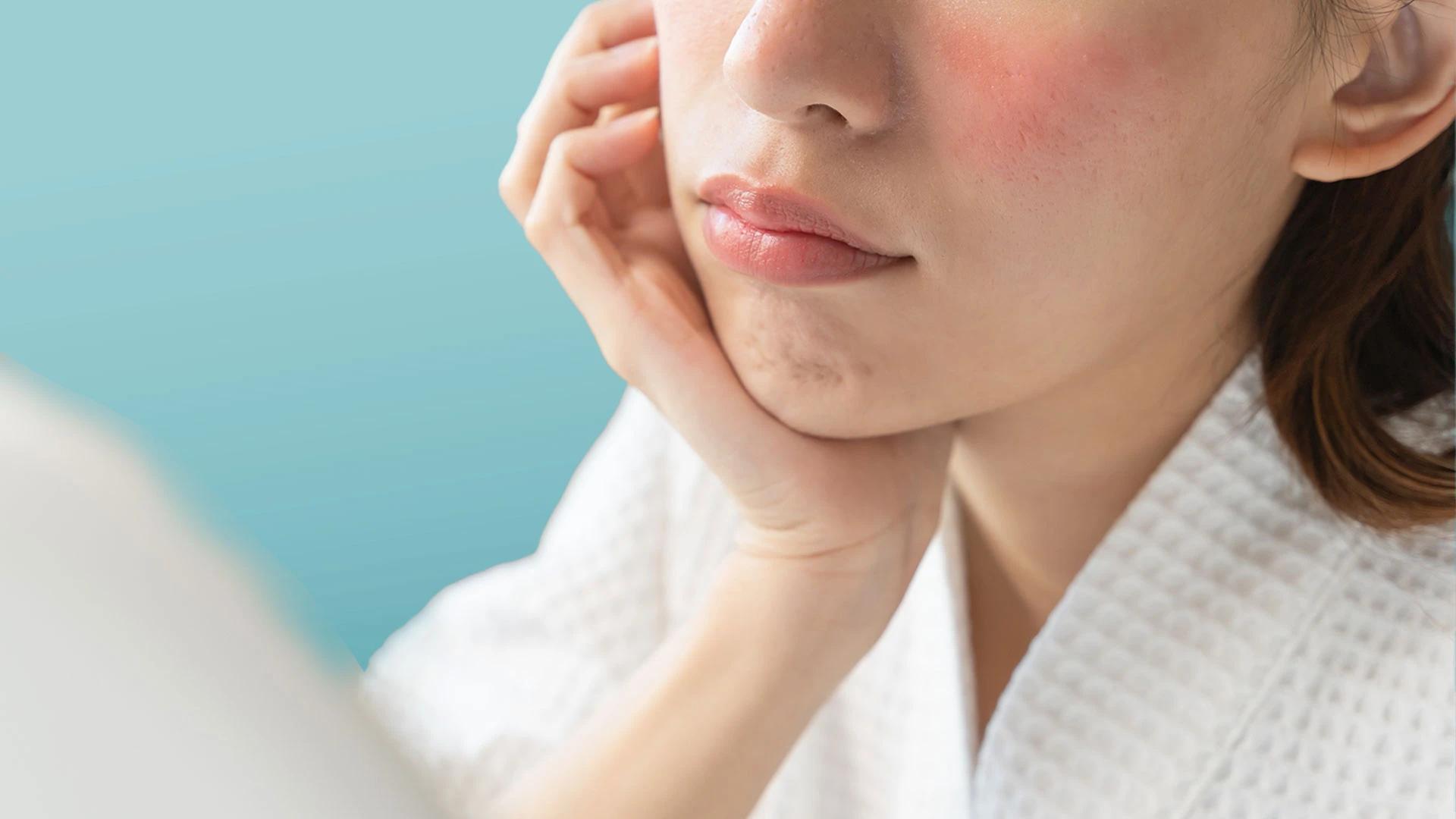
The most common issue people experience is niacinamide redness, particularly around the cheeks and nose area. This can show up as a flushing sensation that feels warm to the touch. Some people describe it as looking like they've just had a brisk walk in cold weather.
Niacinamide skin irritation might also present as a burning or stinging sensation when you first apply the product. This is your skin's way of telling you that something isn't quite right. You might also notice itching or tingling around the areas where you've applied the product.
Surprisingly, some people experience skin dryness and tightness despite niacinamide's reputation for being hydrating. This can happen when the concentration is too high for your skin's current tolerance level.
Whilst less common, some people might develop a niacinamide face rash or contact dermatitis. This typically appears as small bumps or patches of irritated skin that persist beyond the initial application.
A true niacinamide allergic reaction is quite rare but can include hives, swelling, or persistent inflammation that doesn't improve when you stop using the product. If you experience any of these symptoms, it's worth chatting with a dermatologist.
There's also some confusion around niacinamide and acne. Whilst niacinamide is generally helpful for acne-prone skin, some people might experience unexpected breakouts. Unlike with exfoliating acids, niacinamide skin purging isn't really a thing since niacinamide doesn't increase cell turnover. So if you're breaking out, it's more likely irritation or sensitivity rather than purging.
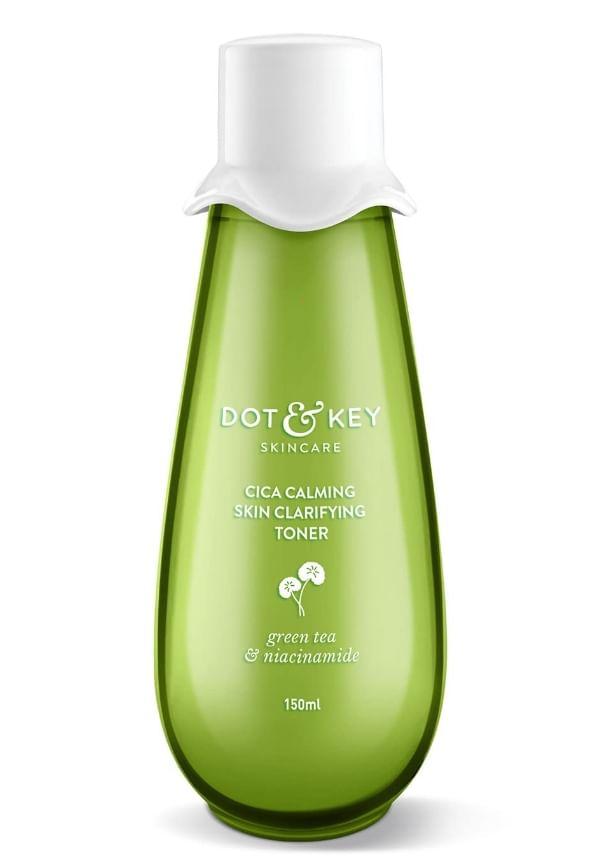
Cica & Niacinamide Toner
Nice Hydrating Toner
5“nice toner hydrating moisturizing expose”
Nice Hydrating Toner
5“nice toner hydrating moisturizing expose”
Nice Hydrating Toner
5“nice toner hydrating moisturizing expose”
Understanding why these reactions happen can help you avoid them in the first place. It's usually not the niacinamide itself that's the problem, but rather how it's formulated or how you're using it.
The biggest culprit behind niacinamide sensitivity is often concentration. Many products on the market contain 10% or even higher concentrations, but research shows that concentrations between 2-5% are often just as effective with much less risk of irritation.
Niacinamide sensitivity thresholds can vary dramatically between different skin types. What works perfectly for your friend with oily skin might be too much for your sensitive or dry skin. The inactive ingredients in the formulation can also play a role—some preservatives or texturising agents might not agree with your skin.
Sometimes the issue isn't the product itself but how you're using it. Applying niacinamide too frequently when you're first starting out can overwhelm your skin. Your skin needs time to build tolerance to any new active ingredient.
Layering conflicts are another common issue. Whilst niacinamide generally plays well with others, combining it with certain ingredients like vitamin C in the wrong pH environment can sometimes cause flushing or irritation. If your skin barrier is already compromised from over-exfoliation or other harsh treatments, you might be more prone to niacinamide sensitivity.
If you have sensitive skin, you're probably used to approaching new skincare ingredients with caution. The good news is that niacinamide for sensitive skin can work beautifully with the right approach.
Before diving into any niacinamide product, it's worth doing a bit of detective work on your skin's current state. If you have conditions like rosacea or eczema, your skin might be more reactive to any new ingredient, even gentle ones like niacinamide.
Pay attention to how your skin typically reacts to new products. If you tend to be sensitive to fragrances, essential oils, or certain preservatives, look for niacinamide products with minimal, gentle formulations.
This might sound boring, but patch testing is genuinely your best friend when it comes to avoiding unwanted reactions. Apply a small amount of the product to your inner forearm or behind your ear and wait 24-48 hours to see how your skin responds.
When you do start using niacinamide, begin with a lower concentration and use it every other day rather than daily. This gives your skin time to adjust without overwhelming it.
Now for the practical stuff—how to use niacinamide in a way that minimises your risk of side effects whilst still getting all those lovely benefits.
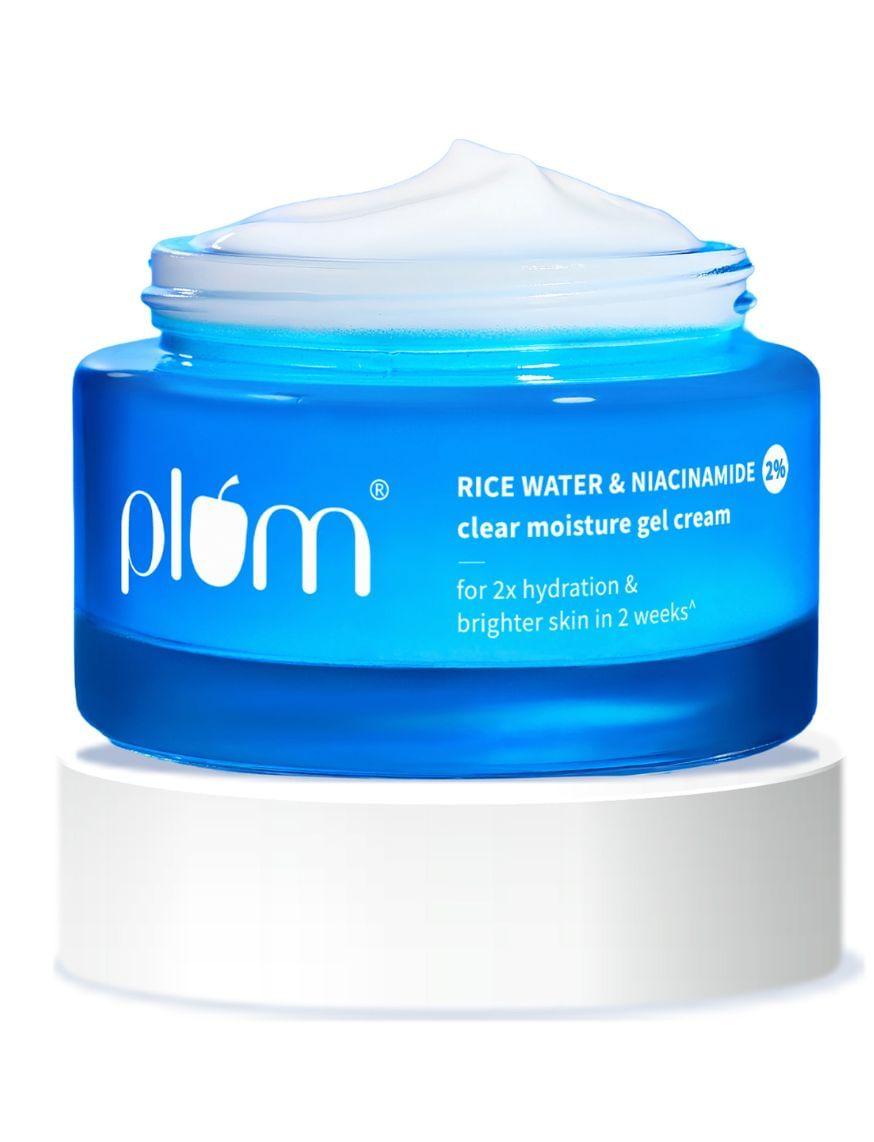
2% Niacinamide & Rice Water Brightening Gel Moisturizer
Great Texture & Moisturizing
5“love the texture it moisturize my skin deply”
Great Texture & Moisturizing
5“love the texture it moisturize my skin deply”
Great Texture & Moisturizing
5“love the texture it moisturize my skin deply”
When you're shopping for niacinamide products, start with concentrations between 2-5% rather than jumping straight to the highest concentration available. Read the ingredient list carefully—simpler formulations with fewer potential irritants are often better, especially when you're starting out.
Consider the format too. Niacinamide serums tend to have higher concentrations, whilst moisturisers or face washes might be gentler options for sensitive skin. With platforms like Smytten, you can actually try mini versions of different niacinamide products from trusted brands like Cetaphil and Dot & Key before committing to full sizes, which takes the guesswork out of finding what works for your skin.
When applying niacinamide, less is often more. A few drops of serum or a thin layer of moisturiser is usually sufficient. Apply it to clean, slightly damp skin to help with absorption and reduce the risk of irritation.
Timing matters too. You can use niacinamide morning or evening, but if you're just starting out, evening application might be gentler since your skin can recover overnight. Start with every other day and gradually increase to daily use as your skin adjusts.
Niacinamide generally plays well with most other skincare ingredients. It pairs beautifully with hyaluronic acid, ceramides, and gentle moisturising ingredients. You can also use it alongside retinoids, though you might want to alternate nights when you're first introducing both ingredients.
The main combination to be cautious with is vitamin C, particularly L-ascorbic acid. Whilst they're not necessarily harmful together, they can sometimes cause flushing in sensitive individuals. If you want to use both, try vitamin C in the morning and niacinamide in the evening.
If you do experience side effects, don't panic. Most niacinamide reactions are mild and temporary, and there are ways to help your skin recover quickly.
If you notice irritation, redness, or any uncomfortable sensations, stop using the product immediately. Rinse your face with cool water and apply a gentle, fragrance-free moisturiser to help calm your skin.
Ingredients like aloe vera, centella asiatica, or ceramides can be particularly soothing for irritated skin. Avoid using any other active ingredients until your skin has completely calmed down.
Focus on gentle, hydrating products whilst your skin recovers. This usually takes a few days to a week, depending on the severity of the reaction. Stick to a simple routine with a gentle cleanser, hydrating serum or essence, and a good moisturiser.
Once your skin has completely recovered, you might be able to try niacinamide again at a lower concentration or in a different formulation. Some people find that their skin becomes more tolerant over time.
Whilst most niacinamide side effects are manageable at home, there are times when it's worth getting professional advice.
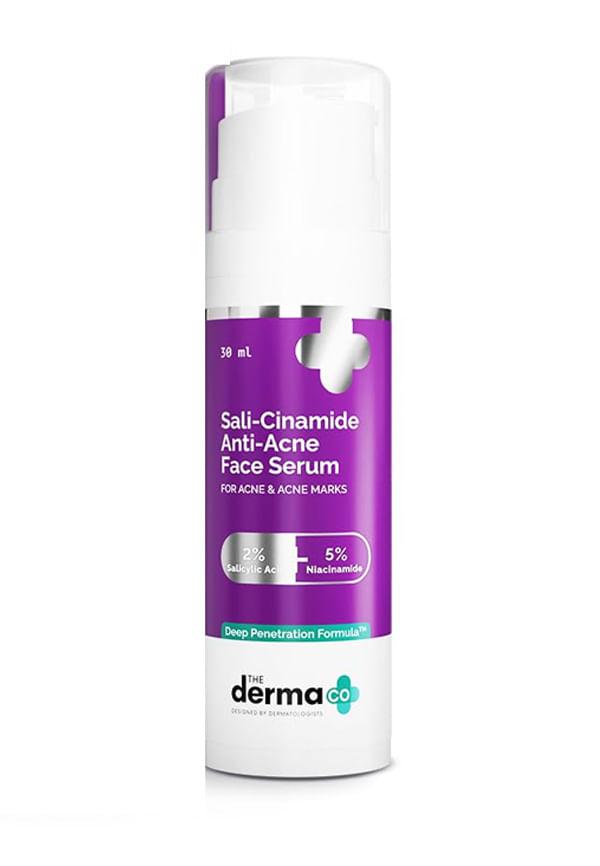
Sali-Cinamide Anti-Acne Face Serum with 2% Salicylic Acid & 5% Niacinamide
Good for Acne & Pimples
4“good at all for acne and pimples”
Good for Acne & Pimples
4“good at all for acne and pimples”
Good for Acne & Pimples
4“good at all for acne and pimples”
If your reaction persists for more than a week after stopping the product, or if you experience severe swelling, persistent rash, or signs of infection, it's time to see a dermatologist. These could be signs of a more serious allergic reaction or an underlying skin condition that needs professional treatment.
People with existing skin conditions like rosacea or eczema should also consider consulting with a dermatologist before introducing new active ingredients, even gentle ones like niacinamide.
If niacinamide just doesn't work for your skin, don't worry—there are other ingredients that can provide similar benefits. Azelaic acid can help with oil control and pore appearance, whilst zinc oxide or zinc PCA can help regulate sebum production.
For brightening effects, gentle vitamin C derivatives like magnesium ascorbyl phosphate might be better tolerated than both niacinamide and L-ascorbic acid.
The main disadvantages include potential redness, irritation, dryness, and rare allergic reactions, especially with high concentrations or overuse. Some people may also experience unexpected breakouts if they're sensitive to the ingredient.
Yes, most people can use 2-5% niacinamide daily once their skin has built tolerance. However, start with every other day to assess how your skin responds, especially if you have sensitive skin.
Darkening may indicate irritation, an allergic reaction, or post-inflammatory hyperpigmentation from overuse. Discontinue the product immediately and consider consulting a dermatologist if the darkening persists.
Facial swelling can indicate an allergic reaction to niacinamide and requires immediate discontinuation of the product. If swelling is severe or persists, seek medical attention promptly.
Niacinamide skin purging is actually a myth. Unlike exfoliating acids or retinoids, niacinamide doesn't increase cell turnover, so any breakouts are more likely due to irritation or sensitivity rather than purging.
Niacinamide really can be a game-changer for many people's skincare routines, but like any active ingredient, it's worth approaching it thoughtfully. The key is starting slowly, choosing the right concentration for your skin type, and paying attention to how your skin responds.
Remember, skincare is deeply personal, and what works for others might not work for you—and that's completely normal. If you're curious about trying niacinamide but worried about potential reactions, platforms like Smytten make it easier to test products without the commitment of full-size purchases. With trial packs from trusted brands, you can explore different niacinamide formulations to find your perfect match, all whilst getting 100% cashback on your trial order. After all, why settle for maybe when you can try it all and find what truly works for your unique skin?
