How to Use Low Strength Retinol for Sensitive Skin Safely


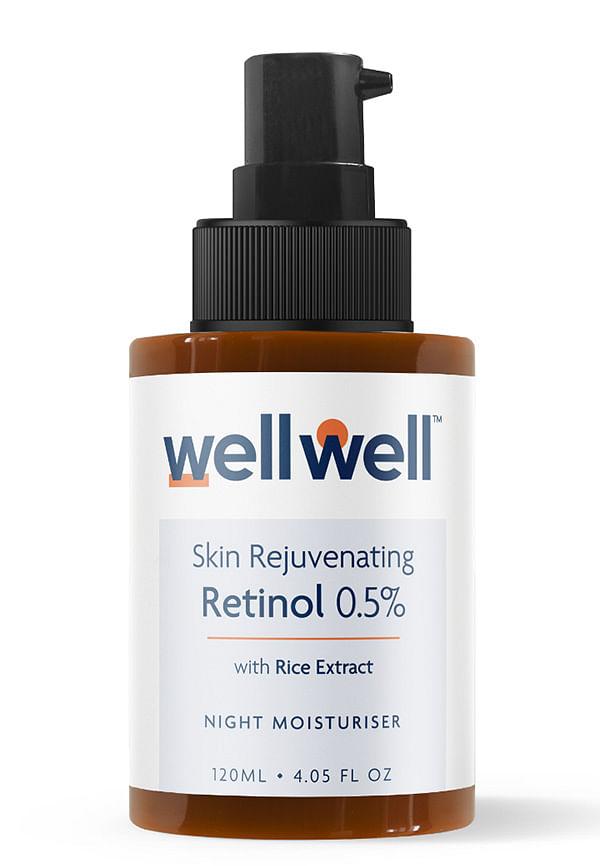
Retinol Night Cream
Let's be real—retinol can feel like that intimidating friend who's amazing but slightly scary to hang out with. If you've got sensitive skin, the thought of adding retinol to your routine might make you want to run for the hills. But here's the thing: retinol for sensitive skin low strength formulations exist for exactly this reason. You don't have to miss out on all those glow-up benefits just because your skin throws a tantrum at the slightest provocation. With the right approach, gentle retinol can become your skin's new best friend—no drama required.
Before we dive into the how-to, let's chat about why retinol for sensitive skin needs special consideration. Your skin isn't being difficult for no reason—it's actually trying to protect itself from what it perceives as a potential threat.
Think of retinol as that overenthusiastic friend who means well but sometimes comes on too strong. When you first introduce it to sensitive skin, you might notice redness, peeling, or that uncomfortable burning sensation. This isn't your skin being dramatic—it's genuinely adjusting to increased cell turnover.
Sensitive skin types have a thinner protective barrier and tend to react more intensely to active ingredients. What might feel like a gentle nudge to normal skin can feel like a full-on shake-up to yours. The key difference between retinol sensitivity and an allergic reaction is that sensitivity symptoms typically improve with proper introduction, while allergic reactions persist or worsen.
Low strength retinol gives your skin time to adapt without overwhelming it. You're still getting those coveted anti-ageing benefits—smoother texture, reduced fine lines, and improved skin tone—just at a pace your skin can handle.
The beauty of starting gentle is that you can build up tolerance over time. This approach often leads to better long-term results because you're less likely to experience setbacks from irritation.
Not all retinol products are created equal, especially when it comes to sensitive skin compatibility. The concentration, formulation, and additional ingredients all play crucial roles in how your skin will respond.
If you're new to retinol or have particularly reactive skin, start with concentrations between 0.01% and 0.03%. This might sound ridiculously low, but trust the process—your skin will thank you later.
Once you've built tolerance, you can consider moving up to 0.1% to 0.3% concentrations. The golden rule? Never jump straight to anything above 0.5% if you have sensitive skin. That's like going from walking to sprinting without any training in between.
Both retinol serum for sensitive skin and retinol cream for sensitive skin have their perks. Serums tend to have lighter textures and absorb quickly, giving you more control over the amount you apply.
Creams, on the other hand, often come with built-in moisturising benefits and tend to release retinol more slowly, which can be gentler on reactive skin. Encapsulated retinol formulations are worth seeking out—they deliver the active ingredient gradually, reducing the chance of irritation.
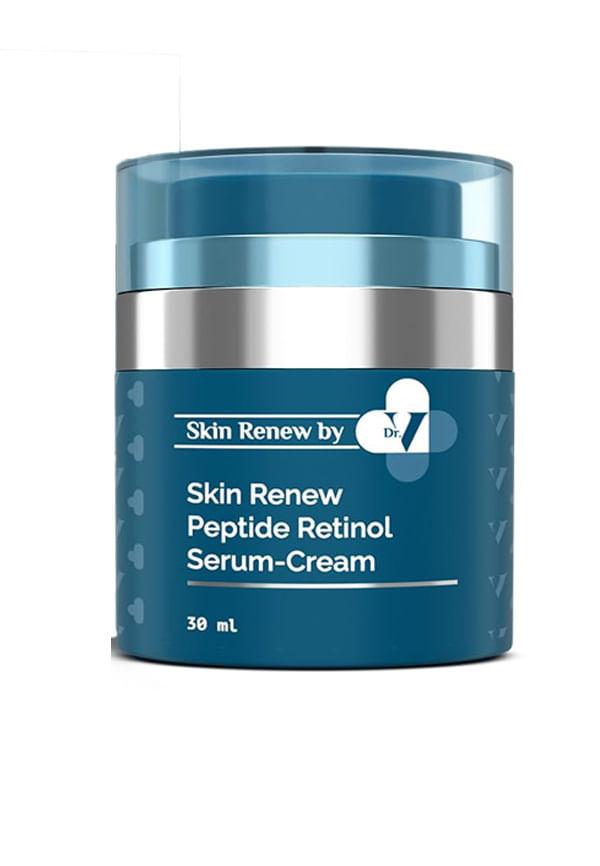
Skin Renew Peptide Retinol Serum - Cream with Peptide & Retinol
The supporting cast matters just as much as the star ingredient. Look for products that include hyaluronic acid for hydration, niacinamide for its anti-inflammatory properties, and ceramides for barrier support.
Soothing botanicals like centella asiatica or chamomile can help calm any potential irritation. These ingredients work together to create a more comfortable retinol experience for sensitive skin types.
Now for the practical bit—how to use retinol for sensitive skin without turning your face into an angry tomato. The secret lies in patience and a proper introduction schedule.
Start with once-weekly application for the first two weeks. Yes, just once a week. Your skin needs time to figure out what's happening and adjust accordingly.
If all goes well, bump it up to twice weekly for weeks three and four. After the first month, you can consider every-other-night application. Watch for signs that your skin is ready to increase frequency—no redness, peeling, or discomfort after your current schedule.
Always apply retinol to clean, completely dry skin. A pea-sized amount is genuinely enough for your entire face—more isn't better when it comes to retinol.
Initially, avoid the delicate eye area, lips, and neck. These areas are more prone to irritation. You can gradually include them once your skin has built tolerance. Consider applying a thin layer of moisturiser first as a buffer if you're particularly worried about sensitivity.
Retinol is strictly an evening affair—UV exposure can break down the ingredient and increase sensitivity. Apply it after cleansing but before your moisturiser, unless you're using the sandwich method.
Wait about 20-30 minutes after cleansing before applying retinol, and another 20-30 minutes before following up with moisturiser. This gives each product time to absorb properly.
The best way to handle retinol irritation sensitive skin experiences is to prevent it from happening in the first place. A little preparation goes a long way in ensuring a smooth retinol journey.
Spend 2-4 weeks building up your skin's moisture barrier before introducing retinol. Focus on gentle, hydrating products and temporarily eliminate other active ingredients like acids or vitamin C.
Always patch test new retinol products on a small area of your jawline or behind your ear. Wait 24-48 hours to see how your skin reacts before applying it to your entire face.
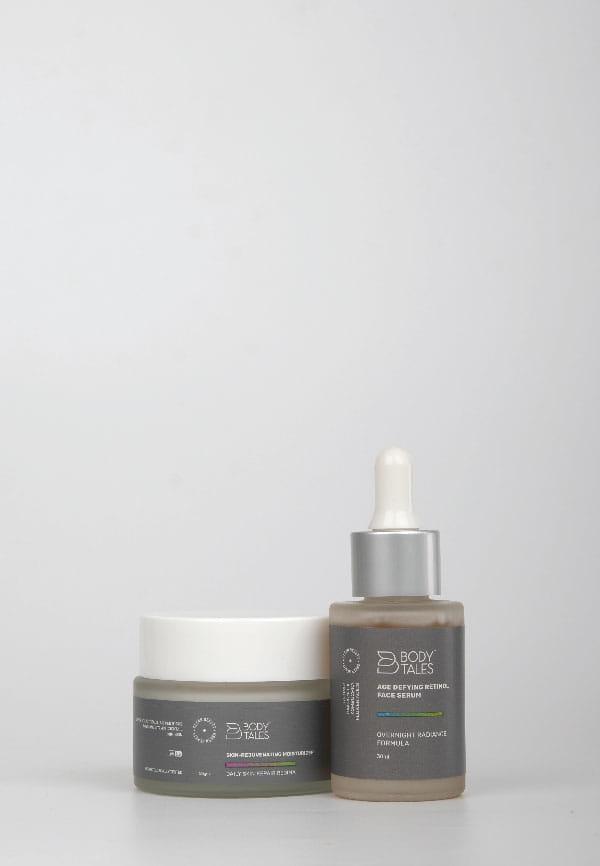
Age Defying Retinol Face Serum & Skin-Rejuvenating Moisturizer
If you're particularly concerned about sensitivity, try the sandwich method: apply moisturiser, then retinol, then another layer of moisturiser. This technique buffers the retinol, making it gentler while still allowing it to work effectively.
You can gradually transition to applying retinol directly to clean skin once your tolerance builds up. There's no rush—skincare is a marathon, not a sprint.
Some mild dryness or slight tingling is normal during the first few weeks. However, persistent burning, severe redness, or painful peeling means you need to dial back the frequency or concentration.
If irritation occurs, take a break for a few days and restart with a lower frequency. Your skin will eventually adapt—it just needs time and patience.
Sometimes, even the gentlest retinol formulations might be too much for extremely sensitive skin. That's where retinol alternatives for sensitive skin come into play—you're not out of options.
Bakuchiol has been making waves as a natural alternative that provides similar anti-ageing benefits without the irritation. This plant-derived ingredient works differently than retinol but can deliver comparable results for improving skin texture and reducing fine lines.
Some products combine bakuchiol with very low concentrations of retinol, giving you the best of both worlds with minimal irritation risk.
Retinyl palmitate is a much milder form of vitamin A that converts to retinol more slowly in the skin. While results take longer to appear, it's significantly gentler for ultra-sensitive skin types.
The trade-off is patience—you'll need to wait longer to see results, but you're much less likely to experience irritation along the way.
Your retinol doesn't exist in isolation—it needs to play nicely with the rest of your skincare routine. Building a supportive routine around your gentle retinol ensures you get maximum benefits with minimum fuss.
Stick to gentle, non-stripping cleansers that won't compromise your skin barrier. Hydrating toners and essences can provide an extra layer of moisture support.
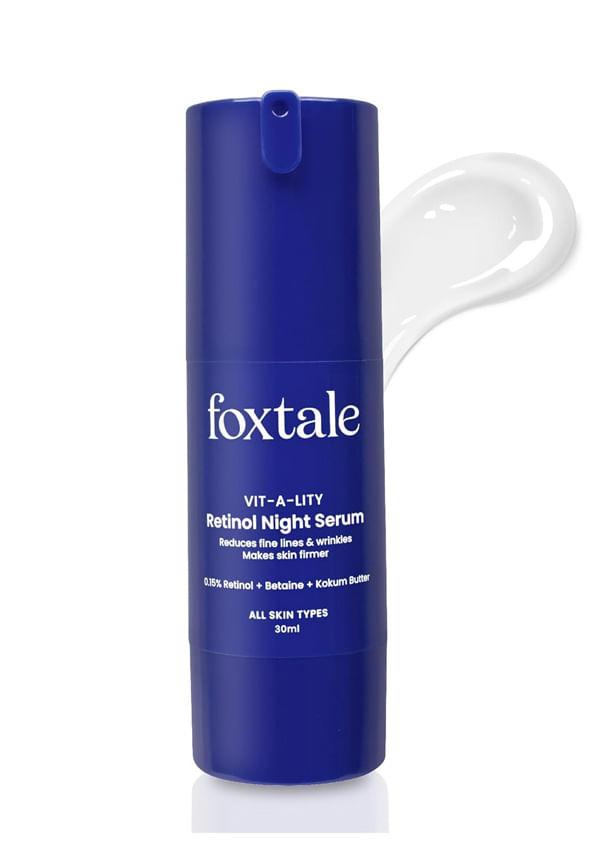
0.15% Beginner Friendly Retinol Night Serum, Anti-Aging Night Cream
Barrier-supporting moisturisers with ingredients like ceramides, hyaluronic acid, or squalane work beautifully with retinol. Don't forget daily SPF 30 or higher—retinol can increase sun sensitivity, making sun protection non-negotiable.
Hold off on AHA and BHA acids when you're first introducing retinol. Once your skin adapts, you might be able to use them on alternate nights, but never together initially.
Vitamin C can be used in your morning routine, but avoid layering it with retinol in the evening. Benzoyl peroxide and retinol don't play well together either—they can neutralise each other's effectiveness.
After 3-6 months of consistent use, you might consider gradually increasing your retinol strength. Look for improvements in skin texture, reduced fine lines, and better overall radiance as signs that your current routine is working.
Remember, skincare isn't about reaching the highest concentration possible—it's about finding what works consistently for your skin. Sometimes, the gentlest approach delivers the most sustainable results.
Platforms like Smytten make it easier to explore different retinol formulations without committing to full-size products. With curated trial packs from trusted brands, you can test various gentle retinol options to find your perfect match. This approach lets you discover what works for your sensitive skin before making larger investments.
Start with once or twice weekly application and gradually build up tolerance. Most people with sensitive skin find every-other-night usage to be the sweet spot for consistent results without irritation.
With gentle formulations, expect to see initial improvements in skin texture after 6-8 weeks, with more significant changes becoming apparent after 3-4 months of consistent use.
Mild dryness is normal initially. Increase your moisturising routine and consider reducing retinol frequency temporarily. If dryness persists or worsens, take a break and restart more gradually.
Start with retinol alone, then gradually introduce other ingredients once your skin adapts. Hyaluronic acid and niacinamide pair well with retinol, while acids should be used on alternate nights.
Using retinol with sensitive skin doesn't have to be a scary experience. The key lies in choosing the right formulation, starting slowly, and listening to your skin throughout the process. Retinol benefits for sensitive skin are absolutely achievable with patience and the proper approach.
Remember, skincare is deeply personal, and what works for others might not work for you—and that's perfectly fine. The goal is finding a routine that makes your skin look and feel its best without causing distress. With gentle retinol formulations and a thoughtful introduction schedule, you can enjoy all the glow-up benefits without the drama.
Whether you're exploring trial sizes to find your perfect match or building a complete routine around sensitive skin needs, the journey to healthier skin is worth taking one careful step at a time. After all, why settle for 'maybe' when you can find what truly works for your unique skin?
