How to Use Kojic Acid Serum for Brighter Skin


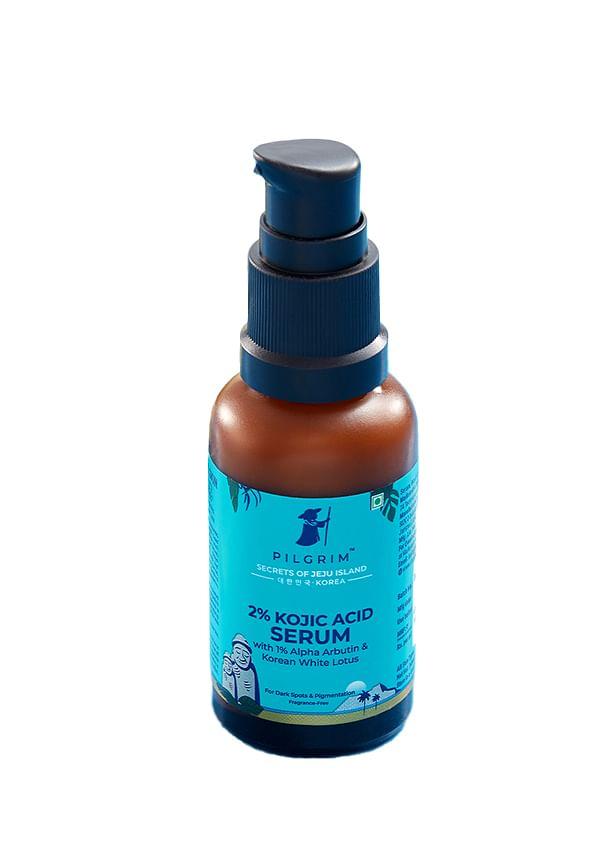
2% Kojic Acid Serum For Dark Spots & Pigmentation
Good Buy One Get One Offer
 5
5“good I got 2 product through buy one get one”
Good Buy One Get One Offer
5“good I got 2 product through buy one get one”
Good Buy One Get One Offer
5“good I got 2 product through buy one get one”
Dark spots got you feeling like your skin's playing hide and seek with your confidence? Let's be real—hyperpigmentation is one of those stubborn skin concerns that can make even the most patient person want to throw in the towel. But here's where kojic acid serum steps in as your skin's new best mate. This gentle yet effective ingredient has been quietly working wonders for people dealing with uneven skin tone, melasma, and those pesky dark spots that just won't budge. Whether you're battling post-acne marks or sun damage from that holiday you forgot to reapply SPF on, kojic acid might just become your go-to solution. Ready to discover how this powerhouse ingredient can transform your skincare routine?
Kojic acid serum is basically nature's way of giving your skin a gentle reset button. This clever little ingredient comes from fungi—specifically the same type used to make sake and soy sauce. Don't worry, it's way more glamorous in skincare form than it sounds. The magic happens when kojic acid gets to work on your skin's melanin production. Think of melanin as your skin's natural pigment factory. Sometimes this factory goes a bit overboard, creating those dark spots and uneven patches we're not exactly thrilled about. Kojic acid steps in and tells the tyrosinase enzyme (the boss of melanin production) to chill out a bit. It's like having a really good manager who knows when to dial things back. What makes kojic acid serum special compared to creams or soaps is its ability to penetrate deeper into your skin layers. Serums have smaller molecules, which means they can get to work where the real action happens. Most effective kojic acid serums contain between 0.5% to 4% concentration—enough to see results without turning your face into a tomato.
Let's talk about what kojic acid actually does for your skin, because the benefits are pretty impressive. This skin brightening serum doesn't just tackle one issue—it's like a multi-tasker that actually delivers on its promises. The primary kojic acid benefits include reducing melanin production, which translates to a lighter, more even skin tone over time. If you're dealing with dark spots from old breakouts or sun damage, kojic acid works as an effective dark spot corrector by gradually fading existing pigmentation. For those struggling with melasma—those stubborn brown patches that seem immune to everything else—kojic acid can be a game-changer as a targeted melasma serum. But wait, there's more. This ingredient also brings antioxidant properties to the table, helping protect your skin from environmental damage that could create new dark spots. It provides gentle exfoliation, revealing smoother skin texture underneath. Plus, it works preventatively, stopping new pigmentation from forming in the first place.
When it comes to treating hyperpigmentation, you've got options. Niacinamide is gentler but slower, alpha arbutin is effective but pricier, and vitamin C is brilliant but can be unstable. Kojic acid sits in that sweet spot of being effective enough to see real results while being gentle enough for most skin types to handle.
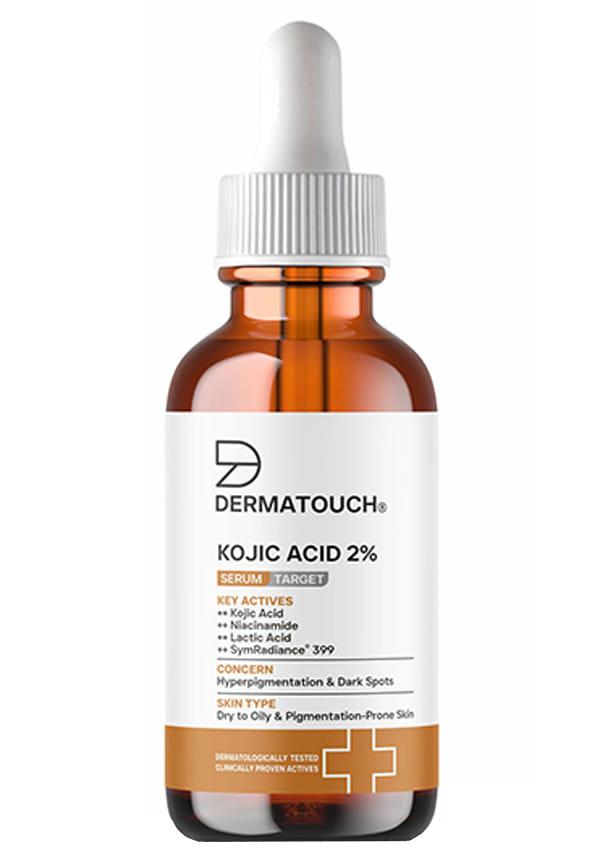
Kojic Acid 2% Serum,For Hyperpigmentation & Uneven Skin Tone
Effective for dark spots
5“it's very nice helped in reducing dark spots and hyperpigmentation please go for it I order this for my mother and she loved jt”
Excellent Product, Highly Recommended
5“"This product is excellent in quality and design. It works perfectly as described, very useful in daily life. Totally worth the price, and I highly recommend it to others."”
Amazing Product
5“This is amazing product 😍 it really works”
Right, let's get into the nitty-gritty of actually using this serum for dark spots. The key to success with kojic acid skincare is all about technique and timing. First things first—evening application is your best bet. Kojic acid can make your skin more sensitive to sunlight, so using it at night gives your skin time to do its thing without UV interference. If you absolutely must use it in the morning, SPF becomes non-negotiable. Here's your step-by-step routine: Start with a thorough cleanse using a gentle cleanser. Your skin needs to be clean for the serum to penetrate properly. If you use a toner, apply it now and let it absorb completely. Don't rush this step—good things take time. Dispense 2-3 drops of your kojic acid serum onto clean fingertips. A little goes a long way with serums. Use gentle patting motions to apply the serum. Avoid rubbing or dragging—your skin deserves better treatment than that. If you're targeting specific dark spots, treat those areas first, then apply any remaining serum to your entire face. Wait 10-15 minutes before applying your next product. This gives the kojic acid time to absorb properly. Finish with a good moisturiser, and if it's morning, don't forget that SPF.
Kojic acid plays well with hyaluronic acid and peptides—these ingredients actually complement each other beautifully. However, avoid mixing it with retinol, AHA, or BHA in the same routine. Your skin doesn't need that level of intensity all at once.
Let's keep it real about potential side effects, because knowledge is power when it comes to skincare. Most people tolerate kojic acid well, but like any active ingredient, it can cause some reactions. Common side effects include mild skin irritation, redness, dryness, and increased sun sensitivity. Some people might experience contact dermatitis if they're particularly sensitive. These effects are usually temporary and often improve as your skin builds tolerance. Certain groups should be extra cautious or avoid kojic acid altogether. If you're pregnant or breastfeeding, it's worth chatting with your doctor first. People with extremely sensitive skin or active conditions like eczema might want to consider gentler alternatives. The golden rule? Always patch test first. Apply a small amount to your inner arm and wait 24-48 hours to see how your skin reacts. Start with lower concentrations and gradually increase frequency as your skin adapts.
Consistency is absolutely key when using kojic acid serum for hyperpigmentation treatment. Think of it like going to the gym—sporadic efforts won't give you the results you're after. Start slowly with 2-3 times per week for the first two weeks. If your skin is happy, gradually increase to every other night, then eventually daily use if tolerated. Most people see initial results around 4-6 weeks, with significant improvement by 8-12 weeks. To maximise your results, pair your kojic acid routine with other skin-loving habits. Stay hydrated, get enough sleep, and manage stress levels—your skin reflects your overall health. Consider incorporating gentle vitamin C in the morning for added antioxidant protection. With platforms like Smytten, you can actually try different kojic acid serums through trial packs before committing to full-size products. This approach lets you test how your skin responds to different formulations and concentrations without the financial commitment. After all, why settle for 'maybe' when you can try it all and find what actually works for your skin?
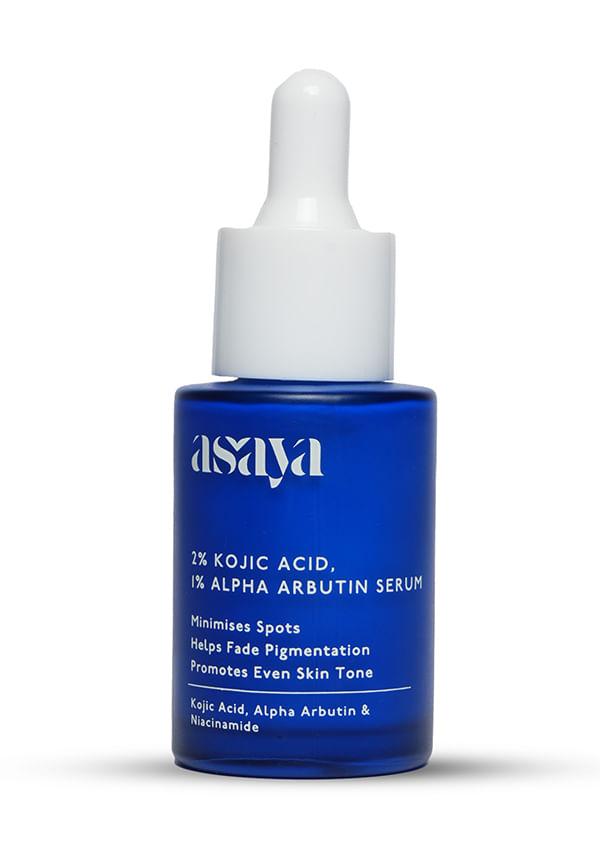
2% Kojic Acid & 1% Alpha Arbutin Face Serum
Good Product, Great Discount
5“Nice product with amazing fiscountp”
Good Product, Great Discount
5“Nice product with amazing fiscountp”
Good for Dark Spots and Skin
5“Good nd fades dark spots good on skin”
Take photos in consistent lighting conditions weekly. It's amazing how gradual changes can be hard to notice day-to-day, but photos don't lie. Keep track of any irritation or sensitivity, and adjust your routine accordingly.
When you're dealing with uneven skin tone, the options can feel overwhelming. Let's break down how kojic acid stacks up against other popular treatments. Kojic acid versus niacinamide is like comparing a focused specialist to a gentle all-rounder. Niacinamide is incredibly gentle and works on multiple skin concerns, but kojic acid is more targeted for pigmentation issues. If you're dealing with stubborn dark spots, kojic acid might give you faster results. Compared to alpha arbutin, kojic acid tends to work slightly faster but can be more irritating for sensitive skin types. Alpha arbutin is the gentler cousin, while kojic acid is the more assertive sibling. The kojic acid versus hydroquinone debate is interesting. Hydroquinone is considered the gold standard for pigmentation but comes with more restrictions and potential side effects. Kojic acid offers a gentler alternative with fewer long-term concerns. Choose kojic acid if you want effective results without the intensity of hydroquinone, or if you've found niacinamide too slow for your liking. It's particularly good for combination skin types and those dealing with post-inflammatory hyperpigmentation.
Yes, most people can work up to daily use, but start slowly. Begin with 2-3 times per week and gradually increase frequency as your skin builds tolerance. If you experience persistent irritation, scale back to every other day.
You might start seeing subtle changes around 4-6 weeks, with more noticeable results by 8-12 weeks. Remember, skin cell turnover takes time, and patience is key with any pigmentation treatment.
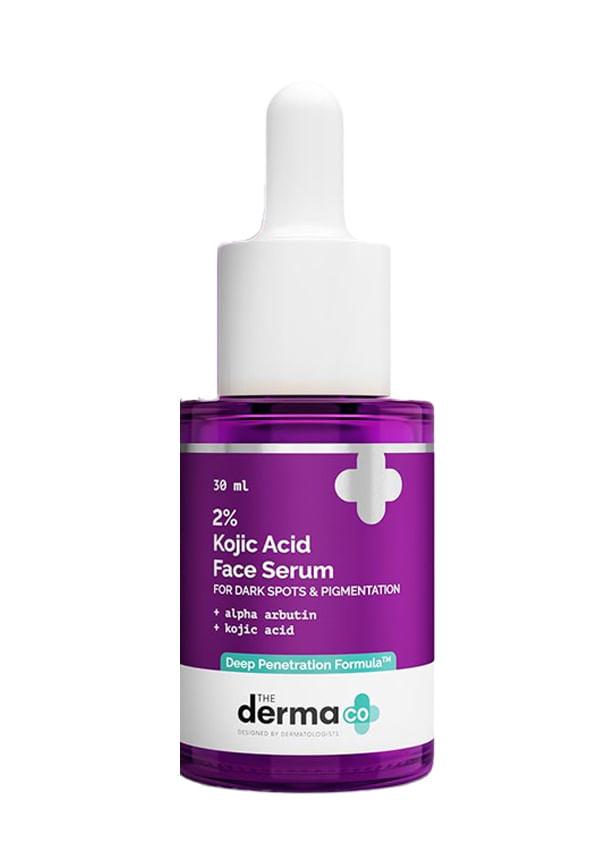
2% Kojic Acid Face Serum with 1% Alpha Arbutin & Niacinamide
Good for Dark Spots
5“it's very good product for dark spots and pigmentation remove dark spots”
Effective for Pigmentation & Brightening
5“Just go for it ,This serum literally decreased by pigmentation and spots My friends started asking me what are you doing your face looks brighter.”
Returned to Derma Co, Works Well
5“was my first ever skincare purchase when I was 16, used many other expensive ones after this but had to come back , Go for derma co , may be slow but works well”
It's best to use them on alternate nights rather than together. Both ingredients can increase skin sensitivity, so layering them might be too much for your skin to handle. Try kojic acid on Monday, Wednesday, Friday, and retinol on Tuesday, Thursday, Saturday.
Kojic acid can work for sensitive skin, but you'll need to be extra careful. Start with lower concentrations (0.5-1%), use it less frequently, and always patch test first. If you experience persistent irritation, consider gentler alternatives like alpha arbutin.
Yes, kojic acid can be effective for melasma, though results vary from person to person. It works best as part of a comprehensive approach that includes strict sun protection and possibly other treatments. Consistency is crucial for melasma management.
Kojic acid serum can be a brilliant addition to your skincare routine if you're dealing with dark spots, uneven skin tone, or hyperpigmentation. The key to success lies in starting slowly, being consistent, and always protecting your skin with SPF during treatment. Remember, skincare is deeply personal, and what works for your mate might not work for you. That's where trial-sized products become invaluable. Smytten's approach of offering curated trial packs from trusted brands means you can test different kojic acid formulations without committing to full-size products. With over 25 million users discovering their perfect skincare matches through trial minis, you're in good company when you choose to explore before you invest. The journey to brighter, more even skin takes time, but with the right approach and a bit of patience, kojic acid serum might just become your skin's new favourite ingredient. After all, why settle for uneven skin tone when you can try different solutions and find what actually works for you?
