How to Use Kojic Acid Safely: Side Effects & Precautions


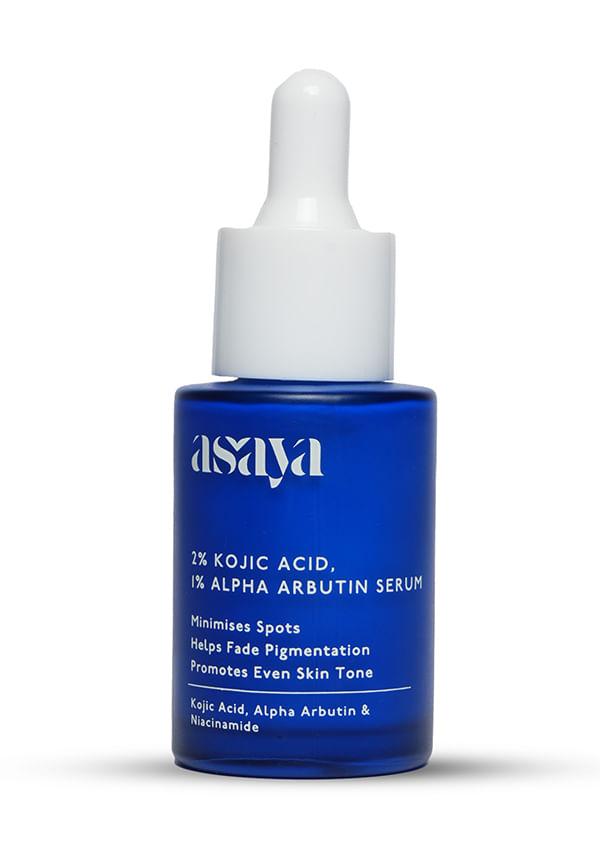
2% Kojic Acid & 1% Alpha Arbutin Face Serum
Kojic acid has become quite the skincare superstar for tackling dark spots and uneven skin tone. But here's the thing—while it can work wonders for brightening your complexion, it's not exactly the gentlest ingredient on the block. Understanding kojic acid side effects and precautions is crucial before you dive headfirst into your brightening journey. Real talk: knowing what to expect and how to use it safely can mean the difference between glowing skin and a skincare disaster. Let's break down everything you need to know about kojic acid safety, from common reactions to proper usage guidelines that'll keep your skin happy.
Before we get into the nitty-gritty of kojic acid risks, let's quickly cover what this ingredient actually does. Kojic acid is a natural compound derived from fungi that works by inhibiting tyrosinase, the enzyme responsible for melanin production. Sounds fancy, but essentially it stops your skin from making excess pigment that causes dark spots.
Now, here's where things get interesting—and potentially problematic. The very mechanism that makes kojic acid effective at brightening also makes it quite potent. When you disrupt melanin production, you're essentially messing with your skin's natural protective processes. This can lead to increased sensitivity and various kojic acid dangers if not handled properly.
Several factors can increase your risk of experiencing adverse reactions:
High concentrations: Products with 2% or higher kojic acid content carry greater risk
Compromised skin barrier: If your skin is already irritated or damaged, you're more vulnerable
Sensitive skin type: Those with naturally reactive skin face higher chances of problems
Concurrent use of other actives: Mixing with retinoids, AHAs, or BHAs amplifies risk
Sun exposure: UV rays can worsen kojic acid-related sensitivity
Dermatological studies suggest that approximately 15-20% of users experience some form of skin irritation when using kojic acid products. That's not exactly a small number, which is why understanding proper usage is so important.
Let's get real about what kojic acid adverse reactions actually look like. Recognising these early can save you from weeks of skin drama and potential long-term damage.
This is probably the most common reaction you'll encounter. Kojic acid skin irritation typically shows up as redness, itching, burning, or stinging sensations. Your skin might feel tight or uncomfortable, especially after application. If you notice these symptoms getting worse rather than better after a few days, it's time to step back.
More serious than basic irritation, allergic reactions can include rashes, hives, swelling, or persistent itching that doesn't go away. These symptoms might appear immediately or develop over several days of use. If you experience any swelling around your eyes or lips, stop using the product immediately and consider seeing a healthcare professional.
Here's something many people don't realise—kojic acid can make your skin significantly more sensitive to UV rays. You might notice that your skin burns more easily or develops dark spots more readily when exposed to sunlight. This increased photosensitivity can persist even after you stop using the product.
Overuse can compromise your skin's protective barrier, leading to chronic dryness, tightness, and reduced ability to protect against environmental stressors. Your skin might feel perpetually dehydrated or react to products that never bothered you before.
Not everyone is a good candidate for kojic acid, and that's perfectly fine. Understanding whether you fall into a high-risk category can save you a lot of trouble down the line.
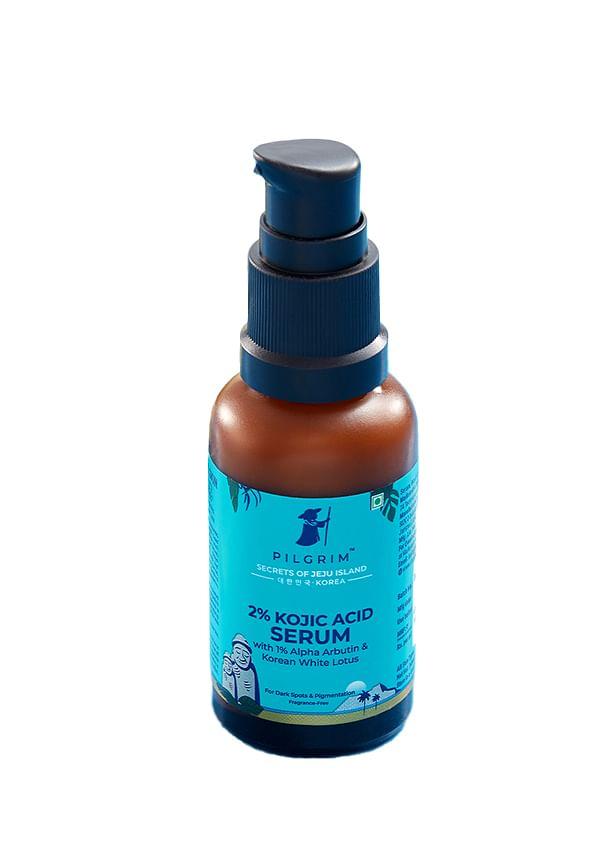
2% Kojic Acid Serum For Dark Spots & Pigmentation
If you generally react to new skincare products or have a history of kojic acid sensitivity, you'll want to be extra cautious. Those with naturally thin or reactive skin often struggle with kojic acid tolerance, even at lower concentrations.
Certain skin conditions make kojic acid use particularly risky. If you have active eczema, rosacea, or inflammatory acne, introducing kojic acid could worsen these conditions. The ingredient can be too harsh for already compromised skin.
While kojic acid isn't definitively proven harmful during pregnancy, many dermatologists recommend avoiding it as a precaution. The increased skin sensitivity that often occurs during pregnancy can make reactions more likely and severe.
Kojic acid isn't recommended for children or teenagers unless specifically prescribed by a dermatologist. Young skin is typically more reactive and doesn't usually need aggressive brightening treatments.
Now for the good stuff—how to actually use kojic acid safely. Following proper kojic acid usage guidelines can dramatically reduce your risk of experiencing problems while still getting the brightening benefits you're after.
Begin with products containing 1-2% kojic acid maximum. Even if you're eager for results, starting with lower concentrations allows your skin to build tolerance gradually. You can always increase concentration later if your skin handles it well.
This step is non-negotiable. Apply a small amount of the product to your inner forearm or behind your ear and wait 48-72 hours. If you don't experience any redness, itching, or irritation, you can cautiously try it on your face. Skip this step at your own peril—seriously.
Start with every other day application, preferably in the evening. Your skin needs time to adjust, and overuse is one of the quickest ways to trigger kojic acid skin irritation. Only increase to daily use if your skin shows no signs of sensitivity after several weeks.
Use only a pea-sized amount for your entire face. Apply to clean, dry skin and follow with a gentle moisturiser. Avoid the eye area completely—the skin there is too delicate for kojic acid.
This cannot be stressed enough. Use a broad-spectrum SPF 30 or higher every single day when using kojic acid. The increased photosensitivity makes sun protection absolutely crucial for preventing further pigmentation and skin damage.
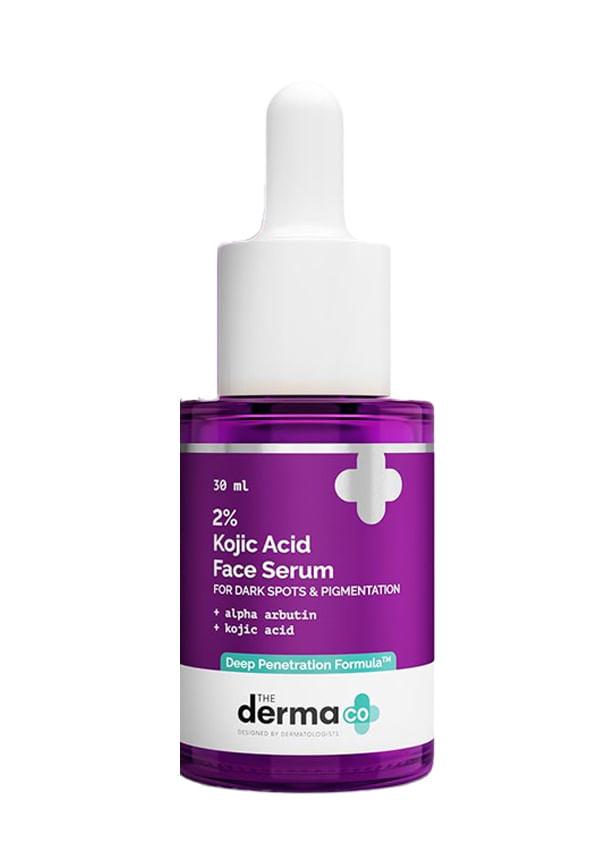
2% Kojic Acid Face Serum with 1% Alpha Arbutin & Niacinamide
Understanding kojic acid long term effects is crucial for anyone considering extended use. While short-term use is generally safe for most people, prolonged application can lead to some concerning issues.
Extended use may result in chronic skin sensitivity, where your skin becomes increasingly reactive to various products and environmental factors. Some users report that their skin never quite returns to its original tolerance levels, even after discontinuing kojic acid.
Long-term kojic acid use can lead to lasting increased sensitivity to UV rays. This means you might find yourself burning more easily or developing sun damage more quickly, even months after stopping the product.
Prolonged use can permanently alter your skin's barrier function, making it less effective at retaining moisture and protecting against irritants. This can result in chronically dry, reactive skin that requires more intensive care.
Ironically, stopping kojic acid after long-term use can sometimes trigger rebound hyperpigmentation, where dark spots return darker than before. This occurs because the skin overcompensates for the suppressed melanin production.
If you're experiencing burning or irritation, don't panic—but do act quickly. The sooner you address the reaction, the better your chances of avoiding lasting damage.
First things first: stop using the product immediately. Don't try to push through the discomfort thinking it'll get better—it won't.
Gently cleanse your skin with cool water and a mild, fragrance-free cleanser. Avoid scrubbing or using any other active ingredients. Apply a cool compress for 10-15 minutes to help reduce inflammation and provide relief.
Look for products containing aloe vera, ceramides, or hyaluronic acid to help repair and soothe your skin. Avoid anything with fragrances, essential oils, or other potentially irritating ingredients while your skin recovers.
Mild irritation typically resolves within 3-7 days with proper care. More severe reactions can take 2-3 weeks to fully heal. During this time, stick to the gentlest possible skincare routine.
If you experience severe swelling, persistent burning that doesn't improve after 48 hours, or signs of infection, it's time to see a dermatologist. Don't try to tough it out—professional intervention can prevent complications.
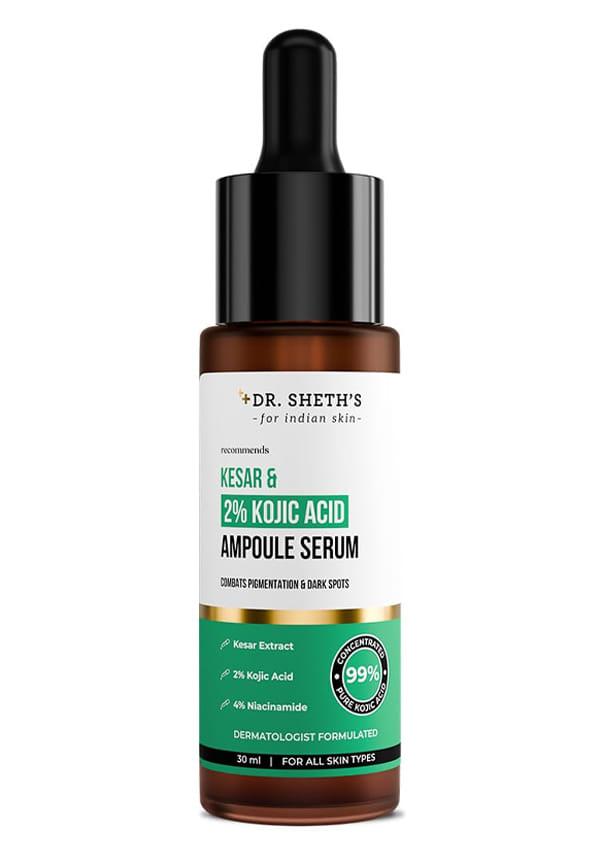
Kesar & Kojic Acid Serum
If kojic acid proves too harsh for your skin, don't despair. There are gentler alternatives that can still help you achieve your brightening goals without the drama.
Arbutin offers similar melanin-inhibiting properties but with significantly less irritation potential. Vitamin C is another excellent option, particularly in stable forms like magnesium ascorbyl phosphate. Niacinamide can help with uneven skin tone while actually strengthening your skin barrier.
If you do use kojic acid, pair it with soothing ingredients like hyaluronic acid, ceramides, or centella asiatica. These can help buffer potential irritation while supporting skin health.
Never combine kojic acid with retinoids, AHAs, BHAs, or vitamin C in the same routine. These combinations can cause severe irritation and increase your risk of adverse reactions dramatically.
When exploring brightening ingredients, platforms like Smytten make it easier to try different formulations safely. With trial-sized products from trusted brands, you can test how your skin responds to various ingredients without committing to full-size purchases. This approach is particularly valuable when dealing with potentially irritating actives like kojic acid—you can discover what works for your skin without the financial risk of buying products that might not suit you.
Kojic acid can be safe when used properly, but it's not suitable for everyone. Those with sensitive skin, certain skin conditions, or a history of allergic reactions should be particularly cautious. Always patch test before use and start with lower concentrations.
Daily use isn't recommended for beginners. Start with every other day application and only increase frequency if your skin shows no signs of irritation after several weeks. Some people may never tolerate daily use, and that's perfectly normal.
Common negative effects include skin irritation, redness, burning sensations, increased photosensitivity, and potential allergic reactions. Long-term use may lead to chronic sensitivity or skin barrier damage.
Burning sensations typically indicate that the concentration is too high for your skin, you're using it too frequently, or you have an sensitivity to the ingredient. Stop use immediately and focus on soothing your skin with gentle, hydrating products.
Most people see initial results within 4-6 weeks of consistent use, with more significant improvements appearing after 8-12 weeks. However, results vary greatly depending on skin type, concentration used, and the severity of pigmentation being treated.
Kojic acid can be an effective tool for addressing hyperpigmentation and uneven skin tone, but it's definitely not a one-size-fits-all solution. Understanding the potential side effects and taking proper precautions can help you use it safely and effectively. Remember, skincare is highly individual—what works brilliantly for your friend might be completely wrong for your skin type.
The key to successful kojic acid use lies in patience, proper preparation, and realistic expectations. Start slowly, listen to your skin, and don't hesitate to seek professional guidance if you're unsure about anything. Your skin's health should always come first, even if it means taking a slower approach to achieving your brightening goals.
When you're ready to explore kojic acid products or gentler alternatives, consider trying trial sizes first. This approach lets you test how your skin responds without the commitment of full-size purchases—because finding your perfect brightening routine shouldn't involve guesswork or financial risk. After all, why settle for maybe when you can discover what actually works for your unique skin?
