How to Use Kojic Acid Safely Long Term for Skin


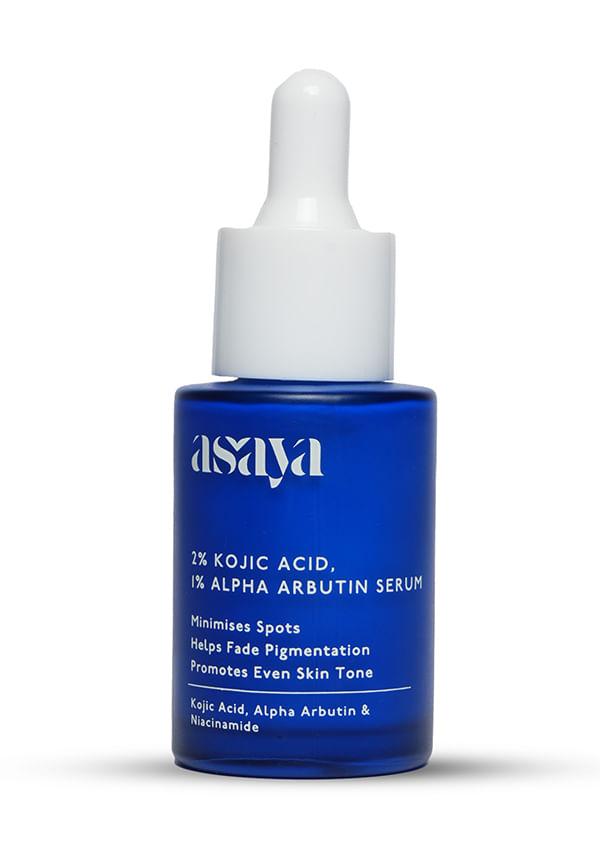
2% Kojic Acid & 1% Alpha Arbutin Face Serum
Kojic acid has become a skincare superstar for tackling dark spots and uneven skin tone, but here's the thing—using it long term requires some serious know-how. Real talk, whilst this ingredient can work wonders for your skin, it's not something you can just slap on and forget about. Getting kojic acid long term use safety right means understanding the proper protocols, recognising potential side effects, and knowing when to take breaks. Whether you're dealing with stubborn hyperpigmentation or just want that even glow, this guide breaks down everything you need to know about using kojic acid safely over months and years.
Kojic acid is a natural byproduct that comes from fermenting rice, and it's also found in certain fungi. Think of it as nature's way of creating a gentle skin brightener that actually works at the cellular level. The magic happens because kojic acid blocks an enzyme called tyrosinase, which is basically responsible for melanin production in your skin.
When it comes to kojic acid for skin applications, you'll find it in three main forms. Kojic acid cream tends to be the most moisturising option and works brilliantly for dry skin types. Kojic acid serum offers higher concentration and faster absorption, making it perfect for targeted treatment. Then there's kojic acid soap, which is gentler but covers larger areas—ideal for body use or sensitive faces.
The kojic acid benefits extend beyond just lightening. This ingredient also packs antioxidant properties, helping protect your skin from environmental damage whilst it works on evening out your complexion. Dermatologists have been studying kojic acid for decades, and the science backs up its effectiveness for treating various pigmentation concerns.
Let's dive into what makes kojic acid worth the long-term commitment. The most obvious benefit is its ability to tackle kojic acid hyperpigmentation issues—those stubborn dark spots from acne, sun damage, or melasma that just won't budge with regular skincare.
Over time, consistent use can lead to significant improvements in skin tone evenness. We're talking about gradual but noticeable changes that build up month after month. The kojic acid skin lightening effects aren't just surface-level either—this ingredient works to prevent new dark spots from forming whilst addressing existing ones.
Beyond pigmentation, kojic acid offers some surprising anti-ageing benefits. Its antioxidant properties help neutralise free radicals that contribute to premature skin ageing.
With consistent use, many people notice their overall skin tone becomes more uniform. This isn't just about lightening dark spots—it's about creating a more balanced, radiant complexion.
Now for the reality check—kojic acid side effects are real, and ignoring them can lead to more problems than you started with. The most common issue is contact dermatitis, which shows up as redness, itching, or burning sensations on your skin.
One of the biggest kojic acid risks is increased photosensitivity. This means your skin becomes more vulnerable to UV damage, making sunscreen absolutely non-negotiable. Some people also experience allergic reactions, especially if they have sensitive skin or use products with high concentrations.
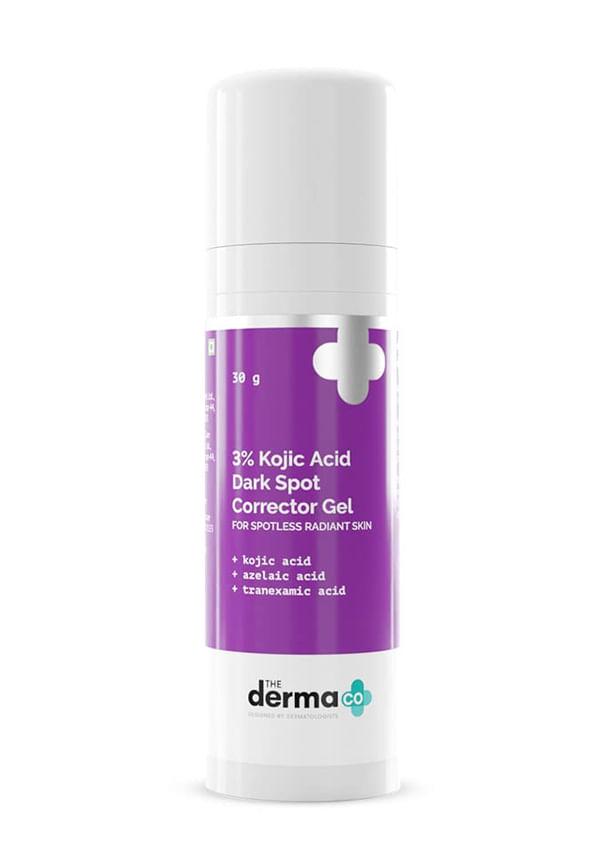
3% Kojic Acid Dark Spot Corrector Gel
Here's something interesting—Japan temporarily banned kojic acid in cosmetics back in the early 2000s due to safety concerns, though it was later reapproved with usage restrictions.
Watch out for persistent redness, unusual dryness, or any burning sensation that doesn't subside. These could indicate you're using too much or need to take a break.
Getting kojic acid long term use safety right starts with understanding proper concentration levels and application schedules. Most dermatologists recommend starting with 0.5% to 1% concentrations, especially if you're new to the ingredient.
The golden rule for kojic acid usage is the cycling approach. Use it consistently for 2-3 months, then take a 2-4 week break. This gives your skin time to reset and prevents the tolerance buildup that can reduce effectiveness over time.
Start with every other day applications, then gradually increase to daily use if your skin tolerates it well. Never jump straight into twice-daily use.
Begin with lower concentrations and only increase after your skin has adapted. Higher isn't always better—it's about finding what works for your skin long term.
Professional treatments typically use higher concentrations under controlled conditions, whilst over-the-counter products offer gentler, daily-use formulations.
Choosing between kojic acid cream, kojic acid serum, and kojic acid soap depends largely on your skin type and specific concerns. Each formulation has its place in a well-planned skincare routine.
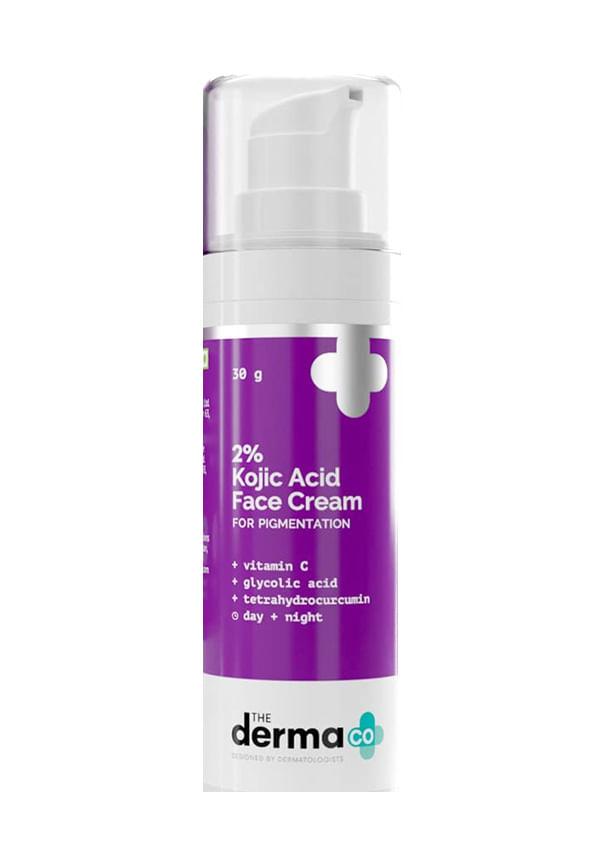
2% Kojic Acid Cream for Pigmentation
For sensitive skin types, kojic acid cream with added moisturising ingredients tends to be the gentlest option. The cream base helps buffer the active ingredient whilst providing hydration. Oily skin types often prefer kojic acid serum because it absorbs quickly without leaving residue.
Beginners should stick to 0.5-1% concentrations, whilst experienced users can handle 1-2% formulations. Never exceed 2% for home use.
Look for products that list kojic acid within the first five ingredients. Avoid formulations with harsh alcohols or excessive fragrances that could increase irritation risk.
Kojic acid works brilliantly with vitamin C, niacinamide, and hyaluronic acid. However, avoid combining it with retinoids or AHAs initially.
The non-negotiable rule for kojic acid usage is daily sunscreen application—we're talking SPF 30 minimum, every single day, even when you're indoors. Kojic acid makes your skin more photosensitive, so skipping sun protection can actually worsen pigmentation.
Always perform patch tests before starting any new kojic acid product. Apply a small amount to your inner wrist or behind your ear, then wait 24-48 hours to check for reactions. This simple step can save you from major skin disasters.
Use gentle, fragrance-free moisturisers to maintain your skin barrier. Kojic acid can be drying, so proper hydration is crucial for long-term success.
Discontinue use immediately if you experience persistent burning, unusual darkening of treated areas, or signs of allergic reaction like swelling or hives.
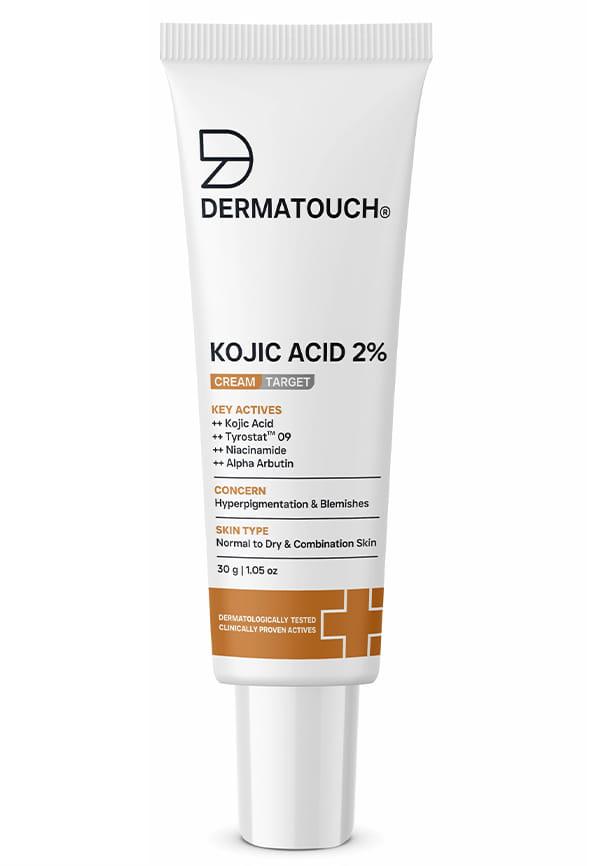
Kojic Acid 2% Cream
Pregnant and breastfeeding women should consult healthcare providers before using kojic acid products. The ingredient can also interact with certain medications.
When exploring kojic acid products, platforms like Smytten make it easier to find your perfect match without the commitment stress. With curated trial packs from trusted brands, you can test different kojic acid formulations before investing in full-size products. This approach is particularly valuable for kojic acid, where finding the right concentration and formulation for your skin type is crucial for long-term success.
Yes, kojic acid can be used long term when you follow proper cycling protocols. Use it for 2-3 months, then take a 2-4 week break. This prevents tolerance buildup and reduces the risk of side effects whilst maintaining effectiveness.
The primary disadvantages include increased sun sensitivity, potential for contact dermatitis, and possible skin irritation. Some people also experience dryness or allergic reactions, especially with higher concentrations or prolonged use without breaks.
Most people start seeing improvements in 4-6 weeks with consistent use. Significant changes in hyperpigmentation typically become noticeable after 8-12 weeks. However, results vary based on skin type, concentration used, and the severity of pigmentation.
Daily use is generally safe for most people when using appropriate concentrations (0.5-2%). However, start with every other day applications to assess tolerance, and always use sunscreen during the day.
Using kojic acid without sunscreen can worsen pigmentation and cause new dark spots. The ingredient increases photosensitivity, making your skin more vulnerable to UV damage and potentially reversing any progress made.
When used properly, kojic acid is unlikely to cause permanent damage. However, misuse—such as using excessive concentrations, skipping sun protection, or ignoring adverse reactions—can lead to lasting skin issues including increased sensitivity or paradoxical hyperpigmentation.
Mastering kojic acid long term use safety comes down to patience, consistency, and respect for your skin's limits. This ingredient can deliver impressive results for hyperpigmentation and uneven skin tone, but only when you follow proper protocols and listen to your skin's responses.
Remember the cycling approach, never skip sunscreen, and start slowly with lower concentrations. The key to long-term success isn't rushing the process—it's building a sustainable routine that your skin can handle month after month. With over 25 million users discovering their perfect skincare matches through trial and exploration, the journey to finding your ideal kojic acid routine doesn't have to involve guesswork or expensive mistakes. After all, why settle for 'maybe' when you can try different formulations safely and find what truly works for your skin?
