How to Use Kojic Acid for Stubborn Sun Spots

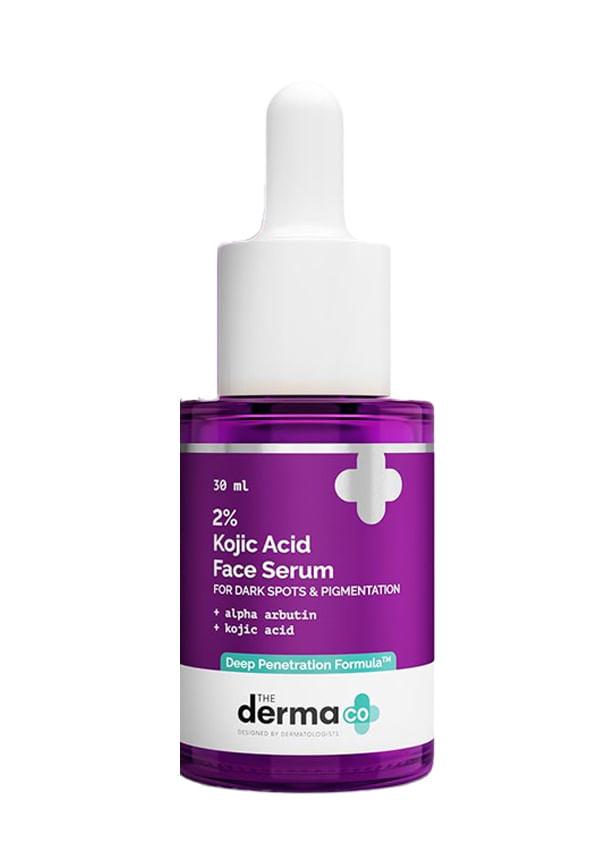
2% Kojic Acid Face Serum with 1% Alpha Arbutin & Niacinamide
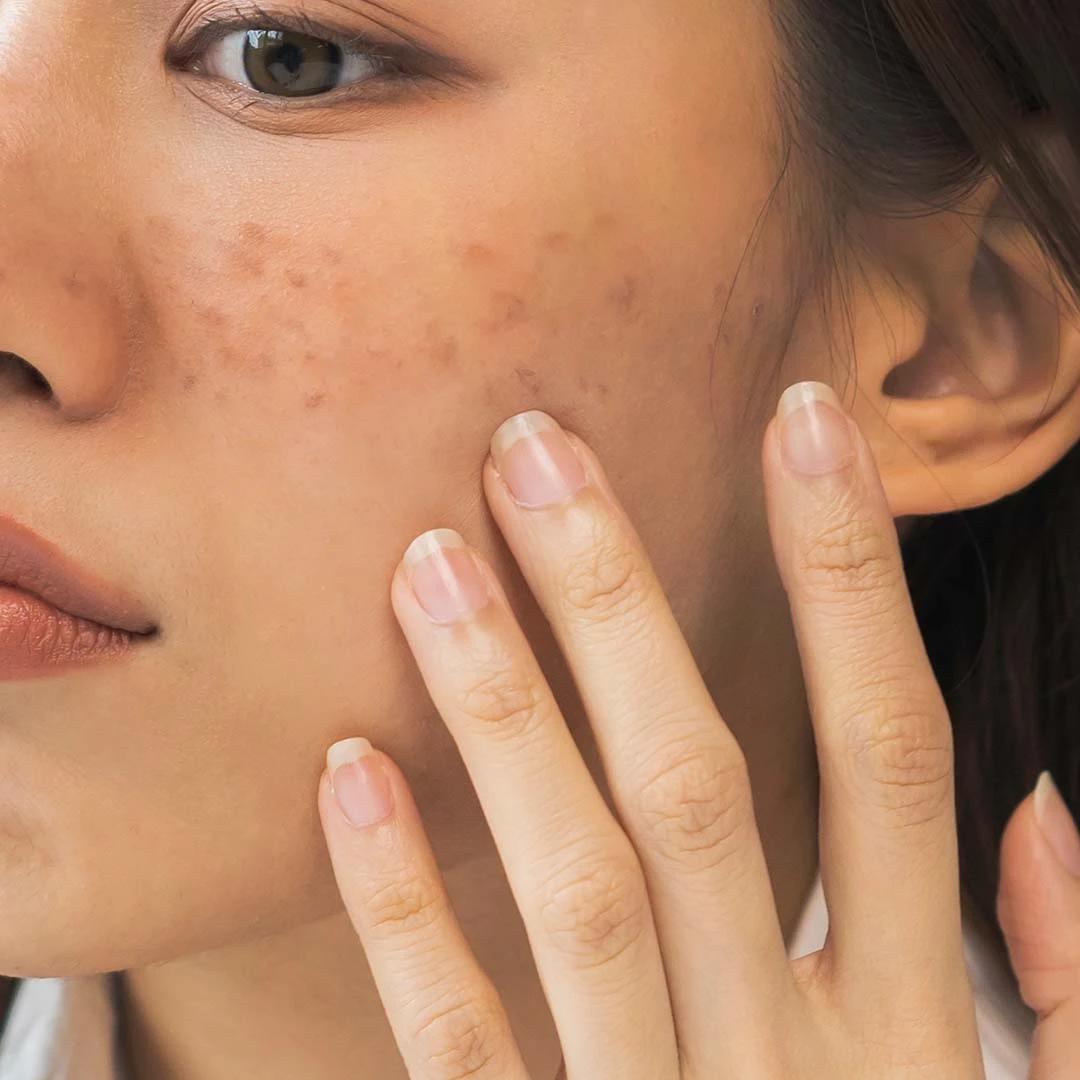
Sun spots can be proper stubborn, can't they? Those little dark patches that seem to pop up after years of sun exposure, making your skin look uneven and aged. If you've been searching for a solution that actually works, kojic acid might just be your new skincare hero. This naturally derived ingredient has been making waves in the beauty world for its ability to tackle hyperpigmentation head-on. Let's dive into everything you need to know about using kojic acid for sun spots and how it can help you achieve that clear, even-toned skin you've been dreaming of.
Real talk—kojic acid isn't some fancy lab-created chemical. It's actually a natural byproduct that comes from fermented rice, certain fungi, and even sake production. Pretty cool, right? This ingredient has been used in Japanese skincare for ages, and there's a good reason why it's stood the test of time.
The magic happens at a cellular level. Kojic acid works by inhibiting an enzyme called tyrosinase, which is responsible for melanin production in your skin. Think of melanin as your skin's natural pigment—when you have too much of it in certain spots, that's when you get those pesky dark patches we call sun spots, age spots, or melasma.
Here's what makes kojic acid particularly brilliant for skin discoloration treatment:
It blocks the formation of new melanin
Helps fade existing dark spots over time
Works on various types of hyperpigmentation
Gentle enough for most skin types when used correctly
The kojic acid benefits extend beyond just spot treatment too. Many users notice an overall brightening effect on their complexion, giving them that healthy, radiant glow we're all after.
Let's get a bit nerdy for a moment because understanding the science helps you use this ingredient more effectively. Clinical studies have shown that kojic acid can significantly reduce the appearance of hyperpigmentation when used consistently over time.
Unlike some harsh treatments that can damage your skin barrier, kojic acid works gently by preventing new melanin from forming rather than aggressively stripping away existing pigment. This makes it one of the safer hyperpigmentation remedies available, especially for long-term use.
Research suggests that you might start seeing subtle changes within 2-4 weeks of consistent use, with more noticeable results appearing after 8-12 weeks. The key word here is consistent—this isn't an overnight miracle, but rather a gradual process that fades dark spots naturally.
Not all dark spots are created equal, and kojic acid can tackle several different types:
Sun damage: Those brown spots from years of UV exposure
Age spots: Also called liver spots, these appear as we get older
Post-inflammatory hyperpigmentation: Dark marks left behind after acne or skin injury
Melasma: Hormonal pigmentation that often appears during pregnancy
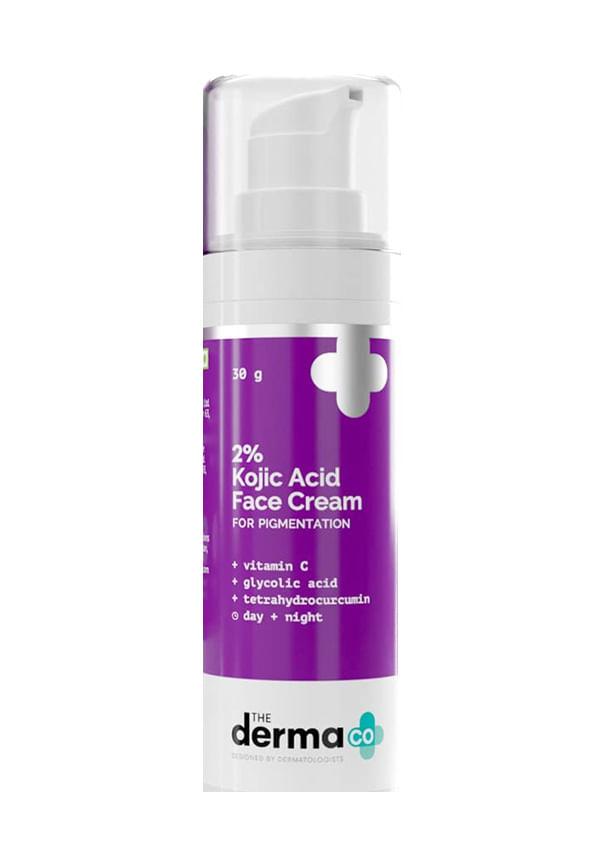
2% Kojic Acid Cream for Pigmentation
Right, let's get to the practical stuff. Using kojic acid effectively isn't rocket science, but there are definitely some dos and don'ts that'll help you get the best results whilst keeping your skin happy.
First things first—always, and I mean always, do a patch test. Apply a small amount of your chosen kojic acid product to a discreet area like behind your ear or on your inner wrist. Wait 24-48 hours to see if you have any adverse reactions.
Here's your step-by-step routine:
Evening application: Start with kojic acid in your evening routine only
Clean slate: Use a gentle cleanser to remove all makeup and impurities
Apply sparingly: Use a small amount of kojic acid serum or cream on affected areas
Let it absorb: Wait 10-15 minutes before applying other products
Moisturise: Follow with a good moisturiser to prevent dryness
Morning protection: Always use SPF 30+ the next day
Start with using kojic acid 2-3 times per week, then gradually increase frequency as your skin builds tolerance. Some people can eventually use it daily, whilst others find every other day works best.
The market is flooded with kojic acid products, so knowing what to look for can save you time and money:
Serums: Usually contain 1-2% kojic acid, perfect for targeted treatment
Kojic acid soap: Great for body sun spots, though can be drying
Creams: Often combined with moisturising ingredients for daily use
Combination products: May include vitamin C, arbutin, or glycolic acid for enhanced results
Let's be honest about this—kojic acid is generally safe, but it's not completely without risks. Being informed about potential side effects helps you use it smartly and safely.
The most common side effects include:
Mild irritation or redness
Increased sun sensitivity
Dryness or flaking
Contact dermatitis in sensitive individuals
Some people might experience what's called "contact sensitisation," where their skin becomes increasingly reactive to the ingredient over time. If you notice persistent irritation, redness, or any unusual reactions, it's time to stop using the product and possibly consult a dermatologist.
Smart usage can help you avoid most issues:
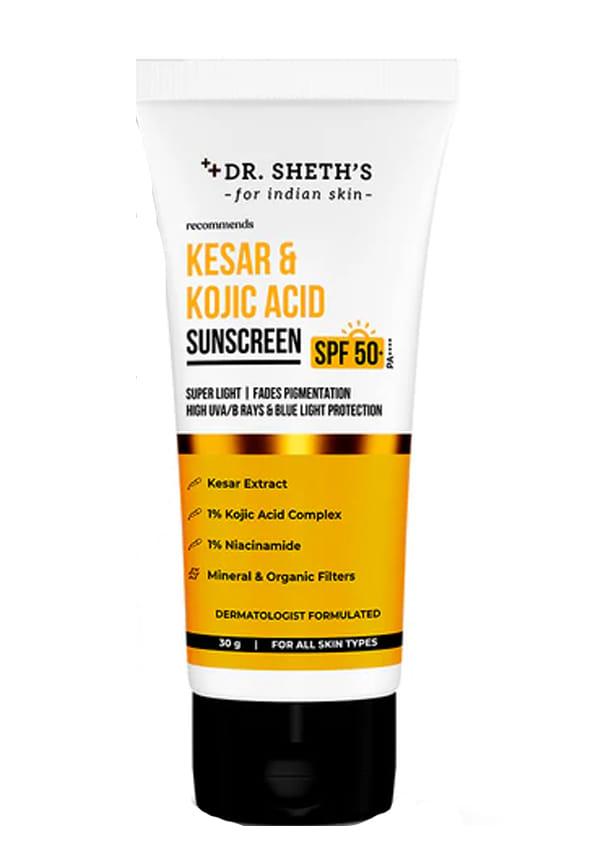
Kesar & Kojic Acid Sunscreen
Start with lower concentrations (0.5-1%)
Introduce gradually—begin with once or twice weekly
Always use a good moisturiser afterwards
Never skip sunscreen during the day
Avoid using with other strong actives initially
Want to get the most out of your kojic acid routine? Here's where consistency meets strategy. The most successful skin brightening journeys happen when you combine kojic acid with smart skincare habits.
Sun protection is absolutely non-negotiable. Using kojic acid without proper SPF is like trying to fill a bucket with holes in it—you're working against yourself. Your skin becomes more photosensitive when using kojic acid, so that daily SPF 30+ isn't just recommended, it's essential.
Consider these complementary ingredients that work beautifully with kojic acid:
Vitamin C: Antioxidant protection and additional brightening
Niacinamide: Helps reduce irritation and supports skin barrier
Hyaluronic acid: Keeps skin hydrated during treatment
Arbutin: Another gentle melanin inhibitor for enhanced results
Here's what you can realistically expect during your kojic acid journey:
Weeks 1-4: Skin adjustment period, possible mild irritation
Months 2-3: First signs of spot lightening become visible
Months 4-6: Significant improvement in sun spot appearance
Beyond 6 months: Maintenance phase with continued gradual improvement
You've probably heard of other ingredients that promise to tackle dark spots. Let's see how kojic acid stacks up against the competition, shall we?
Hydroquinone is often considered the gold standard for melasma treatment and hyperpigmentation, but it comes with more restrictions and potential side effects. Kojic acid offers a gentler alternative that you can use long-term without the same concerns.
Vitamin C is brilliant for prevention and mild brightening, but kojic acid tends to be more effective for existing stubborn spots. The good news? They work beautifully together when introduced properly.
Professional treatments like chemical peels or laser therapy can deliver faster results, but they're also more expensive and require downtime. Kojic acid gives you the convenience of at-home treatment with gradual, natural-looking results.
When exploring different age spot correctors, remember that what works for your friend might not work for you. This is where platforms like Smytten become incredibly valuable—you can try different kojic acid formulations through curated trial packs before committing to full-size products. With over 1,500 trusted brands available, you can explore various concentrations and formulations to find what works best for your skin.
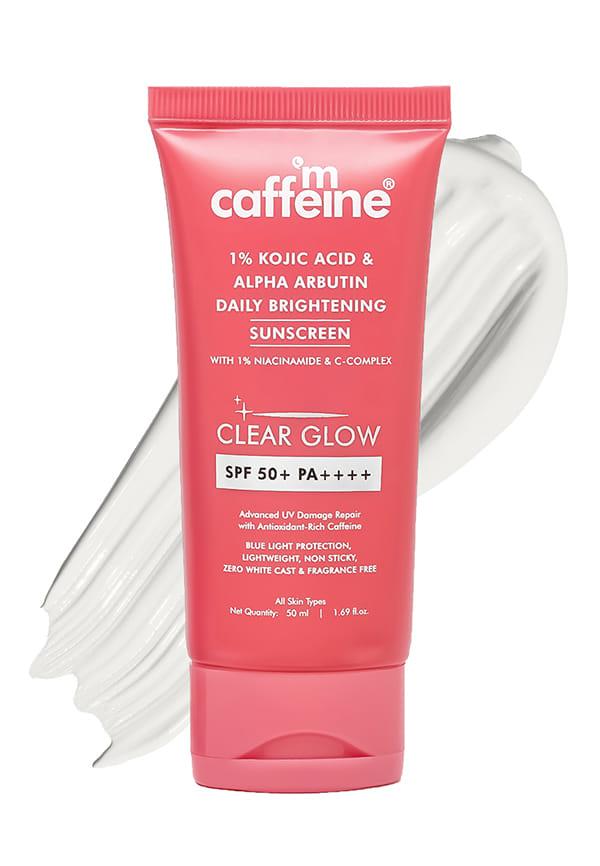
CLEAR GLOW 1% Kojic Acid & Alpha Arbutin Daily Brightening Sunscreen
Absolutely! Kojic acid is particularly effective for sun spots because it targets the melanin production process that creates these dark patches. Clinical studies show significant improvement in sun spot appearance with consistent use over 8-12 weeks.
Most people can work up to daily use of 2% kojic acid, but it's best to start slowly. Begin with 2-3 times per week and gradually increase frequency as your skin builds tolerance. Always monitor for irritation and adjust accordingly.
The main disadvantages include potential skin irritation, increased sun sensitivity, and the possibility of contact dermatitis in sensitive individuals. Some people may also experience dryness or mild stinging when first starting treatment.
You might notice subtle changes within 2-4 weeks, but significant improvement typically takes 8-12 weeks of consistent use. Deeper, older sun spots may take up to 6 months to show substantial fading.
Yes, kojic acid soap can be effective for body sun spots, particularly on areas like hands, shoulders, and chest. However, soap formulations can be more drying, so always follow with a good body moisturiser.
Whilst kojic acid is generally considered safer than hydroquinone, it's best to consult your healthcare provider before using any new skincare ingredients during pregnancy, especially for melasma treatment.
Using kojic acid for sun spots can be a game-changer in your skincare routine, but success lies in patience, consistency, and smart application. Remember that this is a marathon, not a sprint—the best results come to those who stick with their routine and protect their skin from further damage.
The beauty of kojic acid lies in its gentle yet effective approach to sun spot removal. Unlike harsh treatments that can leave your skin compromised, kojic acid works with your skin's natural processes to gradually fade discoloration whilst maintaining your skin's health.
Finding the right kojic acid product for your skin doesn't have to be a guessing game. Smytten's trial packs let you explore different formulations and concentrations from trusted brands without the commitment of full-size purchases. With options to try up to 8 minis for just ₹249 and 100% cashback on trial orders, you can discover what works best for your unique skin needs. After all, why settle for maybe when you can try it all and find your perfect match?
