How to Use Kojic Acid for Facial Pigmentation Treatment


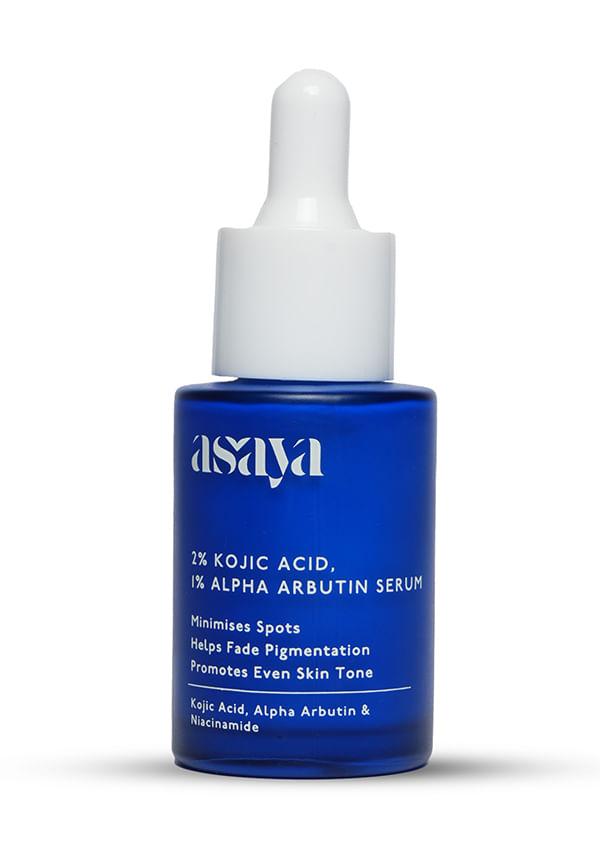
2% Kojic Acid & 1% Alpha Arbutin Face Serum
Dark spots, melasma, and uneven skin tone can feel like unwelcome guests that just won't leave. If you've been scrolling through skincare feeds wondering how to tackle facial pigmentation, kojic acid might just be your new best friend. This naturally derived ingredient has been making waves in the skincare world for its ability to brighten skin and fade stubborn dark spots. Let's dive into everything you need to know about using kojic acid for facial pigmentation treatment—from the science behind it to getting real results.
Kojic acid is a natural byproduct of fermentation, originally discovered during the sake-making process in Japan. Think of it as nature's own skin brightening solution that's been hiding in plain sight. This gentle yet effective ingredient works by inhibiting tyrosinase, the enzyme responsible for melanin production in your skin.
Here's the science bit made simple: when your skin produces too much melanin (the pigment that gives skin its colour), you end up with dark spots, melasma, or uneven tone. Kojic acid benefits include blocking this overproduction, essentially telling your skin to calm down with the pigment party. Unlike harsh chemical peels, kojic acid works gradually to reveal brighter, more even-toned skin.
Not all dark spots are created equal, and kojic acid is particularly brilliant at addressing specific types of facial pigmentation:
Sun damage and age spots from years of UV exposure
Post-inflammatory hyperpigmentation from acne or skin injuries
Melasma triggered by hormonal changes
General skin discoloration and uneven patches
Real talk—kojic acid isn't just another trendy ingredient. Clinical studies have shown impressive results for various pigmentation concerns, making it a reliable choice for those seeking effective hyperpigmentation treatment.
Melasma can be particularly stubborn, often triggered by pregnancy or hormonal changes. Kojic acid skin treatments have shown promising results in reducing melasma patches, with many users seeing improvement within 8-12 weeks of consistent use.
Those pesky brown spots from too many beach days? Kojic acid works as an effective dark spot corrector, gradually fading sun-induced pigmentation. The key is patience—your skin didn't develop these spots overnight, and they won't disappear that quickly either.
If you've dealt with acne, you know the frustration of dark marks that linger long after the breakout has healed. Kojic acid helps speed up the natural fading process, making it an excellent addition to your post-acne recovery routine.
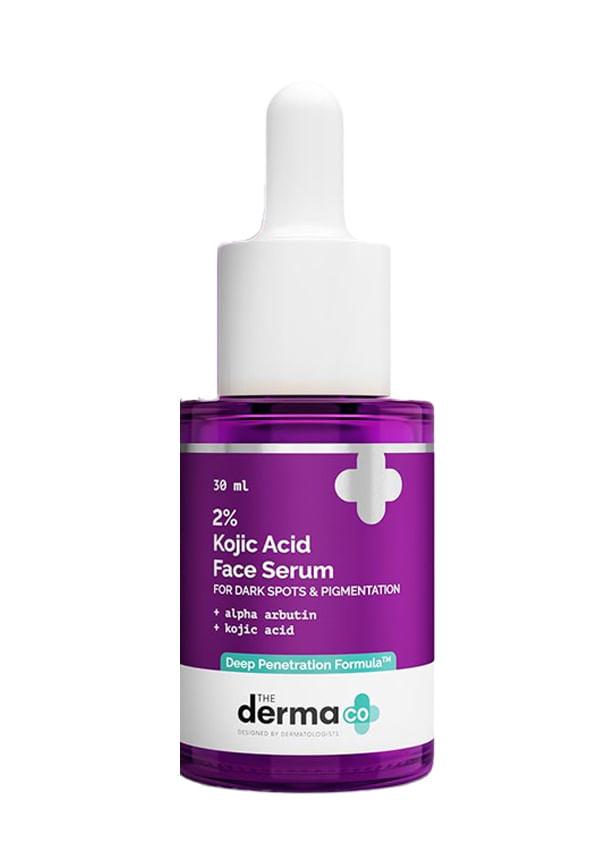
2% Kojic Acid Face Serum with 1% Alpha Arbutin & Niacinamide
Getting started with kojic acid for facial pigmentation treatment doesn't have to be complicated. Here's your foolproof guide to incorporating this powerhouse ingredient into your routine safely and effectively.
Before diving in, always patch test. Apply a small amount of your chosen kojic acid serum to your inner forearm and wait 24-48 hours. No irritation? You're good to go.
Start with clean, dry skin. Apply 2-3 drops of kojic acid serum to affected areas, gently patting (not rubbing) into the skin. Less is more—you don't need to drench your face.
Begin with every other evening for the first two weeks. Your skin needs time to adjust, so don't rush the process. Once your skin tolerates it well, you can gradually increase to nightly use.
Layer your kojic acid serum after cleansing but before heavier creams. Follow this order:
Cleanser
Kojic acid serum
Moisturiser
Sunscreen (morning routine)
Let's set realistic expectations. Facial pigmentation removal is a marathon, not a sprint. Understanding the timeline helps you stay committed to the process and celebrate small wins along the way.
Your skin is getting acquainted with kojic acid. You might notice slight tingling or mild sensitivity—this is normal. Focus on gentle application and consistent use.
This is when things get exciting. You'll start noticing subtle improvements in overall skin brightness. Dark spots may appear slightly lighter, and your complexion might look more radiant.
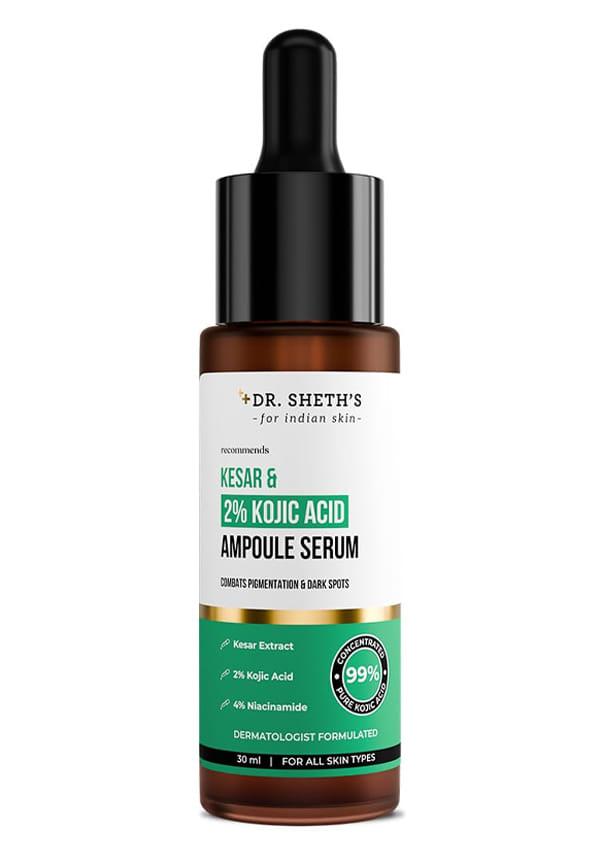
Kesar & Kojic Acid Serum
By now, you should see noticeable reduction in pigmentation intensity. Friends might start asking about your skincare routine—that's when you know it's working. Your journey towards an even skin tone is well underway.
After achieving your desired results, you can reduce frequency to 2-3 times per week for maintenance. Remember, consistency is key to preventing new pigmentation from forming.
While kojic acid is generally well-tolerated, being aware of potential side effects helps you use it safely and effectively. Knowledge is power, especially when it comes to your skin.
Most people experience minimal issues, but some may notice:
Mild irritation or redness
Temporary skin sensitivity
Slight dryness in the initial weeks
Contact dermatitis in rare cases
If you have extremely sensitive skin, eczema, or are pregnant or breastfeeding, consult a dermatologist before starting any new hyperpigmentation treatment. Your skin's safety always comes first.
Kojic acid can increase photosensitivity, making sunscreen absolutely essential. Use broad-spectrum SPF 30 or higher daily, even on cloudy days. This isn't just good advice—it's crucial for preventing new pigmentation while treating existing spots.
Not all kojic acid products are created equal. Understanding concentrations and formulations helps you choose the right product for your skin type and pigmentation concerns.
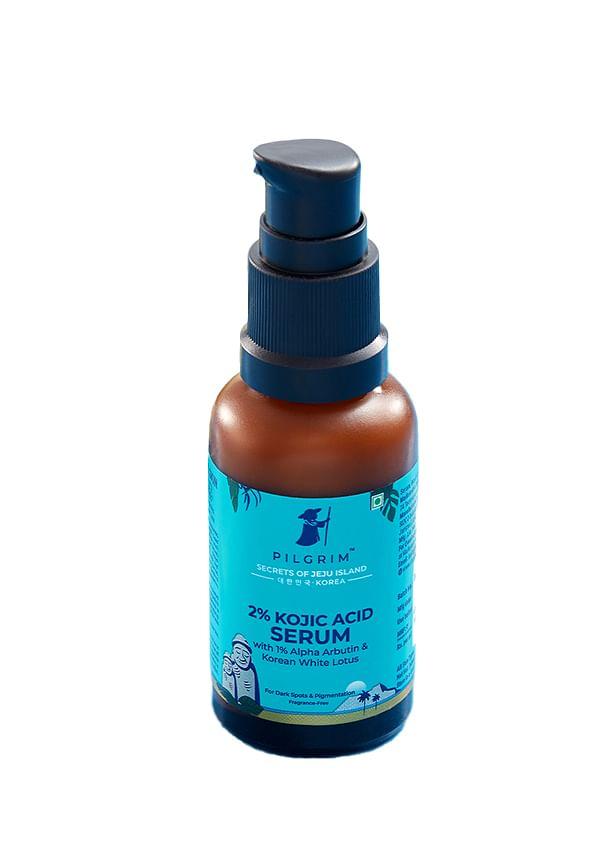
2% Kojic Acid Serum For Dark Spots & Pigmentation
Start with 1-2% kojic acid if you're new to the ingredient. This concentration is effective yet gentle enough for most skin types. Higher concentrations (up to 4%) are available but should be introduced gradually.
Kojic acid comes in various forms:
Serums: Most potent and targeted application
Creams: Gentler, with added moisturising benefits
Cleansers: Mild daily introduction to the ingredient
Masks: Intensive weekly treatments
When exploring different formulations, platforms like Smytten make it incredibly easy to try multiple products without the commitment of full-size purchases. With curated trial packs from trusted brands, you can discover which kojic acid product works best for your skin before investing in the full-size version.
Absolutely! Kojic acid is one of the most effective ingredients for treating facial pigmentation. It works by inhibiting melanin production, making it excellent for fading dark spots, melasma, and achieving more even skin tone. Clinical studies support its efficacy for various types of pigmentation concerns.
Start slowly with 2% kojic acid—begin with every other day for two weeks, then gradually increase to daily use if your skin tolerates it well. Always monitor for irritation and adjust frequency accordingly. Daily use is generally safe for most people once tolerance is established.
Most people see initial improvements within 2-4 weeks, with significant results appearing after 8-12 weeks of consistent use. Complete pigmentation removal can take 3-6 months, depending on the severity and type of pigmentation. Patience and consistency are key to success.
Potential disadvantages include increased sun sensitivity, possible irritation or contact dermatitis in sensitive individuals, and the need for consistent long-term use to maintain results. Some people may experience temporary redness or dryness when first starting treatment.
Yes, but introduce combinations gradually. Kojic acid pairs well with vitamin C and niacinamide but should be used cautiously with retinol or AHAs. Always space out application times and monitor your skin's response when combining active ingredients.
Using kojic acid for facial pigmentation treatment can be a game-changer for achieving brighter, more even-toned skin. The key lies in starting slowly, being consistent, and protecting your skin with daily sunscreen. Remember, good things take time—your skin's transformation won't happen overnight, but with patience and the right approach, you'll see results.
Whether you're dealing with stubborn melasma, post-acne marks, or sun damage, kojic acid offers a gentle yet effective solution. The beauty of modern skincare discovery is that you don't have to guess which products will work for you. With platforms offering trial-sized versions of popular kojic acid formulations, you can explore different options and find your perfect match without the financial commitment. After all, why settle for maybe when you can try it all and discover what truly works for your unique skin?
