How to Use Kojic Acid for Brighter Skin & Dark Spots


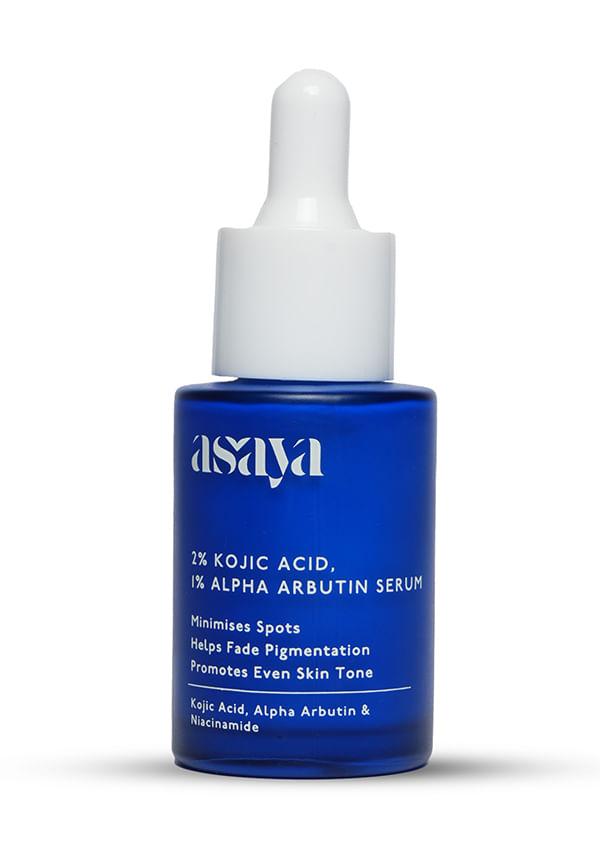
2% Kojic Acid & 1% Alpha Arbutin Face Serum
Dark spots and uneven skin tone can feel like uninvited guests that just won't leave. If you've been scrolling through skincare content lately, you've probably stumbled across kojic acid—the ingredient that's been making waves for its brightening powers. But here's the thing: knowing how to use kojic acid properly makes all the difference between glowing results and potential irritation. Let's dive into everything you need to know about this skin-brightening superstar, from application techniques to realistic timelines for seeing those dark spots fade.
Kojic acid is a natural byproduct derived from fungi, particularly those used in making sake, soy sauce, and rice wine. Think of it as nature's own brightening agent that's been quietly working behind the scenes in traditional fermentation processes for centuries.
The magic happens at a cellular level. Kojic acid for skin works by inhibiting tyrosinase, an enzyme responsible for melanin production. When melanin production slows down, new skin cells form with less pigmentation, gradually replacing the darker, pigmented cells on the surface. This process is particularly effective for kojic acid dark spots and addressing kojic acid hyperpigmentation concerns.
Research shows kojic acid can be particularly effective for post-inflammatory hyperpigmentation (those stubborn marks left behind by breakouts) and melasma. Unlike some harsher brightening ingredients, kojic acid tends to be gentler on the skin whilst still delivering noticeable results. It's often compared to hydroquinone but without some of the more concerning long-term effects, making it a popular choice for those seeking safer alternatives.
Getting the application right is crucial for both safety and effectiveness. The key is starting slow and building your skin's tolerance gradually.
Before you even think about applying kojic acid to your face, patch testing is non-negotiable. Apply a small amount behind your ear or on your inner wrist and wait 24-48 hours. Look out for any redness, itching, or irritation—your skin will tell you if it's ready for this ingredient.
Always start with clean, dry skin. Use a gentle cleanser and pat your face dry completely. Never apply kojic acid to broken, irritated, or freshly exfoliated skin, as this can increase the risk of irritation significantly.
When applying kojic acid, less is definitely more. Use clean fingertips to apply a thin, even layer to the affected areas or your entire face, depending on your needs. Gentle circular motions help with absorption, but avoid aggressive rubbing.
The order matters too: cleanse, tone (if you use one), apply kojic acid, then follow with your moisturiser. This sequence ensures maximum absorption whilst protecting your skin barrier. For targeted treatment of dark spots, you can apply kojic acid directly to those areas before your broader skincare routine.
Nighttime application is your best bet. Kojic acid can increase photosensitivity, making your skin more prone to sun damage during the day. Start with 2-3 applications per week, allowing your skin to adjust before increasing frequency.
Once your skin tolerates it well (usually after 2-3 weeks), you can gradually work up to nightly use. For soap or cleanser forms, limit contact time to 30-60 seconds maximum—these formulations are typically more concentrated and can cause irritation if left on too long.
Not all kojic acid products are created equal. Each formulation has its own application method and concentration levels, making some better suited for specific skin types and concerns.
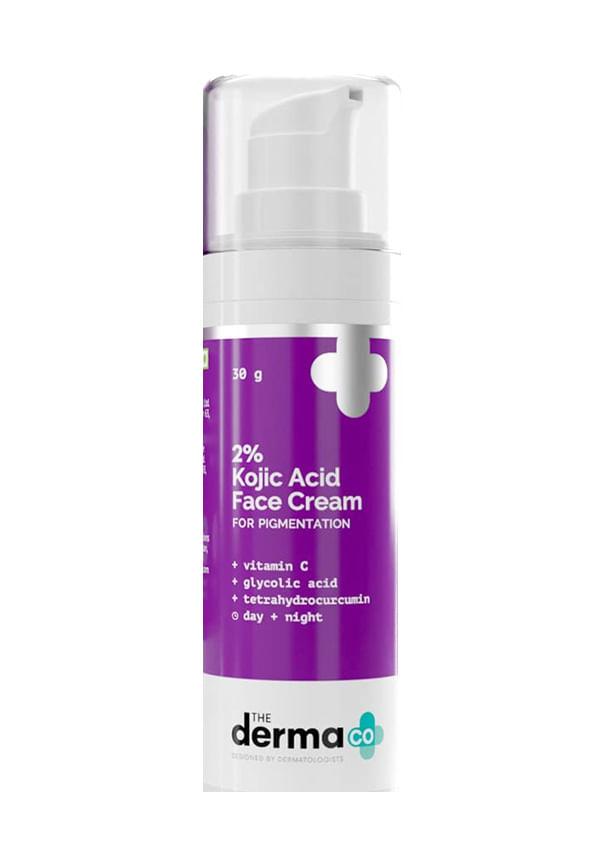
2% Kojic Acid Cream for Pigmentation
Kojic acid serum typically offers the most concentrated and targeted approach. Apply 2-3 drops to clean skin, focusing on areas with dark spots or uneven pigmentation. Serums absorb quickly and work well under moisturisers and other skincare products.
If you're using multiple serums, apply kojic acid first (after cleansing and toning) as it needs direct contact with your skin to work effectively. Wait a few minutes before layering other products to ensure proper absorption.
Kojic acid soap is often the most budget-friendly option and works well for body application. Create a rich lather and apply to damp skin, but don't let it sit for more than 60 seconds. The key is consistent, brief contact rather than prolonged exposure.
For facial use, be extra gentle and consider using it only 2-3 times per week initially. Always follow with a good moisturiser immediately after rinsing, as soap formulations can be more drying than other forms.
Kojic acid cream tends to be the gentlest option, making it ideal for sensitive skin types. Apply a thin layer to clean skin and massage gently until absorbed. Creams often contain additional moisturising ingredients, making them suitable for those with drier skin types.
This formulation works well for maintenance once you've achieved your desired results, as it's typically less concentrated than serums but more moisturising than soaps.
Understanding realistic expectations is crucial for your kojic acid journey. Kojic acid benefits extend beyond just dark spot treatment, though that's often the primary reason people reach for it.
The most notable benefit is its ability to fade post-inflammatory hyperpigmentation—those dark marks left behind after breakouts heal. It's also effective for melasma, age spots, and general skin tone evening. Many users notice their skin looking brighter and more radiant overall, not just in targeted areas.
For realistic timelines, expect to see initial improvements in dark spots within 4-8 weeks of consistent use. More stubborn pigmentation like melasma may take 3-6 months to show significant improvement. Kojic acid before and after results vary greatly depending on skin type, pigmentation severity, and consistency of use. The key is patience and consistent application rather than expecting overnight miracles.
Like any active ingredient, kojic acid comes with potential side effects that you should be aware of before starting your routine.
The most significant kojic acid side effects include increased photosensitivity, making your skin more susceptible to sun damage. This is why daily sunscreen becomes absolutely non-negotiable when using kojic acid products.
Some people experience dryness, mild irritation, or a burning sensation, especially when first starting. Contact dermatitis can occur in sensitive individuals, presenting as redness, itching, or small bumps around the application area.
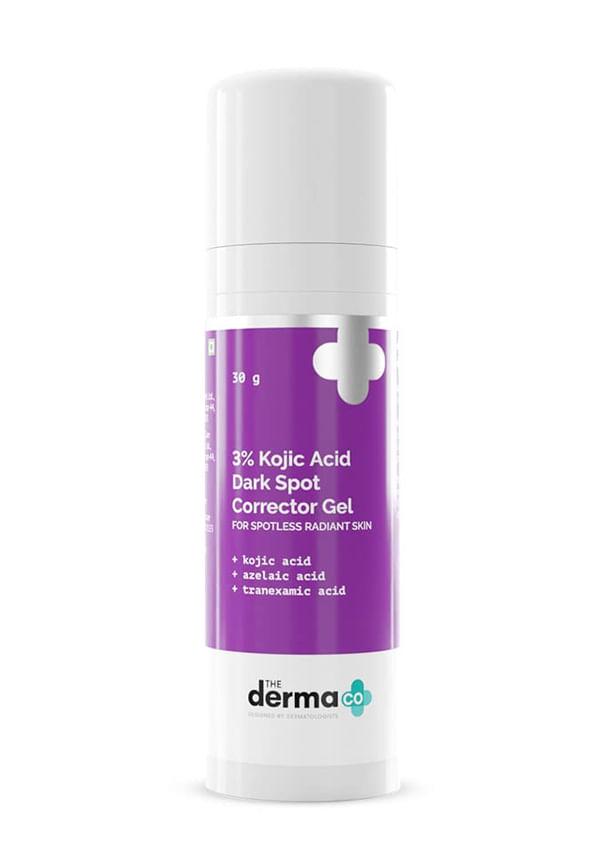
3% Kojic Acid Dark Spot Corrector Gel
Daily SPF 30 or higher sunscreen is mandatory—no exceptions. Reapply throughout the day if you're spending time outdoors. A good moisturiser applied after kojic acid helps combat dryness and supports your skin barrier.
If you experience persistent burning, increased redness, or any signs of allergic reaction, stop use immediately and consult a dermatologist. Some skin types simply don't tolerate kojic acid well, and that's perfectly normal.
Building an effective kojic acid skincare routine means understanding which ingredients play well together and which ones don't.
Vitamin C and kojic acid can work beautifully together, but timing is everything. Use vitamin C in the morning and kojic acid at night to avoid potential irritation. Hyaluronic acid is an excellent companion, providing the hydration your skin needs whilst kojic acid does its brightening work.
Niacinamide pairs well with kojic acid for additional brightening and pore-refining benefits. These ingredients complement each other without competing for absorption or causing irritation.
Retinoids and kojic acid together can be a recipe for irritation, especially for sensitive skin. If you use both, alternate nights or use retinoids in the morning and kojic acid at night.
AHA and BHA acids should be used cautiously with kojic acid, as the combination can lead to over-exfoliation. Benzoyl peroxide can also increase irritation when used simultaneously with kojic acid.
A gentle, non-stripping cleanser helps maintain your skin barrier whilst using kojic acid. Look for cream or lotion cleansers rather than foaming ones if you have sensitive skin.
Broad-spectrum sunscreen isn't optional—it's essential. Choose SPF 30 or higher and reapply throughout the day. A good moisturiser with ceramides or hyaluronic acid helps repair and maintain your skin barrier during treatment.
This is where platforms like Smytten become invaluable for your skincare journey. With access to trial packs from trusted brands, you can test different kojic acid formulations and supportive products without committing to full sizes. Whether you're exploring kojic acid serums from brands like Dot & Key or gentle cleansers from Cetaphil, trying before buying helps you build the perfect routine for your skin type.
Patience is your best friend when it comes to kojic acid results. Understanding realistic timelines helps manage expectations and keeps you motivated during the process.
Week 1-2: Your skin is adjusting to the new ingredient. You might not see visible changes yet, but your skin is beginning to respond at a cellular level. Some people notice their skin feeling smoother or looking slightly brighter.
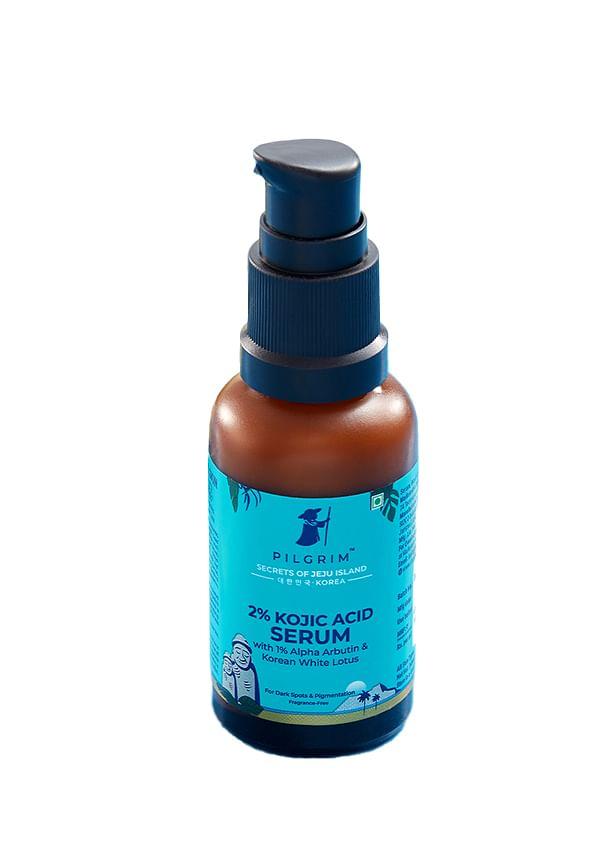
2% Kojic Acid Serum For Dark Spots & Pigmentation
Week 3-4: This is when many people start seeing initial improvements in skin tone and texture. Dark spots may begin to look slightly lighter, and overall skin radiance often improves.
Week 6-8: More noticeable improvements in dark spots and hyperpigmentation become visible. Post-inflammatory hyperpigmentation from recent breakouts typically responds well by this point.
Month 3-6: Stubborn pigmentation like melasma or deeper age spots may require this longer timeframe to show significant improvement. Consistency is crucial during this phase.
Factors affecting your timeline include skin type, severity of pigmentation, product concentration, and consistency of use. Those with sensitive skin may need to use kojic acid less frequently, potentially extending the timeline but reducing irritation risk.
Yes, kojic acid can be applied directly to facial skin, but always start with a patch test first. For sensitive skin, consider diluting it with a gentle moisturiser initially or choosing a lower concentration product. Never apply to broken or irritated skin.
Nighttime is ideal for kojic acid application since it can increase photosensitivity. Using it at night allows the ingredient to work whilst you sleep and reduces the risk of sun-related irritation. Always follow with sunscreen the next morning.
Cream and serum formulations can typically be left on overnight, but soap forms should only be used for 30-60 seconds maximum. Always follow the specific product instructions and start with shorter contact times to assess your skin's tolerance.
Consistency is key for optimal results. Start slowly (2-3 times per week), gradually increase frequency as tolerated, always use sunscreen during the day, and maintain a gentle skincare routine. Patience and regular use yield better results than aggressive application.
Many people can use kojic acid daily once their skin builds tolerance, but this varies by individual and product concentration. Start with every other day or 2-3 times per week, then gradually increase frequency based on how your skin responds.
Learning how to use kojic acid effectively is about finding the right balance between consistency and gentleness. This brightening powerhouse can deliver impressive results for dark spots and hyperpigmentation, but only when used correctly and patiently.
Remember that skincare is deeply personal—what works brilliantly for your friend might not suit your skin type. This is where Smytten's approach to product discovery becomes particularly valuable. With trial packs from over 1,500 trusted brands, you can explore different kojic acid formulations and find your perfect match without the commitment of full-size purchases. Whether you're testing a kojic acid serum from a premium brand or trying a gentler cream formulation, those mini trials help you make informed decisions about what deserves a permanent spot in your routine.
The journey to brighter, more even-toned skin takes time, but with the right approach and realistic expectations, kojic acid might just become your new skincare favourite. Start slow, stay consistent, and don't forget that sunscreen—your future self will thank you for both the patience and protection.
