How to Use Hyaluronic Acid for Glowing Skin
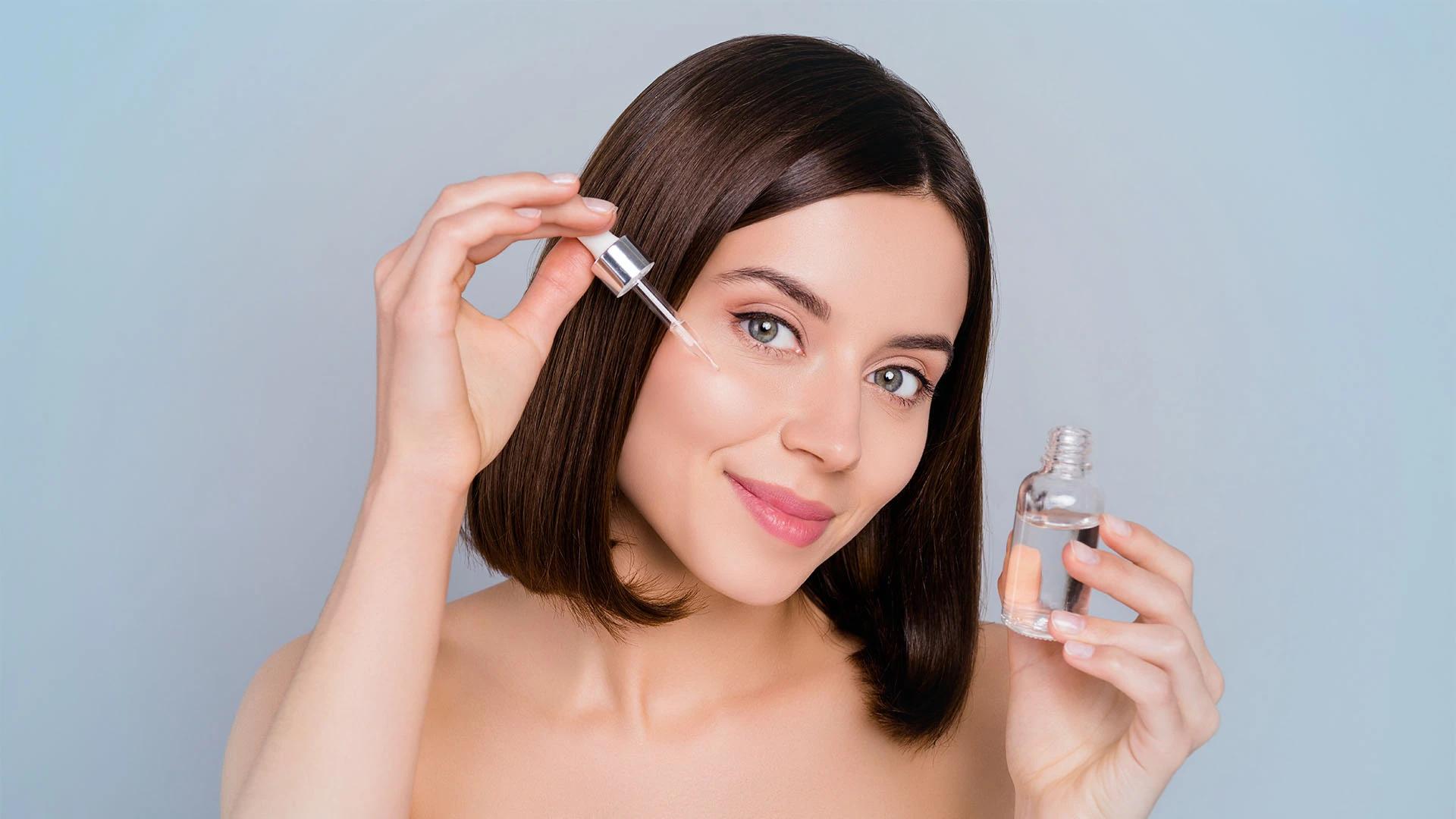

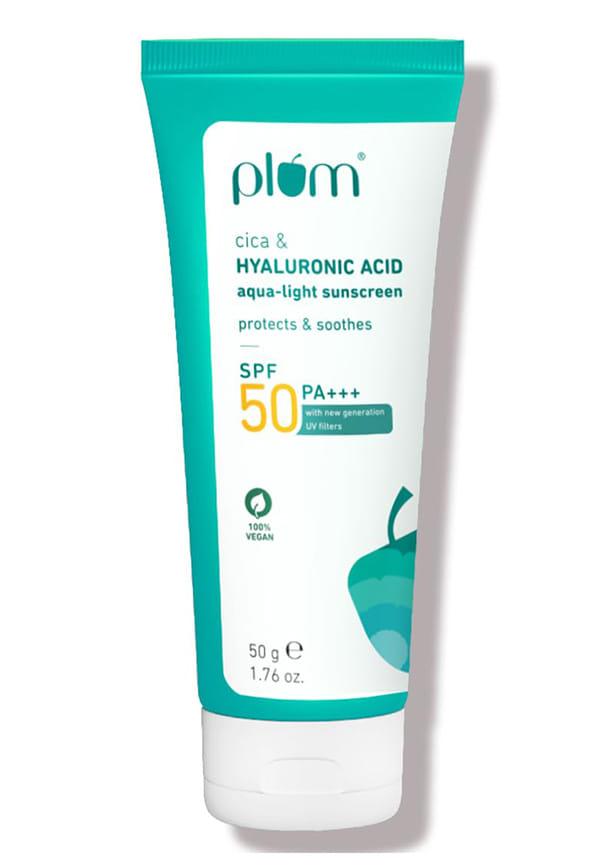
Cica & Hyaluronic Acid Aqua-Light Sunscreen SPF 50 PA+++
Great Serum, Recommend
 5
5“great serum i would recommend .”
Lightweight Gel Sunscreen
5“lightweight gel sunscreen no any fragrance added.”
Non-Sticky, Fragrance-Free, Lightweight
5“non sticky fragrance free light weight”
Let's be real—hyaluronic acid has become the skincare ingredient everyone's talking about, and for good reason. This moisture-magnet molecule can hold up to 1,000 times its weight in water, making it your skin's best friend for that plump, dewy glow we're all after. But here's the thing: knowing what hyaluronic acid is and actually knowing how to use it properly are two completely different stories. Whether you're eyeing that trending serum or wondering if those supplements are worth a try, understanding the right hyaluronic acid applications can be the difference between glowing skin and, well, not-so-glowing results.
Think of hyaluronic acid as your skin's personal hydration hero. This naturally occurring molecule is already hanging out in your skin, joints, and eyes, working overtime to keep everything plump and moisturised. The science bit? It's a glycosaminoglycan (fancy word, we know) that acts like a tiny sponge, grabbing onto water molecules and refusing to let go.
Here's where it gets interesting—your skin naturally produces hyaluronic acid, but like most good things, production starts slowing down as we age. By the time you hit your 40s, you're working with about half the amount you had in your 20s. That's why your skin might start feeling a bit less bouncy and more, well, thirsty than it used to.
The magic happens at the molecular level. When hyaluronic acid for skin is applied topically, it creates this invisible moisture barrier that keeps your skin looking plump and feeling soft. It's not just about surface hydration either—this clever molecule helps your skin maintain its natural moisture balance throughout the day.
Ready for some serious hyaluronic acid benefits? This ingredient doesn't mess about when it comes to transforming your skin. First up, the hydration game is unmatched—we're talking about deep, lasting moisture that makes your skin look like you've just had the most refreshing facial.
But the benefits don't stop at hydration. Here's what this wonder ingredient brings to your skincare routine:
Instant plumping effect: Fine lines get filled in from the inside out, giving you that smooth, youthful appearance
Enhanced skin barrier: Stronger protection against environmental nasties and moisture loss
Improved texture: Say hello to softer, smoother skin that feels as good as it looks
Faster healing: Helps your skin repair itself more efficiently, perfect for dealing with breakouts or irritation
Universal compatibility: Works beautifully with sensitive, oily, dry, and combination skin types
The anti-ageing benefits are particularly impressive. While hyaluronic acid won't turn back time completely, it does give your skin that bouncy, youthful quality that makes fine lines way less noticeable. Plus, well-hydrated skin is healthier skin, which means better overall resilience and glow.
Now let's talk about the fun part—all the different ways you can get hyaluronic acid applications into your routine. The beauty of this ingredient is its versatility, which means there's definitely a format that'll work for your lifestyle and skin needs.
Topical hyaluronic acid is where most people start, and honestly, it's often all you need. Serums are the most popular choice because they pack the highest concentration into a lightweight formula that absorbs quickly. You'll also find it in moisturisers, which is brilliant for those who prefer a one-step approach to hydration.
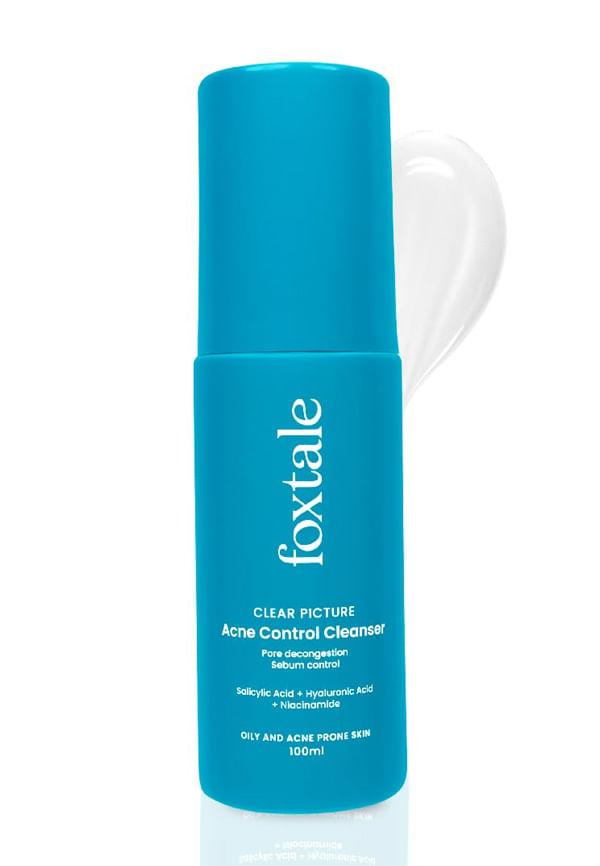
Acne Control Cleanser with Salicylic Acid || Hyaluronic Acid and Niacinamide
Sheet masks loaded with hyaluronic acid are perfect for those weekly pamper sessions, whilst eye creams with this ingredient target the delicate under-eye area where fine lines love to appear first. The key is finding the right concentration and molecular weight for your skin type.
For those wanting more dramatic results, professional treatments take hyaluronic acid uses to the next level. Dermal fillers use cross-linked hyaluronic acid to add volume and smooth deeper lines, whilst professional facials often incorporate high-concentration formulas that you can't get over the counter.
These treatments require proper consultation and should only be done by qualified professionals, but the results can be pretty impressive for those looking for more than what topical products can achieve.
Hyaluronic acid supplements work from the inside out, supporting your body's natural production of this moisture-loving molecule. Whilst the research is still developing, some studies suggest that oral supplements can improve skin hydration and elasticity over time.
The typical dosage ranges from 120-240mg daily, but it's worth chatting with a healthcare professional before adding any supplements to your routine, especially if you're taking other medications.
Here's where things get practical—using hyaluronic acid serum properly can make or break your results. The biggest mistake people make? Applying it to completely dry skin. This actually works against you because the molecule will pull moisture from deeper skin layers, leaving you feeling tight and uncomfortable.
The golden rule is the damp skin technique. After cleansing, whilst your skin is still slightly moist, apply 2-3 drops of serum and gently pat it in. Don't rub—patting helps the product absorb better and prevents unnecessary tugging on your skin.
Timing matters too. Morning application works brilliantly under your moisturiser and SPF, giving your skin a hydration boost that lasts all day. Evening application allows the ingredient to work its magic overnight when your skin's natural repair processes are in full swing.
Always, and we mean always, follow up with a moisturiser. Think of hyaluronic acid as the drink of water your skin craves, and moisturiser as the lid that keeps all that hydration locked in. Skip this step, and you might actually end up with drier skin than when you started.
Not all hyaluronic acid products are created equal, and understanding the differences can help you pick your perfect match. The main decision usually comes down to hyaluronic acid serum versus hyaluronic acid cream, and both have their place in a well-rounded routine.
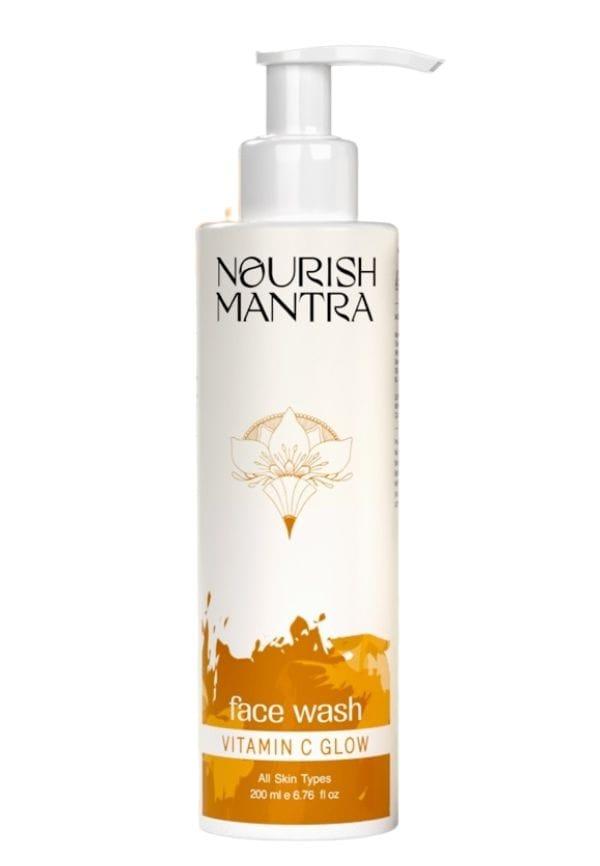
Vitamin C Glow Face Wash for Bright & Glowing Skin - 200 ml
Serums typically contain higher concentrations and lighter molecular weights, which means they penetrate deeper and work faster. They're perfect for layering under other products and work well for all skin types, especially oily or combination skin that might find creams too heavy.
Creams, on the other hand, combine hyaluronic acid with other moisturising ingredients, making them ideal for dry skin or those who prefer a simplified routine. They're particularly good for evening use when your skin can handle richer formulations.
When shopping for hyaluronic acid skincare, keep an eye out for sodium hyaluronate—this is actually a smaller molecule that penetrates skin more easily than regular hyaluronic acid. Multi-molecular weight formulas are worth obsessing over because they work at different skin levels for comprehensive hydration.
Look for products that combine hyaluronic acid with other hydrating heroes like glycerin, ceramides, or vitamin B5. These ingredients work together to create a moisture cocktail that your skin will absolutely love.
The brilliant thing about hyaluronic acid applications is how well they play with others. This ingredient is basically the friendly neighbour of skincare—it gets along with almost everyone and makes everything work better together.
Vitamin C and hyaluronic acid are a match made in skincare heaven. Apply your vitamin C serum first (on damp skin), then follow with hyaluronic acid for a brightening, hydrating combo that'll have your skin glowing. Retinol can be drying, so following it with hyaluronic acid helps counteract any potential irritation whilst boosting the anti-ageing benefits.
Niacinamide and hyaluronic acid work beautifully together too—niacinamide helps regulate oil production and minimise pores, whilst hyaluronic acid ensures your skin stays perfectly hydrated. The key is applying thinnest to thickest consistency, so serums before creams, always.
There aren't many ingredients that clash with hyaluronic acid, but be mindful with very high-concentration acids like glycolic or salicylic acid. Not because they don't work together, but because your skin might need time to adjust to multiple active ingredients.
Let's address the elephant in the room—hyaluronic acid side effects are pretty rare, but they can happen. The most common issue isn't actually a side effect but a usage mistake: applying it to completely dry skin in low-humidity environments can sometimes leave skin feeling tight or dry.
True allergic reactions are uncommon since hyaluronic acid is naturally found in our bodies, but sensitive skin types should always patch test new products. Apply a small amount to your inner arm and wait 24-48 hours to see how your skin reacts.
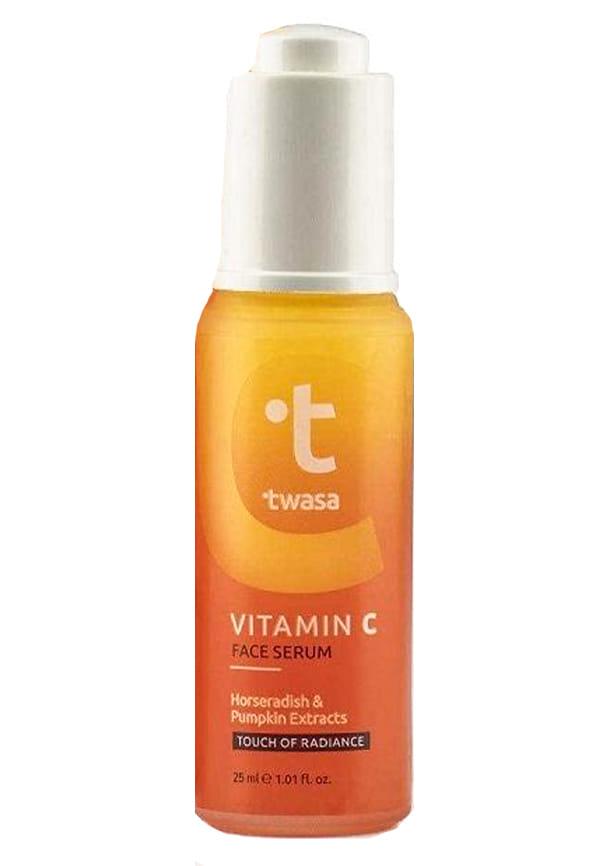
Vitamin C Face Serum For Glowing Skin With Hyaluronic Acid
If you're pregnant or breastfeeding, topical hyaluronic acid is generally considered safe, but it's always worth checking with your healthcare provider. The same goes for supplements—whilst they're likely fine for most people, professional guidance is always smart.
Quality matters hugely when it comes to safety. Stick to reputable brands and avoid products that seem too good to be true price-wise. Your skin deserves ingredients that have been properly tested and formulated.
Hyaluronic acid applications include topical serums for deep hydration, moisturisers for daily use, sheet masks for intensive treatments, dermal fillers for professional anti-ageing, and oral supplements for internal support. Each format offers different benefits depending on your skin goals.
Korean skincare often features Beta-Glucan, which delivers 20% more hydration than hyaluronic acid whilst strengthening the skin barrier. Other popular alternatives include snail mucin, ceramides, and fermented ingredients that provide similar moisture-binding benefits.
When applied to completely dry skin, hyaluronic acid can draw moisture from deeper skin layers, potentially causing tightness. Rare side effects include allergic reactions in sensitive individuals, and low-quality formulations might not deliver expected results.
Both serve different purposes—vitamin C provides antioxidant protection and brightening, whilst hyaluronic acid focuses on hydration. They work excellently together in a layered routine, with vitamin C applied first followed by hyaluronic acid.
Oral hyaluronic acid supplements may support skin hydration from within, though topical applications provide more direct and immediate benefits for skin appearance. Supplements work best as part of a comprehensive skincare approach rather than a standalone solution.
Mastering hyaluronic acid applications is honestly one of the best things you can do for your skin. Whether you're just starting your skincare journey or looking to upgrade your current routine, this ingredient delivers results that you can actually see and feel. The key is understanding that it's not just about slapping on any hyaluronic acid product—it's about using the right format, at the right time, in the right way.
Remember, great skin doesn't happen overnight, but with consistent use of quality hyaluronic acid products, you'll start noticing that plump, hydrated glow within weeks. And here's where Smytten comes in handy—instead of committing to full-size products straight away, you can explore different hyaluronic acid formulations through curated trial packs. With over 1,500 trusted brands including skincare favourites like Cetaphil and Dot & Key, you can discover which hyaluronic acid products work best for your skin without the guesswork. After all, why settle for 'maybe' when you can try it all and find your perfect hydration match?
