How to Use Hyaluronic Acid for Face Benefits


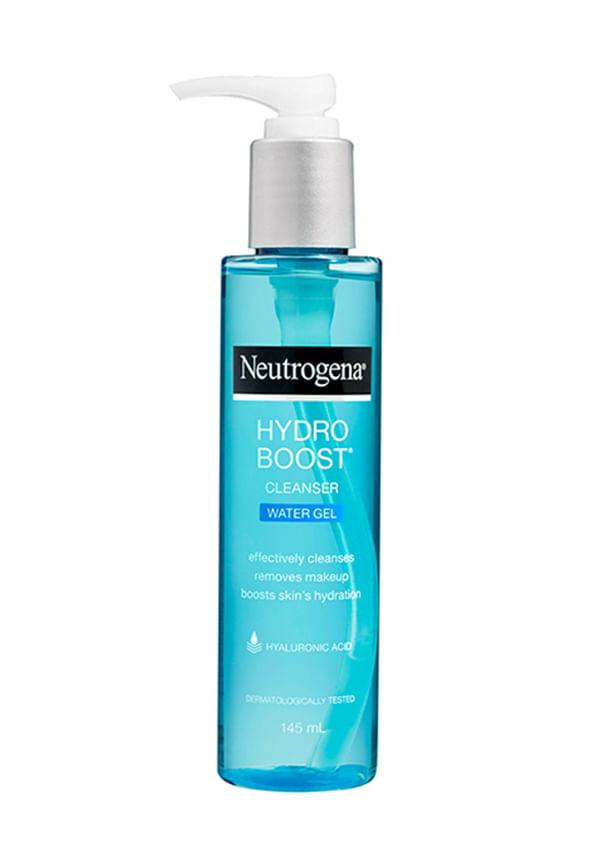
Hydro Boost Cleanser Water Gel With Hyaluronic Acid
Good for all skin types
 5
5“This is very good for all skin types”
Cleanser for Freshness
5“Hydrating cleanser makes my face feel fresh”
Positive product impression
5“nice product i ever seen ,hope my skin glows”
Let's be real—hyaluronic acid has become the skincare world's golden child, and for good reason. This moisture-magnet ingredient promises plump, hydrated skin that looks years younger. But with so many products claiming miraculous results, how do you actually harness the hyaluronic acid benefits for face transformation? Whether you're dealing with dry patches, fine lines, or just want that dewy glow everyone's obsessing over, understanding how to properly use this powerhouse ingredient can be your game-changer. From choosing the right serum to mastering application techniques, we're breaking down everything you need to know about making hyaluronic acid work for your unique skin needs.
Think of hyaluronic acid as your skin's personal hydration superhero. This naturally occurring substance in our bodies has one superpower that makes it absolutely worth obsessing over—it can hold up to 1,000 times its weight in water. That's like having a tiny moisture reservoir right in your skin cells.
Here's the thing though: as we age, our natural hyaluronic acid production takes a nosedive. By the time you hit 40, you've lost about half of what you had in your twenties. That's where topical hyaluronic acid skin products come to the rescue, helping restore that bouncy, plump texture we all crave.
The science bit is actually quite fascinating—hyaluronic acid molecules come in different sizes, and the smaller ones can penetrate deeper into your skin layers. When you apply it topically, it acts like a moisture magnet, drawing water from the environment and deeper skin layers to the surface. The benefits of hyaluronic acid go beyond just hydration; it also supports your skin's natural barrier function and helps maintain that healthy, glowing complexion.
Ready to discover why this ingredient deserves a permanent spot in your skincare routine? The benefits are pretty impressive, and they work for virtually every skin type and concern.
This is where hyaluronic acid truly shines. Its humectant properties mean it doesn't just add moisture—it helps your skin hold onto it. Perfect for anyone dealing with tight, uncomfortable skin or those annoying dry patches that makeup never sits well on. Hyaluronic acid for dry skin is particularly game-changing because it provides both immediate relief and long-term hydration benefits.
Here's where things get exciting for anyone concerned about fine lines. When your skin is properly hydrated, it naturally appears plumper and smoother. Hyaluronic acid for wrinkles works by filling in those tiny lines from the inside out, giving you that subtle lift without any invasive procedures. It also supports your skin's natural collagen production, which means better elasticity and firmness over time.
Your skin barrier is like a protective shield, and hyaluronic acid helps strengthen it. This means better protection against environmental stressors, pollution, and irritants that can cause inflammation and premature ageing. A stronger barrier also means less water loss throughout the day, keeping your skin comfortable and balanced.
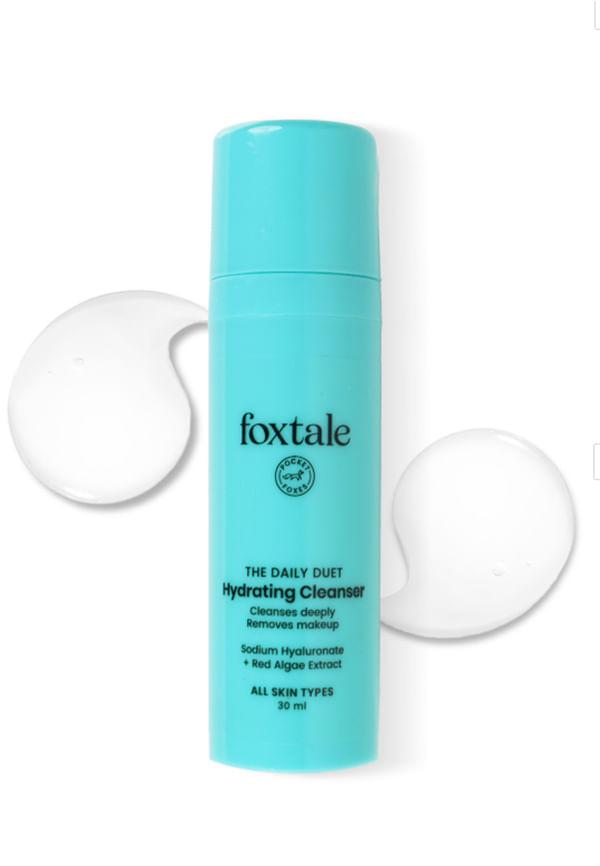
Hydrating Face Wash with Hyaluronic Acid
Good for Daily Use
5“this cleanse is good for daily use. clean soft and smooth skin.”
Good for Daily Use
5“this cleanse is good for daily use. clean soft and smooth skin.”
Good for Daily Use
5“this cleanse is good for daily use. clean soft and smooth skin.”
Whether you're dealing with oily skin, sensitivity, or acne concerns, hyaluronic acid plays well with everyone. It's non-comedogenic, meaning it won't clog your pores, and its lightweight texture absorbs quickly without leaving any greasy residue. Even if you have reactive skin, this ingredient is generally well-tolerated and can actually help calm irritation.
Getting the application right is crucial for maximising results. The good news is that how to use hyaluronic acid is pretty straightforward once you know the basics.
Start with a gentle cleanser, then apply your hyaluronic acid serum to slightly damp skin—this is key for optimal absorption. Follow with your regular moisturiser and always finish with SPF. The damp skin trick helps the hyaluronic acid pull moisture from the water on your face rather than from deeper skin layers.
Your evening routine offers more flexibility for layering. After cleansing and any treatment products like retinol or acids, apply your hyaluronic acid serum. Wait a few minutes for absorption, then seal everything in with a nourishing night moisturiser. This creates the perfect environment for overnight skin repair and hydration.
Less is definitely more with hyaluronic acid. Two to three drops are usually enough for your entire face. Gently press the serum into your skin rather than rubbing—this helps with absorption and prevents irritation. Most people can use it twice daily, but if you're new to the ingredient, start with once daily to see how your skin responds.
With countless options available, picking the right product can feel overwhelming. Understanding the differences between formulations will help you make the best choice for your specific needs.
Serums typically contain higher concentrations and lighter molecular weights, making them perfect for targeted hydration. Hyaluronic acid moisturizer options tend to be more occlusive, providing both hydration and barrier protection. Many people find that using both—serum first, then moisturiser—gives the best hyaluronic acid results.
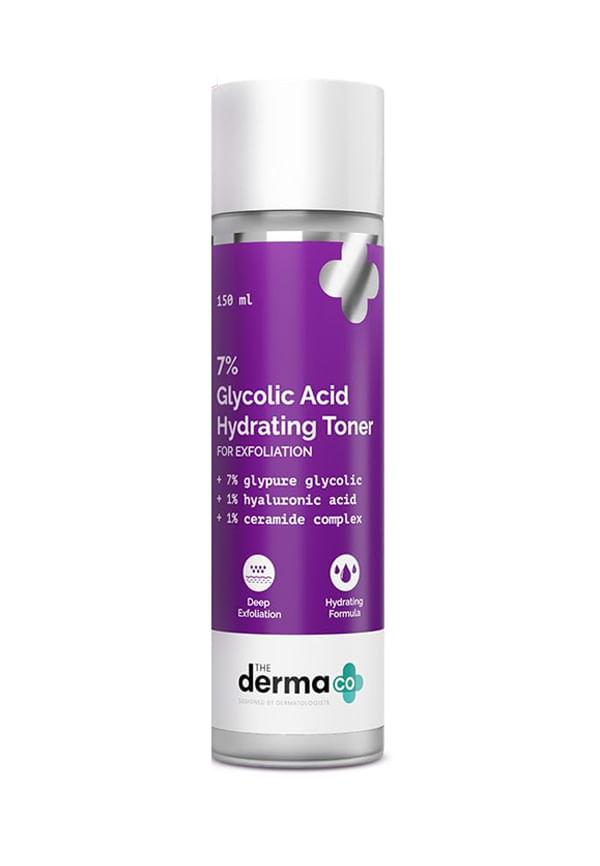
7% Glycolic Acid Hydrating Toner with Glycolic Acid & Hyaluronic Acid
Good Hydrating Toner
4“Very gud toner nd very hyardating”
Good Hydrating Toner
4“Very gud toner nd very hyardating”
Good Hydrating Toner
4“Very gud toner nd very hyardating”
Look for products that combine different molecular weights of hyaluronic acid for multi-level hydration. Complementary ingredients like ceramides, niacinamide, or vitamin B5 can boost the hydrating effects. Avoid products with high concentrations of alcohol or harsh preservatives that might counteract the moisturising benefits.
Dry skin types benefit from richer formulations with added emollients. Oily or combination skin should look for lightweight, gel-based serums that won't add excess oil. Sensitive skin types should choose fragrance-free options with minimal additional ingredients to reduce the risk of irritation.
While hydration is the main event, this versatile ingredient offers several other skin benefits that make it worth incorporating into your routine.
For acne-prone skin, hyaluronic acid can help balance moisture levels without adding oil, potentially reducing the overproduction of sebum. Those dealing with rosacea or sensitivity often find it soothing and calming. The hyaluronic acid uses extend to post-treatment care as well—it's excellent for helping skin recover after chemical peels or other professional treatments.
During winter months, layering hyaluronic acid under a heavier moisturiser provides extra protection against harsh weather. In humid summer conditions, you might find that a lightweight hyaluronic acid serum alone provides enough hydration without feeling heavy or sticky.
While hyaluronic acid is generally considered one of the safest skincare ingredients, it's worth knowing what to watch out for.
True allergic reactions to hyaluronic acid are extremely rare. Most issues arise from improper application or using it in very dry environments where it might actually pull moisture from your skin instead of the air. Hyaluronic acid side effects are typically mild and include temporary stinging or slight irritation, usually resolved by adjusting application method or frequency.
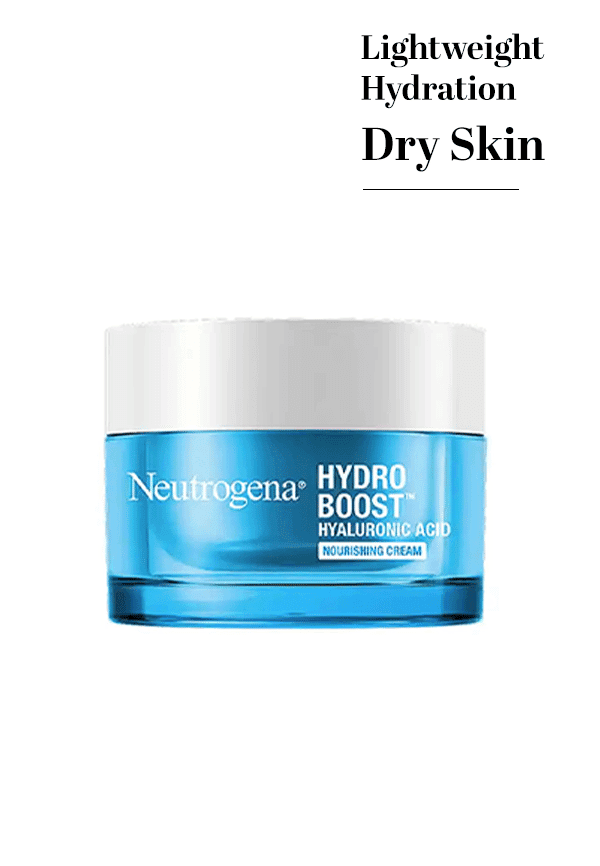
Hydro Boost Hyaluronic Acid Nourishing Cream
Amazing product for skin
5“amazing product for the skin. the barrier really healed”
Amazing Product, Exceeded Expectations
5“Amazing product from Smytten! Quality exceeded expectations and the packaging was beautiful. Loved trying something new without spending too much. Highly recommended for first-time users.”
Highly Hydrating Cream
5“the most hydrating cream for dry skin leaves my skin plump”
If you experience persistent redness, burning, or breakouts after introducing hyaluronic acid, it's worth getting professional advice. Sometimes the issue isn't the ingredient itself but how it's interacting with other products in your routine.
Absolutely! Daily use is not only safe but recommended for most people. Start with once daily if you have sensitive skin, then gradually increase to twice daily as your skin adjusts.
Always apply hyaluronic acid serum before your moisturiser. The serum provides the hydration boost, while the moisturiser helps lock it in and prevents water loss.
It's highly unlikely since hyaluronic acid is non-comedogenic. If you're experiencing breakouts, check the other ingredients in your product or consider whether you're using too much.
You'll notice immediate hydration benefits, but the full plumping and smoothing effects typically become apparent after 2-4 weeks of consistent use.
Yes, they work beautifully together! Apply retinol first, wait for absorption, then follow with hyaluronic acid to counteract any dryness.
Hyaluronic acid truly deserves its reputation as a skincare superstar. From providing instant hydration to supporting long-term skin health, the benefits are both immediate and cumulative. The key is choosing the right product for your skin type and applying it correctly—on damp skin, followed by a good moisturiser.
If you're curious about trying different hyaluronic acid formulations without committing to full-size products, platforms like Smytten make it incredibly easy to discover what works for your skin. With curated trial packs from trusted brands, you can explore various serums and moisturisers to find your perfect match. After all, why settle for guessing when you can try it all and make confident choices about what truly works for your unique skin needs?
