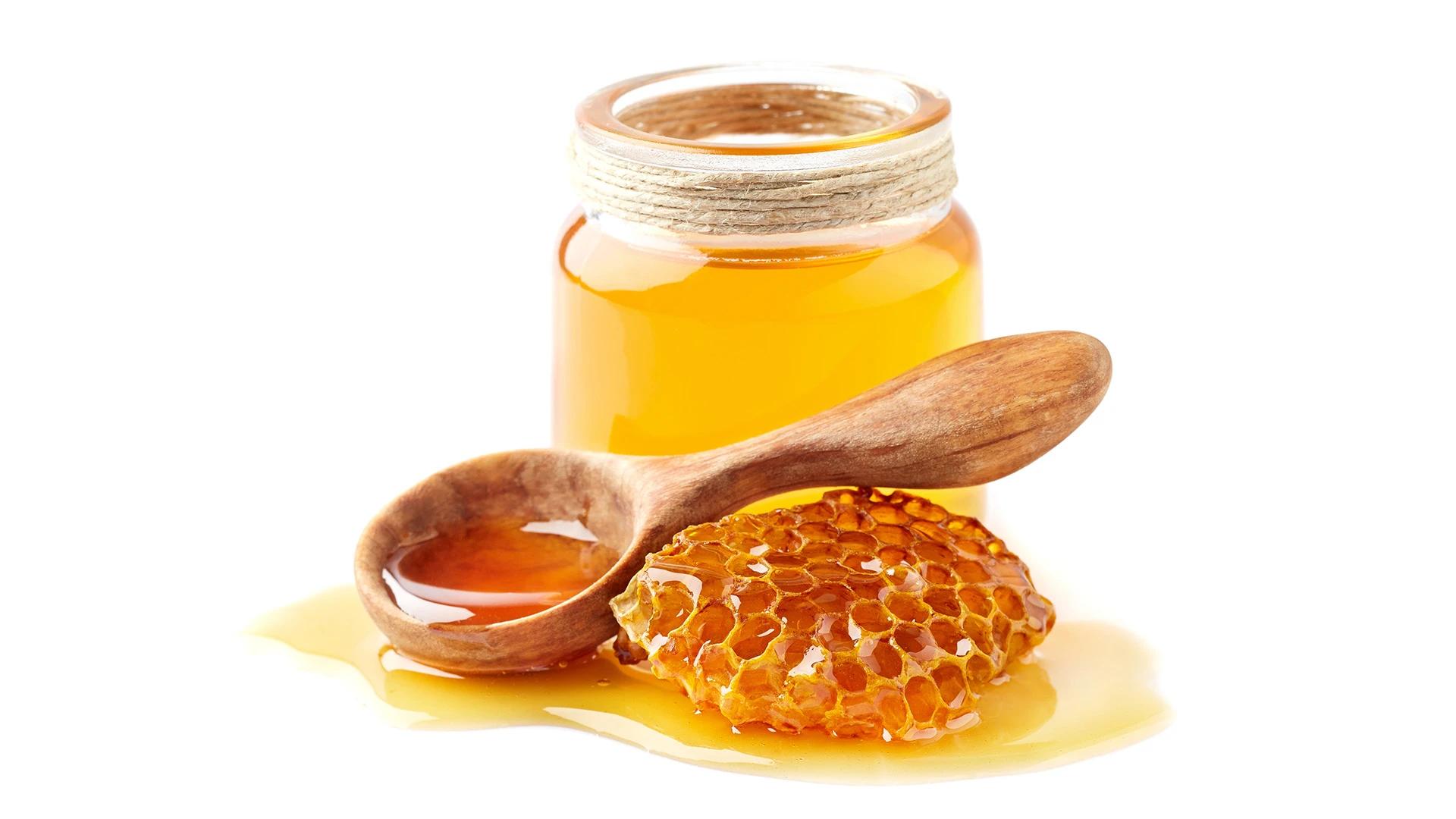
Skincare
•06 min read

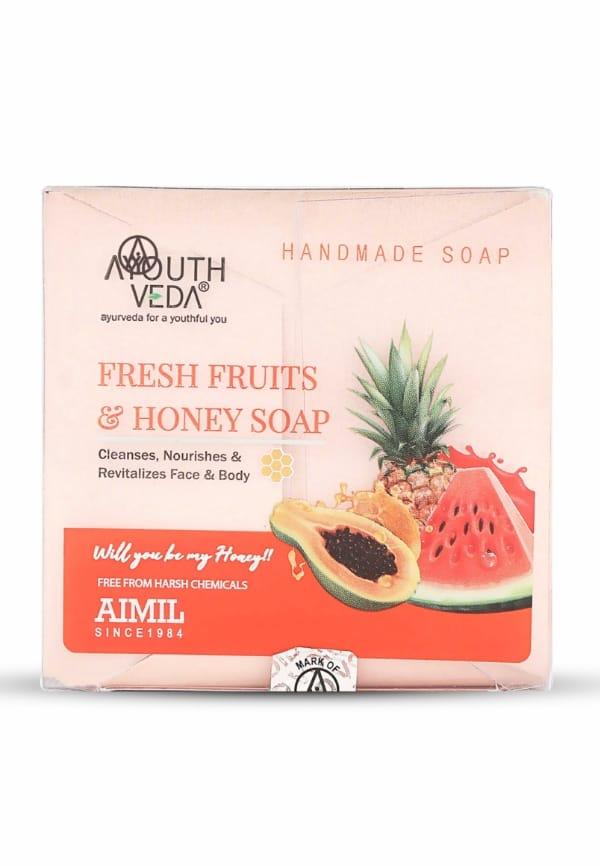
Fresh Fruit & Honey Soap
Let's be real—dry skin can feel like a constant battle, especially when you're juggling work, life, and trying to keep up with the latest skincare trends. But what if we told you that one of the most effective natural moisturisers has been sitting in your kitchen cupboard all along? Honey for dry skin isn't just some wellness trend your gran swears by—it's actually backed by science and might just become your new skincare obsession. From ancient Egyptian beauty rituals to modern dermatology research, honey has proven itself as a powerhouse ingredient that can transform parched, flaky skin into something worth showing off.
Here's the thing about honey benefits for skin—it's not just sweet talk. Honey is what scientists call a humectant, which basically means it's like a moisture magnet for your skin. It literally pulls water from the air and locks it into your skin cells, creating that plump, hydrated look we're all after. But that's not all honey brings to the table. This golden goodness is packed with antimicrobial properties that help keep your skin clean whilst healing, plus antioxidants that fight off environmental damage. Unlike synthetic moisturisers that just sit on top of your skin, honey actually works to repair your skin barrier from within.
When your skin is dry, it's usually because your natural barrier function is compromised. Honey contains enzymes and amino acids that help rebuild this barrier, whilst its natural sugars provide immediate hydration. Clinical studies have shown that honey can increase skin moisture levels by up to 20% after just one application.
Whilst commercial moisturisers often contain synthetic ingredients that can sometimes irritate sensitive skin, honey is naturally gentle and suitable for most skin types. Plus, it doesn't leave that greasy residue that some heavy creams do—just soft, naturally glowing skin.
Not all honey is created equal when it comes to skincare benefits. The type of honey you choose can make a real difference in how effective your honey skincare routine will be. Raw honey for skin is your best bet for maximum benefits. It hasn't been heated or processed, which means all those beneficial enzymes, vitamins, and minerals are still intact. Raw honey typically has a thicker consistency and might contain tiny bits of pollen or beeswax—that's actually a good sign.
Manuka honey for skin is like the luxury car of the honey world. This New Zealand native contains unique compounds called methylglyoxal (MGO) that give it extra antimicrobial and healing properties. Look for UMF (Unique Manuka Factor) ratings of 10+ for skincare use.
Whilst regular supermarket honey can still provide some moisturising benefits, it's often been heated and filtered, which reduces its therapeutic properties. It's better than nothing, but if you're serious about natural skincare, investing in raw or manuka honey is worth it.
Ready to incorporate honey into your daily routine? Here's how to do it without turning your bathroom into a sticky mess. Start with clean hands and a clean face. The beauty of using honey cleanser techniques is that honey can actually double as both a cleanser and moisturiser, making your routine simpler and more effective.
Apply a thin layer of honey to slightly damp skin. The moisture helps the honey spread more easily and enhances its humectant properties. Leave it on for 10-15 minutes whilst you have your morning cuppa, then rinse with lukewarm water.
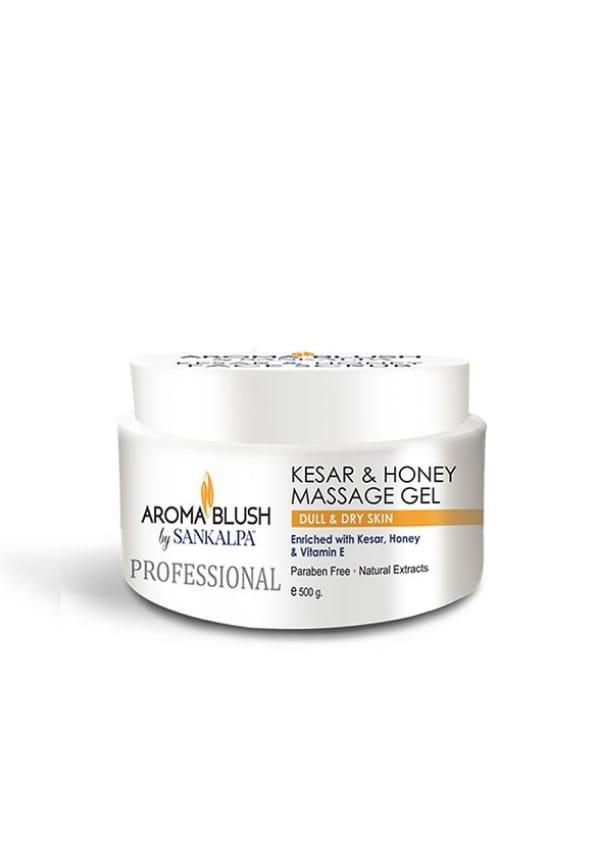
Kesar & Honey Massage Gel
For your evening routine, you can be more generous. Apply a thicker layer and leave it on for 20-30 minutes. This gives the honey more time to work its magic whilst you wind down for the day.
Always patch test first, especially if you have sensitive skin or allergies. Apply a small amount to your inner wrist and wait 24 hours to check for any reactions.
Sometimes your skin needs that extra bit of TLC, and that's where honey face mask treatments come in. These DIY honey face mask recipes are perfect for those days when your skin is feeling particularly parched. The basic honey mask is beautifully simple—just pure honey applied to clean skin. But if you want to level up your mask game, try mixing honey with other natural ingredients.
Mix 2 tablespoons of honey with 1 tablespoon of finely ground oats. This combination is perfect for sensitive or irritated skin, as oats have natural anti-inflammatory properties.
Blend half a ripe avocado with 1 tablespoon of honey for an ultra-hydrating treatment. The healthy fats in avocado work alongside honey's humectant properties for seriously soft skin.
Combine 2 tablespoons of honey with 1 tablespoon of plain yogurt. The lactic acid in yogurt provides gentle exfoliation whilst honey moisturises.
If you're dealing with more than just everyday dryness, honey can still be your ally. Honey for eczema has been studied extensively, with research showing that honey can help reduce inflammation and promote healing in eczematous skin. The antimicrobial properties of honey make it particularly useful for skin that's prone to irritation or infection. Its gentle nature means it's suitable for even the most sensitive skin types.
During winter months or in air-conditioned environments, your skin might need extra support. Regular honey treatments can help maintain your skin's moisture barrier during these challenging times.
Whilst honey is generally safe and beneficial, severe skin conditions should always be evaluated by a dermatologist. If your dry skin is accompanied by persistent itching, bleeding, or signs of infection, it's time to see a professional.
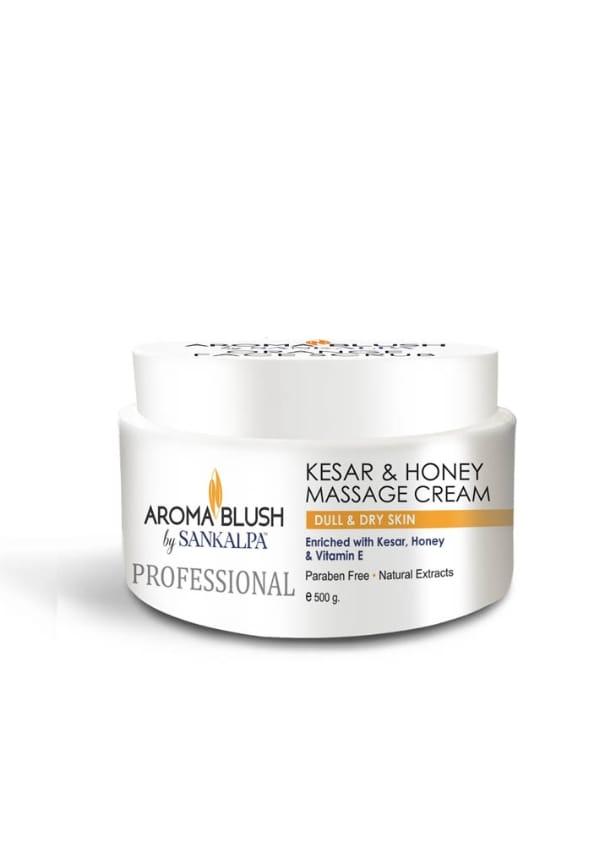
Kesar & Honey Facial Cream
To get the most out of your honey skincare routine, timing and technique matter. Apply honey to slightly damp skin for better spreadability and enhanced moisture retention. Temperature can also make a difference. Gently warming honey between your palms before application can make it easier to spread and may enhance absorption.
Honey plays well with other natural moisturisers like aloe vera, rosehip oil, or shea butter. Apply honey first, let it absorb for a few minutes, then follow with your chosen moisturiser for extra hydration.
Don't use honey on broken or severely irritated skin without consulting a healthcare provider first. Also, avoid using honey if you're allergic to bee products or pollen. Whilst exploring natural skincare options like honey can be incredibly rewarding, sometimes you might want to try other products alongside your honey routine. Smytten offers curated trial packs from over 1,500 trusted skincare brands, letting you discover what works best for your skin without committing to full-size purchases. With options to get up to 8 minis for just ₹249 and 100% cashback on trial purchases, you can explore various moisturisers and treatments to complement your honey skincare routine.
For daily use, 10-15 minutes is perfect. For intensive treatments, you can leave it on for up to 30 minutes. Always rinse with lukewarm water.
Yes, honey is generally gentle and suitable for sensitive skin. However, always patch test first, especially if you have known allergies to bee products.
Absolutely! Honey is gentle enough for daily use and can be incorporated into both morning and evening routines.
Honey is a natural humectant that draws moisture from the air, whilst also providing antimicrobial and healing benefits. Commercial moisturisers may contain synthetic ingredients and typically just add moisture without the additional therapeutic properties.
Whilst honey primarily helps with hydration, well-moisturised skin does appear plumper and may reduce the appearance of fine lines. The antioxidants in honey may also help protect against environmental damage.
Use lukewarm water and gentle circular motions. Avoid hot water as it can be drying. Pat your skin dry with a clean towel.
Using honey for dry skin isn't just about jumping on the natural skincare bandwagon—it's about giving your skin what it actually needs to thrive. From its scientifically-proven moisturising properties to its gentle, healing nature, honey offers a simple yet effective solution for dry, thirsty skin. Whether you stick to basic honey applications or experiment with DIY masks, the key is consistency. Like any skincare routine, you'll see the best results with regular use. And the best part? You probably already have everything you need in your kitchen. Remember, skincare is deeply personal, and what works for your best mate might not work for you. That's why platforms like Smytten exist—to help you discover what truly works for your unique skin needs. With access to trial-sized products from trusted brands and the ability to explore without the commitment, you can build a skincare routine that combines the best of natural ingredients like honey with other products that complement your skin's specific needs. After all, why settle for 'maybe' when you can try it all?
