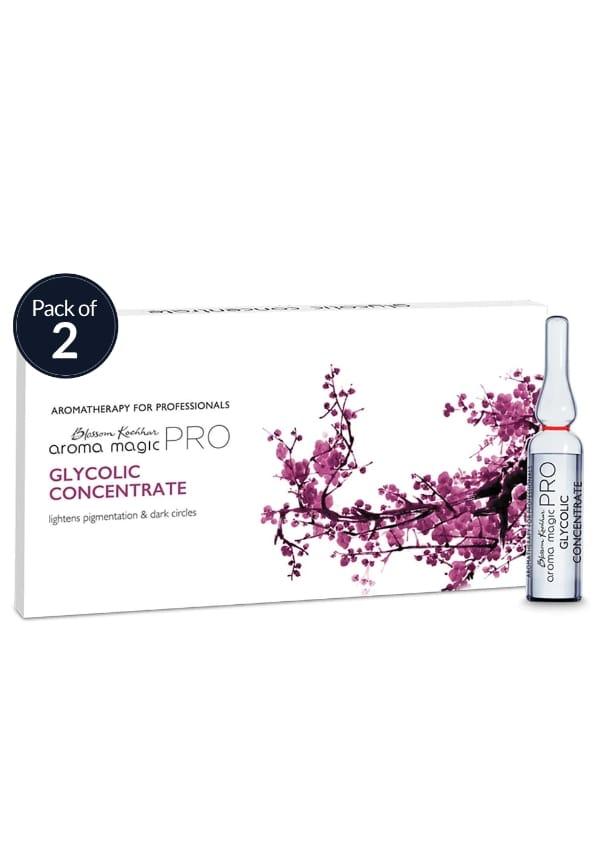
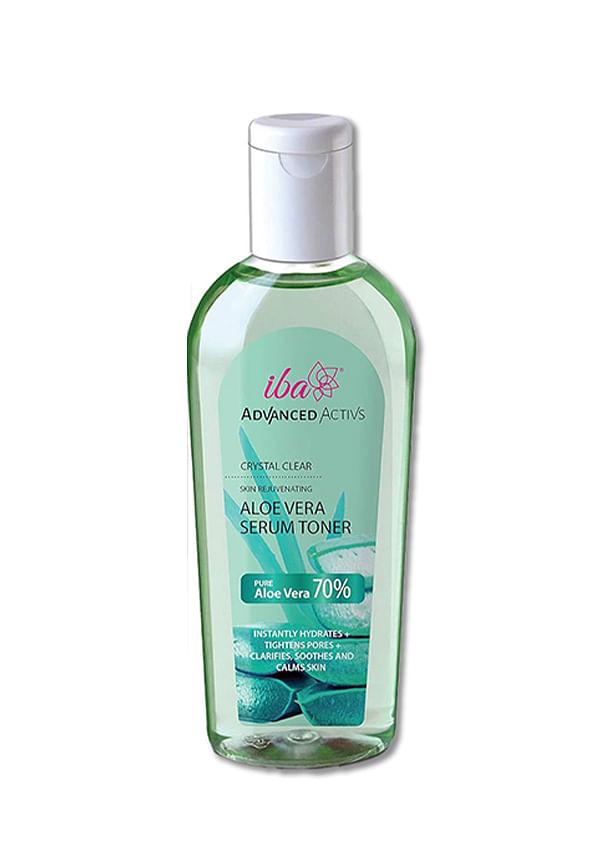
glycolic acid toner into your routine requires some strategic planning. Here's how to build a routine that maximises benefits whilst minimising irritation.
Evening Routine (Glycolic Acid Days)
Start with a gentle cleanser to remove makeup and daily grime. Apply your
exfoliating toner to clean, dry skin using a cotton pad or clean hands. Wait 10-15 minutes before applying a hydrating serum, then follow with moisturiser. This waiting period allows the acid to work effectively.
Morning Routine (Day After Glycolic Acid)
Use a gentle cleanser, apply a vitamin C serum if desired, follow with moisturiser, and finish with
broad-spectrum SPF 30+. Your skin will be more photosensitive, so sun protection is crucial.
Weekly Schedule Examples
Beginners might use glycolic acid on Monday and Thursday evenings. Intermediate users could try every other day, whilst advanced users might manage daily use. Listen to your skin and adjust accordingly.
Seasonal Adjustments
Summer might require reduced frequency due to increased sun exposure and higher temperatures. Winter often allows for more frequent use, but you'll need extra hydration to combat the drying effects of both the acid and cold weather.
Frequently Asked Questions
Can you use glycolic acid toner every day?
Whilst some people can tolerate daily use after building tolerance, it's not necessary for everyone. Many achieve excellent results with 3-4 times weekly. Start slow and increase gradually based on your skin's response.
What does a glycolic acid toner do?
It exfoliates dead skin cells, unclogs pores, improves skin texture, and can help with acne, hyperpigmentation, and signs of ageing. Results typically become visible after 4-6 weeks of consistent use.
Which is better: glycolic acid or niacinamide?
They serve different purposes. Glycolic acid exfoliates and resurfaces, whilst niacinamide regulates oil production and minimises pores. Many people use both in their routine on different days.
Does glycolic acid toner brighten skin?
Yes, by removing dead skin cells and promoting cell turnover, glycolic acid reveals brighter, more radiant skin underneath. It also helps fade dark spots and hyperpigmentation over time.
Can I use glycolic acid toner on my body?
Absolutely! It's excellent for treating body acne, rough patches, and ingrown hairs. Start with lower concentrations and less frequent application, as body skin can be more sensitive than facial skin.
Final Thoughts
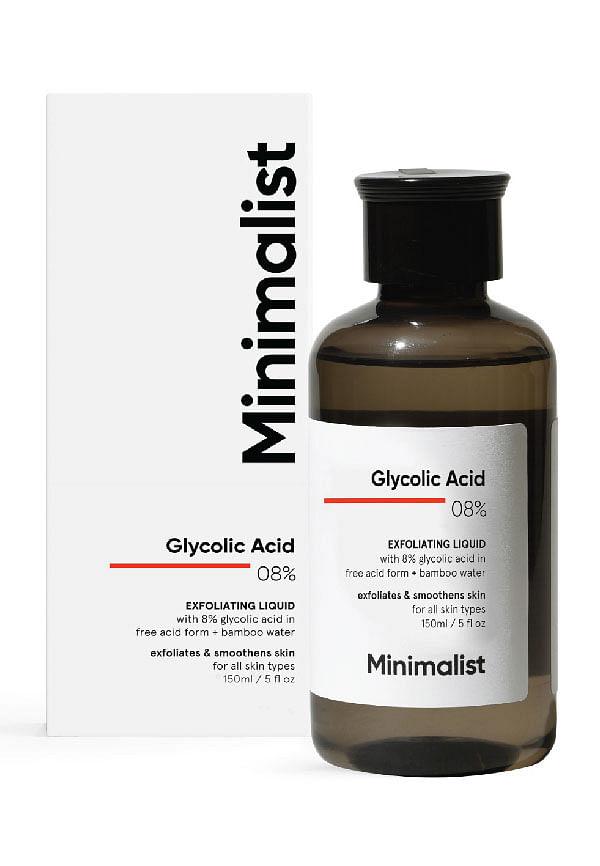
Using
glycolic acid toner effectively is all about patience, consistency, and listening to your skin. This powerful
alpha hydroxy acid can absolutely transform your complexion, but only when used correctly. Start slow, build tolerance gradually, and never skip sun protection.
Remember, finding the right product for your skin type might take some trial and error. That's where Smytten's approach to product discovery becomes particularly valuable. With access to trial-sized versions of glycolic acid toners from trusted brands, you can experiment safely without committing to full-size products that might not suit your skin. After all, why settle for 'maybe' when you can try different formulations and find the one that truly works for you?
The journey to clearer, brighter skin doesn't have to involve expensive mistakes or irritated skin. Take your time, be consistent, and let glycolic acid work its magic gradually. Your future self will thank you for the patience.
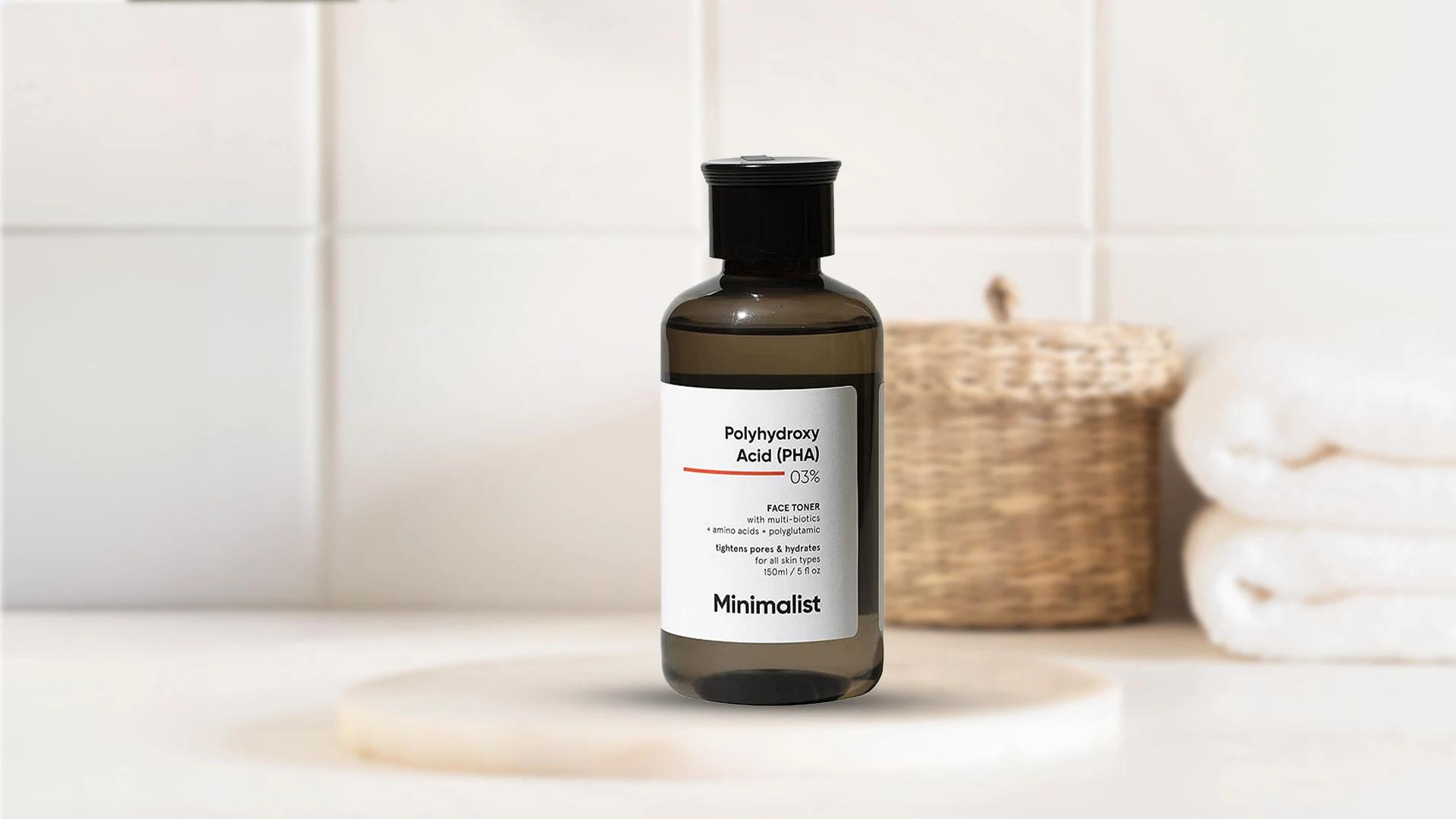

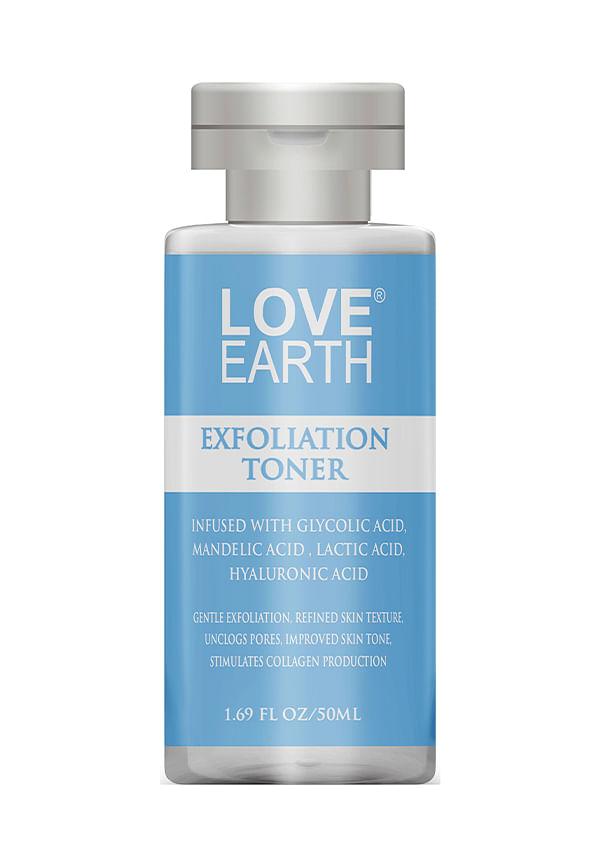
 4
4