How to Use Glycolic Acid for Underarm Pigmentation

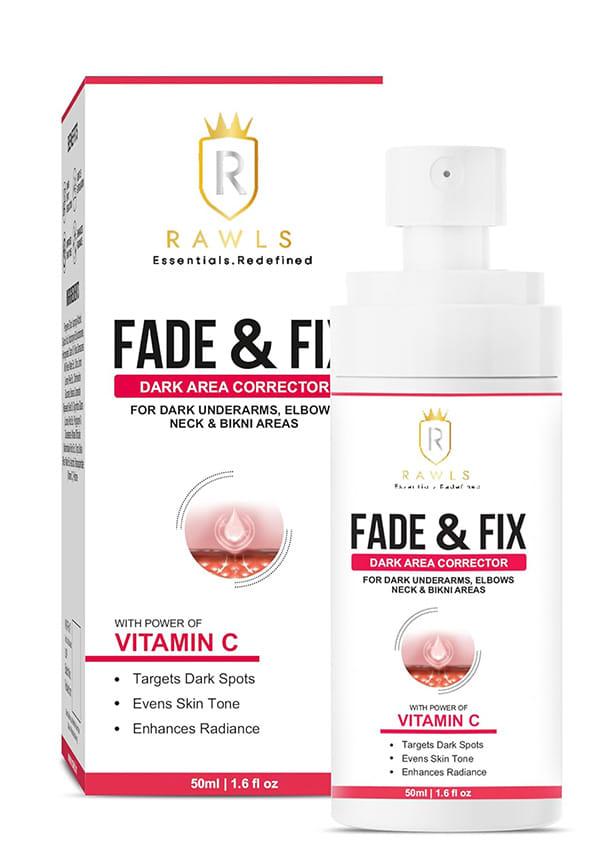
Fade & Fix - Vitamin C Dark Area Corrector and Removal for Dark Underarms & Knee
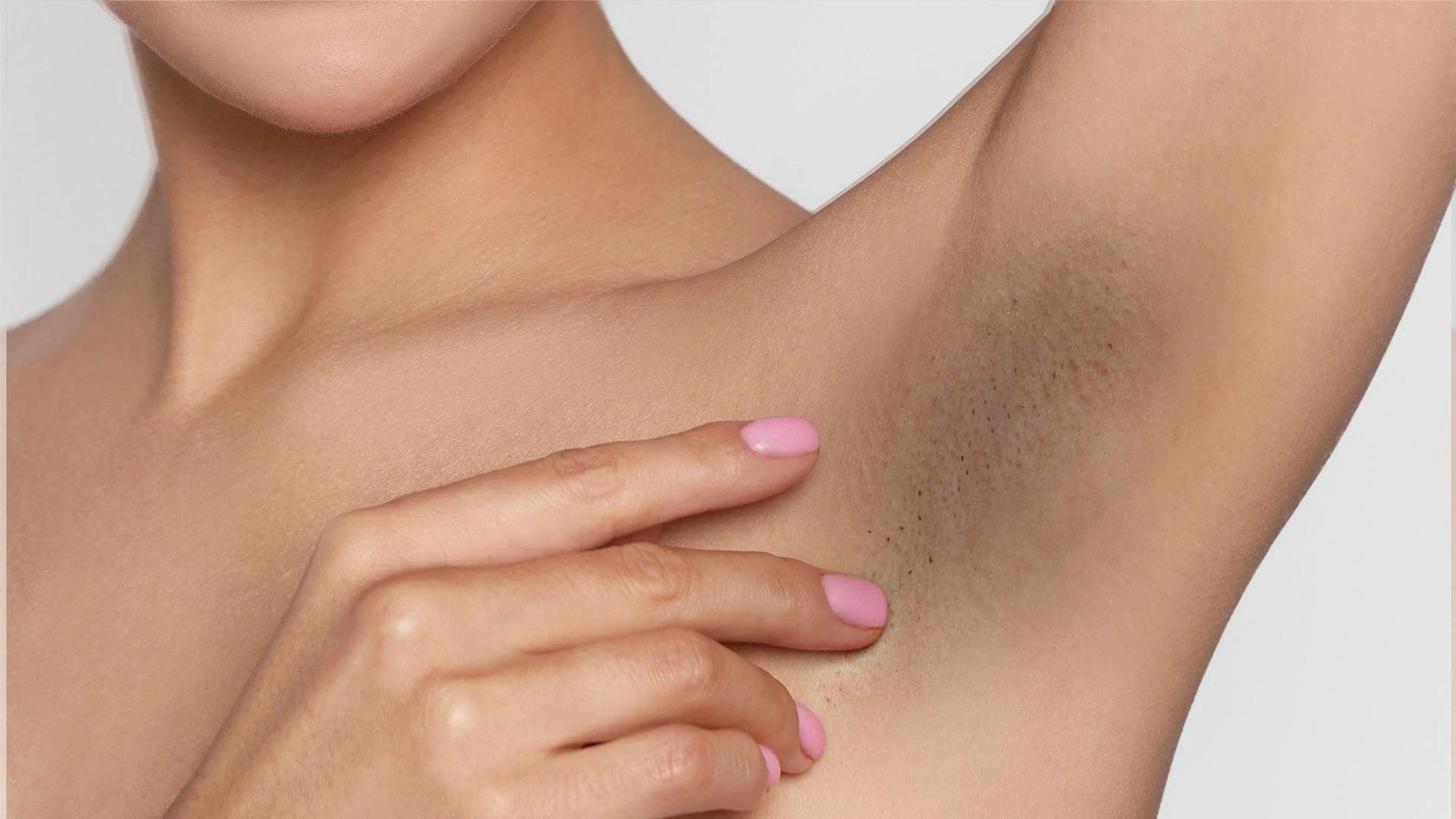
Dark underarms can feel like that uninvited guest who just won't leave. Whether it's from years of shaving, tight clothes, or just genetics being a bit dramatic, underarm pigmentation is more common than you think. The good news? Glycolic acid for underarm pigmentation might just be your new secret weapon. This powerhouse ingredient doesn't just promise results—it actually delivers them. Let's dive into how this gentle yet effective acid can help you achieve the smoother, brighter underarms you've been dreaming of.
Before we jump into solutions, let's get real about what's actually happening under there. Dark underarm causes aren't always what you'd expect, and understanding them is half the battle won.
Your underarms didn't just decide to go dark overnight. Here's what's usually behind the drama:
Friction from clothing: Those tight tops and constant arm movement create a perfect storm for irritation
Shaving mishaps: Daily razor action can cause micro-injuries that lead to pigmentation
Bacterial buildup: Poor hygiene or excessive sweating creates an environment for bacteria to thrive
Hormonal changes: PCOS, diabetes, and insulin resistance can trigger darkening
Product buildup: Your trusty deodorant might be doing more harm than good
Genetics: Sometimes your DNA just loves to keep things interesting
Not all dark underarms are created equal. Here's what you might be dealing with:
Post-inflammatory hyperpigmentation: The aftermath of irritation or injury
Acanthosis nigricans: Often linked to insulin resistance, creating velvety dark patches
Contact dermatitis: When your skin throws a tantrum over certain products
Keratosis pilaris: Those tiny bumps that sometimes come with darkening
Enter glycolic acid—the smallest alpha hydroxy acid with the biggest impact. This ingredient doesn't mess around when it comes to tackling pigmentation.
Think of glycolic acid as your skin's personal trainer. Here's what it brings to the table:
Deep penetration: Its tiny molecular size means it gets where other ingredients can't
Accelerated cell turnover: It speeds up your skin's natural renewal process
Dead skin removal: Goodbye, dull surface layer that's hiding your brighter skin underneath
Even melanin distribution: It helps redistribute pigment more evenly
Unlike harsh bleaching agents, glycolic acid takes a gentler approach. It works by:
Breaking down the bonds between dead skin cells
Revealing fresh skin that hasn't been affected by pigmentation
Fighting bacteria that can contribute to odour and irritation
Smoothing texture for an overall improved appearance
Ready to get started? Here's how to use glycolic acid like a pro without turning your underarms into a science experiment gone wrong.
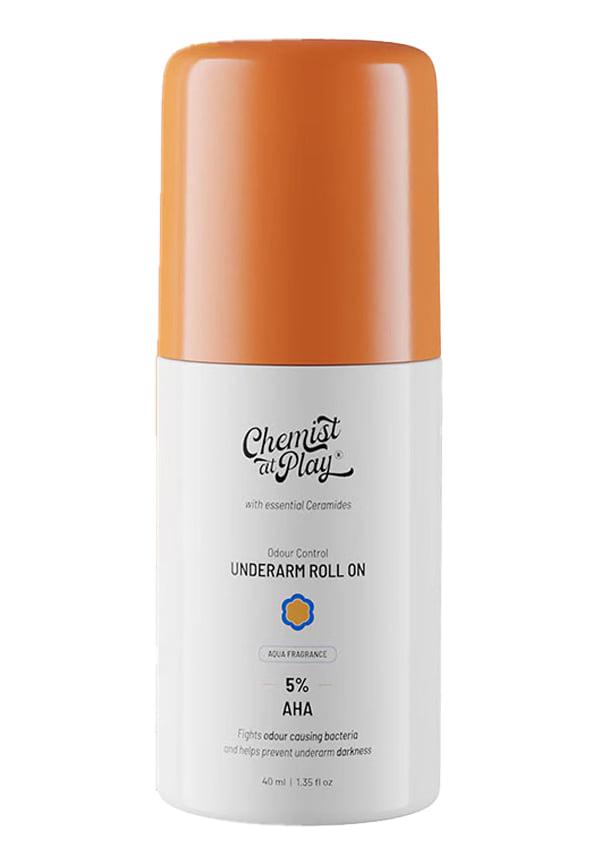
UnderArm Roll On with 4% Lactic Acid & 1% Mandelic Acid - Long Lasting Aqua Fragrance
Long-time favourite, repeat purchase
 5
5“It's been my favourite since long time. I first ordered it on trial and loved it that I ordered two this time and already onto stocking up more”
Good & Decent Product
5“good product Nice to use decent”
Good & Decent Product
5“good product Nice to use decent”
Not all glycolic acid products are created equal. Here's your cheat sheet:
Beginners: Start with 5% concentration—your skin will thank you later
Experienced users: 6-8% can deliver faster results
Product types: Toners and sprays work brilliantly for underarms
Best underarm whitening products: Look for formulas specifically designed for body use
Application matters more than you think. Follow these steps:
Clean slate: Start with freshly washed, completely dry underarms
Application method: Use a cotton pad or spray for even coverage
Timing: Apply after your evening shower when skin is calm
Amount: A little goes a long way—don't overdo it
Patience is key when it comes to glycolic acid exfoliation. Here's your timeline:
Week 1-2: Use 1-2 times weekly to test your skin's tolerance
Week 3-4: Increase to 2-3 times weekly if your skin is happy
Maintenance: Some people can handle daily use, but listen to your skin
Red flags: Scale back if you notice excessive irritation or sensitivity
Glycolic acid is powerful, which means it demands respect. Here's how to stay safe while getting results.
These aren't suggestions—they're requirements:
Never apply after hair removal: Wait 24-48 hours after shaving or waxing
Patch test first: Test on a small area and wait 24 hours
Sun protection: Glycolic acid increases sun sensitivity
Pregnancy caution: Consult your doctor if you're pregnant or breastfeeding
Not all skincare ingredients play well together. Avoid mixing glycolic acid with:
Retinol: This combo can cause serious irritation
Vitamin C: Use them at different times of day
Benzoyl peroxide: Another recipe for irritation
Other acids: Don't layer AHAs and BHAs
Some initial tingling is normal, but watch out for:
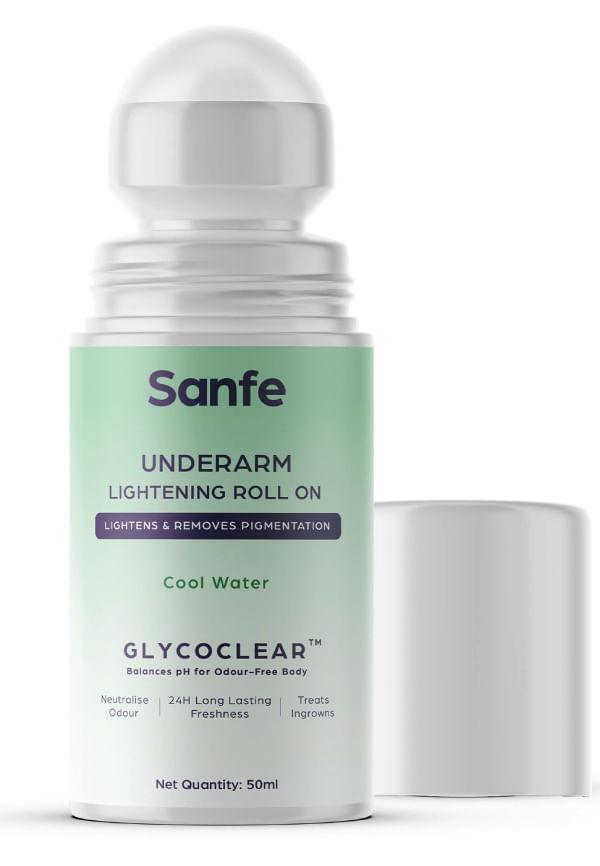
Underarm Lightening Roll On
Good Smell
5“I love the product.its smell good”
Good Smell
5“I love the product.its smell good”
Good Smell
5“I love the product.its smell good”
Excessive redness or burning: Stop use immediately
Persistent irritation: Your concentration might be too high
Increased sensitivity: Scale back frequency or take a break
Unusual reactions: When in doubt, consult a dermatologist
Glycolic acid works best when it's part of a comprehensive routine. Here's how to support your underarm transformation journey.
Your underarms need love beyond just glycolic acid:
Gentle cleansing: Use a mild, fragrance-free cleanser
Moisturising: Keep the area hydrated to prevent irritation
Natural remedies for underarm discoloration: Consider aloe vera or niacinamide as complementary treatments
Hair removal tweaks: Switch to gentler methods when possible
Small tweaks can have big impacts:
Clothing choices: Opt for breathable, loose-fitting fabrics
Hygiene habits: Keep the area clean and dry
Deodorant selection: Choose aluminium-free options when possible
Diet considerations: Manage blood sugar if you have insulin resistance
Realistic expectations are everything. Here's your timeline:
Week 2-4: Smoother texture and less roughness
Week 4-8: Noticeable lightening of pigmentation
3+ months: Maximum results with consistent use
Maintenance: Continued use prevents pigmentation from returning
While glycolic acid is fantastic, it's not the only player in the game. Here are some alternatives and complementary treatments worth considering.
If glycolic acid isn't your skin's cup of tea:
Lactic acid: Gentler option with similar benefits
Salicylic acid: Great for oily, acne-prone underarm skin
Mandelic acid: Perfect for sensitive skin types
Sometimes you need to call in the professionals:
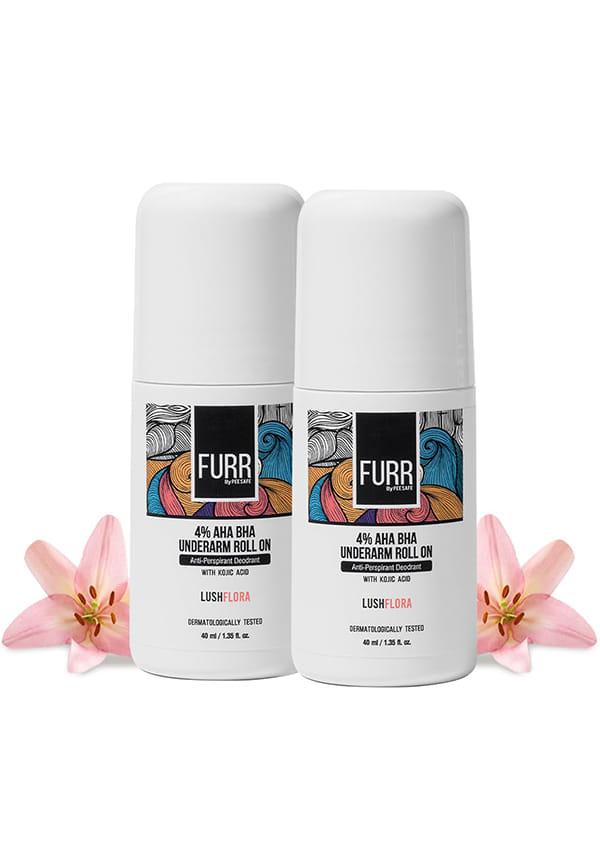
4% AHA BHA Underarm Roll On with Kojic Acid
Good for dark underarms
5“this is very good product for dark underarm.”
Loved Fragrance & Quick Drying
5“Loved the fragnance and the quick drying formula”
Loved it, helps discoloration
5“loved it helps in discoloration”
Chemical peels: Stronger concentrations for stubborn pigmentation
Laser therapy: For severe or persistent darkening
Prescription treatments: Hydroquinone or tretinoin under medical supervision
Natural remedies can complement your routine:
Turmeric paste: Anti-inflammatory properties
Lemon juice: Natural lightening agent (use with caution)
Baking soda scrubs: Gentle exfoliation option
Cucumber: Soothing and mildly lightening
When you're ready to explore different underarm pigmentation treatment options, platforms like Smytten make it easier than ever. With trial packs from trusted skincare brands, you can test various glycolic acid products and find what works best for your skin without committing to full-size purchases. It's the perfect way to discover your ideal routine while staying within budget.
Glycolic acid can significantly lighten underarm pigmentation, but complete removal depends on the underlying cause. Post-inflammatory hyperpigmentation responds better than genetic darkening. Most people see 50-80% improvement with consistent use over 3-6 months.
Start with 1-2 times weekly for the first two weeks, then gradually increase to 2-3 times weekly. Some people can tolerate daily use, but it's not necessary for results. Listen to your skin and adjust accordingly.
Wait at least 15-20 minutes after applying glycolic acid before using deodorant. For best results, apply glycolic acid at night and use deodorant in the morning. Avoid alcohol-based deodorants immediately after glycolic acid use.
Mild tingling or slight sensitivity is normal initially. However, if you experience burning, excessive redness, or persistent irritation, reduce frequency or concentration. Always patch test before full application.
Texture improvements typically appear within 2-4 weeks, while visible lightening usually starts around 4-8 weeks. Maximum results generally occur after 3-6 months of consistent use. Individual results vary based on skin type and pigmentation severity.
Yes, but start with a lower concentration (5%) and use less frequently. Consider lactic acid as a gentler alternative. Always patch test and introduce gradually. If irritation persists, consult a dermatologist.
Using glycolic acid for underarm pigmentation isn't just about achieving lighter skin—it's about feeling confident and comfortable in your own body. This gentle yet effective approach to underarm pigmentation treatment offers real results without harsh bleaching agents. Remember, consistency is key, and patience pays off.
The journey to brighter underarms doesn't have to be overwhelming or expensive. Start with the right concentration, follow safety guidelines, and give your skin time to respond. Whether you're dealing with post-shaving darkening or genetic pigmentation, glycolic acid can be a game-changer in your skincare routine.
Ready to start your underarm transformation? With Smytten's curated trial packs, you can explore different glycolic acid formulations from trusted brands without the commitment of full-size purchases. After all, why settle for 'maybe' when you can Try It All and find exactly what works for your skin?
