How to Use Glycolic Acid for Face Safely
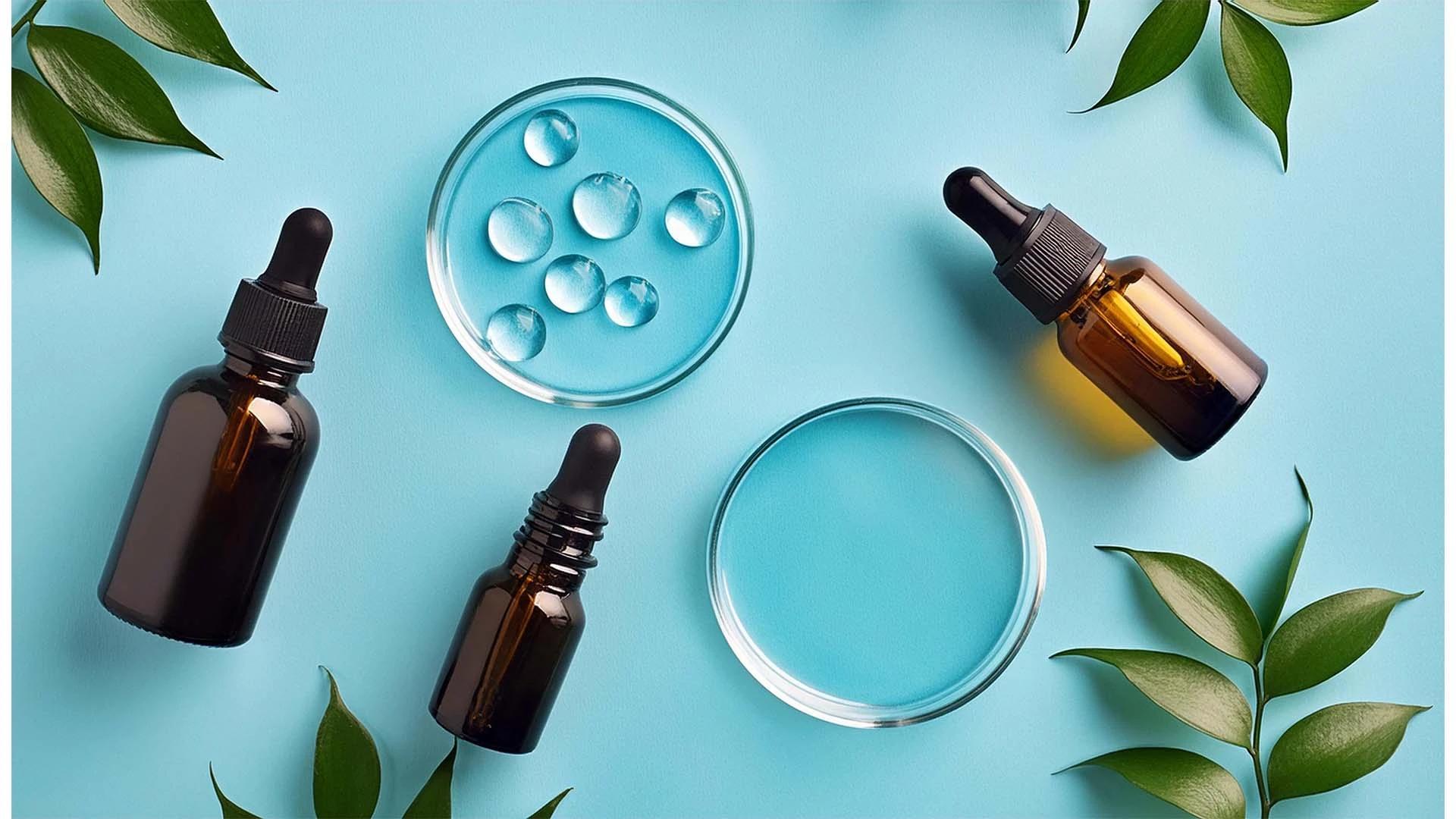

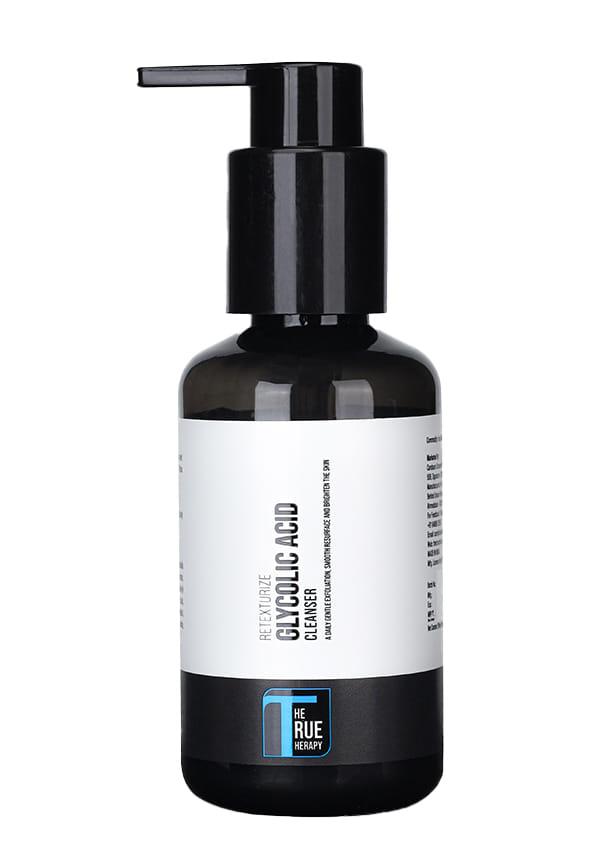
Glycolic Acid Face Cleanser
Let's be real—skincare can feel like rocket science sometimes. One day you're reading about retinoids, the next you're wondering if glycolic acid for face treatments are worth the hype. If you've been curious about this powerhouse alpha hydroxy acid but feel a bit overwhelmed about where to start, you're in the right place. Glycolic acid has earned its spot as a skincare favourite for good reason. It's brilliant at revealing fresher, smoother skin, but like any active ingredient, it needs to be used properly. Whether you're dealing with dull skin, fine lines, or stubborn dark spots, understanding how to safely incorporate glycolic acid into your routine could be a game-changer. Ready to dive into the world of chemical exfoliation? Let's break it down together.
Glycolic acid belongs to a group called alpha hydroxy acids, or AHAs for short. Think of it as the smallest member of the AHA family, which is actually what makes it so effective. Its tiny molecular size means it can penetrate deeper into your skin compared to other AHAs like lactic or mandelic acid. This clever little molecule is naturally derived from sugar cane, but don't worry—it won't make your face sticky! When applied to your skin, glycolic acid works by breaking down the bonds between dead skin cells on the surface. It's like having a microscopic helper that gently nudges away the old, dull layer to reveal the fresh, healthy skin underneath. The science bit is actually quite fascinating. Your skin naturally sheds dead cells, but as we age, this process slows down. That's where glycolic acid steps in as your skin's personal trainer, encouraging faster cell turnover and helping your complexion look more radiant.
At the cellular level, this AHA exfoliant works by loosening the 'glue' that holds dead skin cells together. This process is called desquamation, and it's what gives you that fresh, glowing look after using glycolic acid products consistently.
The cellular renewal process triggered by glycolic acid doesn't just remove dead skin—it also stimulates collagen production. This means you're not just getting immediate surface improvements, but also long-term benefits for skin firmness and elasticity.
Now that we've covered the science, let's talk about what glycolic acid benefits you can actually expect to see. The results can be pretty impressive when you know what you're doing. First up is exfoliation—but not the scrubby, harsh kind that leaves your skin angry. Glycolic acid exfoliation is chemical, which means it's much gentler and more effective than physical scrubs. You'll notice smoother texture and a natural glow that comes from revealing fresh skin cells.
One of the most exciting glycolic acid uses is its ability to minimise signs of ageing. By promoting cell turnover and stimulating collagen production, regular use can help soften fine lines and improve skin elasticity.
If you're dealing with uneven skin tone or rough texture, glycolic acid skincare might become your new best mate. It helps fade dark spots, reduce post-acne marks, and create a more uniform complexion over time.
Those stubborn dark spots from old breakouts or sun damage? Glycolic acid can help with those too. By encouraging faster cell turnover, it helps bring fresh, evenly pigmented skin to the surface more quickly.
For acne-prone skin, glycolic acid treatment can be particularly helpful. It unclogs pores by removing dead skin cells and excess oil, whilst also reducing the appearance of enlarged pores.
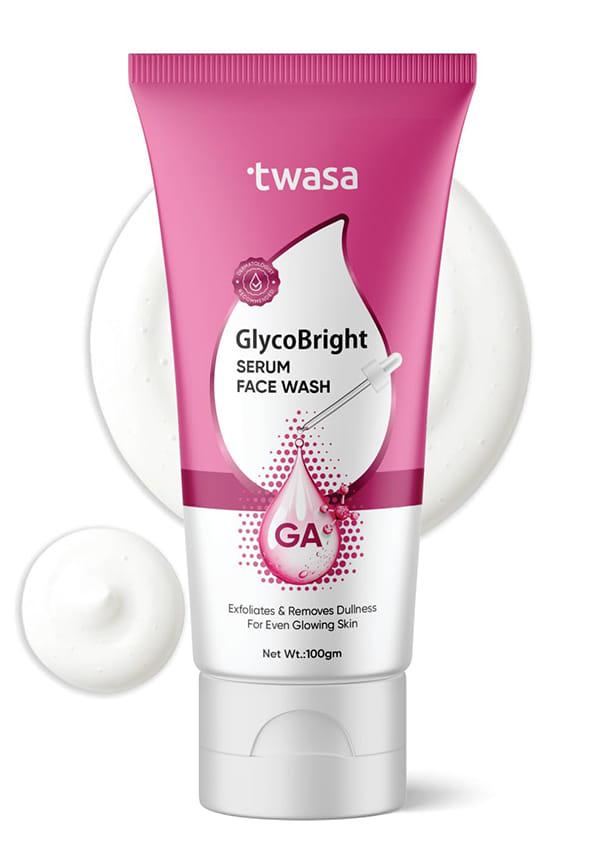
GlycoBright Glycolic Acid Face Wash
Here's a bonus benefit: when you remove that layer of dead skin cells, your other skincare products can penetrate better. Your moisturiser, serums, and treatments become more effective.
Safety first, always. Glycolic acid is powerful, and with great power comes great responsibility—to your skin, that is. The key to success is starting slowly and building up tolerance gradually. For beginners, look for products with 5-10% glycolic acid concentration. Higher percentages might seem tempting, but they're more likely to cause irritation, especially if you're new to chemical exfoliation. Professional glycolic acid peels can go up to 30% or higher, but these should only be done by trained professionals.
Before diving in face-first (literally), do a patch test on a small area of skin, like behind your ear or on your inner wrist. Wait 24-48 hours to see how your skin reacts. If there's no redness, stinging, or irritation, you're probably good to go.
Start with once or twice a week, preferably in the evening. Your skin needs time to adjust, so resist the urge to use it daily right away. After a few weeks, if your skin is tolerating it well, you can gradually increase frequency.
Evening application is generally recommended because glycolic acid can make your skin more sensitive to sunlight. Plus, your skin does most of its repair work whilst you sleep, making nighttime the perfect opportunity for this cellular renewal process.
Be careful about layering glycolic acid with other active ingredients. Avoid using it with retinoids, vitamin C, or benzoyl peroxide on the same night, as this can lead to irritation. Instead, alternate nights or use different actives at different times of day.
The world of glycolic acid products can feel overwhelming, but breaking it down by product type makes it much easier to navigate. Each format has its own benefits and ideal use cases. Glycolic acid serums are probably the most popular choice, and for good reason. They're typically more concentrated than toners but less intense than peels, making them perfect for regular use. A good glycolic acid serum will penetrate deeply and deliver consistent results over time.
Toners with glycolic acid are gentler and great for beginners or those with sensitive skin. They're usually lower in concentration and can be used more frequently. Peels, on the other hand, are intensive treatments that you'd use less often but with more dramatic results.
For at-home use, stick to concentrations between 5-10%. This range is effective but much safer than the higher concentrations used in professional treatments. Remember, more isn't always better when it comes to skincare.
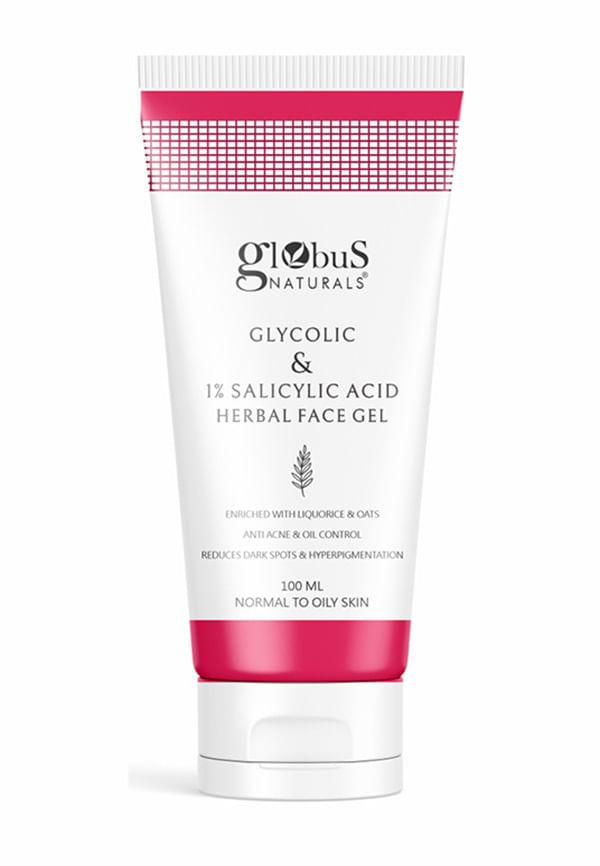
Glycolic & 1% Salicylic Acid Face Gel
Best Product Forever
 5
5“best product forever and try it”
Good Look, Perfect for Outing
5“look good and perfect for outing”
Product quality concern
4“quality of the product could have been better compared to the competitive products in the market”
Look for products that combine glycolic acid with soothing ingredients like aloe vera, hyaluronic acid, or niacinamide. These help counteract potential irritation whilst still delivering the exfoliating benefits you're after.
Sensitive skin should start with lower concentrations (around 5%) and look for formulations with calming ingredients. Oily or acne-prone skin can typically handle slightly higher concentrations, whilst mature skin might benefit from products that combine glycolic acid with anti-aging ingredients. This is where platforms like Smytten become incredibly useful. With access to trial packs from over 1,500 trusted brands, you can test different glycolic acid products without committing to full-size purchases. It's particularly helpful for finding the right concentration and formulation for your specific skin type.
Let's talk about the not-so-fun stuff—potential side effects. Being aware of these helps you use glycolic acid safely and know when to dial things back. The most common reactions include redness, stinging, dryness, and peeling. Some of this is normal, especially when you're starting out, but excessive irritation is your skin's way of saying "slow down, mate!"
Mild tingling during application is normal and usually subsides after a few minutes. However, burning, severe redness, or persistent irritation are signs that the product might be too strong or you're using it too frequently.
If you have active eczema, rosacea, or severely compromised skin barrier, glycolic acid might not be your best friend. Pregnant and breastfeeding women should also consult their healthcare provider before introducing new active ingredients.
This cannot be stressed enough: glycolic acid makes your skin more sensitive to UV damage. Daily SPF is non-negotiable when using any AHA. Think of sunscreen as glycolic acid's best mate—they work much better as a team.
Over-exfoliation can manifest as persistent redness, increased sensitivity, dryness that doesn't improve with moisturiser, or even more breakouts than usual. If you notice these signs, take a break from glycolic acid and focus on gentle, hydrating products.
Now for the practical bit—how to actually use glycolic acid for face treatments like a pro. The application technique can make all the difference between great results and irritated skin. Start with clean, dry skin. Apply your glycolic acid product to your entire face, avoiding the delicate eye area. Don't rub it in vigorously—gentle patting or smoothing motions work best. Wait a few minutes before applying your next product to let the glycolic acid do its thing.
Cleanse your face thoroughly, pat dry, and wait a few minutes to ensure your skin is completely dry. Apply a thin, even layer of your glycolic acid product, starting with less sensitive areas and working towards more delicate zones. Wait 10-15 minutes before applying moisturiser.
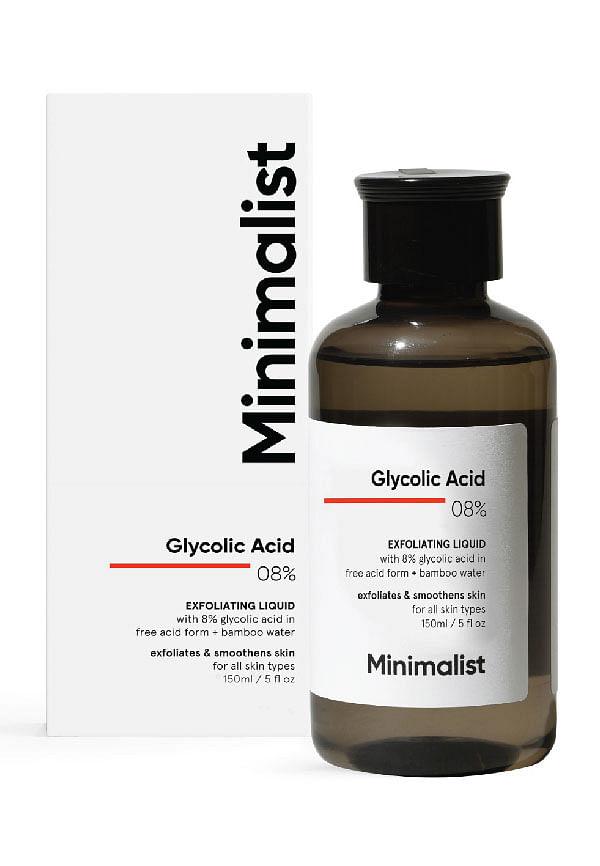
8% Glycolic Acid Toner For Glowing Skin
Good as Deodorant
4“I live using it as a deodorant.”
Best Product Ever
5“love it best product I ever have ...”
Suitable for My Skin
5“nice product suitable for me and my skin”
After your glycolic acid has had time to work, follow up with a good moisturiser to help repair and protect your skin barrier. On nights when you're not using glycolic acid, you can incorporate other active ingredients.
Gentle cleansing is crucial both before and after glycolic acid use. Avoid harsh scrubs or overly stripping cleansers, as these can compromise your skin barrier and increase sensitivity.
Never skip moisturiser after using glycolic acid. Look for hydrating ingredients like hyaluronic acid, ceramides, or squalane to help restore moisture and support your skin barrier.
Whilst some people can eventually tolerate daily use, it's not necessary for most people. Starting with 2-3 times per week and gradually increasing is much safer for your skin barrier.
You might notice smoother texture within a few days, but significant improvements in tone and fine lines typically take 4-6 weeks of consistent use. Patience is key with skincare!
Sensitive skin can use glycolic acid, but should start with very low concentrations (around 5%) and use it less frequently. Always patch test first and consider consulting a dermatologist.
It's generally recommended to avoid using glycolic acid and tretinoin on the same night, as this can cause excessive irritation. Alternate nights or use them at different times of day if your skin tolerates it.
Whilst glycolic acid can be helpful for various skin concerns, those with specific conditions like psoriasis should consult a dermatologist before starting any new active ingredient.
Glycolic acid for face treatments can be truly transformative when used correctly. The key is starting slowly, being consistent, and listening to your skin. Remember that everyone's skin is different, so what works for your mate might not work for you—and that's perfectly normal. The journey to finding your perfect glycolic acid routine doesn't have to involve expensive trial and error. Platforms like Smytten make it easy to discover products that work for your specific skin type through affordable trial packs. With over 25 million users and 100 million trial minis delivered, you're in good company when exploring new skincare options. After all, why settle for 'maybe' when you can try different formulations and concentrations to find what truly works for your skin? With the right approach, glycolic acid can become a valuable part of your skincare routine, helping you achieve that healthy, radiant complexion you're after. Start slowly, stay consistent, and always remember that great skin is a marathon, not a sprint.
