How to Use Glycolic Acid for Clearer Skin

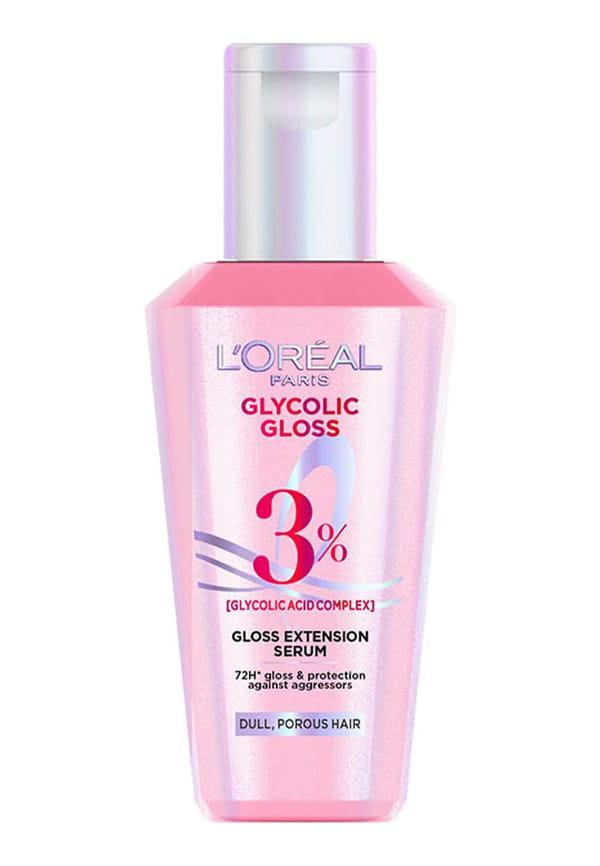
HEX Glycolic Gloss Serum
Excellent Shine Hair Serum
 5
5“shine hair is too good serum quality superb”
Good Product, Buy It
5“it's good very good product you can buy”
Great Product, Must Buy
5“I love loreal , must buy. ”
Glycolic acid has taken the skincare world by storm, and honestly, it's about time everyone caught on. This powerhouse ingredient has been quietly working magic in dermatology clinics for decades, but now it's finally accessible to all of us. If you've been wondering how to use glycolic acid properly, you're in for a treat. This alpha hydroxy acid (AHA) is basically your skin's best friend when it comes to revealing that fresh, glowing complexion hiding underneath. From tackling stubborn acne to smoothing out fine lines, glycolic acid benefits are genuinely impressive. The best part? Once you nail the technique, it becomes second nature.
Let's get nerdy for a hot minute because understanding what glycolic acid actually does makes all the difference. Glycolic acid is the smallest molecule in the AHA family, which means it can penetrate deeper into your skin than other acids. Think of it as the tiny key that unlocks all those dead skin cells sitting on your surface, gently dissolving the bonds that keep them stuck there. This process is called glycolic acid exfoliation, and it's basically giving your skin a controlled reset. Unlike physical scrubs that can be harsh and uneven, glycolic acid works at a cellular level to reveal the fresh, new skin underneath. It's like having a professional facial every time you use it, but from the comfort of your own bathroom.
The beauty of glycolic acid is that it comes in various forms to suit different preferences and skin types. You've got glycolic acid serums for targeted treatment, glycolic acid toners for gentle daily use, and glycolic acid peels for more intensive results.
Glycolic acid concentration typically ranges from 2% to 30%, but don't think higher is always better. Beginners should start with 5-10% concentrations and work their way up. Your skin needs time to build tolerance, and jumping straight to high concentrations is a recipe for irritation.
Real talk: glycolic acid is powerful, which means respect is key. The good news is that once you know the rules, it's actually quite straightforward to incorporate into your routine. Safety first, glow second – that's the mantra here. Start by figuring out if your skin type can handle glycolic acid. Generally, normal to oily skin types tend to tolerate it better, whilst sensitive skin needs extra caution. If you've got rosacea or extremely reactive skin, you might want to chat with a dermatologist first.
Never skip the patch test – seriously, don't. Apply a tiny amount behind your ear or on your inner wrist and wait 24-48 hours. No redness, burning, or irritation? You're good to go.
Start slow and steady. Begin with once or twice a week for the first month, then gradually increase to every other day if your skin is loving it. Some people can eventually use it daily, but that's definitely not necessary for everyone.
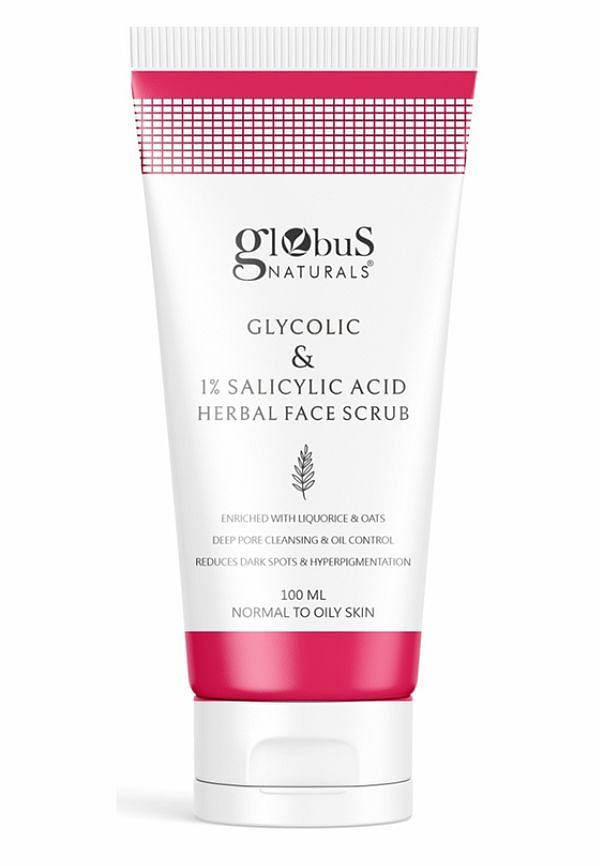
Glycolic & Salicylic Acid Scrub
Good Product, Recommended
5“Good product for daily use, recommended”
Positive Product & Delivery
5“value for money... on time delivery... good product... happy... 🥰”
Positive Product & Packaging
4“Smytten products are all good to use and are easy to carry due to good packaging...”
Cleanse your face thoroughly first – glycolic acid works best on clean skin. Apply your glycolic acid product (whether it's a toner, serum, or treatment) to dry skin, avoiding the eye area. Wait 10-15 minutes before layering other products on top. Always finish with moisturiser and never skip SPF the next morning.
The versatility of glycolic acid is genuinely impressive. Whether you're dealing with breakouts, signs of ageing, or just want that lit-from-within glow, this ingredient has got your back. Let's break down how it tackles specific concerns. For acne-prone skin, glycolic acid for acne works by unclogging pores and preventing dead skin cells from building up. It's particularly effective for blackheads and those stubborn closed comedones that just won't budge. The exfoliation helps prevent new breakouts whilst improving the texture of existing blemishes.
Glycolic acid for wrinkles is where this ingredient really shines. By accelerating cell turnover, it helps diminish fine lines and improves skin elasticity. Regular use can make your complexion appear plumper and more youthful.
Post-inflammatory hyperpigmentation, sun spots, and uneven skin tone don't stand a chance against consistent glycolic acid use. It helps fade dark spots by encouraging the shedding of pigmented cells and revealing fresh, even-toned skin underneath.
Choosing the right glycolic acid product can feel overwhelming with so many options available. Each product type serves a different purpose and fits into your routine differently. Understanding these differences helps you pick what works best for your skin goals and lifestyle. Glycolic acid serums are typically the most concentrated and targeted option. They're perfect for addressing specific concerns like acne scars or stubborn dark spots. Apply these after cleansing but before moisturiser for maximum impact.
A glycolic acid toner is brilliant for daily exfoliation without being too intense. These usually have lower concentrations (2-7%) and can be swept across your face with a cotton pad or applied with clean hands.
Glycolic acid peels are the big guns – higher concentrations meant for weekly or bi-weekly use. These deliver more dramatic results but require careful application and shouldn't be used alongside other strong actives.
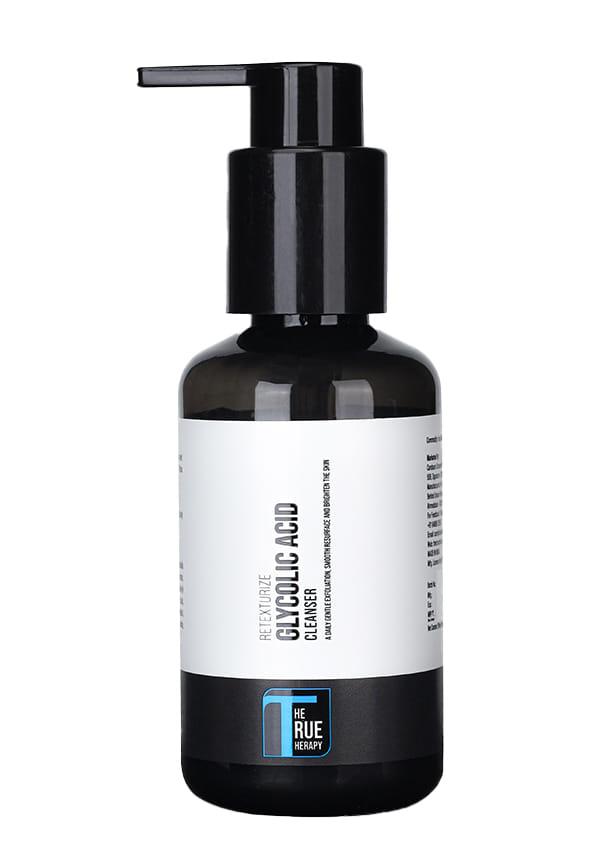
Glycolic Acid Face Cleanser
For serums, start with 5-10% and work up to 15-20% if needed. Toners can range from 2-7% for daily use. Peels might go up to 30%, but these are best left to professionals or very experienced users.
Let's be honest – we've all made skincare mistakes, and glycolic acid has a few common pitfalls that are worth knowing about. The biggest mistake is going too hard, too fast. Your skin needs time to adjust, and patience really is a virtue here. Overexfoliation is the number one issue people face. Signs include persistent redness, increased sensitivity, and that tight, uncomfortable feeling. If this happens, scale back immediately and focus on gentle, hydrating products until your skin recovers.
Be mindful about what you're mixing. Glycolic acid doesn't play well with retinoids, vitamin C, or benzoyl peroxide when used simultaneously. Alternate these ingredients on different days or use them at different times of day.
This cannot be stressed enough: glycolic acid makes your skin more photosensitive. SPF isn't optional – it's absolutely essential. Even on cloudy days, even if you're staying indoors mostly. Your skin will thank you later.
Glycolic acid side effects are usually mild when used correctly. Initial tingling is normal, but burning, severe redness, or peeling means you need to dial it back. Some people experience purging – temporary breakouts as the acid brings underlying congestion to the surface.
Once you've mastered the basics, there are some clever ways to optimise your glycolic acid routine. These advanced strategies can help you get even better results whilst minimising potential irritation. The key is understanding how glycolic acid interacts with other ingredients and when to use it for maximum benefit. Nighttime application is generally preferred because it gives your skin time to recover and avoids immediate sun exposure. However, some people with resilient skin can use lower concentrations during the day, provided they're religious about SPF.
The sandwich method works well for sensitive skin – apply a light layer of moisturiser, then your glycolic acid product, then more moisturiser. This buffers the acid whilst still allowing it to work effectively.
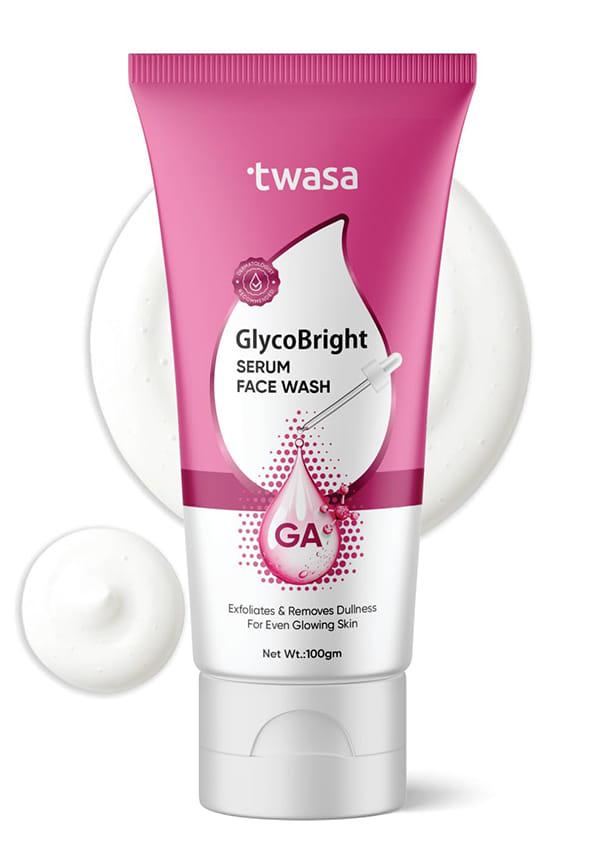
GlycoBright Glycolic Acid Face Wash
Glycolic acid isn't just for faces. It works brilliantly on body concerns like keratosis pilaris, ingrown hairs, and uneven skin tone. Body skin is typically less sensitive, so you can often use higher concentrations. Smytten makes exploring different glycolic acid products incredibly accessible through their trial packs. With mini-sized products from trusted skincare brands, you can test various formulations and concentrations before committing to full-size purchases. This approach is particularly valuable with active ingredients like glycolic acid, where finding the right product and concentration for your skin type is crucial.
Start with once or twice weekly and gradually increase based on your skin's tolerance. Some people can use it daily, whilst others find every other day works best. Listen to your skin and adjust accordingly.
It's best to avoid using these together as they can cause excessive irritation. If you need both ingredients, use benzoyl peroxide in the morning and glycolic acid at night, or alternate days.
Yes, overnight application is generally safe and often preferred. Your skin repairs itself during sleep, making nighttime ideal for active ingredients like glycolic acid.
Beginners should start with 5-7% concentration in a serum or 2-5% in a toner. You can always increase the concentration later once your skin builds tolerance.
Glycolic acid is generally considered safe during pregnancy in low concentrations, but always consult your healthcare provider before starting any new skincare ingredients.
Mastering how to use glycolic acid is genuinely a game-changer for your skincare routine. Start slowly, be consistent, and always prioritise sun protection. Remember that everyone's skin is different, so what works for your friend might need tweaking for you. The key is patience and paying attention to how your skin responds. With over 25 million users trusting Smytten's platform to discover their perfect skincare matches, you're in good company when exploring glycolic acid options. The platform's approach of trying before buying is particularly smart with active ingredients – after all, why settle for 'maybe' when you can find what actually works for your unique skin? Whether you're dealing with acne, signs of ageing, or just want that coveted glow, glycolic acid might just become your new skincare obsession.
