How to Use Retinol for Skin Renewal

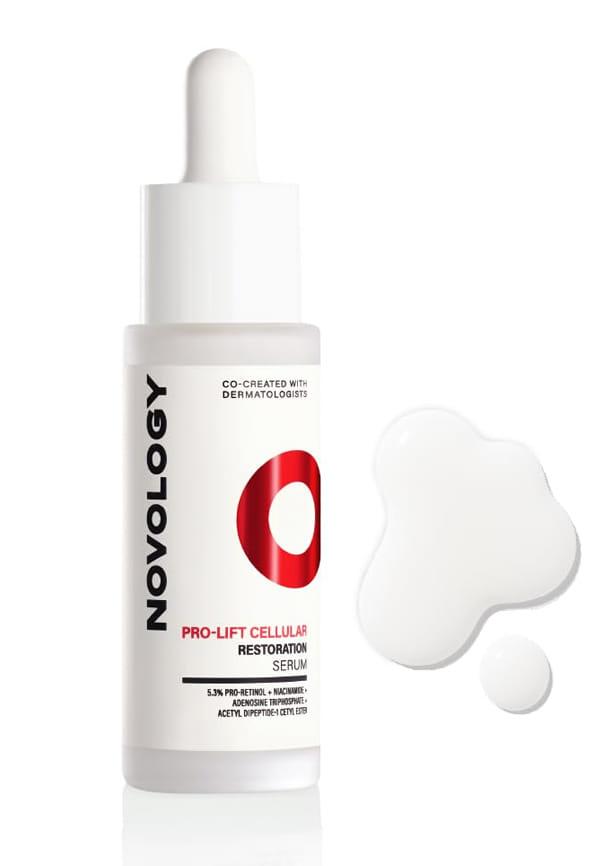
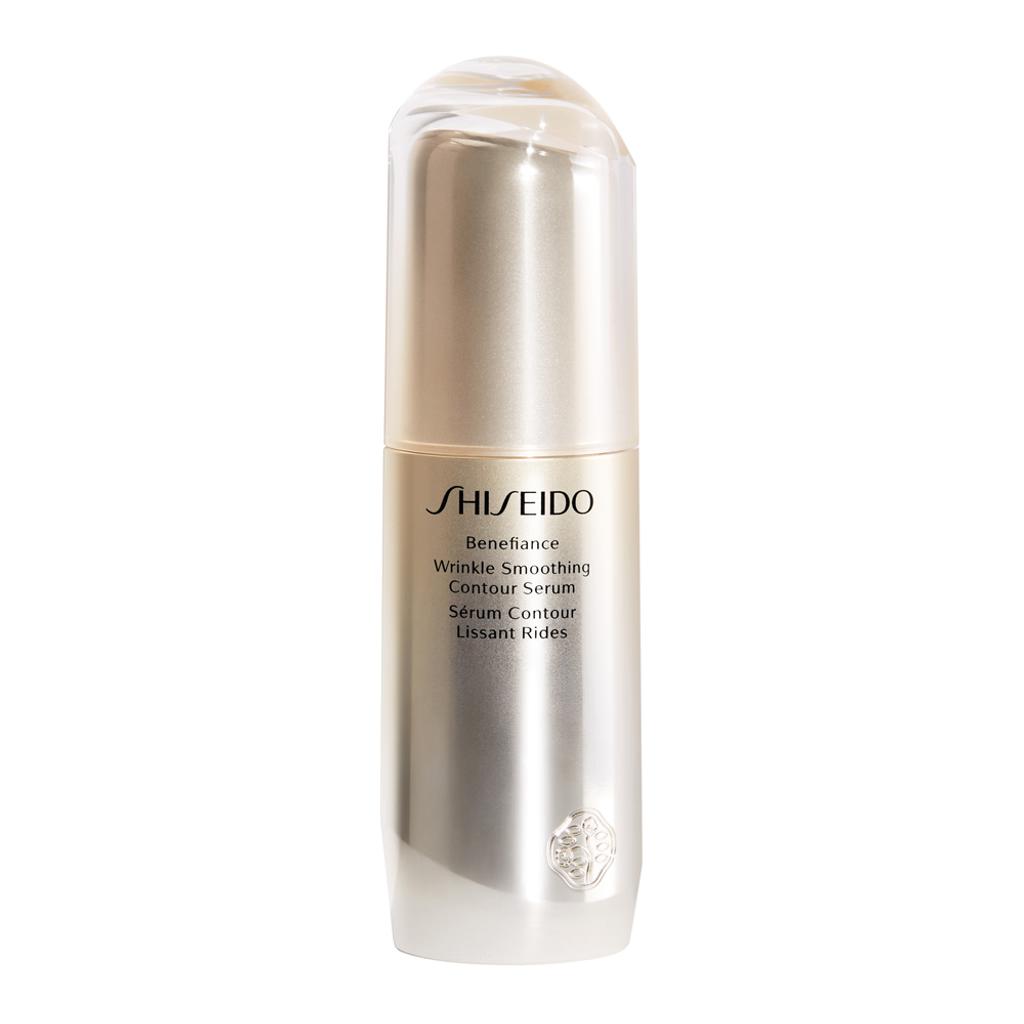
Pro-Lift Cellular Restoration Anti-Ageing Serum
Real talk: if you've been scrolling through skincare content lately, you've probably noticed clinical retinol everywhere. And honestly? There's good reason for that buzz. Understanding clinical-grade retinol and refined cellular renewal isn't just about jumping on the latest trend—it's about getting to grips with one of the most scientifically-backed ingredients in skincare. Whether you're dealing with stubborn fine lines, uneven texture, or just want to give your skin that extra push towards looking its absolute best, clinical retinol might be the game-changer you've been searching for. The thing is, retinol isn't a one-size-fits-all solution, and knowing how to use it properly makes all the difference between glowing results and unnecessary irritation. That's where platforms like Smytten come in handy—letting you trial different retinol formulations before committing to full-size products, because finding your perfect match shouldn't involve guesswork or hefty investments.
TL;DR
Clinical-grade retinol offers higher potency and better stability than over-the-counter options, making it more effective for refined cellular renewal
Start with lower concentrations (0.025%-0.03%) and gradually build up tolerance using the 1/2/3 rule for application frequency
Retinol works by accelerating epidermal cell turnover, stimulating collagen production, and improving skin texture over 8-12 weeks
Proper application involves clean skin, correct layering with other products, and consistent use of SPF during the day
Managing side effects like dryness and irritation is crucial for long-term success with retinol treatments
When we talk about clinical-grade retinol, we're entering a different league entirely from what you'll find on most high street shelves. The science behind refined cellular renewal is fascinating—your skin naturally sheds dead cells and generates new ones in a process that typically takes about 28 days. As we age, this process slows down, leading to dullness, fine lines, and that general lack of radiance that has us reaching for more products.
Clinical retinol steps in as a cellular renewal accelerator, essentially telling your skin to speed up this natural process. The result? Fresher, younger-looking cells make their way to the surface more quickly, whilst the deeper layers get busy producing more collagen and elastin.
The key difference lies in concentration, stability, and molecular structure. Clinical-grade formulations typically contain higher percentages of active retinol—often ranging from 0.25% to 1%—compared to the 0.01% to 0.1% you'll find in most consumer products. More importantly, these formulations use advanced delivery systems that ensure the retinol actually reaches your skin cells intact, rather than breaking down before it can do its job.
Your skin's cellular renewal happens in the epidermis, where new cells are born in the basal layer and gradually move upward over several weeks. Retinol works by binding to specific receptors in your skin cells, triggering a cascade of cellular activities. It encourages faster cell division, promotes the production of new, healthy cells, and helps clear away the old, damaged ones more efficiently.
Think of retinoids as a family tree, with retinoic acid (tretinoin) at the top as the most potent, prescription-only option. Retinol sits one step below, requiring conversion in your skin to become active. Then you have retinyl palmitate and other retinyl esters at the gentler end of the spectrum. Clinical retinol bridges the gap between over-the-counter gentleness and prescription strength.
The magic of retinol lies in its ability to communicate directly with your skin cells. Once applied, retinol penetrates the skin and converts to retinaldehyde, then to retinoic acid—the active form that your cells actually recognise and respond to. This conversion process is what makes retinol gentler than prescription retinoids whilst still delivering impressive results.
At the molecular level, retinol binds to retinoic acid receptors in your skin cells, essentially switching on genes responsible for healthy cell function. This triggers increased cell proliferation, enhanced collagen synthesis, and improved skin barrier function.
Retinol activates several key pathways in your skin. It stimulates fibroblasts to produce more collagen and elastin, the proteins responsible for skin firmness and elasticity. Simultaneously, it encourages keratinocytes to turn over more rapidly, revealing fresher skin underneath. The ingredient also helps regulate sebum production and can unclog pores by preventing the buildup of dead skin cells.
The cellular-level benefits of retinol are extensive. Beyond the obvious anti-ageing effects, retinol helps normalise skin pigmentation by interfering with melanin production pathways. It strengthens the skin barrier by promoting the production of ceramides and other essential lipids. The ingredient also has mild exfoliating properties, helping to smooth skin texture and reduce the appearance of pores.
Retinol plays well with several other ingredients when used correctly. Niacinamide can help reduce retinol-induced irritation whilst providing additional pore-refining benefits. Hyaluronic acid and ceramides support the skin barrier during the adjustment period. However, avoid combining retinol with vitamin C, AHAs, or BHAs in the same routine, as this can lead to excessive irritation.
Selecting the right clinical retinol product requires understanding your skin's current tolerance level and specific concerns. The market offers everything from gentle starter formulations to potent treatments that rival prescription strength. Your choice should be based on your experience with retinoids, skin sensitivity, and the specific results you're hoping to achieve.
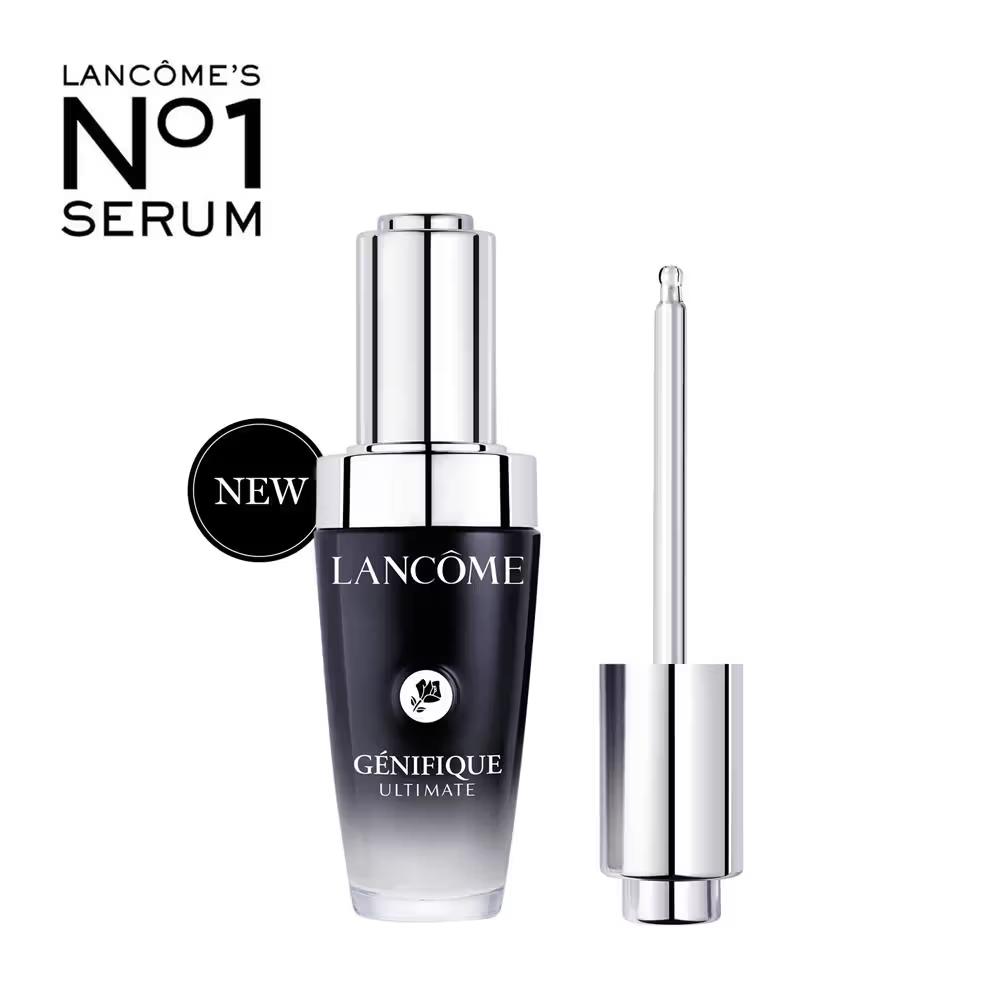
When exploring clinical retinol options, consider products that have undergone third-party testing and come from reputable brands with a track record in advanced skincare. The Lancôme Génifique Ultimate Skin Repair Serum represents an excellent example of how luxury brands are incorporating cutting-edge cellular renewal technology into their formulations, combining retinol-like benefits with additional skin-repairing ingredients for comprehensive anti-ageing results.
Starting with 0.025% to 0.03% retinol is ideal for beginners, allowing your skin to build tolerance gradually. Intermediate users can progress to 0.05% to 0.1%, whilst experienced retinol users might benefit from 0.25% to 0.5% formulations. Concentrations above 0.5% are considered high-strength and should only be used under professional guidance.
Medical-grade retinol formulations typically feature superior stability, enhanced penetration technology, and higher active concentrations. They're often formulated with complementary ingredients that support skin tolerance and maximise efficacy. These products undergo more rigorous testing and quality control compared to standard cosmetic formulations.
Look for retinol products in opaque, air-tight packaging to prevent degradation. Check for additional beneficial ingredients like peptides, antioxidants, or soothing agents. Consider your skin type—dry skin benefits from cream-based formulations, whilst oily skin might prefer gel or serum textures. Always verify that the product has been dermatologically tested.
Proper retinol usage isn't just about applying the product—it's about creating a comprehensive routine that supports your skin through the adjustment period and maximises long-term benefits. The key is patience and consistency, as retinol's effects build gradually over time.
Your retinol journey should begin conservatively and progress methodically. This approach minimises irritation whilst allowing your skin to adapt and eventually thrive with regular retinol use.
Start by using retinol once per week for the first month, twice per week for the second month, and three times per week from the third month onwards. This gradual introduction allows your skin to build tolerance without overwhelming it. Some people may eventually progress to nightly use, but this isn't necessary for everyone to see excellent results.
Begin with thoroughly cleansed skin—any residual makeup or sunscreen can interfere with retinol absorption. Wait 10-15 minutes after cleansing to ensure your skin is completely dry, as damp skin can increase retinol penetration and potential irritation. Apply a pea-sized amount to your entire face, avoiding the eye area and lips. Follow with a moisturiser to help buffer any potential dryness.
Consider seasonal adjustments to your retinol routine—you might need to reduce frequency during harsh winter months or when travelling to different climates. Professional treatments like chemical peels or microneedling should be spaced appropriately around your retinol use. Always inform your aesthetician or dermatologist about your retinol routine before any professional treatments.
Even with the most careful introduction, some degree of skin adjustment is normal when starting clinical retinol. Understanding what to expect and how to manage common side effects can make the difference between successfully incorporating retinol into your routine and giving up too early.
The key is distinguishing between normal adjustment symptoms and signs that you need to modify your approach. Most people experience some degree of dryness, mild peeling, or slight redness during the first few weeks—this is often called 'retinisation' and typically resolves as your skin adapts.
Dryness and flaking are the most common initial side effects. Combat these by using a rich, ceramide-containing moisturiser and consider applying retinol over a thin layer of moisturiser (called 'buffering') to reduce intensity. If you experience significant redness or burning, reduce application frequency or switch to a lower concentration. Persistent irritation after 6-8 weeks may indicate that retinol isn't suitable for your skin type.
Weeks 1-2: Possible initial dryness and mild irritation as your skin adjusts. Weeks 3-4: Adjustment symptoms typically begin to subside. Weeks 6-8: You may start noticing smoother skin texture and improved radiance. Weeks 10-12: More significant improvements in fine lines, pore appearance, and overall skin quality become apparent. Full results typically develop over 3-6 months of consistent use.
Consider 'sandwich' application—moisturiser, retinol, then more moisturiser—for very sensitive skin. Use retinol on alternate nights with other active ingredients rather than layering them. During the adjustment period, simplify the rest of your routine to avoid overwhelming your skin. Always use a broad-spectrum SPF 30 or higher during the day, as retinol can increase sun sensitivity.
No, starting with nightly use often leads to excessive irritation and may cause you to abandon retinol altogether. The gradual introduction approach is much more likely to result in long-term success and better skin tolerance.
Medical-grade formulations typically contain higher concentrations of active retinol, use advanced delivery systems for better penetration, and undergo more rigorous testing. They're often more stable and effective than over-the-counter options, but they also require more careful use.
It's generally best to use vitamin C in the morning and retinol at night rather than layering them together. This approach maximises the benefits of both ingredients whilst minimising the risk of irritation.
Initial signs include smoother skin texture and improved radiance, usually noticeable after 6-8 weeks of consistent use. Longer-term benefits like reduced fine lines and improved firmness typically develop over 3-6 months. If you're trying different retinol products through Smytten's trial packs, you can compare how your skin responds to different formulations before committing to full sizes.
Some people experience an initial 'purging' period where existing skin issues may temporarily appear more pronounced as cellular turnover accelerates. This typically resolves within 4-6 weeks. However, if irritation persists or worsens beyond this timeframe, consider reducing frequency or concentration.
Clinical retinol represents one of the most effective approaches to achieving refined cellular renewal and addressing multiple skin concerns simultaneously. The key to success lies in choosing the right formulation for your skin type, introducing it gradually using the 1/2/3 rule, and maintaining realistic expectations about the timeline for results.
Remember that retinol is a long-term investment in your skin's health and appearance. The initial adjustment period, whilst sometimes challenging, typically leads to significant improvements in skin texture, tone, and overall radiance. Proper sun protection becomes even more crucial when using retinol, as does maintaining a supportive skincare routine with gentle, hydrating products.
Most importantly, don't be afraid to adjust your approach based on how your skin responds. Some people thrive with nightly retinol use, whilst others achieve excellent results with twice-weekly application. The goal is finding a sustainable routine that delivers the cellular renewal benefits you're seeking without compromising your skin's comfort or health.
Navigating the world of clinical retinol doesn't have to feel overwhelming when you have the right resources and approach. The journey to refined cellular renewal is highly individual, and what works brilliantly for one person might need adjustment for another. This is where Smytten's trial packs become invaluable—allowing you to explore different clinical retinol formulations from trusted brands without the commitment of full-size purchases. With over 28 million users discovering their perfect skincare matches through authentic brand-verified minis, you can confidently try before you buy and find the retinol product that truly works for your skin. After all, when it comes to something as important as your skincare routine, why settle for 'maybe' when you can #TryItAll and discover exactly what your skin needs to thrive?
