
Skincare
•06 min read

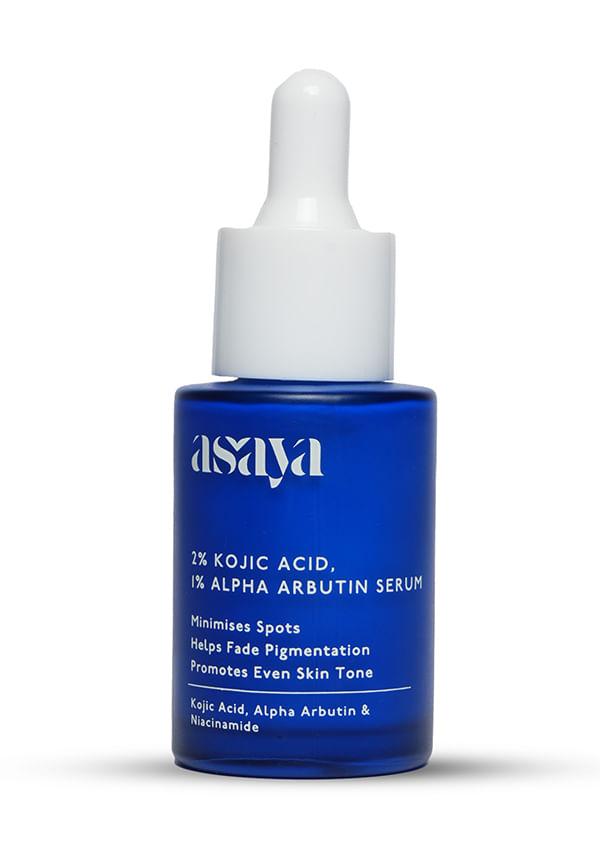
2% Kojic Acid & 1% Alpha Arbutin Face Serum
Those stubborn acne marks that refuse to budge? We've all been there. You've finally won the battle against breakouts, only to be left with dark spots that seem determined to overstay their welcome. Enter alpha arbutin for acne marks – your gentle yet effective ally in the fight against hyperpigmentation. This powerhouse ingredient has been quietly revolutionising skincare routines, offering hope for anyone tired of covering up post-acne dark spots. Let's dive into everything you need to know about using alpha arbutin to fade those marks and reclaim your confidence.
Think of alpha arbutin as the sophisticated cousin of hydroquinone – it delivers similar results but with a much gentler approach. This naturally derived compound comes from bearberry plants and works by inhibiting tyrosinase, the enzyme responsible for melanin production. When your skin produces excess melanin in response to acne inflammation, you get those pesky dark marks. Alpha arbutin benefits include blocking this process at its source, preventing new dark spots whilst gradually fading existing ones.
What makes alpha arbutin particularly brilliant for arbutin for hyperpigmentation is its stability and gentleness. Unlike some harsh brightening ingredients that can irritate sensitive skin, alpha arbutin works slowly and steadily. It's like having a patient friend who helps you tackle problems without causing drama – exactly what post-acne skin needs.
Compared to hydroquinone, alpha arbutin offers similar efficacy without the potential for irritation or rebound hyperpigmentation. It's also more stable than kojic acid and less likely to cause sensitivity than vitamin C in higher concentrations. This makes it an ideal choice for those seeking an effective yet gentle hyperpigmentation treatment.
Real talk – not all acne marks are created equal, and understanding what you're dealing with helps set realistic expectations. Alpha arbutin excels at treating post-inflammatory hyperpigmentation (PIH), those flat, dark spots left behind after acne heals. It's particularly effective for arbutin for dark spots because it works on surface-level discolouration rather than textural scarring.
The beauty of this skin brightening serum ingredient lies in its versatility. Whether you have light or deep skin tones, alpha arbutin can help fade marks without causing the patchy lightening that some ingredients might trigger. It's also preventative – whilst fading existing marks, it helps prevent new ones from forming as dark.
Unlike some brightening ingredients that can be too harsh for sensitive skin or ineffective on deeper skin tones, alpha arbutin finds that sweet spot. It's gentle enough for daily use yet potent enough to deliver visible results across different skin types and concerns.
Getting the most from your alpha arbutin serum isn't rocket science, but there are some key steps that'll help you see results faster. The golden rule? Consistency beats intensity every time. Start slow and build up – your skin will thank you for the patience.
Here's how to fade acne marks effectively with alpha arbutin:
Cleanse your face with a gentle cleanser
Apply a hydrating toner if you use one
Pat 2-3 drops of alpha arbutin serum onto clean skin
Wait 5-10 minutes for absorption
Follow with moisturiser
Apply SPF 30 or higher (non-negotiable!)
Double cleanse to remove makeup and sunscreen
Apply toner if using
Use alpha arbutin serum on clean, slightly damp skin
Layer with a nourishing night moisturiser
Consider adding a facial oil for extra hydration
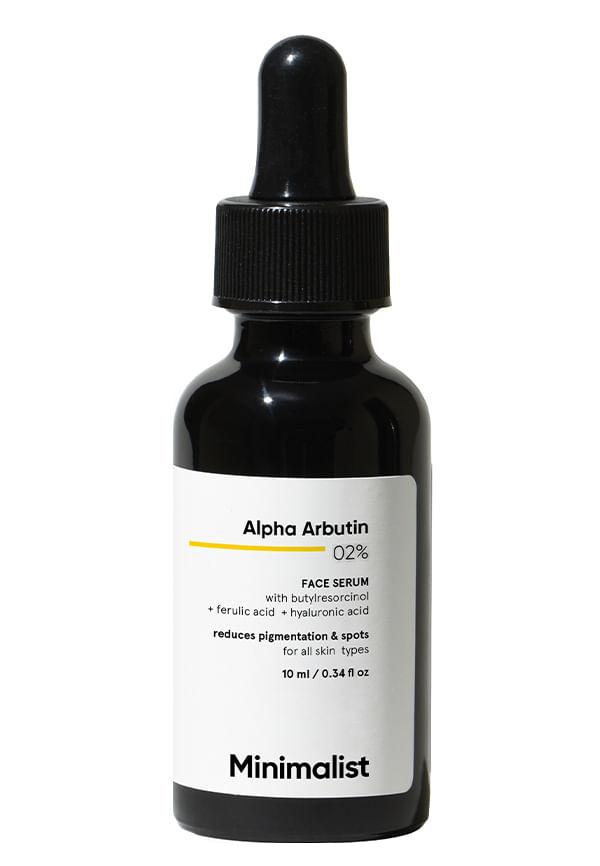
2% Alpha Arbutin Face Serum For Hyperpigmentation
The magic happens when you pair alpha arbutin with complementary ingredients. Arbutin skin care works beautifully with niacinamide, which helps regulate oil production whilst supporting the skin barrier. Hyaluronic acid is another fantastic partner, keeping skin plump and hydrated whilst the arbutin does its brightening work.
For those wondering about the best ingredients for acne scars, consider this dream team: alpha arbutin for pigmentation, niacinamide for texture and pore appearance, and peptides for supporting skin repair. Just remember to introduce new ingredients gradually – your skin needs time to adjust.
Let's set realistic expectations because patience is key with any effective acne scar treatment. Alpha arbutin isn't an overnight miracle worker, but it's a reliable long-term solution that delivers lasting results.
Here's what you can typically expect:
Your skin is getting acquainted with the ingredient. You might notice improved hydration and a subtle glow, but don't expect dramatic changes yet. This is normal – good things take time.
This is when things get exciting. Fresh acne marks (those less than 6 months old) often start showing noticeable fading. Your overall skin tone might appear more even, and that post-acne redness begins to calm down.
Older, more stubborn marks start responding. The contrast between dark spots and your natural skin tone becomes less pronounced. Many people see 50-70% improvement in mark visibility during this phase.
This is where alpha arbutin really shines as a hyperpigmentation treatment. Even deep, long-standing marks show significant fading. Some lighter marks might disappear completely, whilst deeper ones become much less noticeable.
Alpha arbutin is generally well-tolerated, but like any active ingredient, it's worth knowing what to watch for. The most common side effect is mild irritation, especially when you first start using it or if you're using too high a concentration.
Signs to slow down or take a break:
Persistent redness or burning sensation
Increased sensitivity to other products
Unusual dryness or flaking
New breakouts (though this can sometimes be purging)
Whilst alpha arbutin doesn't make your skin photosensitive like some acids do, protecting your skin from UV damage is crucial when treating hyperpigmentation. Sun exposure can darken existing marks and create new ones, essentially undoing your hard work.
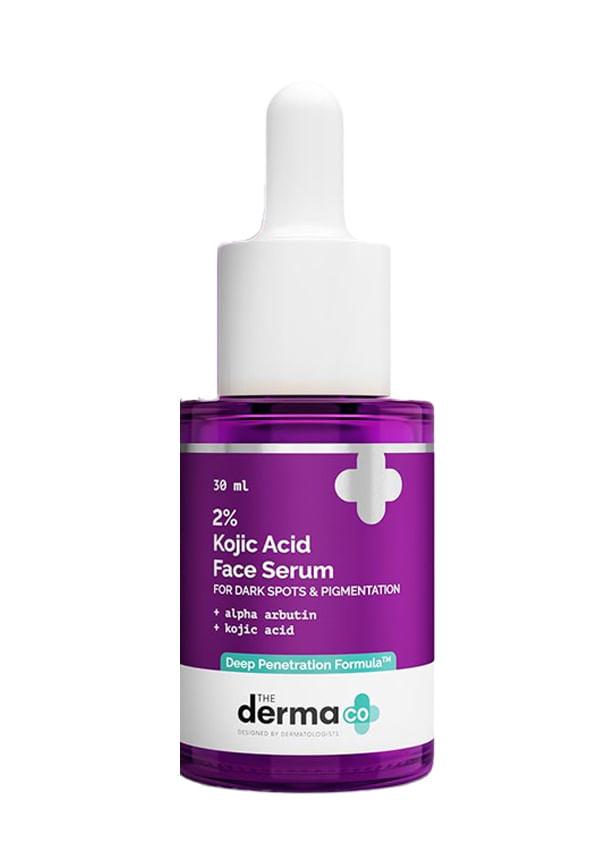
2% Kojic Acid Face Serum with 1% Alpha Arbutin & Niacinamide
Not all alpha arbutin products are created equal, and finding your perfect match might take some trial and error. Look for concentrations between 1-2% for optimal results without irritation. Higher isn't always better – it's about finding what works consistently for your skin.
This is where platforms like Smytten become invaluable. As India's largest product discovery and trial platform, Smytten connects you with over 1,500 trusted brands including skincare favourites like Cetaphil and Dot & Key. Instead of committing to full-size products and hoping for the best, you can try curated trial packs to find your perfect alpha arbutin serum. With up to 8 minis for just ₹249 and 100% cashback redeemable for future orders, you can explore different formulations risk-free.
Hyaluronic acid for hydration and plumping
Niacinamide for additional brightening and pore refinement
Vitamin E for antioxidant protection
Ceramides for barrier support and moisture retention
Yes, alpha arbutin is clinically proven to fade post-inflammatory hyperpigmentation. Studies show significant improvement in dark spot appearance within 8-12 weeks of consistent use. It works by inhibiting melanin production, gradually lightening existing marks whilst preventing new ones from forming as dark.
Most people notice initial improvements around 4-6 weeks, with significant results visible by 8-12 weeks. Fresh acne marks (less than 6 months old) typically respond faster than older, established marks. Consistency is key – daily use yields better results than sporadic application.
Yes, but timing matters. Use vitamin C in the morning and alpha arbutin in the evening, or alternate days when starting. With retinol, apply alpha arbutin first, wait 10-15 minutes, then apply retinol. Start slowly and monitor your skin's response to avoid irritation.
Alpha arbutin is generally well-tolerated by sensitive skin types. It's gentler than hydroquinone and less irritating than high-concentration vitamin C. However, always patch test new products and start with lower concentrations (1%) before progressing to stronger formulations.
Both are effective brightening ingredients, but alpha arbutin is more stable and less likely to cause irritation. Kojic acid can be more potent but may cause sensitivity in some users. Alpha arbutin offers more consistent results with fewer side effects, making it ideal for long-term use.
Alpha arbutin for acne marks isn't just another skincare trend – it's a scientifically-backed solution that delivers real results with patience and consistency. Whether you're dealing with fresh post-acne marks or stubborn spots that have overstayed their welcome, this gentle yet effective ingredient can help restore your skin's natural radiance.
Remember, the journey to clearer skin isn't always linear. Some days will be better than others, and that's completely normal. The key is finding products that work for your unique skin needs and sticking with them long enough to see results. With Smytten's trial platform, you can explore different alpha arbutin formulations from trusted brands without the commitment, making it easier to find your perfect match. After all, why settle for 'maybe' when you can try it all and discover what truly works for your skin?
