How to Use Alpha Arbutin for Hyperpigmentation Effectively


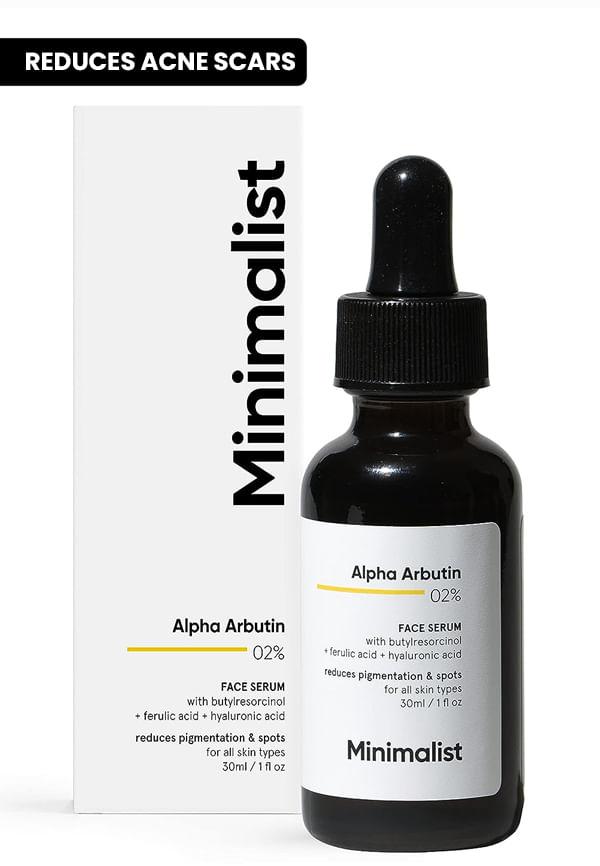
2% Alpha Arbutin Face Serum For Hyperpigmentation
Hyperpigmentation can feel like that uninvited guest who just won't leave your skin alone. Whether it's dark spots from old breakouts, melasma patches, or sun damage that's been building up over the years, finding the right ingredient to tackle these concerns can be overwhelming. Enter alpha arbutin—a gentle yet effective skin brightening ingredient that's been making waves in the skincare world. Unlike harsh alternatives, this naturally-derived compound offers a safer path to clearer, more even-toned skin. Let's dive into everything you need to know about using alpha arbutin effectively, from understanding concentration levels to maximising your results.
Alpha arbutin is a naturally-derived compound that comes from the bearberry plant, though most skincare products use a synthetic version for better stability and effectiveness. Think of it as nature's gentle approach to skin brightening—it works by inhibiting tyrosinase, the enzyme responsible for melanin production in your skin.
Here's where it gets interesting: alpha arbutin is actually nine times more effective at inhibiting tyrosinase compared to its cousin, beta arbutin. Clinical studies have shown that alpha arbutin can reduce melanin production by 40-63%, making it a serious contender in the world of skin brightening ingredients.
The science behind alpha arbutin benefits is pretty straightforward. When your skin produces excess melanin (usually triggered by sun exposure, hormones, or inflammation), alpha arbutin steps in to slow down this process. It doesn't bleach your skin like some harsher ingredients—instead, it works gradually to prevent new dark spots from forming whilst helping existing ones fade over time.
What makes alpha arbutin particularly appealing for arbutin for hyperpigmentation treatment is its gentle nature. Unlike hydroquinone, which can cause irritation and rebound hyperpigmentation, alpha arbutin offers a safer alternative that's suitable for long-term use. Dermatologists often recommend the alpha form over beta because it's more stable, less likely to oxidise, and delivers more consistent results.
When it comes to alpha arbutin concentration effectiveness, not all percentages are created equal. Understanding the right concentration for your skin type and concerns is crucial for getting the results you're after without unnecessary irritation.
The beauty of alpha arbutin lies in its versatility across different concentration levels. Here's what you need to know about each range:
Perfect for sensitive skin types or those new to alpha arbutin. This concentration works well for maintaining an even skin tone and preventing new dark spots from forming. It's gentle enough for daily use and rarely causes irritation.
This is the sweet spot that most dermatologists recommend. At 2% concentration, alpha arbutin delivers optimal efficacy for most skin types without causing significant irritation. Clinical studies often use this percentage as the industry standard for arbutin concentration for skin brightening treatments.
Some products contain up to 10% alpha arbutin, which clinical data shows can reduce UV-induced hyperpigmentation by 43.5%. However, these higher concentrations aren't always necessary and may increase the risk of irritation for some users.
The key is finding your skin's tolerance level. Most people see excellent results with 2% alpha arbutin, making it the perfect balance between effectiveness and gentleness. If you're dealing with stubborn hyperpigmentation, you might consider higher concentrations, but it's always best to start low and work your way up.
Knowing how to use alpha arbutin correctly can make the difference between seeing results and wasting your time. The good news is that incorporating an alpha arbutin serum into your routine is pretty straightforward once you know the basics.
Here's your foolproof application guide:
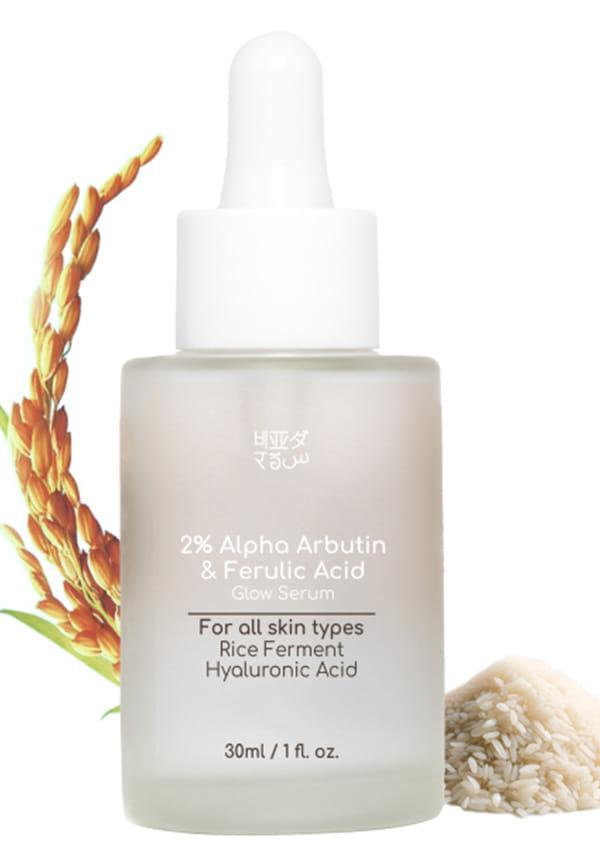
2% Alpha Arbutin and Ferulic acid - Face Glow Serum
Alpha arbutin can be used both morning and evening, but many people prefer evening application to avoid any potential photosensitivity. If you're using it in the morning, sunscreen becomes absolutely non-negotiable.
Apply alpha arbutin after cleansing and toning but before heavier creams and oils. The general rule is to go from thinnest to thickest consistency. If you're using multiple serums, alpha arbutin typically goes on before vitamin C but after hyaluronic acid.
Use 2-3 drops for your entire face—a little goes a long way. Gently pat the serum into your skin rather than rubbing it in. Focus on areas with hyperpigmentation, but don't forget to apply it to your entire face for even results.
Start with every other night for the first week to gauge your skin's reaction. If all goes well, you can gradually increase to daily use. Some people find that using it twice daily speeds up results, but this isn't necessary for everyone.
Patience is key here—most people start seeing initial changes around 2-4 weeks, with more significant results appearing after 8-12 weeks of consistent use. Don't expect overnight miracles, but do expect gradual, sustainable improvement.
With so many natural skin lighteners available, you might wonder how alpha arbutin stacks up against other popular options. Let's break down the key comparisons to help you make an informed choice.
Understanding these differences can help you decide whether alpha arbutin is right for your skin or if you might benefit from combining it with other ingredients.
When comparing alpha arbutin vs kojic acid, both are effective for hyperpigmentation, but they work differently. Kojic acid is more potent but also more likely to cause irritation and photosensitivity. Alpha arbutin is gentler and more stable, making it better for sensitive skin types.
Vitamin C works as both an antioxidant and a mild skin brightener, whilst alpha arbutin specifically targets melanin production. Many people use them together—vitamin C in the morning for antioxidant protection and alpha arbutin in the evening for targeted hyperpigmentation treatment.
Hydroquinone is more potent but comes with significant risks, including potential rebound hyperpigmentation and skin irritation. Alpha arbutin offers a safer alternative with similar results over a longer timeframe, making it suitable for long-term use.
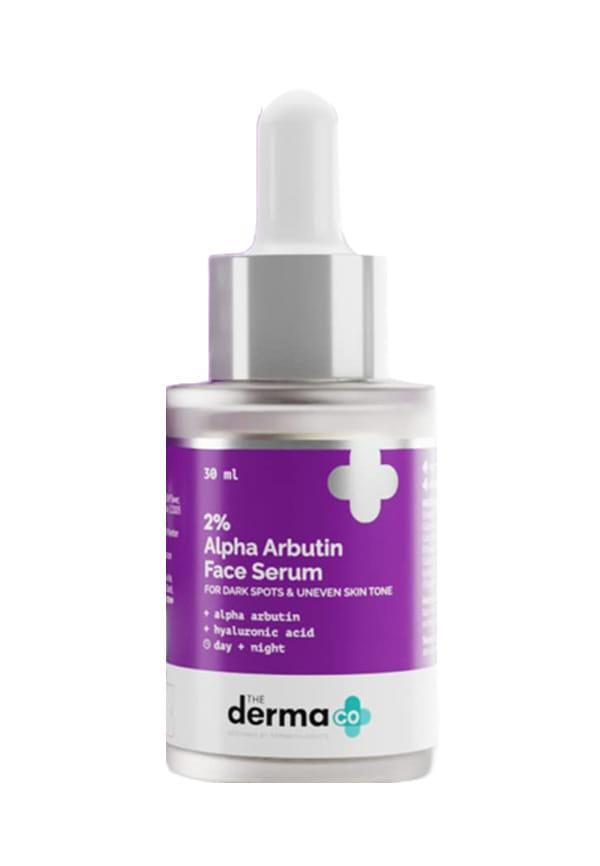
2% Alpha Arbutin Face Serum
Alpha arbutin plays well with other ingredients. Niacinamide can enhance its effectiveness, whilst hyaluronic acid helps prevent any potential dryness. Some people also combine it with gentle exfoliants like lactic acid for faster cell turnover.
Whilst alpha arbutin is generally well-tolerated, understanding potential arbutin side effects helps you use it safely and effectively. The good news is that serious side effects are rare, especially when compared to harsher alternatives.
Most people experience minimal to no side effects, but here's what to watch out for:
Mild irritation, dryness, or sensitivity can occur, especially when first starting or using higher concentrations. These effects usually subside as your skin adjusts to the ingredient.
Some people notice their skin appearing darker initially—this usually happens due to improper sun protection or using oxidised products. Always store your alpha arbutin serum in a cool, dark place and never skip sunscreen.
Stick to concentrations of 2% or lower for alpha arbutin (7% is the upper limit for beta arbutin). Always patch test new products and introduce them gradually into your routine.
Pregnant and breastfeeding women should consult their healthcare provider before using alpha arbutin, though it's generally considered safer than alternatives like hydroquinone. People with very sensitive skin should start with lower concentrations.
Getting the most out of your alpha arbutin routine goes beyond just applying the serum. These pro tips can help accelerate your results and ensure you're getting the full alpha arbutin benefits.
Consistency is your best friend when it comes to treating hyperpigmentation. Here's how to optimise your approach:
Niacinamide pairs beautifully with alpha arbutin, helping to reduce inflammation and strengthen your skin barrier. Vitamin C can be used in the morning whilst alpha arbutin works its magic at night. Aloesin, another natural skin brightener, can complement alpha arbutin's effects.
Your diet, sleep quality, and stress levels all impact how well your skin responds to treatment. Antioxidant-rich foods, adequate sleep, and stress management can all support your skin's healing process.
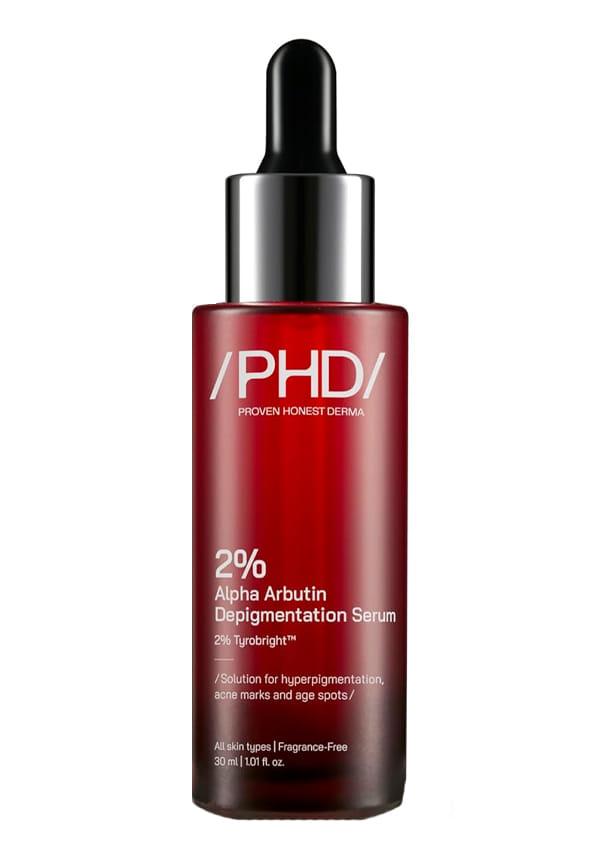
2% Alpha Arbutin Depigmentation Serum
For stubborn hyperpigmentation, consider combining at-home alpha arbutin use with professional treatments like chemical peels or laser therapy. Many dermatologists recommend this combined approach for faster results.
Once you've achieved your desired results, you can often reduce frequency to maintain your progress. Some people switch to using alpha arbutin every other day or just a few times per week for maintenance.
Finding the right alpha arbutin product doesn't have to involve expensive trial and error. Platforms like Smytten make it easy to try different formulations through their curated trial packs, letting you discover what works for your skin before committing to full-size purchases.
The most effective concentration for alpha arbutin ranges from 1-2%, with 2% being the industry standard. This concentration provides optimal results for most skin types without causing significant irritation. Beginners should start with 0.2-0.5% to test tolerance, whilst those with stubborn hyperpigmentation might benefit from concentrations up to 10%, though this should be done under professional guidance.
Initial changes typically appear within 2-4 weeks of consistent use, with more noticeable results becoming visible after 8-12 weeks. For significant hyperpigmentation, it may take 3-6 months to see full results. The timeline depends on factors like concentration used, skin type, severity of hyperpigmentation, and consistency of application.
This usually happens due to inadequate sun protection, using an oxidised product, or improper application. Alpha arbutin can make your skin more photosensitive, so daily sunscreen is crucial. Also, ensure you're storing your serum properly and replace it if it's changed colour or consistency.
Yes, alpha arbutin pairs well with many ingredients. It works beautifully with niacinamide, hyaluronic acid, and vitamin C (used at different times). Avoid combining it with strong acids or retinoids initially, and always introduce new combinations gradually to prevent irritation.
Both are effective but work differently. Alpha arbutin specifically targets melanin production, making it more focused on hyperpigmentation. Vitamin C provides broader benefits including antioxidant protection and collagen support. Many people use both—vitamin C in the morning and alpha arbutin at night—for comprehensive skin brightening.
Alpha arbutin represents a gentle yet effective approach to tackling hyperpigmentation, offering a safer alternative to harsher ingredients without compromising on results. The key to success lies in understanding alpha arbutin concentration effectiveness and choosing the right percentage for your skin type and concerns.
Remember that skincare is deeply personal—what works brilliantly for your friend might not be your skin's cup of tea. This is where trial and discovery become invaluable. With Smytten's extensive range of skincare trial packs from trusted brands, you can explore different alpha arbutin formulations without the commitment of full-size purchases. Their platform connects you with over 1,500 brands, making it easier to find your perfect match through affordable trial options.
Whether you're dealing with post-acne marks, sun damage, or melasma, alpha arbutin offers a promising path forward. Start slow, be consistent, and don't forget that sunscreen—your future self will thank you for the patience and care you show your skin today.
