How to Use Aloe Vera Gel on Face at Night for Skin

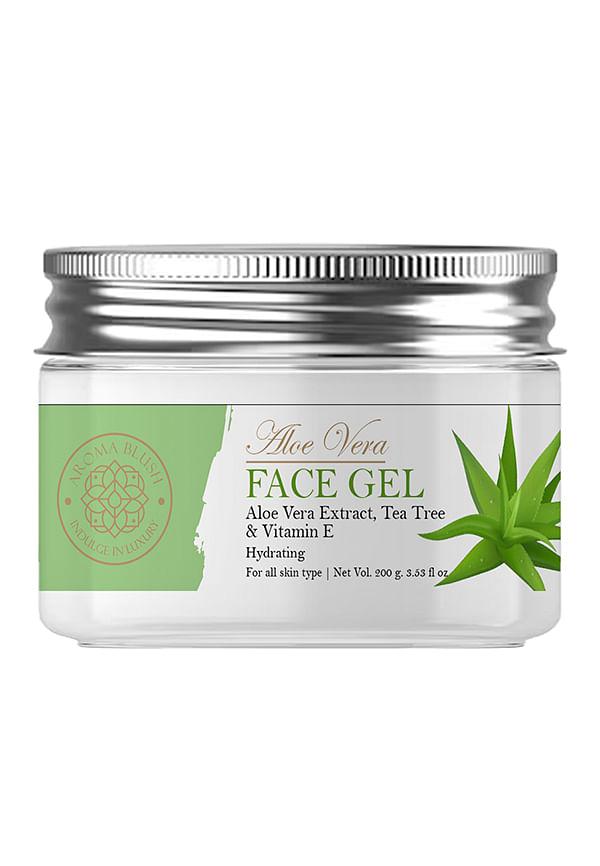
Aloe Vera Face Gel
Amazing Product
 4
4“this is amazing product I have use I love this product”
Picture this: you wake up with skin that feels like silk and looks naturally radiant. That's the magic of using aloe vera gel on face at night. This succulent plant has been treasured for centuries, and there's proper science behind why your skin absolutely loves it during those crucial overnight hours. When you sleep, your skin goes into repair mode, making it the perfect time to let aloe vera work its gentle magic. From soothing irritated skin to tackling stubborn acne, this natural wonder ingredient might just become your new nighttime skincare obsession.
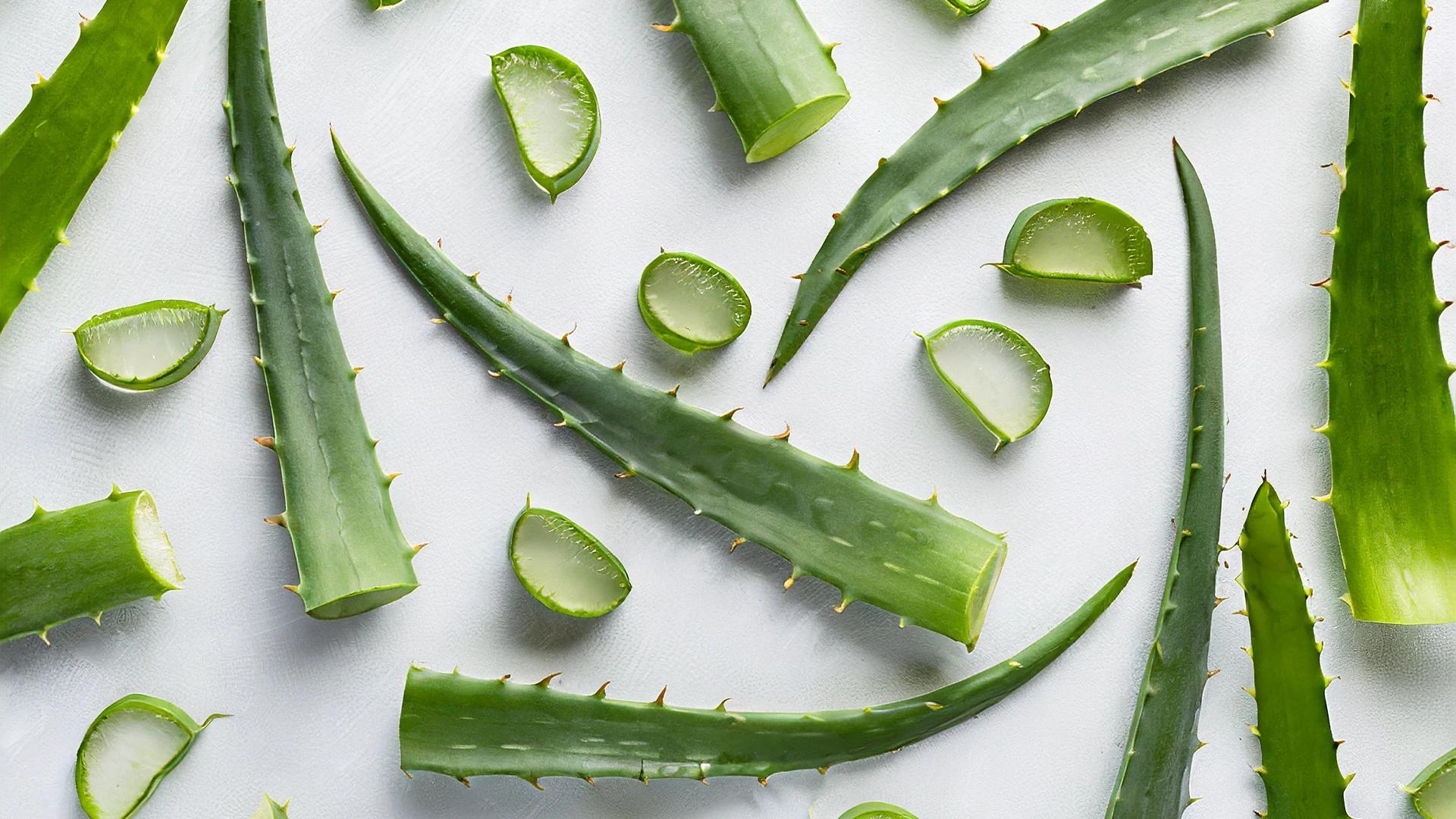
Let's get real about what makes aloe vera such a skincare superstar. This gel-like substance is packed with over 75 active compounds, including vitamins A, C, and E, plus amino acids and minerals that your skin craves. The real MVP here is a compound called acemannan, which helps boost collagen production and speeds up skin healing.
The aloe vera benefits for skin are backed by proper research too. Studies show it can reduce inflammation by up to 37%, which explains why it's so brilliant for calming angry breakouts or soothing irritated skin. Plus, its natural antimicrobial properties make it a gentle yet effective way to keep bacteria at bay without stripping your skin.
Fresh aloe straight from the plant is absolutely pure, but let's be honest—not everyone has an aloe plant sitting on their windowsill. Store-bought gels can be just as effective, but you'll want to look for ones with at least 90% aloe vera content and minimal additives.
Before you slather on that cooling gel, your skin needs to be properly prepped. Think of it like priming a canvas—the better the prep, the better the results. Start with a gentle cleanser to remove the day's grime, makeup, and excess oils that could block the aloe from penetrating your skin.
Here's the thing about cleansing: you want clean skin, not squeaky-clean skin. Over-cleansing can actually make your skin produce more oil to compensate, which isn't what we're after when we're trying to create the perfect environment for overnight aloe treatment.
Real talk—even natural ingredients can cause reactions. Apply a small amount of aloe vera gel to your inner wrist or behind your ear and wait 24 hours. If there's no redness, itching, or irritation, you're good to go.
Not all aloe gels are created equal. Look for products that list aloe vera as the first ingredient and avoid those loaded with alcohol, artificial colours, or strong fragrances that could irritate your skin overnight.
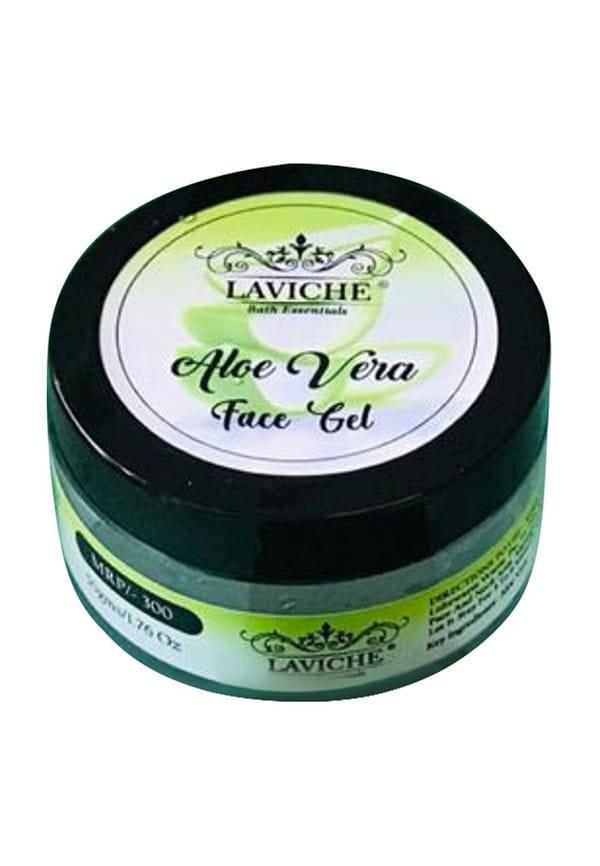
Aloe Vera Face Gel
Right, let's get to the good stuff—exactly how to use aloe vera gel on face at night for maximum benefits. The technique matters more than you might think, and getting it right can make the difference between waking up glowing or feeling sticky.
Start with clean, slightly damp skin. This helps the aloe absorb better and prevents that tight feeling some people get with gel application. You only need about a grape-sized amount for your entire face—seriously, a little goes a long way with this stuff.
Dot the gel on your forehead, cheeks, nose, and chin, then gently massage in upward circular motions. Pay special attention to areas that tend to get dry or irritated. The key is to be gentle—your skin is about to spend the next 8 hours repairing itself, so treat it kindly.
Apply your aloe gel about 15-20 minutes before hitting the pillow. This gives it time to absorb properly so you're not transferring product onto your pillowcase all night.
Here's where things get exciting—the specific ways aloe vera transforms your skin while you catch those Z's. Your skin's natural repair process kicks into high gear during sleep, and aloe vera basically acts like a supportive friend, boosting all those good processes.
The hydration game is strong with aloe vera. Unlike heavy moisturisers that can clog pores, aloe provides moisture without the weight. It forms a protective barrier that locks in hydration while allowing your skin to breathe—perfect for overnight wear.
Aloe vera for acne works differently than harsh spot treatments. Instead of drying out blemishes, it reduces inflammation and bacteria whilst keeping skin balanced. You might notice angry red spots looking calmer by morning.
The vitamin C and antioxidants in aloe help fight free radical damage, whilst the natural compounds boost collagen production. Regular overnight use might help with aloe vera for face wrinkles, especially those fine lines around your eyes and mouth.
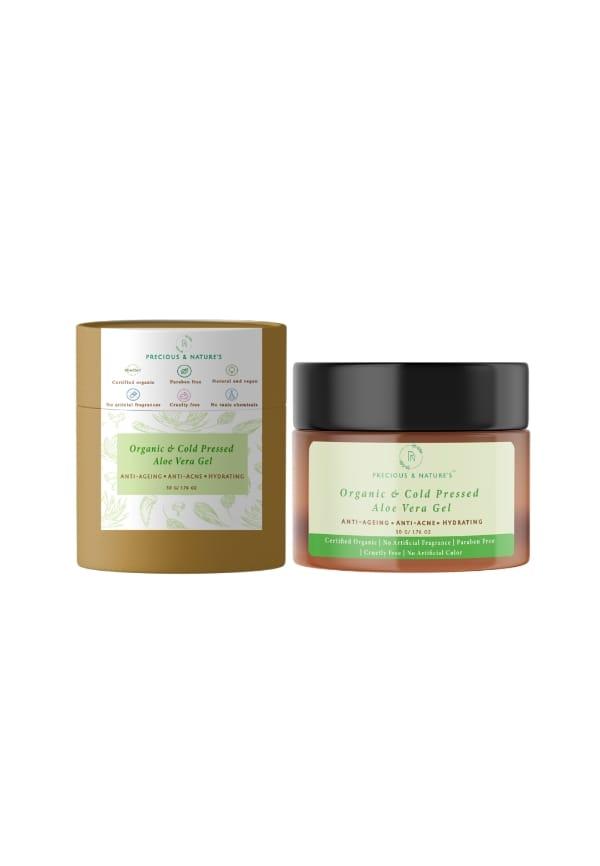
Organic & Cold-Pressed Pure Aloe Vera Gel
Aloe contains natural compounds that can help fade dark spots and even out skin tone over time. It's gentle enough for nightly use, making it perfect for addressing hyperpigmentation without irritation.
Let's keep it real—whilst aloe vera is generally super gentle, it's not right for everyone. Some people experience contact dermatitis, especially if they're allergic to plants in the lily family (which includes garlic and onions, weirdly enough).
If you notice increased redness, bumps, or itching after using aloe vera overnight, stop immediately and rinse your face with cool water. Sometimes what looks like a reaction is actually your skin purging, but better safe than sorry.
Skip the overnight aloe treatment if you're using strong actives like retinoids or AHA/BHA acids. The combination might be too much for your skin barrier to handle whilst it's trying to repair overnight.
Want to level up your aloe game? There are brilliant ways to boost its effectiveness without complicating your routine. The key is understanding what works well with aloe and what might interfere with its benefits.
Your natural skincare routine can easily incorporate aloe as a treatment step. Apply it after any serums but before heavier moisturisers. If you're into DIY skincare, aloe mixes beautifully with honey for extra antibacterial benefits or with rose water for added hydration.
Once or twice a week, you can create an aloe vera face mask by mixing the gel with a bit of turmeric for brightening or oatmeal for gentle exfoliation. Leave it on for 15-20 minutes before your regular nighttime routine.
Start with 2-3 times per week and gradually increase to nightly use if your skin responds well. Consistency is key with natural ingredients—you're more likely to see results with regular use over time rather than sporadic application.
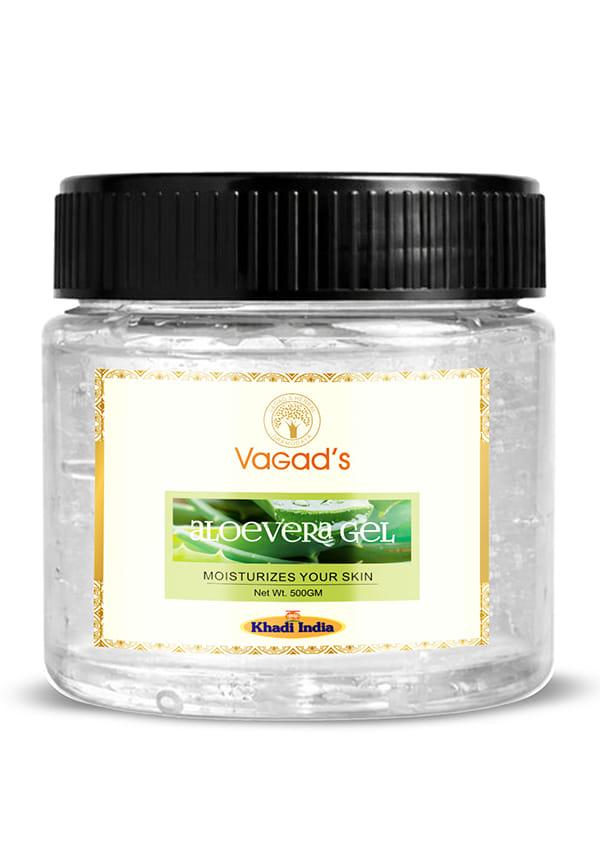
Natural Aloe Vera Gel
Good & Effective Product
5“good product and effective product I must say”
Loved texture and feel
5“loved the texture and how it feels on my hair”
Amazing Product, Works Like Magic
5“best product by smytten....thank you so so so so so so so much for this amazing product!!!!!!!! Really working like a magic for me. thanks again so much for this lovely feature by you smytten will gonna purchase again..”
After a night of aloe vera overnight treatment, your morning routine should be gentle. Use a mild cleanser, apply vitamin C serum if that's part of your routine, and definitely don't skip SPF—aloe can make your skin slightly more photosensitive.
Speaking of trying new skincare ingredients, platforms like Smytten make it easy to test different aloe vera products without committing to full sizes. With trial packs from trusted brands, you can discover what works best for your skin before investing in larger products.
Absolutely! Aloe vera gel is gentle enough for overnight use and actually works best when left on for extended periods. Just make sure to use pure aloe without added fragrances or alcohol that might irritate your skin during long contact.
You can leave aloe vera gel on your face all night—that's actually when it's most effective. Your skin repairs itself during sleep, and aloe supports this natural process whilst providing continuous hydration and healing benefits.
Aloe vera can be soothing for eczema-prone skin due to its anti-inflammatory properties, but it's not a cure. Always patch test first and consult with a dermatologist, especially if you have severe eczema or are using prescription treatments.
Aloe vera may help fade dark spots over time due to its vitamin C content and natural compounds that support skin cell turnover. However, it works gradually—think months rather than weeks for noticeable results.
Pure aloe straight from the plant is more potent, but quality store-bought gels with high aloe content (90%+) and minimal additives can be just as effective and more convenient for most people.
Using aloe vera gel on your face at night is honestly one of the gentlest yet most effective additions you can make to your skincare routine. From calming inflamed skin to providing deep hydration without clogging pores, this natural ingredient works with your skin's overnight repair process rather than against it.
The beauty of aloe vera lies in its versatility—whether you're dealing with acne, dryness, or early signs of ageing, this succulent's healing properties adapt to what your skin needs most. Start slowly, listen to your skin, and don't be afraid to experiment with different application methods to find what works best for you.
Remember, great skincare isn't about using the most expensive products—it's about finding ingredients that genuinely benefit your skin. With platforms like Smytten, you can explore various aloe vera products through trial packs, helping you make confident choices about what deserves a permanent spot in your nighttime routine. After all, why settle for maybe when you can try it all and find what truly transforms your skin overnight?
