How to Use Aloe Vera and Coconut Oil for Glowing Skin
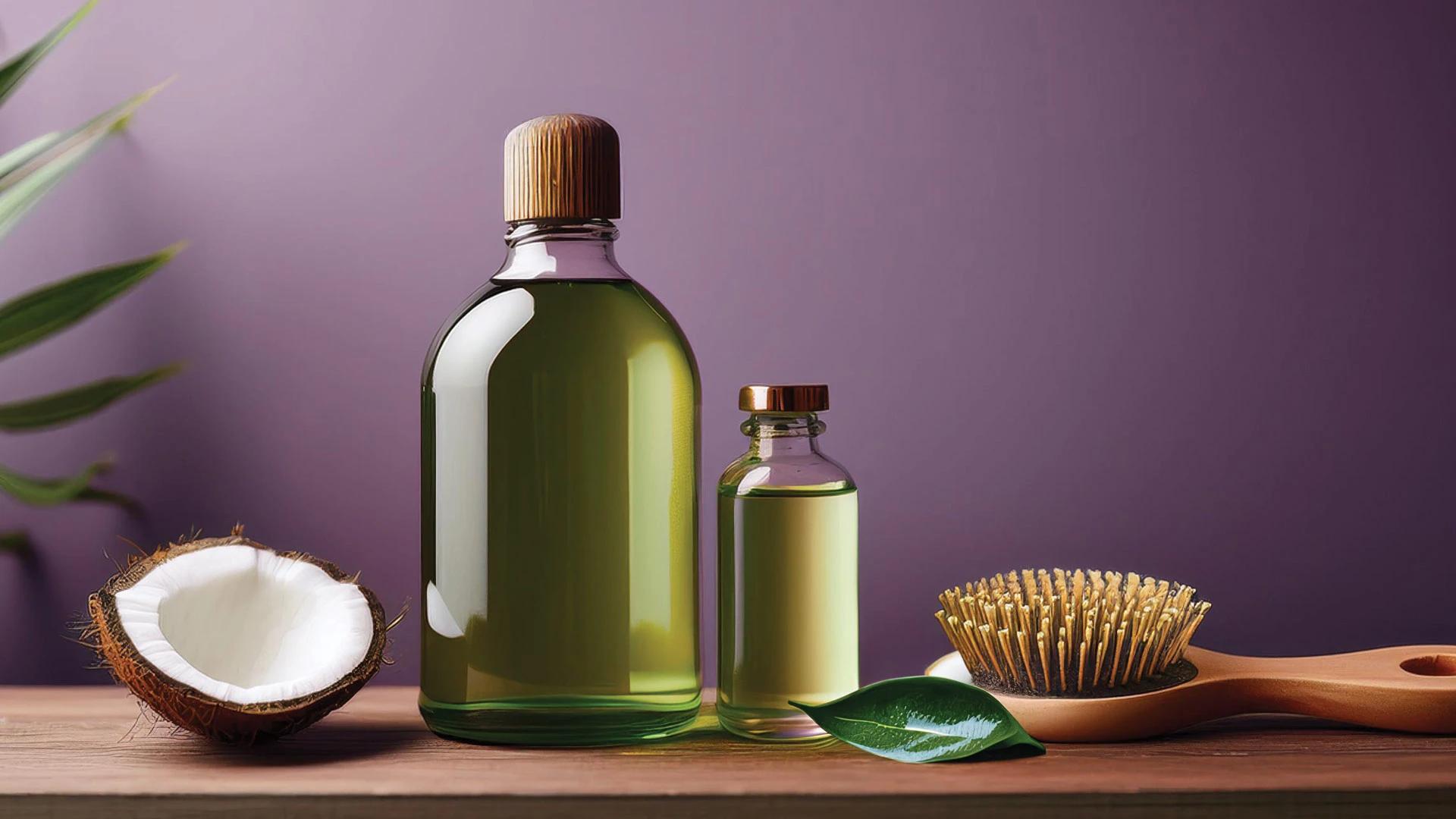

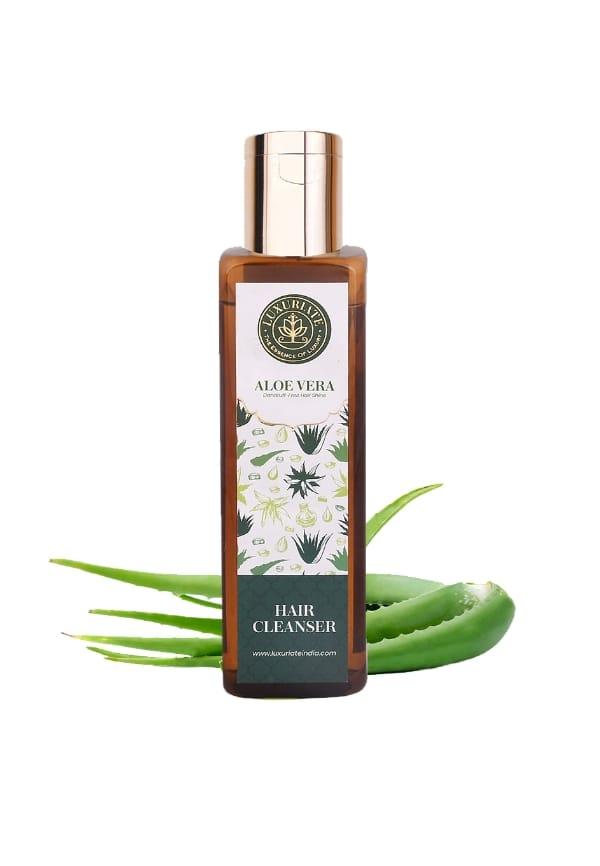
Aloe Vera Shampoo
Let's be real—your skin deserves more than just another quick fix that promises the world but delivers zilch. If you've been scrolling through endless skincare routines and feeling overwhelmed by complex ingredient lists, here's some good news: two of nature's most powerful skin-loving ingredients might already be sitting in your kitchen or bathroom cabinet. Aloe vera and coconut oil aren't just trending for no reason—they're backed by centuries of use and modern science that proves they're worth obsessing over. Whether you're dealing with dull skin, dryness, or just want that natural glow everyone's after, this dynamic duo might just become your next fave. Ready to discover why these simple ingredients are creating such a buzz in the skincare world?
Ever wondered why aloe vera skin benefits have been talked about for literally thousands of years? The magic lies in its molecular structure. Aloe vera gel contains over 75 active compounds, including vitamins A, C, and E, which act as powerful antioxidants fighting free radicals that age your skin. The plant's natural polysaccharides help lock moisture into your skin cells, whilst amino acids work to repair damaged tissue. Coconut oil for skin brings its own set of superpowers to the table. Rich in medium-chain fatty acids like lauric acid and caprylic acid, it penetrates deeply into skin layers without clogging pores. These fatty acids have natural antimicrobial properties that help keep skin clear and healthy.
When you combine aloe vera and coconut oil, something pretty brilliant happens. The lightweight texture of aloe vera gel helps coconut oil absorb better, whilst coconut oil's nourishing properties enhance aloe vera's healing benefits.
Both ingredients are packed with vitamins, minerals, and antioxidants that your skin absolutely loves. Aloe vera brings vitamin C for collagen production, whilst coconut oil delivers vitamin E for skin protection and repair.
Let's break down exactly what this power couple can do for your skin. Spoiler alert: it's quite a lot, and you'll probably be reaching for these ingredients way more often once you know what they're capable of. Coconut oil skin hydration is legendary for good reason. The oil's unique molecular structure allows it to penetrate skin barriers that other moisturisers can't reach. Combined with aloe vera's natural humectant properties, you get hydration that actually lasts. No more reapplying moisturiser every few hours because your skin feels tight again.
Both ingredients are brilliant at calming irritated skin. Aloe vera's anti-inflammatory compounds reduce redness and swelling, whilst coconut oil's antimicrobial properties help prevent infections in minor cuts or blemishes.
The antioxidants in both ingredients fight environmental damage that leads to premature ageing. Regular use can help maintain skin elasticity and reduce the appearance of fine lines.
Whilst they won't work overnight miracles, consistent use of aloe vera and coconut oil can help fade dark spots and even out skin tone naturally.
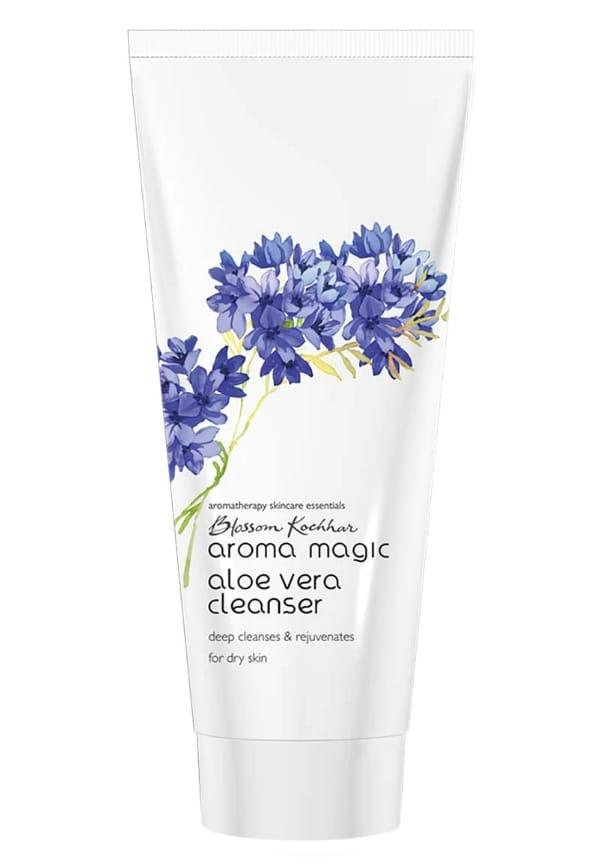
Aloe Vera Cleanser
Great Moisturizer
 5
5“it's a really good moisturizer, i totally loved it”
Time for the fun part—creating your own skincare treatments that actually work. These recipes are simple enough for anyone to try, and you probably already have most ingredients at home. Aloe vera moisturizer recipes don't get much simpler than this basic blend that works for most skin types. The key is getting the ratios right so you don't end up with something too heavy or too light for your skin's needs.
Mix 2 tablespoons of fresh aloe vera gel for skin with 1 tablespoon of melted coconut oil. Add a teaspoon of honey if you want extra antibacterial benefits. Apply to clean skin, leave for 15-20 minutes, then rinse with lukewarm water.
Combine equal parts aloe vera gel and coconut oil in your palm. Gently massage into clean skin before bed. This works particularly well for dry or damaged skin that needs extra TLC.
Aloe vera sunburn relief becomes even more effective with coconut oil's healing properties. Mix 3 parts aloe vera gel with 1 part coconut oil. Store in the fridge for an extra cooling effect.
For everyday use, blend 1 tablespoon aloe vera gel with 1 teaspoon coconut oil. This creates a lightweight moisturiser that absorbs quickly and doesn't leave you feeling greasy.
Different skin types need different approaches, even with natural ingredients. Here's how to customise aloe vera and coconut oil for skin treatments based on your specific concerns. For acne-prone skin, the combination might seem counterintuitive—won't oil make breakouts worse? Actually, coconut oil's antimicrobial properties can help reduce acne-causing bacteria, whilst aloe vera soothes inflammation without clogging pores.
Start with a higher ratio of aloe vera to coconut oil (3:1) to test how your skin reacts. Both ingredients are generally gentle, but everyone's skin is different.
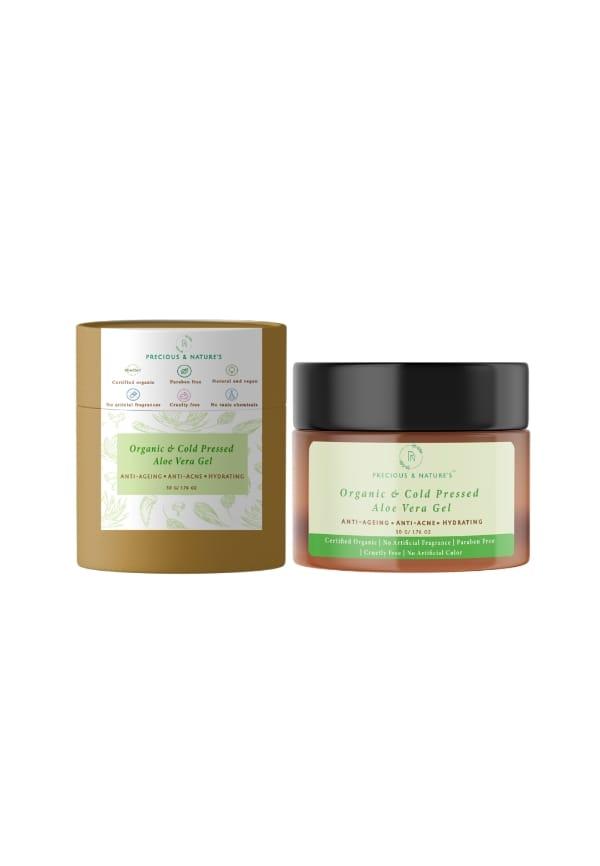
Organic & Cold-Pressed Pure Aloe Vera Gel
Increase the coconut oil ratio for extra nourishment. You can also add a few drops of vitamin E oil to boost the healing properties.
Consistent daily use of a balanced aloe vera and coconut oil blend can gradually improve skin texture and tone. Patience is key here—natural ingredients work slower but often with fewer side effects.
Not all aloe vera and coconut oil products are created equal. Knowing what to look for can make the difference between amazing results and disappointing ones. For aloe vera, fresh gel straight from the plant gives you the highest concentration of active compounds. If you're buying bottled gel, look for products with minimal additives—ideally 99% pure aloe vera gel.
Virgin, unrefined coconut oil retains more beneficial compounds than processed versions. It might smell more strongly of coconut, but that's actually a good sign that it hasn't been over-processed.
Always start with clean skin. Apply in gentle, upward motions, allowing each layer to absorb before adding more. Less is often more with these ingredients—you can always add another thin layer if needed.
Building an effective aloe vera skin care routine doesn't mean completely overhauling everything you're currently using. Start by incorporating these ingredients 2-3 times per week and see how your skin responds.
Whilst aloe vera and coconut oil are generally safe for most people, it's worth knowing about potential issues before diving in headfirst. Some people are allergic to aloe vera, particularly those sensitive to plants in the lily family. Coconut allergies are less common but can occur. Always patch test new ingredients on a small area of skin first.
Redness, itching, or burning sensations aren't normal reactions. If you experience any of these, remove the product immediately and rinse the area with cool water.
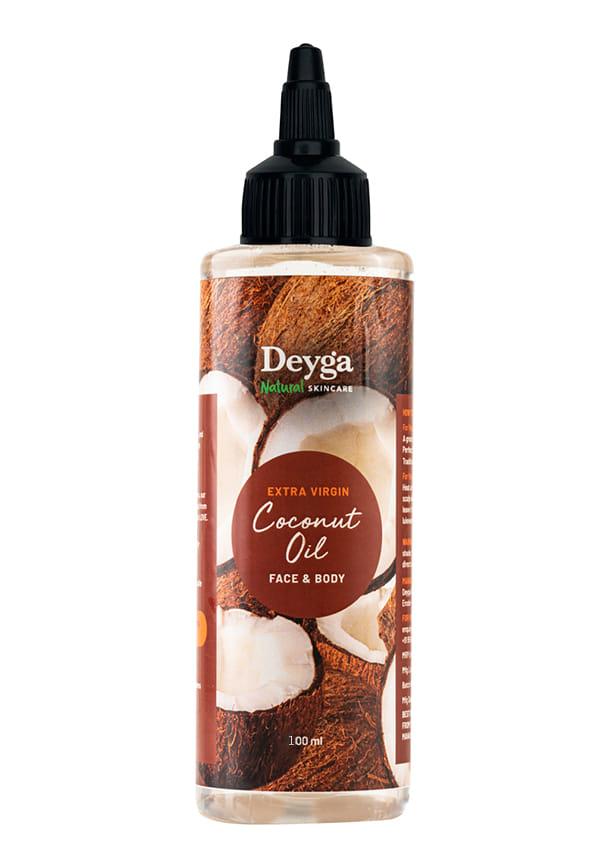
Coconut Oil
If you have existing skin conditions like eczema or psoriasis, chat with a dermatologist before trying new treatments, even natural ones. When exploring new skincare ingredients and products, platforms like Smytten make it easier to try before you fully commit. With curated trial packs from over 1,500 trusted brands, you can discover what works for your skin without the guesswork. The platform covers everything from skincare to makeup and haircare, helping you make smarter, more confident choices about what goes on your skin.
Absolutely! These ingredients complement each other brilliantly. Start with a 2:1 ratio of aloe vera to coconut oil and adjust based on your skin's needs.
Most people can use this combination daily, but start with 2-3 times per week to see how your skin responds. You can gradually increase frequency if your skin tolerates it well.
People with coconut or aloe vera allergies should avoid these ingredients. Those with very oily or acne-prone skin might want to use less coconut oil or skip it during particularly problematic periods.
Whilst they won't work as quickly as chemical treatments, consistent use may help fade dark spots over time. The vitamin C in aloe vera and antioxidants in both ingredients support natural skin renewal.
Fresh aloe vera from the plant is ideal, but high-quality, pure aloe vera gel (99% or higher) works well too. Just avoid products with lots of additives or alcohol.
The combination of aloe vera and coconut oil offers a simple, natural approach to healthier skin that doesn't require a chemistry degree to understand. These ingredients work together to hydrate, heal, and protect your skin using compounds that have been trusted for centuries. From creating your own coconut oil face mask to developing a consistent skincare routine, the versatility of these ingredients means you can customise treatments for your specific skin needs. Whether you're dealing with dryness, irritation, or just want to maintain healthy skin, this natural duo has got you covered. Remember, consistency matters more than perfection. Start simple, listen to your skin, and adjust as needed. Sometimes the most effective skincare solutions are the ones that have been hiding in plain sight all along.
