How to Use Acne Marks Removal Serum for Brighter Skin in India


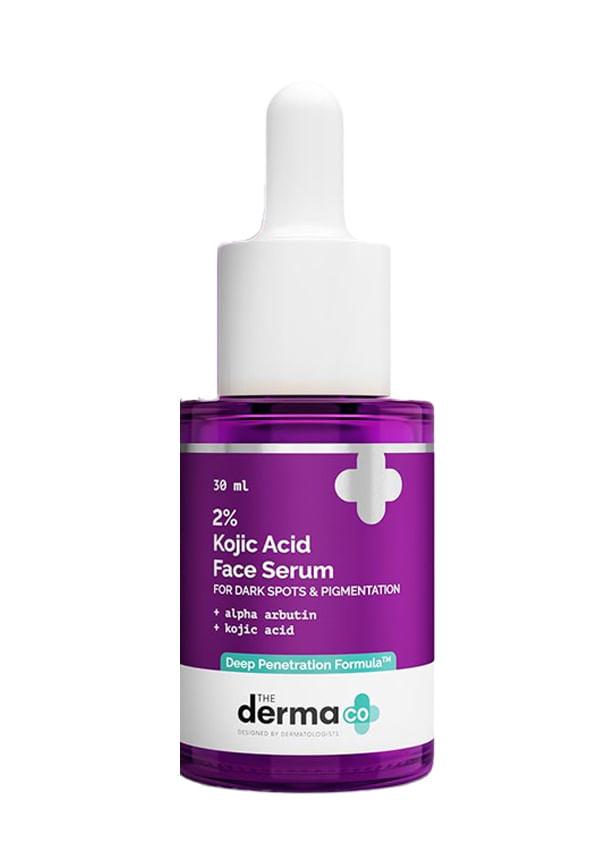
2% Kojic Acid Face Serum with 1% Alpha Arbutin & Niacinamide
Effective for Dark Spots
 5
5“This serum remove my dark spots and very light no feel”
Effective for Dark Spots
5“This serum remove my dark spots and very light no feel”
Effective for Dark Spots
5“This serum remove my dark spots and very light no feel”
You know that feeling when you catch your reflection and notice those stubborn dark spots where breakouts used to be? You're not alone. Post-inflammatory hyperpigmentation affects nearly 65% of people with acne-prone skin in India, and those marks can linger for months after the actual breakout has healed. The good news? The right acne marks removal serum can genuinely help fade these spots and restore your skin's natural brightness. Let's dive into everything you need to know about choosing and using serums that actually work for Indian skin.
Before we talk solutions, let's get clear on what we're actually treating. Those dark spots left behind after acne aren't technically scars - they're usually post-inflammatory hyperpigmentation (PIH). Think of them as your skin's overenthusiastic response to healing.
Post-inflammatory hyperpigmentation shows up as brown or black spots and is incredibly common in Indian skin due to higher melanin production. Post-inflammatory erythema appears as red or pink marks and tends to fade faster than PIH. Then there are actual atrophic scars - those indented marks that need professional treatment - and hypertrophic scars that sit raised above the skin surface.
Indian skin produces more melanin as a protective response, which means we're more prone to developing these dark spots. It's not a flaw - it's actually your skin trying to protect itself. But it does mean we need targeted ingredients to help fade these marks effectively.
When your skin experiences inflammation from a breakout, it triggers melanocytes to produce extra melanin. This process, combined with India's intense UV exposure and pollution levels, can make marks appear darker and last longer. Hormonal fluctuations - whether from stress, periods, or seasonal changes - can also influence how your skin heals and how prominent these marks become.
Understanding this process helps explain why consistency with the right hyperpigmentation serum is so crucial. You're essentially retraining your skin's healing response whilst encouraging healthy cell turnover.
Not all ingredients are created equal when it comes to fading acne marks. Some work brilliantly for Indian skin, whilst others might be too harsh for our climate or skin type. Here's what actually works.
Niacinamide is genuinely one of the best ingredients for Indian skin. At 10% concentration, it helps regulate sebum production whilst gradually fading dark spots. It's gentle enough for daily use and works beautifully in our humid climate. Vitamin C is another powerhouse - look for stable forms like magnesium ascorbyl phosphate that won't oxidise in the heat.
Tranexamic acid at 3% concentration is particularly effective for stubborn pigmentation and works well alongside other brightening ingredients. Alpha arbutin offers gentle pigmentation control without irritation, making it perfect for sensitive skin. Salicylic acid provides gentle exfoliation whilst keeping pores clear, preventing new marks from forming.
The magic happens when ingredients work together. Niacinamide paired with zinc PCA controls oil whilst fading marks - perfect for oily, acne-prone skin. Vitamin C with ferulic acid creates a more stable, potent formula that won't break down in storage.
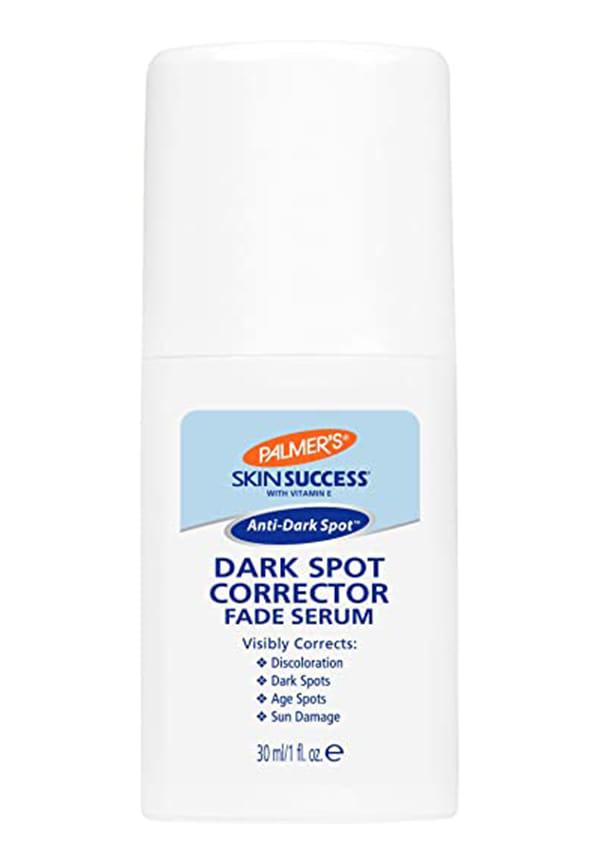
Skin Success Dark Spot Corrector Fade Serum
However, avoid mixing vitamin C with retinol or benzoyl peroxide in the same routine. These combinations can cause irritation and reduce effectiveness. Instead, use vitamin C in the morning and other actives in the evening.
Your skin type determines which acne scar treatment will work best. There's no one-size-fits-all solution, but there are smart ways to narrow down your options.
For oily, acne-prone skin, look for serums with niacinamide or salicylic acid as primary ingredients. These help control excess oil whilst fading marks. Sensitive skin responds well to gentle formulations with alpha arbutin or low-concentration vitamin C. Combination skin benefits from lightweight serums that won't clog pores in the T-zone whilst still addressing pigmentation.
If you have mature skin with acne scarring, consider serums that combine anti-ageing ingredients like peptides with mark-fading actives. This addresses multiple concerns without overloading your routine.
Effective concentrations matter. Look for niacinamide at 5-10%, vitamin C at 10-20%, and alpha arbutin at 1-2%. Higher isn't always better - it can lead to irritation without improved results. Check the pH level too - vitamin C serums should be around pH 3.5-4 for optimal absorption.
Packaging is crucial for ingredient stability. Dark glass bottles or opaque tubes protect light-sensitive ingredients like vitamin C. Avoid clear packaging for active ingredients - it's often a sign that the formula isn't optimised for long-term effectiveness.
Having the right serum is only half the battle. How you use it determines whether you'll see results or just waste product. Here's the method that actually works.
Start with clean skin - use a gentle cleanser that won't strip your skin's natural barrier. Pat your face dry, leaving it slightly damp. This helps the serum absorb better. Apply 2-3 drops of serum to your fingertips and gently press into the skin, focusing on areas with marks. Don't rub vigorously - gentle pressing motions work better.
Wait 10-15 minutes before applying your next product. This gives the active ingredients time to absorb properly. Follow with a lightweight moisturiser and always finish with SPF 30 or higher during the day. This step is non-negotiable - UV exposure can darken existing marks and create new ones.
Your morning routine should include gentle cleanser, vitamin C serum, moisturiser, and SPF. Keep it simple and protective. Your evening routine can include more active ingredients - start with cleanser, apply your chosen serum, follow with moisturiser.
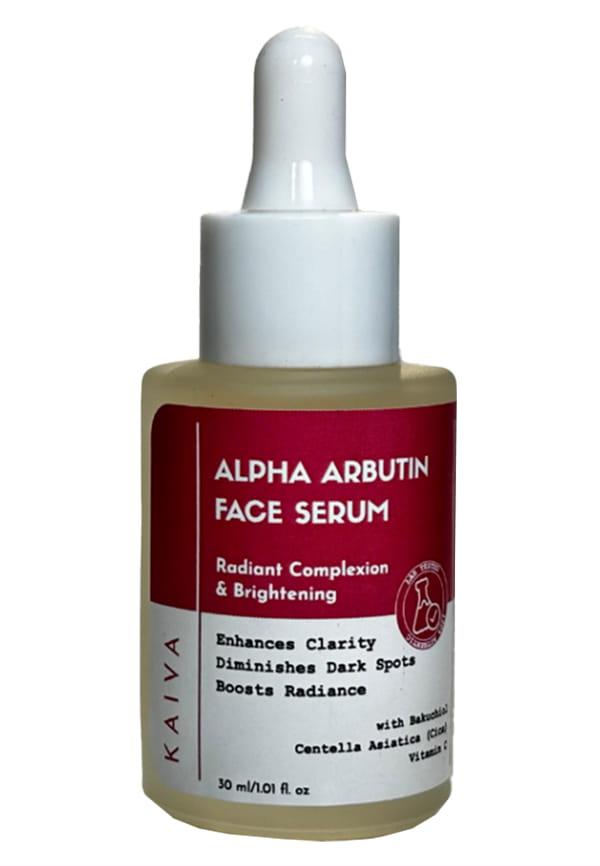
Alpha Arbutin & Vitamin C Brightening Serum with Bakuchiol
For enhanced results, add a gentle exfoliating treatment once or twice weekly. AHA or BHA treatments can help speed up cell turnover, making your serum more effective. Just don't overdo it - over-exfoliation can actually worsen pigmentation.
Real talk - fading acne marks takes time. Anyone promising overnight results is setting you up for disappointment. Here's what you can realistically expect.
Weeks 1-2 are about skin adjustment. You might notice improved texture or reduced oiliness, but marks won't fade yet. Some people experience initial purging - this is normal. Month 1 brings reduced inflammation and better oil control. Your skin should feel calmer and look less congested.
Months 2-3 are when visible mark fading begins. Light marks start becoming less noticeable, and overall skin tone becomes more even. Months 3-6 show significant improvement. Stubborn marks become lighter, and new breakouts heal faster without leaving marks.
Consistency is everything. Using your serum sporadically won't give you results. Daily application, even when you don't feel like it, makes the difference. Sun protection compliance is equally crucial - one day of unprotected sun exposure can undo weeks of progress.
Lifestyle factors like stress management, adequate sleep, and a balanced diet also influence how quickly your skin heals. High stress levels can slow down the healing process and make marks more prominent.
Even with the right products, common mistakes can sabotage your results. Let's address the most frequent issues people face when using blemish removal serum.
Over-application is surprisingly common. More product doesn't mean faster results - it often leads to irritation and waste. Stick to the recommended amount. Incorrect layering can also reduce effectiveness. Apply thinnest to thickest consistency, and always let each layer absorb before adding the next.
Skipping patch tests might seem like a time-saver, but it can lead to reactions that worsen pigmentation. Always test new products on a small area first. Inconsistent usage is perhaps the biggest mistake - using products sporadically won't give you the results you want.
Initial purging can look like worsening acne, but it's actually your skin clearing out congestion faster. This typically lasts 4-6 weeks. Adverse reactions include persistent redness, burning, or new breakouts that don't improve. If this happens, reduce frequency or switch to a gentler formula.
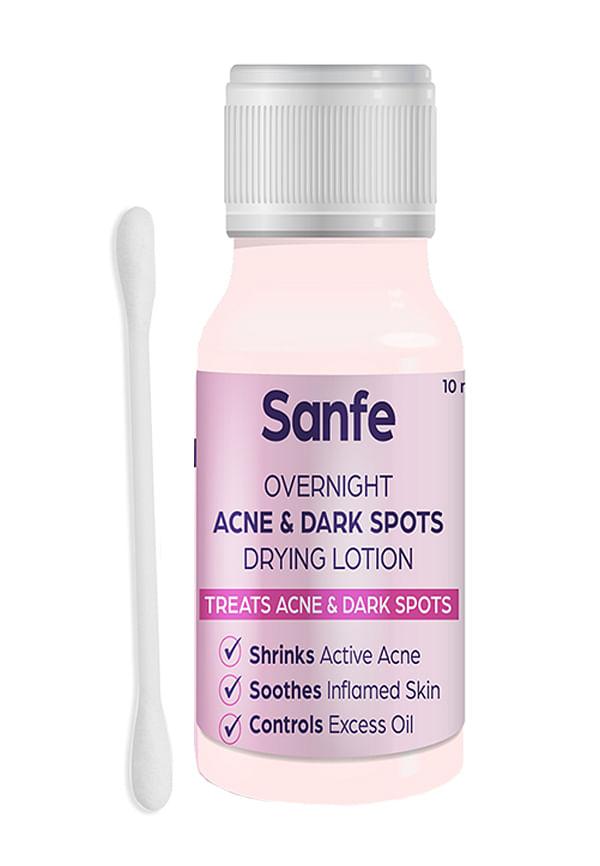
Overnight Acne & Dark Spots Drying Lotion
Good for Oily Skin & Pimples
5“bahut achcha pimples ke liye main use karti hun obesity Mera skin oily hai”
Good for Oily Skin & Pimples
5“bahut achcha pimples ke liye main use karti hun obesity Mera skin oily hai”
Good for Oily Skin & Pimples
5“bahut achcha pimples ke liye main use karti hun obesity Mera skin oily hai”
When adjusting concentration and frequency, start slowly. Use active ingredients every other day initially, then build up to daily use as your skin adapts. If irritation persists, consult a dermatologist - professional guidance can save you time and prevent further damage.
The best serum depends on your skin type and specific concerns. Niacinamide-based serums work well for most Indian skin types, offering oil control and mark fading without irritation. Vitamin C serums are excellent for overall brightening, whilst tranexamic acid targets stubborn pigmentation effectively.
Look for serums containing niacinamide, vitamin C, alpha arbutin, or tranexamic acid. These ingredients have proven efficacy in fading post-inflammatory hyperpigmentation. Combination serums that include multiple actives can be particularly effective for comprehensive treatment.
For fresh acne spots, serums with salicylic acid or niacinamide work well to reduce inflammation and prevent mark formation. For existing marks, vitamin C or alpha arbutin serums provide gentle but effective fading action over time.
Yes, but introduce them gradually and avoid conflicting ingredients. You can use vitamin C in the morning and niacinamide in the evening, or alternate days with different serums. Always patch test combinations before full application.
Most people see significant improvement within 3-6 months of consistent use. However, you can continue using gentle serums like niacinamide long-term for maintenance. Stronger actives might be used cyclically with breaks between treatments.
Fading acne marks isn't about finding a miracle cure - it's about understanding your skin, choosing the right ingredients, and staying consistent with your routine. The journey requires patience, but the results are absolutely worth it. Remember that everyone's skin responds differently, so what works for your friend might not be perfect for you.
Start with gentle, well-researched ingredients like niacinamide or vitamin C, introduce them slowly, and never skip sun protection. Your skin will thank you for the patience and care you show it during this process.
If you're curious about trying different formulations before committing to full-size products, platforms like Smytten offer a smart way to explore various brands and ingredients. With over 28 million users discovering products through trial sizes, it's become easier than ever to find what truly works for your unique skin needs. The key is starting somewhere and staying consistent - your clearer, brighter skin is absolutely achievable.
