How to Unlock Rosehip Oil Benefits for Radiant Skin
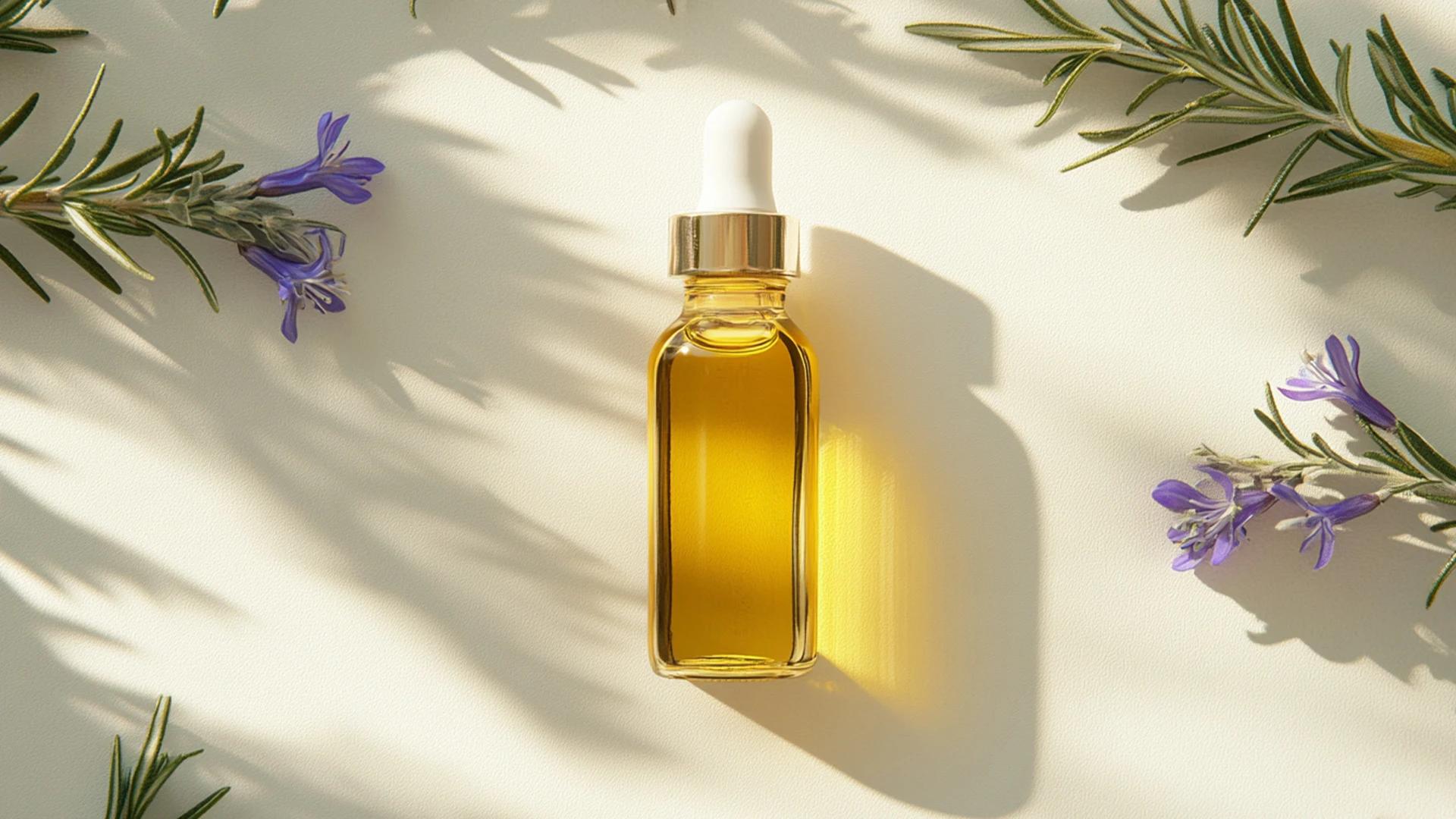

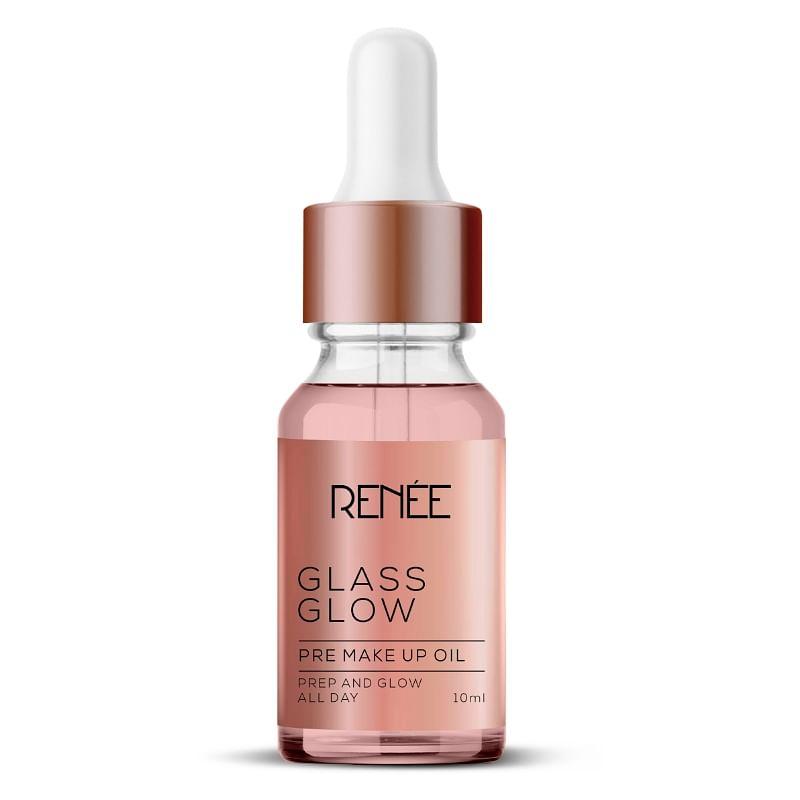
Glass Glow Pre Make Up Oil
Good product, gives glossy look
 5
5“good product loved it and gives glossy look”
Good product, gives glossy look
5“good product loved it and gives glossy look”
Good product, gives glossy look
5“good product loved it and gives glossy look”
Let's be real—skincare can feel like a maze sometimes. One day you're hearing about retinol, the next it's niacinamide, and then someone mentions rosehip oil and you're wondering if you've been missing out on something amazing. Well, here's the thing: rosehip oil benefits are actually worth getting excited about. This little golden elixir has been quietly working wonders for skin concerns from acne scars to fine lines, and it might just become your next skincare obsession. Whether you're dealing with stubborn dark spots, looking to boost hydration, or simply want that natural glow everyone's after, rosehip oil could be the gentle yet effective solution you've been searching for.
Picture this: after roses bloom and their petals fall away, they leave behind small, round fruits called rose hips. Inside these little powerhouses are seeds that, when cold-pressed, create one of nature's most potent skincare oils. Rosehip oil isn't actually made from rose petals (plot twist!), but from the seeds of specific rose species, particularly Rosa canina and Rosa rubiginosa.
What makes this oil such a big deal? It's packed with skin-loving compounds that work together like a dream team. We're talking vitamin C for brightening, vitamin A for cell renewal, essential fatty acids for barrier repair, and antioxidants that fight off environmental damage. The best part? Unlike some skincare ingredients that can be fussy about skin types, rosehip oil for face applications tend to play well with most complexions—from oily to dry, sensitive to resilient.
The science backing rosehip oil is pretty solid too. Studies have shown its effectiveness in improving skin texture, reducing hyperpigmentation, and supporting the skin's natural healing processes. It's like having a gentle, multi-tasking treatment that doesn't require a chemistry degree to understand.
Ready to dive into what this golden oil can actually do for your skin? The rosehip oil benefits for skin are pretty impressive, and here's the breakdown of why your complexion might thank you for making the switch.
Here's where rosehip oil really shines. The vitamin A content (in the form of natural retinoids) helps stimulate collagen production without the irritation that synthetic retinoids sometimes cause. This means smoother skin texture and fewer fine lines over time. The rosehip oil anti-aging properties work gradually but consistently, making it perfect for those who want results without the drama of harsh treatments.
Those stubborn dark spots from old breakouts or sun exposure? Rosehip oil's vitamin C content helps brighten and even out skin tone naturally. The rosehip oil hyperpigmentation benefits come from its ability to support cell turnover and inhibit excess melanin production. It's like having a gentle brightening treatment that works while you sleep.
If you're dealing with the aftermath of breakouts, rosehip oil acne scars treatment might be worth exploring. The oil's regenerative properties help improve skin texture and reduce the appearance of scarring over time. It's not an overnight miracle, but consistent use can lead to noticeable improvements in skin smoothness and tone.
Despite being an oil, rosehip oil absorbs beautifully without leaving that greasy film some oils are notorious for. The essential fatty acids help repair and strengthen your skin barrier, which means better moisture retention and that healthy, plump look we're all after.
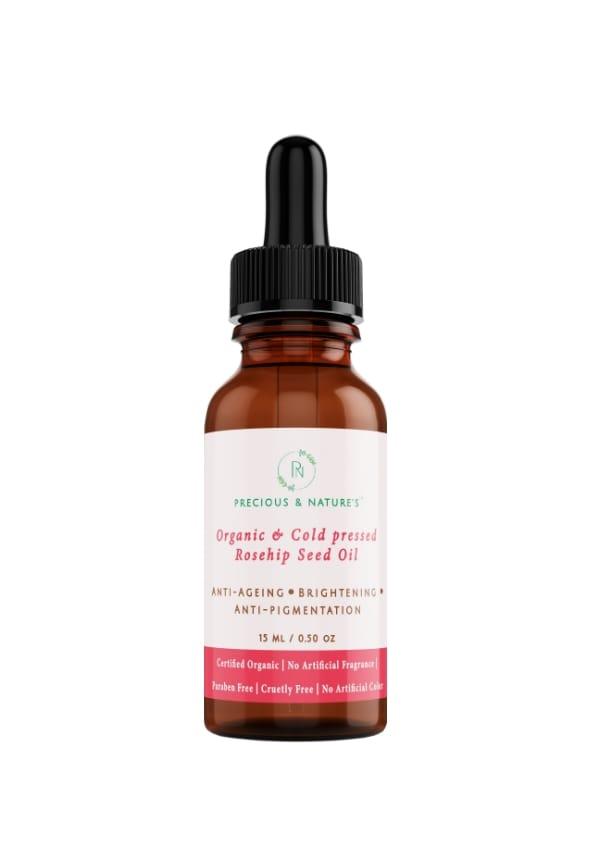
Certified Organic & Cold-pressed Rosehip Oil
While it's not a replacement for SPF (nothing is!), the antioxidants in rosehip oil help protect against environmental damage and support your skin's natural repair processes. Think of it as backup support for your sun protection routine.
Now that you're convinced about the rosehip oil uses, let's talk about actually incorporating it into your routine without causing chaos. The good news? It's pretty straightforward once you know the basics.
For most people, evening application works best. After cleansing and applying any water-based serums, warm 2-3 drops of rosehip oil between your palms and gently press into your skin. Start with every other night to see how your skin responds, then work up to daily use if all goes well.
Morning use is possible too, but remember to follow with SPF since some of the active compounds can increase photosensitivity. The key is listening to your skin and adjusting accordingly.
The golden rule of rosehip oil skincare layering: thinnest to thickest consistency. Apply rosehip oil after water-based serums but before heavier creams. It plays nicely with most ingredients, though you might want to avoid using it at the same time as strong acids or retinoids initially—your skin will tell you what it can handle.
Less is definitely more with rosehip oil. A few drops go a long way, and overdoing it can lead to clogged pores or irritation. Start with 2-3 times per week and gradually increase if your skin is loving it. Your complexion will guide you on the perfect frequency.
Let's get specific about how rosehip oil tackles different skin issues. Because while it's great for general skin health, knowing how to target particular concerns can help you get the most out of your bottle.
For rosehip oil acne scars, patience is key. The oil works by supporting your skin's natural healing process, which means results typically show up after 6-12 weeks of consistent use. Apply directly to scarred areas or use all over for general improvement. Some people find combining it with gentle exfoliation (like a mild AHA) speeds up the process, but introduce new products slowly.
The anti-inflammatory properties make rosehip oil eczema treatment a gentle option for reactive skin. The essential fatty acids help restore the skin barrier, which is often compromised in eczema-prone skin. Always patch test first, and consider mixing a drop into your regular moisturiser for extra gentleness.
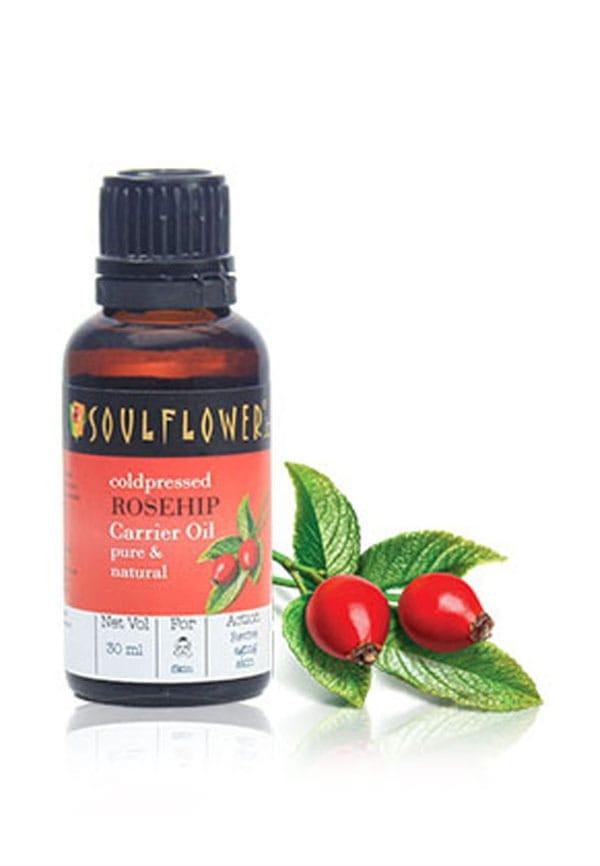
Coldpressed Rosehip Carrier Oil
For rosehip oil wrinkles and general anti-ageing benefits, consistency trumps intensity. The natural retinoids work more gently than synthetic versions, making this a good option for those who find traditional retinol too harsh. Focus on areas where you're seeing early signs of ageing, and remember that prevention is just as important as correction.
Not all rosehip oils are created equal, and knowing what to look for can make the difference between amazing results and disappointment. Quality matters more than you might think with this ingredient.
Cold-pressed rosehip oil retains more of those beneficial compounds we talked about earlier. Heat processing can destroy delicate vitamins and antioxidants, so while cold-pressed options might cost a bit more, they're usually worth it for the potency. Look for oils that specifically mention cold-pressing on the label.
Organic rosehip oil ensures you're not getting any unwanted pesticide residues along with your skincare benefits. Since you're applying this directly to your face, purity matters. Certified organic options also tend to have better quality control throughout the production process.
Rosehip oil is prone to oxidation, which can make it less effective and potentially irritating. Store it in a cool, dark place (the fridge works great), and look for dark glass bottles that protect from light. Fresh oil should have a light, slightly nutty scent—if it smells fishy or rancid, it's time for a new bottle.
This is where platforms like Smytten become incredibly valuable for skincare enthusiasts. As India's largest product discovery platform, Smytten lets you try mini versions of rosehip oil products from trusted brands before committing to full-size purchases. With trial packs from over 1,500 brands, you can explore different formulations and find the perfect rosehip oil for your skin without the guesswork or waste.
While rosehip oil is generally well-tolerated, it's always smart to know what to watch out for. Even natural ingredients can cause reactions in some people, so let's cover the safety basics.
Rose allergies are relatively rare, but they do exist. Always patch test new products on a small area of skin (like behind your ear or on your inner wrist) and wait 24-48 hours before applying to your face. Signs of sensitivity include redness, itching, burning, or unusual breakouts.
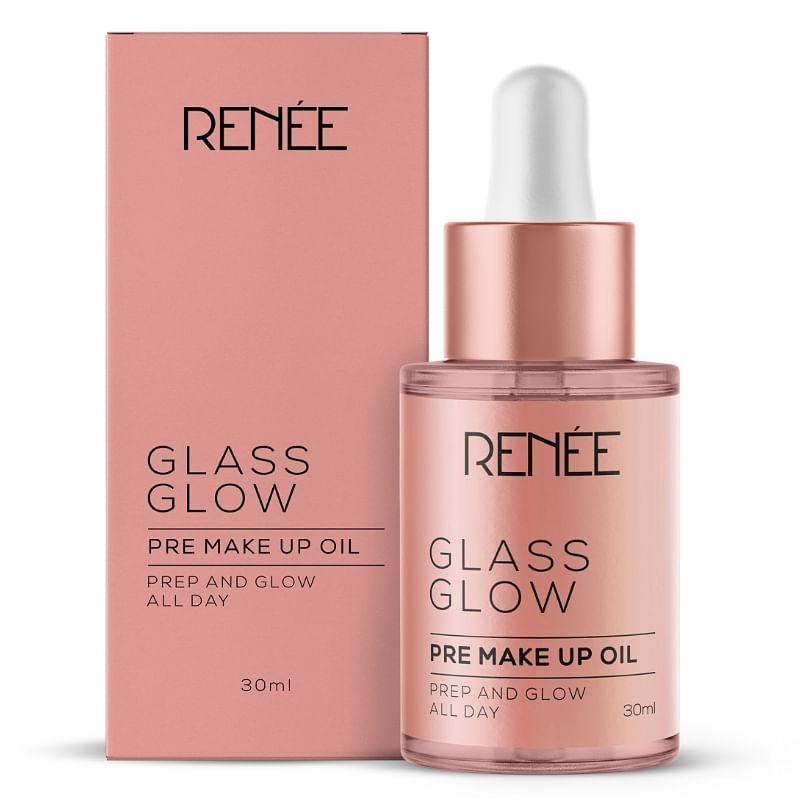
Glass Glow Pre Make Up Oil
Lightweight & Glowing Skin
5“Very light weight on skin and gives a nice glow to face”
Excellent Product
5“very very good product.. l love this product”
Soft Skin Texture
5“soft texture after applying on face...”
The natural vitamin A content in rosehip oil is generally considered safe during pregnancy, but it's always worth checking with your healthcare provider if you're expecting or nursing. Some people also find that rosehip oil increases their skin's sensitivity to sun, so extra SPF vigilance is important.
More isn't always better with rosehip oil. Using too much or too frequently can overwhelm your skin and potentially cause breakouts or irritation. Start slowly, pay attention to how your skin responds, and adjust accordingly. If you're using other active ingredients like retinoids or acids, introduce rosehip oil gradually to avoid overloading your skin.
Yes, most people can use rosehip oil daily once their skin has adjusted to it. Start with 2-3 times per week and gradually increase frequency. Oily skin types might prefer every other day, while dry skin often benefits from daily use. Listen to your skin—it'll tell you what works best.
For hydration and general skin improvement, you might notice changes within 2-4 weeks. For concerns like acne scars or hyperpigmentation, expect 6-12 weeks of consistent use before seeing significant results. Anti-ageing benefits typically become apparent after 2-3 months of regular application.
They work differently—retinol is more potent for cell turnover and collagen production, while rosehip oil is gentler and provides additional benefits like hydration and antioxidant protection. Many people find rosehip oil a good starting point for anti-ageing or use it alongside retinol for enhanced benefits.
While rosehip oil is non-comedogenic for most people, any new product can potentially cause breakouts, especially if you're using too much or have particularly sensitive skin. Start with a small amount and patch test first. If breakouts occur, reduce frequency or discontinue use.
Evening application is generally recommended since some of the active compounds can increase photosensitivity. If you prefer morning use, always follow with a broad-spectrum SPF. Many people find their skin looks more radiant in the morning after overnight application.
The rosehip oil benefits are pretty compelling when you look at the whole picture. From supporting your skin's natural healing processes to providing gentle anti-ageing effects, this golden oil offers a natural approach to many common skin concerns. Whether you're dealing with acne scars, looking to boost hydration, or simply want that healthy glow, rosehip oil might be worth adding to your routine.
The key to success with any new skincare ingredient is patience and consistency. Start slowly, pay attention to how your skin responds, and give it time to work its magic. Remember that skincare is deeply personal—what works amazingly for your friend might not be perfect for you, and that's completely normal.
With Smytten's trial packs, you can explore different rosehip oil formulations from trusted brands without the commitment of full-size purchases. Getting up to 8 minis for just ₹249, plus 100% cashback redeemable for future orders, makes discovering your perfect rosehip oil both affordable and risk-free. After all, why settle for 'maybe' when you can try it all and find what truly works for your unique skin needs?
