How to Understand Your Retinol Purging Timeline Explained

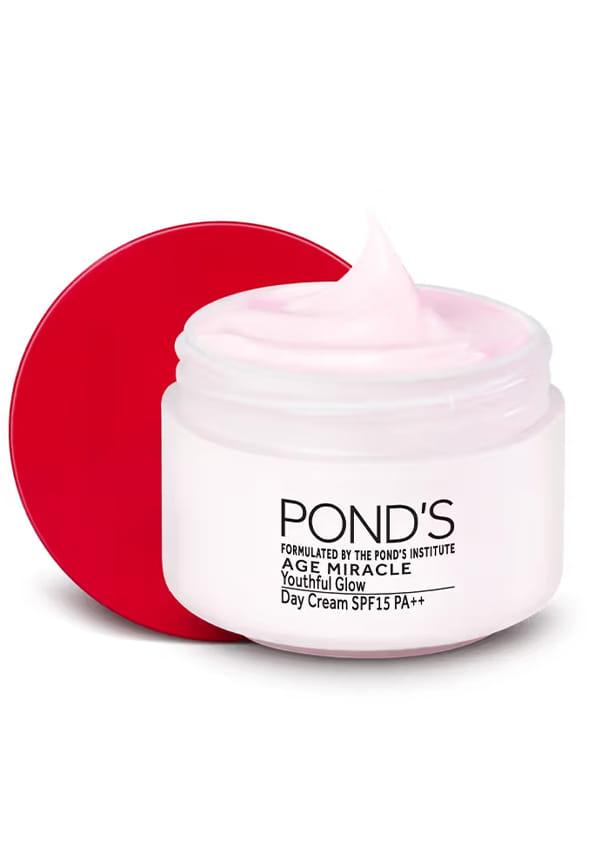
Youthful Miracle Hexyl Retinol Complex, Renew & Repair Day Cream SPF 15 PA++
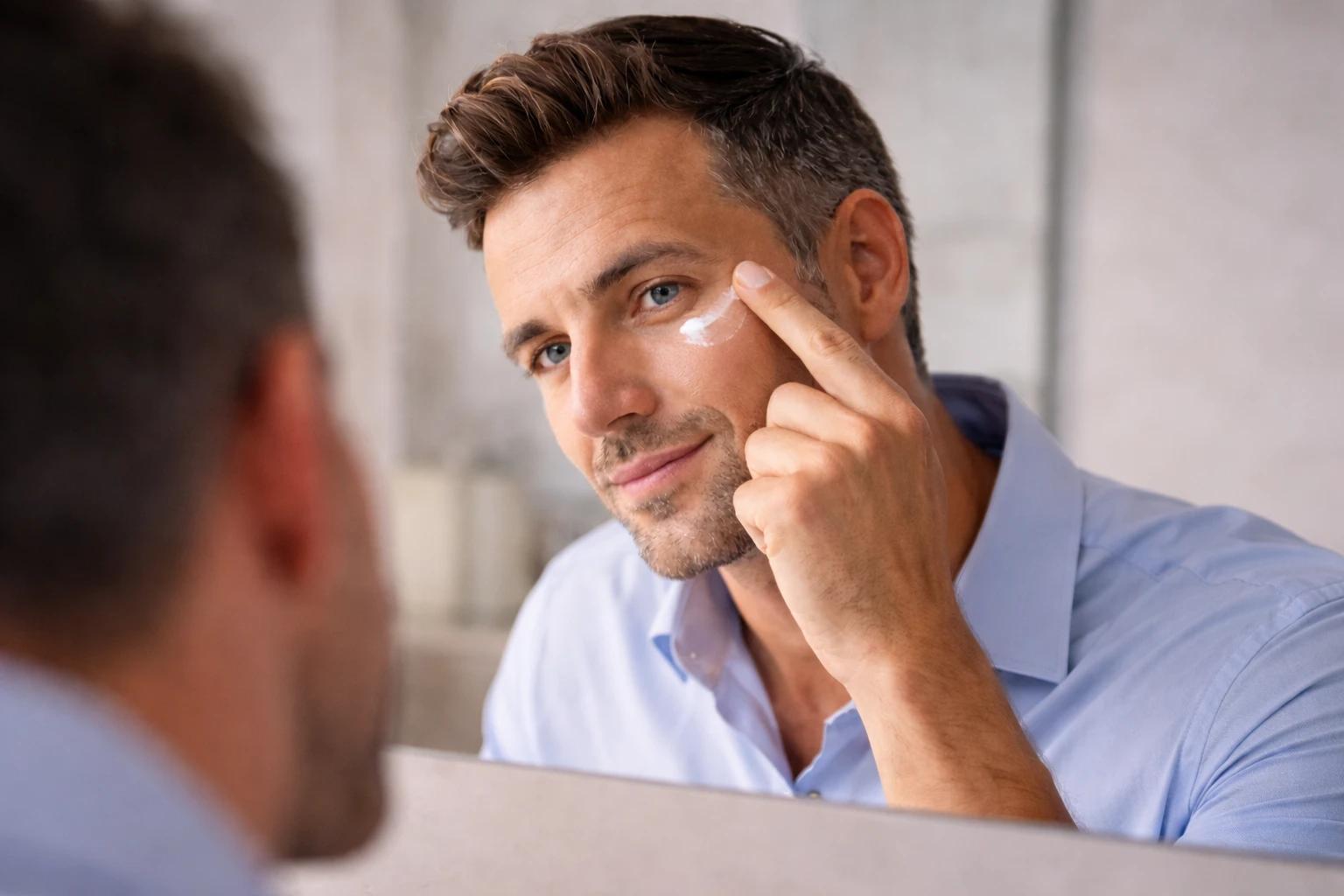
Starting a retinol routine can feel like stepping into uncharted territory. One day your skin looks fine, and the next, you're dealing with unexpected breakouts that make you question everything. Here's the thing though—what you're experiencing might not be your skin rebelling against retinol. It could actually be purging, which is completely normal and, believe it or not, a good sign. Understanding the retinol purging timeline explained can help you navigate this phase with confidence and know exactly what to expect along the way.
Let's get real about what skin purging actually means. When you introduce retinol into your skincare routine, it speeds up your skin's natural cell turnover process. Think of it as your skin working overtime to push out all the gunk that's been hiding beneath the surface. This retinoid reaction brings existing microcomedones (tiny, invisible clogs) to the surface faster than usual, creating what looks like a sudden breakout.
The science behind this process is pretty fascinating. Retinol increases cellular turnover from the typical 28-day cycle to about 14-21 days. This acceleration means everything lurking in your pores—dead skin cells, oil, bacteria—gets fast-tracked to the surface. It's your skin's way of clearing house before revealing the smoother, clearer complexion underneath.
Here's what makes purging different from regular breakouts:
Purging happens in areas where you typically break out
It occurs within 1-2 weeks of starting retinol
The breakouts are usually smaller and heal faster
Your skin gradually improves over 4-6 weeks
Regular breakouts can happen anywhere and don't follow this timeline
Not everyone experiences purging, but it's more common if you're prone to acne or have been dealing with clogged pores. People with sensitive skin might also notice more pronounced retinol side effects during this adjustment period.
Understanding what happens when can help you stay committed to your retinol routine instead of throwing in the towel too early. Here's your week-by-week breakdown of what to expect during the purging process.
This is when the magic (and chaos) begins. Your skin starts responding to retinol's accelerated cell turnover, and you might notice some immediate changes. Don't panic if you see small bumps or whiteheads appearing—this is totally normal.
During this phase, you might experience mild dryness, slight redness, or a tight feeling in your skin. Some people also notice a bit of flaking, especially around the nose and chin areas. These are all signs that retinol is doing its job.
Week three and four are often the most challenging part of your retinol purging timeline explained. This is when purging typically reaches its peak, and you might feel like your skin looks worse than when you started. Stay strong—this is actually a good sign that retinol is working.
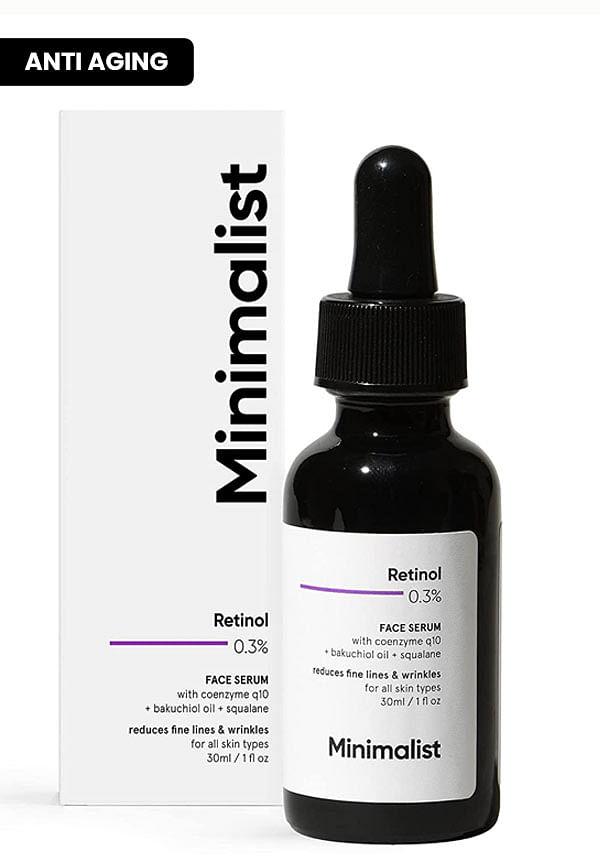
0.3% Retinol Face Serum With Anti-Aging Property With Q10
Effective Product
 5
5“nice product must try give best results”
Effective & Gentle Retinol Serum
4“A high-performance, budget-friendly retinol serum that effectively targets signs of aging, uneven texture, and loss of firmness. The Squalane base makes it remarkably gentle for a 0.3% concentration while keeping the skin barrier nourished.”
Working for 45+ Age Group
5“okay so my mom is trying it for her aunty agses 45 + now and I guess it's working kind of good for her”
During this phase, you'll likely see more retinol breakout activity in your usual problem areas. The key is remembering that these aren't new problems—they're existing issues being brought to the surface faster than usual. Your skin might feel more sensitive, so gentle care is crucial right now.
Here's where things start looking up. Most people wonder how long does retinol purging last, and the answer is usually around 4-6 weeks. By week five, you should start seeing the light at the end of the tunnel.
The frequency of new breakouts begins to decrease, and existing blemishes heal faster. You might also start noticing some of retinol's benefits—smoother texture, more even skin tone, and a subtle glow that wasn't there before.
Welcome to the good part. By week seven and beyond, most people see significant improvements in their skin. The purging phase is behind you, and retinol's long-term benefits start becoming obvious.
Your skin should look clearer, feel smoother, and have a more even texture. Fine lines might appear softer, and your overall complexion should have that healthy glow everyone talks about when they rave about retinol.
Knowing the difference between normal purging and an allergic reaction is crucial for your skin's safety. While purging is temporary and beneficial, an allergic reaction requires immediate attention and discontinuation of the product.
Normal retinol purging typically appears as small whiteheads, blackheads, or minor inflammatory bumps in areas where you usually break out. The breakouts are generally smaller than your typical spots and heal relatively quickly. You might also experience some dryness and mild irritation, but nothing severe.
Red flags that indicate an allergic reaction include:
Severe burning or stinging that doesn't subside
Widespread redness beyond your usual breakout zones
Swelling or hives
Intense itching
Blistering or severe peeling
Breakouts in areas where you never typically get spots
If you experience any of these symptoms, stop using retinol immediately and consult a dermatologist. Your skin's safety always comes first, and there's no shame in needing professional guidance.
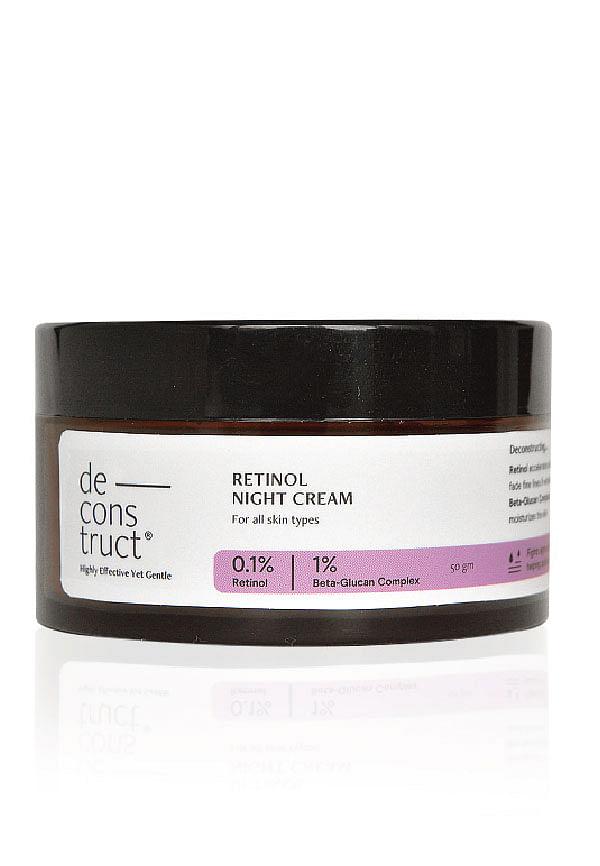
Retinol night cream - 0.1% Retinol + 1% Beta-Glucan Complex
Good, Worth Buying
5“it is really good worth buying”
Amazing Product
5“guud amazing wow happy for good product”
Quick Visible Results
5“amazing visible results in one week of use”
The good news is that you don't have to suffer through the purging process. There are several strategies to make this phase more manageable and reduce the intensity of retinol side effects.
This gradual approach helps your skin build tolerance without overwhelming it. Start by using retinol once a week for the first week, twice a week for the second week, and three times a week for the third week. After completing this introduction phase, you can gradually increase frequency based on how your skin responds.
This method significantly reduces the severity of purging and helps your skin adjust more comfortably to retinol's effects.
Your skincare routine during purging should focus on gentle support and hydration. Use a mild, non-stripping cleanser and follow up with a rich, nourishing moisturiser. Hyaluronic acid serums can provide extra hydration without clogging pores.
Avoid harsh scrubs, strong acids, or any other active ingredients that might irritate your skin further. This isn't the time to experiment with new products—stick to gentle, proven formulas that support your skin barrier.
Creating a sustainable retinol routine is key to long-term success. Start with a low concentration (0.25% or 0.5%) and gradually work your way up as your skin builds tolerance. Apply retinol to clean, dry skin in the evening, and always follow with a good moisturiser.
Timing matters too. Use retinol at night since it can make your skin more sensitive to sunlight. Never skip sunscreen during the day—retinol increases photosensitivity, making sun protection absolutely essential.
When building your routine, layer products correctly. Apply retinol after cleansing but before moisturiser. If you're using other serums, apply them first, wait a few minutes, then apply retinol. This helps minimise irritation while maximising benefits.
Consider trying different retinol formulations through trial sizes before committing to full-size products. This approach lets you find what works best for your skin without the financial commitment. Smytten offers curated trial packs from trusted skincare brands, making it easy to explore different retinol options before finding your perfect match.
While purging is normal, there are times when professional guidance becomes necessary. If your skin doesn't improve after 6-8 weeks, or if you experience severe irritation, it's time to consult a dermatologist.
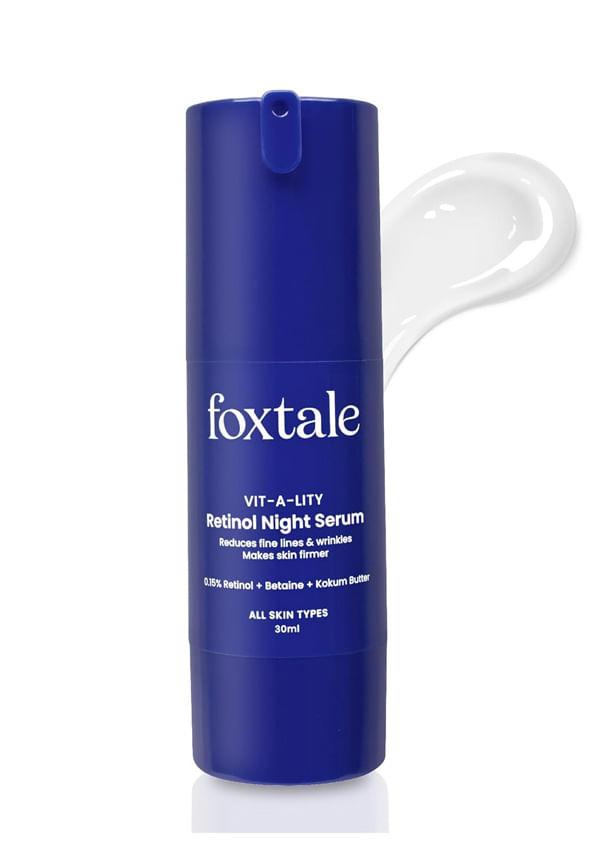
0.15% Beginner Friendly Retinol Night Serum, Anti-Aging Night Cream
Light and Fast Absorbing
5“light on face it's my first order now I am start using it get result I will share but it's fast absorbing and light on skin”
Light and Fast Absorbing
5“light on face it's my first order now I am start using it get result I will share but it's fast absorbing and light on skin”
Nice Product Genuinely
5“this product was so nice geniunely”
Professional help is also recommended if you have sensitive skin conditions like rosacea or eczema. A dermatologist can recommend the right retinol concentration and provide personalised advice for your specific skin type.
Don't hesitate to seek help if you're unsure about what you're experiencing. Professional guidance can save you time, money, and potential skin damage. Remember, everyone's skin is different, and what works for others might not work for you.
Most retinol purging timelines last 4-6 weeks as your skin adjusts to increased cell turnover. Breakouts typically calm down after about a month, revealing clearer, smoother skin.
Use retinol once weekly for week 1, twice weekly for week 2, and three times weekly for week 3. After completing this gradual introduction, you can use retinol more frequently as tolerated.
Retinol purging appears as temporary acne flares in areas where you typically break out, occurring within 1-2 weeks of starting treatment. Unlike allergic reactions, purging improves over time.
Retinol purging typically appears as small whiteheads, blackheads, or minor inflammatory bumps in your usual breakout zones, accompanied by mild dryness and flaking.
Retinol purging usually begins within the first 1-2 weeks of starting a retinoid product, coinciding with your skin's accelerated cell turnover process.
Understanding your retinol purging timeline explained helps you approach this skincare journey with realistic expectations and confidence. Remember, purging is temporary, but the benefits of retinol are long-lasting. The key is patience, gentle care, and consistency.
If you're just starting your retinol journey, consider exploring different formulations through trial sizes first. Smytten's curated trial packs let you discover products from trusted brands like Cetaphil and Dot & Key without committing to full sizes. With over 1,500 brands available and the ability to try up to 8 minis for just ₹249, you can find your perfect retinol match while earning 100% cashback for future purchases. This approach takes the guesswork out of building an effective acne treatment routine that actually works for your skin.
Your skin's journey is unique, and what works for others might need tweaking for you. Stay patient, listen to your skin, and don't hesitate to adjust your routine as needed. With the right approach and realistic expectations, retinol can become your skin's best friend rather than a source of stress.
