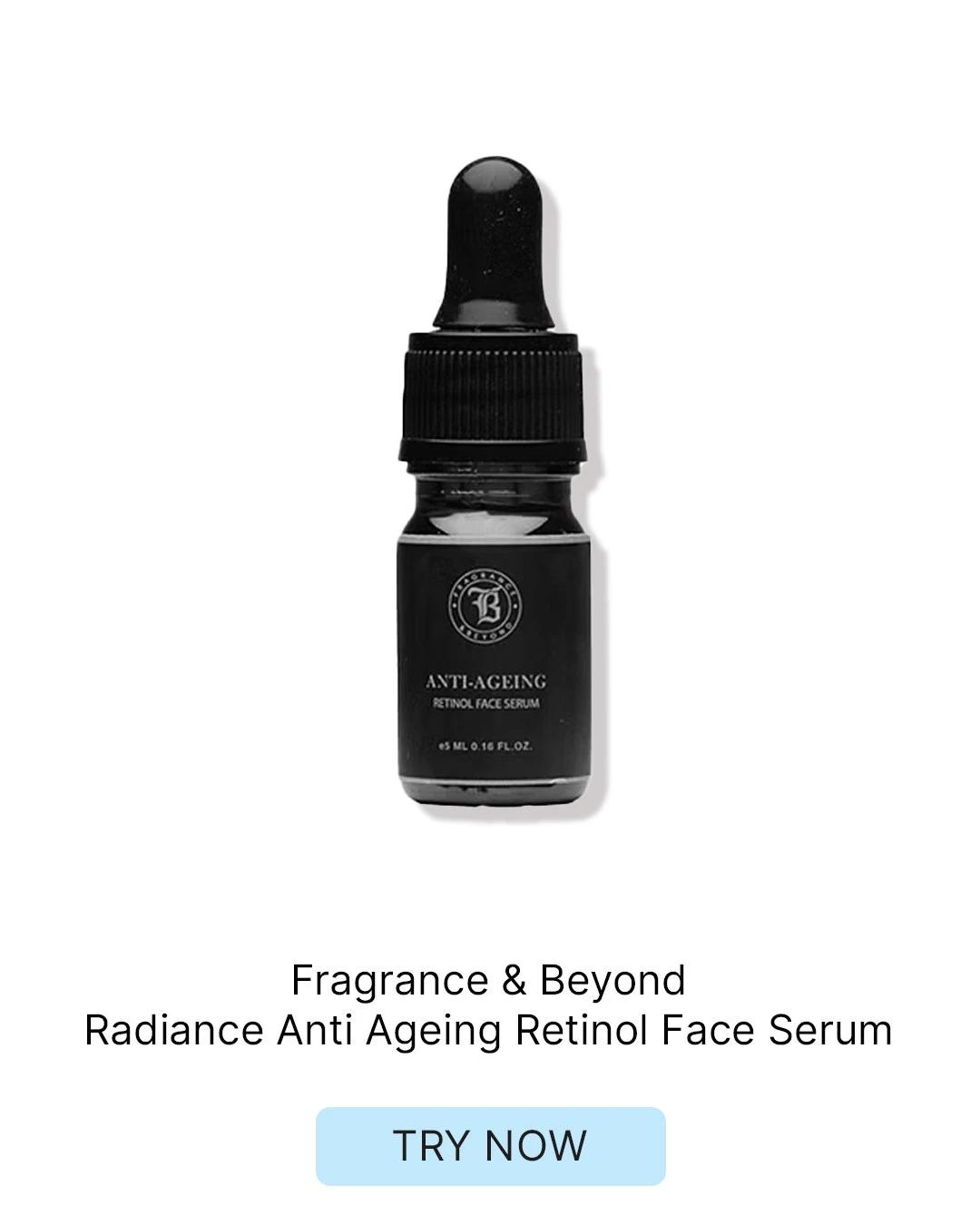
Skincare
•06 min read

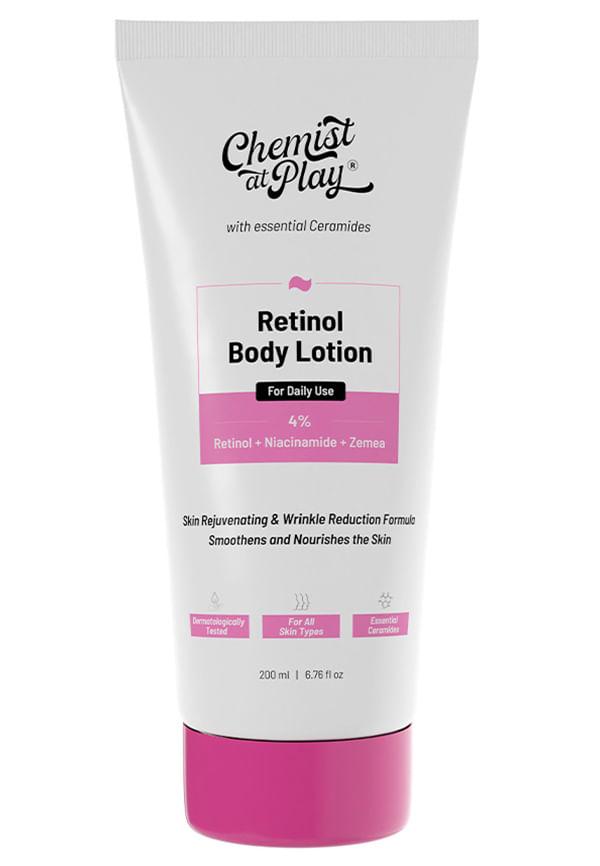
Anti-Aging Body Lotion with 4% Retinol, Niacinamide & Zemea
User-friendly for Beginners
 5
5“amazing product -user friendly for beginners”
Nice, Quick-absorbing Lotion
4“bery nice lotion. it absorbs quickly into the skin and hydrates it instantly.”
Impressed with Retinol
4“I bought this because I wanted to start a "retinol routine" for my body, and I'm impressed”
Those little brown spots that seem to appear out of nowhere on your hands, face, or shoulders? You're not alone in wondering where they came from. Age spots, also known as liver spots or solar lentigines, are one of the most common signs of skin aging that many of us will encounter. Understanding the causes of age spots is the first step towards better skin health and prevention. Let's dive into what's really happening beneath your skin and why these spots develop over time.
Age spots are flat, brown, black, or grey patches that typically measure between 0.5 to 3 centimetres across. Unlike freckles, which tend to fade in winter, age spots stick around year-round and are most commonly found on areas that get the most sun exposure - your face, hands, shoulders, arms, and upper back.
The term "liver spots" is actually a bit misleading since these skin blemishes have nothing to do with your liver function. They're called solar lentigines in medical terms, which literally means "sun spots" - a much more accurate description of their true origin.
Most people start noticing age spots after 50, though they can appear earlier if you've had significant UV damage throughout your life. The key difference between age spots and other types of skin discoloration is their flat appearance and well-defined borders. They don't feel raised or textured like some other skin growths.
Here's the real talk: the main culprit behind age spots is years of sun exposure. When ultraviolet light hits your skin, it triggers your body to produce more melanin - the pigment that gives your skin its colour and helps protect against further damage.
Think of it like this: every time you've been in the sun without proper protection, your skin has been keeping score. The UV damage accumulates over decades, and eventually, some areas of your skin start producing melanin in overdrive. This leads to those concentrated patches we call age spots.
Tanning beds are just as guilty as natural sunlight when it comes to causing hyperpigmentation. The artificial UV light from tanning beds can actually be more intense than natural sunlight, accelerating the development of age spots and other signs of skin aging.
The most dangerous times for UV exposure are between 10 a.m. and 4 p.m., when the sun's rays are strongest. If you've spent years working outdoors, playing sports, or simply enjoying beach holidays during these peak hours without adequate protection, you're more likely to develop age spots later in life.
To really understand the causes of age spots, we need to look at what's happening with melanin production in your skin. Normally, melanin is your skin's natural defence system - it's produced by cells called melanocytes to protect your DNA from UV damage.
When everything's working as it should, melanin is distributed evenly across your skin, giving you a uniform tan or your natural skin tone. But after years of sun exposure, some melanocytes become overactive and start clumping together. Instead of spreading melanin evenly, these cells create concentrated patches of pigmentation.
As we age, our skin's ability to repair itself slows down. The cellular regeneration process that once helped maintain even skin tone becomes less efficient. This means that areas of concentrated melanin - your age spots - become more permanent and noticeable over time.
Your genes play a significant role in how susceptible you are to developing age spots. If your parents or grandparents had noticeable solar lentigines, there's a good chance you might develop them too.
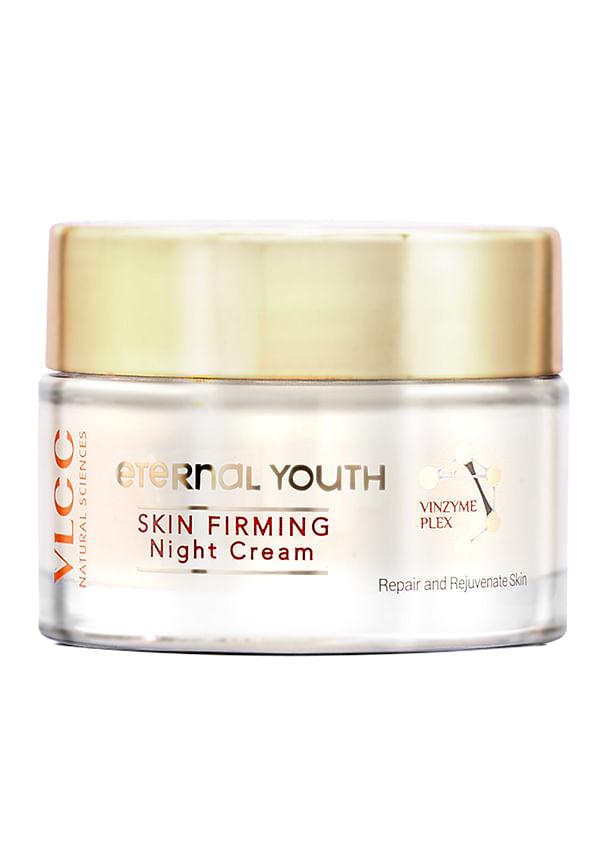
VLCC Eternal Youth Skin Firming Night Cream Reverse Signs of Ageing (50 g)
People with lighter skin tones are generally more prone to age spots because they have less natural melanin protection. However, anyone can develop these spots regardless of their ethnic background or natural skin colour.
Hormonal fluctuations, particularly during menopause, can affect how your skin produces and distributes melanin. The decline in oestrogen levels can make your skin more sensitive to UV damage and more prone to developing skin discoloration.
As we age, our skin's natural repair mechanisms slow down significantly. The cellular turnover that once helped maintain even skin tone becomes less efficient, making existing pigmentation issues more pronounced.
Whilst sun exposure remains the primary cause, certain nutritional deficiencies can contribute to skin discoloration. Vitamin B12 deficiency, in particular, has been linked to various forms of hyperpigmentation.
Chronic stress can also impact your skin's health by affecting cellular repair processes and potentially making your skin more susceptible to damage from environmental factors.
The good news is that understanding the causes of age spots puts you in a powerful position to prevent them. Since UV damage is the main culprit, your best defence is consistent sun protection.
Daily application of broad-spectrum SPF 30 or higher sunscreen is non-negotiable, even on cloudy days. UV rays can penetrate clouds and cause damage year-round. Make sure to reapply every two hours when you're outdoors.
Protective clothing is your second line of defence. Wide-brimmed hats, long-sleeved shirts, and sunglasses can significantly reduce your sun exposure. Look for clothing with UPF (Ultraviolet Protection Factor) ratings for extra protection.
Timing matters too. Try to schedule outdoor activities before 10 a.m. or after 4 p.m. when UV rays are less intense. If you must be outside during peak hours, seek shade whenever possible.
Antioxidant-rich foods and skincare products can help support your skin's natural defence mechanisms. Vitamin C, vitamin E, and other antioxidants help neutralise free radicals caused by UV damage.
Whilst most age spots are harmless, it's important to monitor any changes in your skin blemishes. Normal age spots have well-defined borders, uniform colour, and remain flat against your skin.
You should consult a dermatologist if you notice spots that are asymmetrical, have irregular borders, show colour variation within the same spot, have a diameter larger than 6mm, or are evolving in size, shape, or colour. These could be signs of more serious skin conditions.
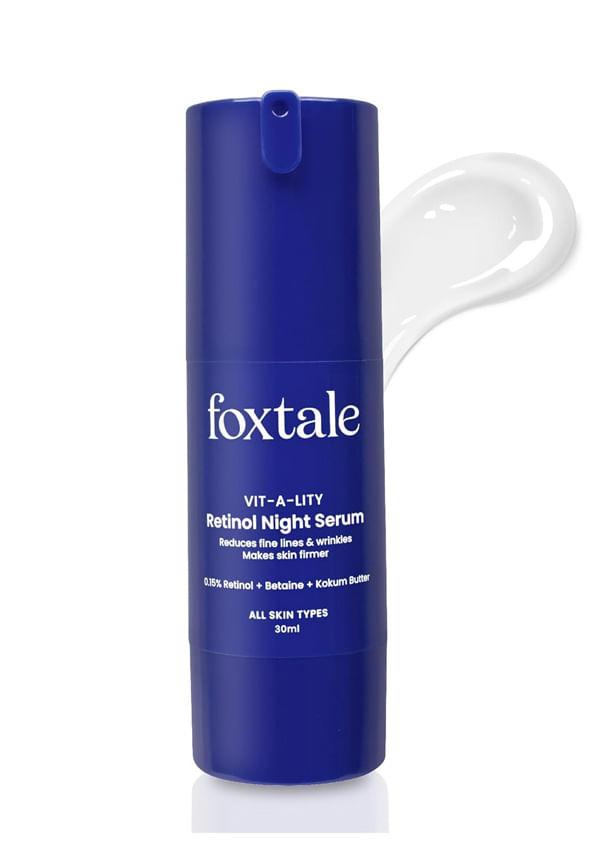
0.15% Beginner Friendly Retinol Night Serum, Anti-Aging Night Cream
Light and Fast Absorbing
5“light on face it's my first order now I am start using it get result I will share but it's fast absorbing and light on skin”
Light and Fast Absorbing
5“light on face it's my first order now I am start using it get result I will share but it's fast absorbing and light on skin”
Nice Product Genuinely
5“this product was so nice geniunely”
Regular self-examinations can help you track changes in your skin. Take photos of any spots you're concerned about so you can monitor them over time. This documentation can be valuable information for your dermatologist.
If you're exploring skincare solutions for hyperpigmentation, platforms like Smytten make it easier to try different products before committing to full sizes. With trial packs from trusted brands like Cetaphil and Dot & Key, you can discover what works for your skin without the guesswork. After all, when it comes to skincare, why settle for 'maybe' when you can try it all?
Age spots don't actually appear suddenly - they're the result of years of accumulated UV damage. What seems sudden is often just the point where the hyperpigmentation becomes noticeable enough to catch your attention. Overactive melanocytes finally produce enough concentrated pigmentation to create visible spots.
Vitamin B12 deficiency has been linked to various forms of skin discoloration, though sun exposure remains the primary cause of age spots. Other nutritional factors that may contribute include deficiencies in vitamin C and vitamin E, which are important for skin health and protection against oxidative damage.
Your genetic makeup affects how your skin responds to UV damage and produces melanin. If your family members have solar lentigines, you're more likely to develop them too. People with lighter skin tones are generally more susceptible due to lower baseline melanin protection.
Whilst stress doesn't directly cause age spots, chronic stress can impact your skin's ability to repair itself and may make you more susceptible to UV damage. Stress can also affect hormone levels, which may influence melanin production and skin aging processes.
Age spots typically develop on areas that receive the most sun exposure over time - your face, hands, shoulders, and upper back. These areas have accumulated the most UV damage throughout your life, making them more prone to developing concentrated areas of pigmentation.
Understanding the causes of age spots empowers you to take control of your skin health. The primary culprit is cumulative sun exposure over time, which leads to overactive melanin production and concentrated pigmentation. Whilst genetics and other factors play a role, consistent sun protection remains your best defence against developing new solar lentigines.
Remember, prevention is always easier than treatment. Daily sunscreen, protective clothing, and smart timing of outdoor activities can significantly reduce your risk of developing age spots. If you're already dealing with skin discoloration, monitoring changes and consulting with a dermatologist ensures you're taking the right approach for your skin.
The journey to healthier skin doesn't have to be overwhelming. With platforms like Smytten offering trial-sized products from over 1,500 trusted brands, you can explore different skincare solutions without the commitment. Whether you're looking for sun protection, antioxidant serums, or treatments for existing hyperpigmentation, trying before buying makes perfect sense. After all, your skin deserves the best care, and finding the right products shouldn't be a guessing game.
