How to Treat Mouth Area Pigmentation Effectively


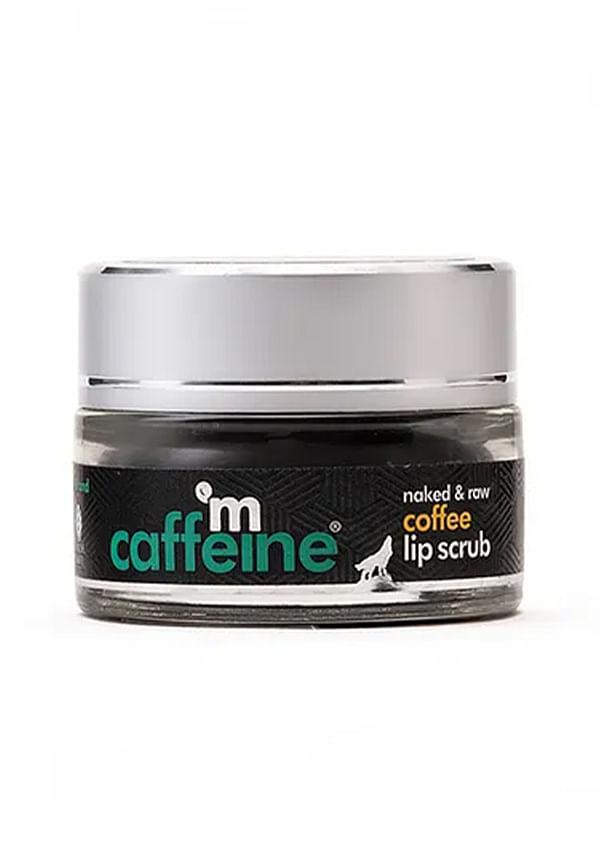
Coffee Lip Scrub for Chapped Lips | Reduces Tan & Pigmentation
Dealing with mouth area pigmentation can feel like a proper nightmare, especially when it affects your confidence. Those dark spots around mouth areas or uneven skin tone patches don't just appear overnight—they're usually the result of multiple factors working together. The good news? Perioral hyperpigmentation is totally treatable with the right approach. Whether you're dealing with hormonal changes, nutritional gaps, or just need better skincare habits, there are proven ways to tackle this issue head-on.
Mouth area pigmentation, also known as perioral hyperpigmentation, happens when your skin produces excess melanin around your lips and mouth. This creates those frustrating dark patches that seem to stick around no matter what you try. The thing is, this condition is way more common than you might think—affecting people across all skin types and ages.
The pigmentation usually shows up as dark spots around mouth areas, creating an uneven skin tone that can make you feel self-conscious. But here's what you need to know: it's not permanent, and with consistent care, you can definitely see improvement.
Getting to the bottom of what's causing your pigmentation is crucial for choosing the right treatment. Let's break down the main culprits behind those stubborn dark patches.
Hormones are often the biggest troublemakers when it comes to melasma around mouth areas. During pregnancy, many women develop what's called the "pregnancy mask"—dark patches that appear due to increased oestrogen and progesterone levels.
PCOS, birth control pills, and hormone replacement therapy can also trigger similar pigmentation issues. Your skin basically goes into overdrive producing melanin when hormones fluctuate.
Your diet plays a bigger role than you might expect. Vitamin B12 deficiency is particularly linked to dark patches around the mouth area. When your body lacks this essential vitamin, it can trigger melanin overproduction in certain areas.
Vitamin D insufficiency is another common cause that often gets overlooked. These nutrient gaps don't just affect your energy levels—they can literally show up on your skin.
Sun exposure is probably the most preventable cause of mouth area pigmentation. UV rays trigger melanin production, and the delicate skin around your mouth is particularly vulnerable.
Chronic lip licking might seem harmless, but the constant moisture and irritation from saliva can actually cause lip discoloration over time. Smoking is another major contributor, causing both direct pigmentation and reducing blood flow to the area.
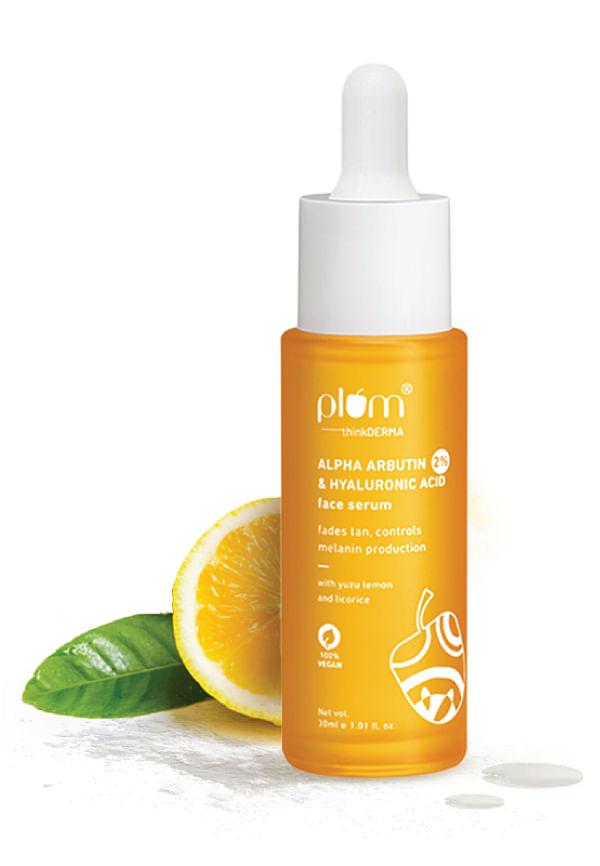
2% Alpha Arbutin & Hyaluronic Acid Face Serum
Sometimes pigmentation around your mouth signals underlying health issues. Acanthosis nigricans, often linked to insulin resistance, can cause dark, velvety patches. Post-inflammatory hyperpigmentation from acne or perioral dermatitis can also leave lasting marks.
When it comes to treating stubborn pigmentation, you've got several routes to explore. The key is finding what works best for your specific situation and skin type.
Chemical peels are brilliant for tackling deeper pigmentation that won't budge with topical treatments. Glycolic acid and TCA peels can help speed up cell turnover and fade dark spots more quickly than at-home options.
Laser therapy targets melanin directly, breaking up pigment clusters beneath the skin. Microdermabrasion offers a gentler approach, gradually improving skin texture and tone through controlled exfoliation.
Tretinoin and other retinoids are gold standard treatments for pigmentation. They work by increasing cell turnover and preventing new melanin formation. Hydroquinone, when used under dermatological supervision, can be incredibly effective for stubborn cases.
Combination therapies often work better than single ingredients, which is why many dermatologists create custom treatment plans.
Building a solid at-home routine is essential for both treating existing pigmentation and preventing new spots from forming. The right ingredients can make a massive difference when used consistently.
Vitamin C serums are your best friend for skin brightening. L-ascorbic acid is the most potent form, but stable derivatives like magnesium ascorbyl phosphate work brilliantly for sensitive skin around the mouth.
Niacinamide is another powerhouse ingredient that inhibits melanin transfer while strengthening your skin barrier. It's gentle enough for daily use and plays well with other actives.
Kojic acid naturally inhibits tyrosinase, the enzyme responsible for melanin production. It's particularly effective for stubborn pigmentation that doesn't respond to other treatments.
Azelaic acid offers a gentler approach to pigmentation treatment. It's anti-inflammatory and helps with both pigmentation and texture issues.
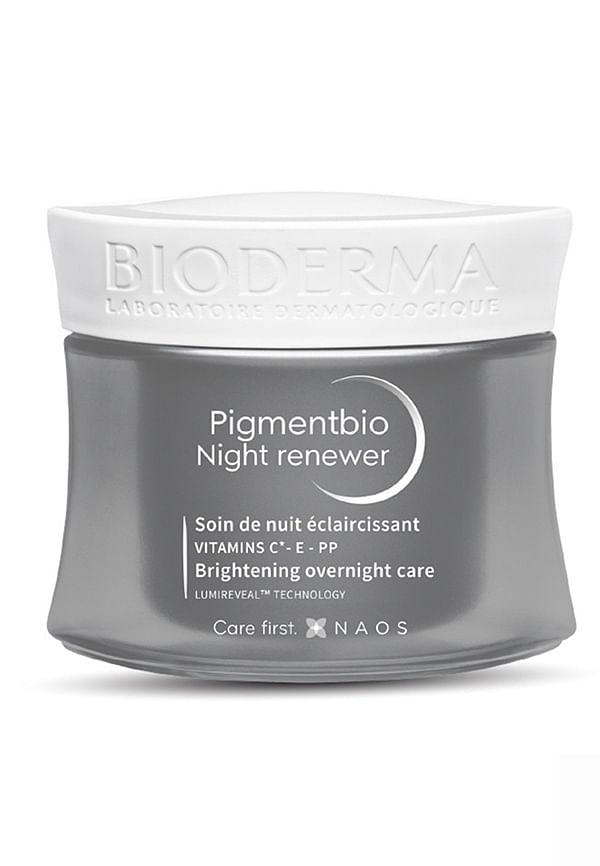
Pigmentbio Night Renewer Brightening Overnight Cream for Dark Spots, Sensitive Skin
Your morning routine should focus on protection and gentle brightening. Start with a vitamin C serum, follow with moisturiser, and never skip SPF 30 or higher.
Evening routines are when you can introduce stronger actives like retinoids or kojic acid. Always patch test new products and introduce them gradually to avoid irritation.
While professional treatments and proven actives are your best bet, some natural approaches can complement your routine. Just remember that natural doesn't always mean gentle or effective.
Neem oil has anti-inflammatory properties that might help with uneven skin tone, though results vary significantly between individuals. Lemon juice contains natural acids, but it can be quite harsh and potentially photosensitising.
Potato juice and papaya enzyme treatments have some anecdotal support, but the evidence is limited. If you're trying natural remedies, always patch test first and use them alongside proven treatments rather than as replacements.
Prevention is honestly easier than treatment when it comes to mouth area pigmentation. Small daily habits can make a huge difference in keeping your skin even-toned.
SPF 30+ sunscreen is absolutely non-negotiable. The skin around your mouth is delicate and prone to pigmentation, so consistent sun protection is crucial.
Physical sunscreens with zinc oxide or titanium dioxide are often better tolerated around the mouth area than chemical formulas. Reapply every two hours, especially if you're eating or drinking.
Breaking lip licking habits can prevent irritation-induced pigmentation. Keep your lips well-moisturised to reduce the urge to lick them.
Choose gentle products specifically formulated for the delicate mouth area. Harsh scrubs or aggressive treatments can actually worsen pigmentation through inflammation.
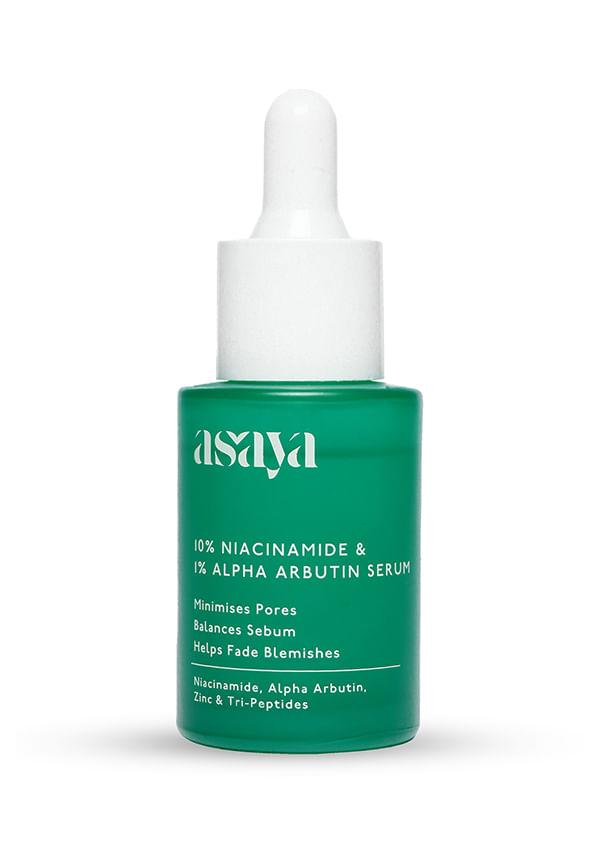
10% Niacinamide & 1% Alpha Arbutin Face Serum
While many cases of mouth area pigmentation can be managed at home, certain situations definitely warrant professional attention. Don't ignore sudden or severe pigmentation changes, especially if they're accompanied by other symptoms.
If your pigmentation isn't responding to consistent treatment after three months, it's time to see a dermatologist. They can rule out underlying medical conditions and create a targeted treatment plan.
Professional diagnosis is particularly important if you're experiencing pigmentation alongside symptoms like dizziness, intense itching, or other skin changes. These could signal nutritional deficiencies or hormonal imbalances that need medical attention.
Start with consistent sun protection and gentle exfoliation. Introduce proven actives like vitamin C, niacinamide, or kojic acid gradually. For stubborn pigmentation, consider professional treatments like chemical peels or laser therapy.
Vitamin B12 deficiency is the most common nutritional cause of mouth area pigmentation. Vitamin D insufficiency can also contribute to uneven skin tone and dark patches.
Common causes include hormonal changes, sun exposure, nutritional deficiencies, chronic lip licking, smoking, and certain medical conditions like insulin resistance or perioral dermatitis.
No, mouth area pigmentation is not permanent. With consistent treatment and proper skincare, most people see improvement within 3-6 months. However, prevention is key to avoiding recurrence.
Natural approaches include gentle exfoliation, consistent moisturising, and sun protection. Some people find neem oil or papaya enzyme treatments helpful, but results vary and should complement proven treatments.
Dealing with mouth area pigmentation requires patience and consistency, but the results are definitely worth it. Whether you're tackling hormonal melasma, nutritional deficiency-related dark spots, or sun damage, there are proven solutions available.
The key is understanding what's causing your specific pigmentation and choosing treatments accordingly. Start with gentle, proven ingredients and don't forget that sun protection is absolutely crucial for both treatment and prevention.
When you're ready to explore new skincare solutions, platforms like Smytten make it easier to discover products that might just become your new fave. With curated trial packs from trusted brands like Cetaphil and Dot & Key, you can test pigmentation-fighting products before committing to full sizes. After all, why settle for maybe when you can try it all and find what actually works for your skin?
