How to Treat Hyperpigmentation Under Eyes vs Dark Circles


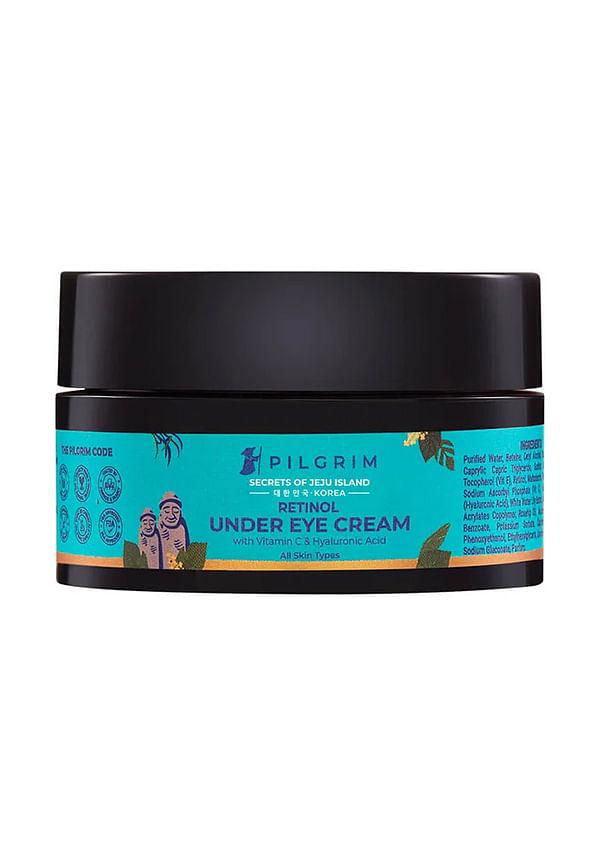
Retinol Under Eye Cream For Dark Circle And Puffy Eyes
Ever looked in the mirror and wondered why your under-eye area looks darker than the rest of your face? You're definitely not alone. The thing is, not all under-eye darkness is the same—there's actually a big difference between hyperpigmentation under eyes vs dark circles causes and treatment. Getting this right is your first step towards finding what actually works for your skin. Let's break down what's really going on under there and how to tackle it properly.
Real talk—most people think all under eye dark circles are the same, but that's where things get tricky. Skin discoloration under eyes can happen for totally different reasons, and mixing them up means you might be using the wrong treatments for months.
Dark circles are usually about what's happening underneath your skin—think blood vessels showing through thin skin, fluid retention, or shadows from puffy eyes. They often look bluish, purplish, or greyish and can change throughout the day depending on how tired you are or how much water you've had.
Hyperpigmentation around eyes, on the other hand, is all about excess melanin under eyes. This shows up as brown or black patches that stay pretty consistent regardless of how well-rested you are. It's basically your skin producing too much colour in that area, and it tends to stick around until you actively treat it.
Here's a quick way to tell them apart: gently stretch the skin under your eye. If the darkness fades, you're probably dealing with dark circles from blood vessels or shadows. If it stays the same, you've likely got hyperpigmentation on your hands.
Let's get into the nitty-gritty of what's actually causing those under eye dark circles. Spoiler alert: it's probably not just because you stayed up binge-watching that series (though that doesn't help).
Sleep deprivation is the obvious culprit, but it's not just about the hours—it's about quality sleep too. When you're not getting proper rest, blood vessels under your eyes can dilate, making them more visible through your already-thin under-eye skin.
Dehydration is another sneaky cause. When you're not drinking enough water, your skin can look dull and sunken, making dark circles more prominent. Plus, excessive sun exposure without proper protection can thin the skin even more, making blood vessels show through easier.
And here's something you might not have thought about—constantly rubbing your eyes (hello, allergy season) can actually make things worse by causing inflammation and breaking tiny blood vessels.
Sometimes it's just in your genes. If your parents have dark circles, there's a good chance you might too—it's often about having naturally thinner skin or a specific bone structure that creates shadows.
Certain medical conditions can also play a role. Thyroid issues, particularly Hashimoto's thyroiditis, can cause fatigue and fluid retention that shows up around your eyes. Iron deficiency is another big one—when you're low on iron, your skin can look paler, making dark circles more obvious.
As we age, we naturally lose collagen and fat around our eyes, which can make blood vessels more visible and create deeper shadows. It's just part of the ageing process, but knowing this helps you choose the right treatments.
Now let's talk about when your under-eye area is actually producing too much colour. Hyperpigmentation around eyes is basically your skin's way of protecting itself, but sometimes it goes a bit overboard.
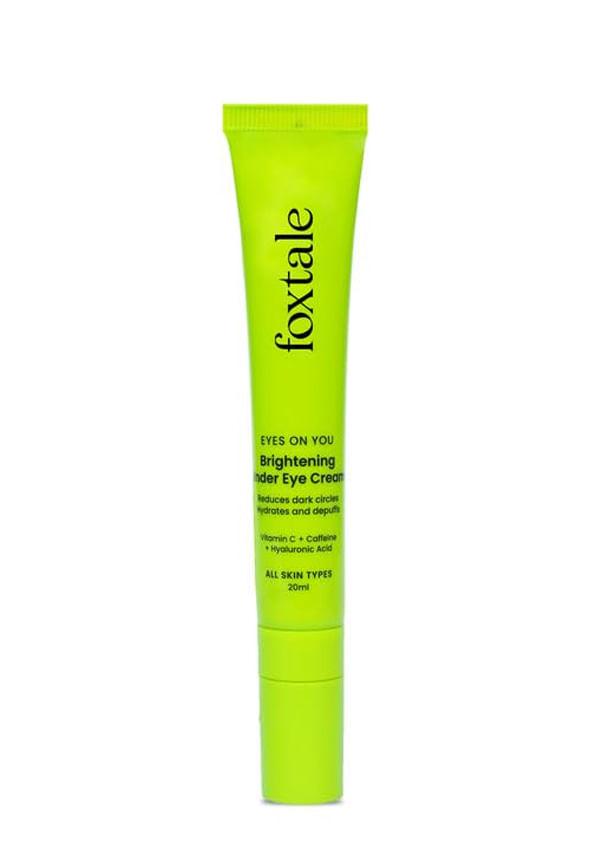
Eyes On You Brightening Under Eye Cream
Post-inflammatory hyperpigmentation is super common, especially if you've had eczema, allergies, or just been a bit too rough with your skincare routine. Your skin creates extra melanin under eyes as a response to irritation.
Melasma can also show up around your eyes, particularly during pregnancy or when hormones are fluctuating. This creates symmetrical brown patches that can be pretty stubborn to treat.
Sometimes you might also see hemosiderin deposits—this happens when tiny blood vessels leak and leave behind iron deposits that look like brownish discolouration.
If you have darker skin, you're more prone to hyperpigmentation because your skin naturally produces more melanin. This isn't a bad thing—it actually gives you better natural sun protection—but it does mean you need to be more careful about inflammation and irritation.
Hormonal changes, whether from pregnancy, birth control, or just your monthly cycle, can trigger melanin production. Sun damage is another major factor, which is why wearing sunglasses and SPF around your eyes is so important.
Right, let's get to the good stuff—what actually works for dark circles treatment. The key is matching your treatment to your specific type of dark circles.
Start with the basics: aim for 7-9 hours of quality sleep and try to keep a consistent sleep schedule. Your skin does most of its repair work while you're sleeping, so this isn't just about looking less tired.
Cool compresses can help with puffiness and circulation. Try chilled spoons, cucumber slices, or even just a cold, damp cloth for 10-15 minutes. The cold helps constrict blood vessels and reduce swelling.
Stay hydrated and watch your salt intake—too much sodium can cause fluid retention that makes dark circles look worse. Some people also find that certain foods can trigger inflammation, so pay attention to how your skin reacts to different things you eat.
For your eye skincare routine, vitamin C serums can help brighten the area and protect against further damage. Look for stable forms like magnesium ascorbyl phosphate that won't irritate the delicate eye area.
Retinoids can help thicken the skin over time, making blood vessels less visible, but start slowly and use them only at night. Caffeine-based eye creams can temporarily improve circulation and reduce puffiness.
For hyperpigmentation specifically, ingredients like kojic acid, arbutin, or niacinamide can help fade dark spots without being too harsh for the eye area.
If at-home treatments aren't cutting it, there are professional options. Chemical peels designed for the eye area can help with pigmentation, while laser treatments can target both pigmentation and stimulate collagen production.
For volume loss that's creating shadows, dermal fillers can help restore the under-eye area. Microneedling with growth factors is another option that can improve skin texture and thickness over time.
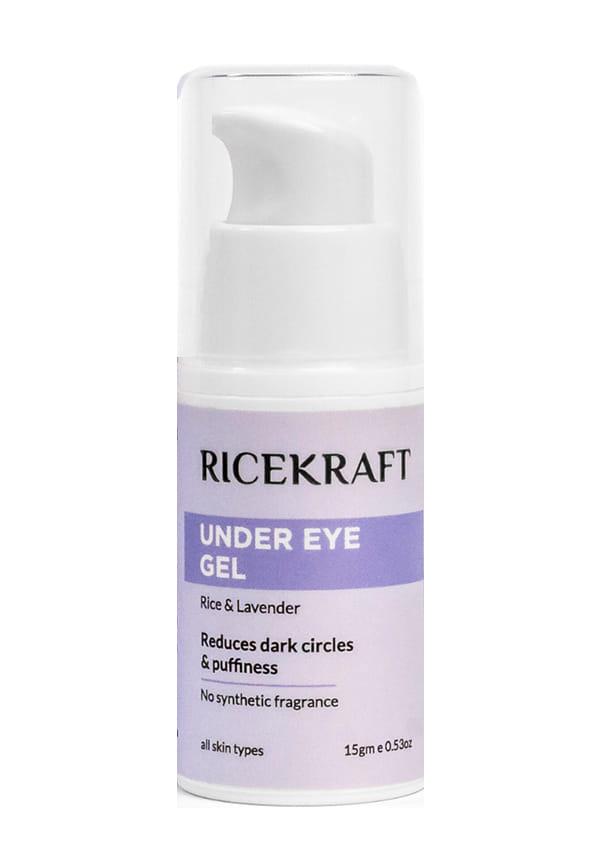
Under Eye Cream For Dark Circles, Wrinkles, Puffy Eyes and Anti ageing
Sometimes the simplest solutions work best. A good puffy eyes remedy can be as basic as getting your lymphatic drainage going with gentle massage or using ingredients you probably already have at home.
Cold tea bags, particularly green or black tea, contain caffeine and antioxidants that can help with circulation. Just steep them, let them cool, and place them over your eyes for 10-15 minutes.
Aloe vera gel can soothe inflammation and provide hydration without clogging pores. Look for pure aloe vera gel or even better, use it straight from the plant if you have one.
Gentle massage with your ring finger (it applies the least pressure) can help improve circulation. Start from the inner corner and work outward, then gently tap along the orbital bone.
Morning routine should focus on protection and hydration. Use a gentle eye cream with SPF or make sure your regular sunscreen covers the eye area. Don't forget sunglasses—they're not just for looking cool.
Evening is when you can use more active ingredients. This is when you'd apply retinoids, vitamin C, or other treatment products. Always apply eye products before your regular moisturiser but after any serums.
Weekly treatments might include gentle exfoliation or hydrating masks specifically designed for the eye area. Just remember—this skin is about 10 times thinner than the rest of your face, so gentle is key.
While you're working on treating the underlying causes, a good dark circles concealer can be a game-changer for your confidence. The trick is knowing how to use colour theory to your advantage.
For brown or black hyperpigmentation, orange or peach colour correctors work best. If your dark circles are more blue or purple, try yellow or pink correctors. Green correctors are great for redness, but they can make dark circles look grey, so use them sparingly.
Apply colour corrector first, then your regular concealer on top. This two-step process gives you better coverage without having to pile on product, which can look cakey and actually emphasise texture.
Use a small, dense brush or your ring finger to gently pat product into place. Don't rub or drag—this can disturb the product and irritate the skin. Build coverage gradually rather than applying one thick layer.
Set your concealer with a light dusting of translucent powder to prevent creasing throughout the day. If you're dealing with eye bag removal through makeup, highlighting the inner corners and just under the brow bone can help create the illusion of brighter, more awake eyes.
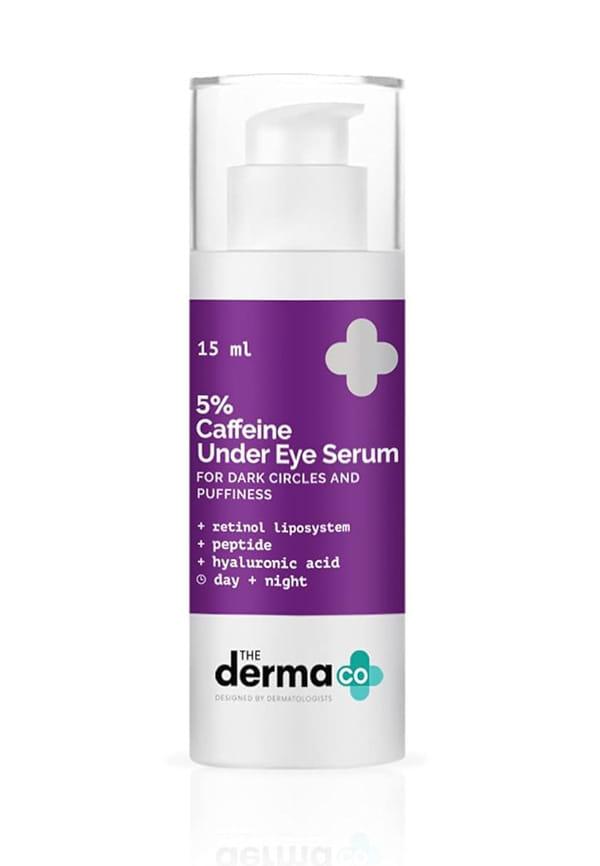
5% Caffeine Under Eye Serum for Dark Circles & Puffiness
Sometimes DIY treatments and drugstore products just aren't enough, and that's totally okay. If you've been consistent with a good routine for 3-6 months and aren't seeing improvement, it might be time to consult a dermatologist.
Sudden changes in your under-eye area, especially if accompanied by other symptoms like fatigue or changes in your overall health, should definitely be checked out. Sometimes dark circles can be a sign of underlying health issues that need addressing.
Professional treatments can be more targeted and effective, especially for stubborn hyperpigmentation or if you're dealing with significant volume loss that's creating shadows.
The beauty of platforms like Smytten is that you can try different eye creams and treatments in mini sizes before committing to full-size products. With over 1,500 trusted brands available, you can experiment with various approaches to find what works best for your specific concerns without breaking the bank.
Yes, thyroid conditions like Hashimoto's thyroiditis can contribute to dark circles through fatigue, fluid retention, and changes in circulation. If you suspect thyroid issues, it's worth getting your levels checked by a healthcare provider.
Iron deficiency is the most common nutritional cause of dark circles, as it can make your skin appear paler and more translucent. Vitamin K deficiency can also affect circulation, while B vitamins support overall skin health.
For topical treatments, you might see some improvement in 4-6 weeks, but significant changes usually take 3-6 months of consistent use. Professional treatments often show faster results, sometimes within a few sessions.
While significant improvement is possible, complete removal depends on the underlying cause. Genetic dark circles might always be somewhat visible, but they can be dramatically reduced with the right treatment approach.
Not necessarily. The key is finding products with the right active ingredients for your specific concerns. Sometimes drugstore options work just as well as luxury brands—it's all about the formulation and how your skin responds.
Understanding the difference between hyperpigmentation and dark circles is crucial for choosing the right treatment approach. While dark circles are often about circulation, shadows, or thin skin, hyperpigmentation is about excess melanin production that requires different solutions.
The most effective approach combines lifestyle changes, appropriate skincare products, and sometimes professional treatments. Consistency is key—most treatments take several months to show significant results, so patience is important.
Remember that trying new products doesn't have to be a gamble. With Smytten's trial packs, you can test different eye creams and treatments from trusted brands like Cetaphil and Dot & Key before investing in full sizes. The platform's approach of offering up to 8 minis for just ₹249, plus 100% cashback for future purchases, makes it easier to find your perfect eye care routine without the usual trial-and-error costs. After all, when it comes to finding the right solution for your under-eye concerns, why settle for 'maybe' when you can Try It All?
