How to Treat Hyperpigmentation in India Naturally

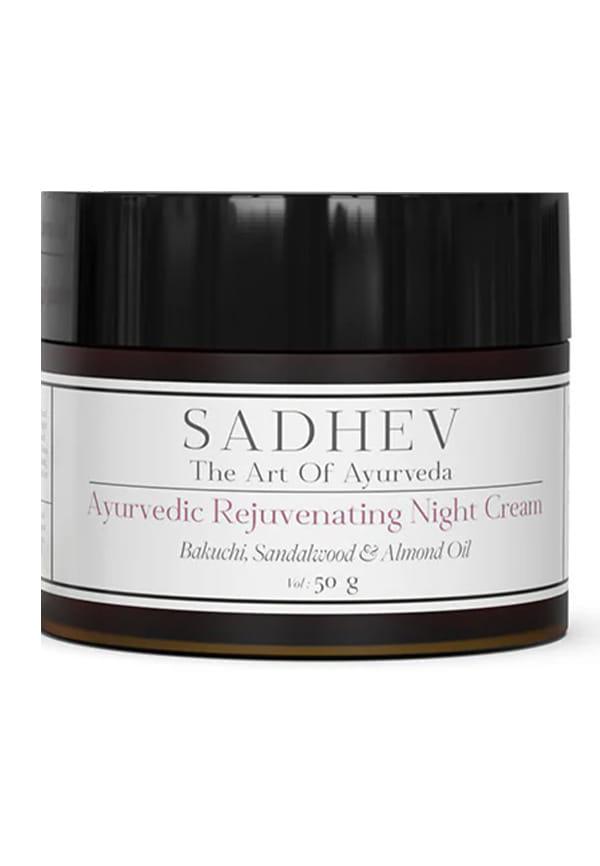
Ayurvedic Rejuvenating Night Cream
Best for Summer
 5
5“bestest product for summer 🌞 Close your eyes and buy it 👍”
Let's be real—hyperpigmentation is probably one of the most frustrating skincare concerns, especially when you're dealing with India's intense sun and humid climate. Those stubborn dark spots, uneven patches, and post-acne marks can feel like they're here to stay. But here's the thing: with the right approach and some patience, you can definitely see improvement. Whether you're dealing with melasma from pregnancy, dark spots from old breakouts, or just general uneven skin tone, there are plenty of natural and effective ways to tackle hyperpigmentation treatment in India. From time-tested home remedies using ingredients from your kitchen to understanding when it's time to see a dermatologist, we've got you covered.
Before diving into treatments, it helps to understand what's actually happening with your skin. Hyperpigmentation occurs when your skin produces too much melanin—the pigment that gives your skin its colour. Think of it as your skin's way of protecting itself, but sometimes it goes a bit overboard.
Melasma is super common, especially during pregnancy or when you're on hormonal contraceptives. You'll notice brown or grey patches, usually on your cheeks, forehead, or upper lip. The combination of hormones and sun exposure makes this particularly prevalent in India. Post-inflammatory hyperpigmentation happens after your skin heals from acne, cuts, or any kind of inflammation. Your skin basically overproduces melanin during the healing process, leaving behind those annoying dark marks. Solar lentigines—fancy name for age spots—are those flat, brown spots that show up from years of sun exposure. With India's tropical climate, these tend to appear earlier than in cooler countries.
Our climate doesn't do us any favours. The intense UV radiation throughout most of the year means your skin is constantly in protection mode. Add to that the genetic predisposition many of us have for producing more melanin, and you've got the perfect storm for skin pigmentation in India. Urban pollution is another culprit that's often overlooked. Those tiny particles in the air can cause inflammation, which then triggers more pigmentation. Hormonal changes during pregnancy, periods, or even stress can also ramp up melanin production.
Your kitchen is basically a treasure trove of ingredients that can help with dark spots removal in India. These remedies have been passed down for generations, and there's actually science backing many of them.
Turmeric isn't just for your dal—it's brilliant for hyperpigmentation too. The curcumin in turmeric has anti-inflammatory properties that can help reduce melanin production. Mix a pinch of turmeric with milk or yoghurt to make a paste. Apply it to the affected areas and leave for 15-20 minutes before washing off. Just a heads up: turmeric can temporarily stain your skin yellow, so do this when you're staying in for the evening. Also, always do a patch test first to make sure you don't react to it.
Lemon juice is probably the most talked-about natural remedy for pigmentation, and for good reason. The citric acid acts as a gentle exfoliant, helping to remove dead skin cells and potentially lighten dark spots. But here's the catch—lemon can make your skin more sensitive to sun, so only use it at night and always follow up with sunscreen the next day. Orange peel powder is another gem. Dry orange peels, grind them into a powder, and mix with rose water or milk to create a gentle exfoliating mask.
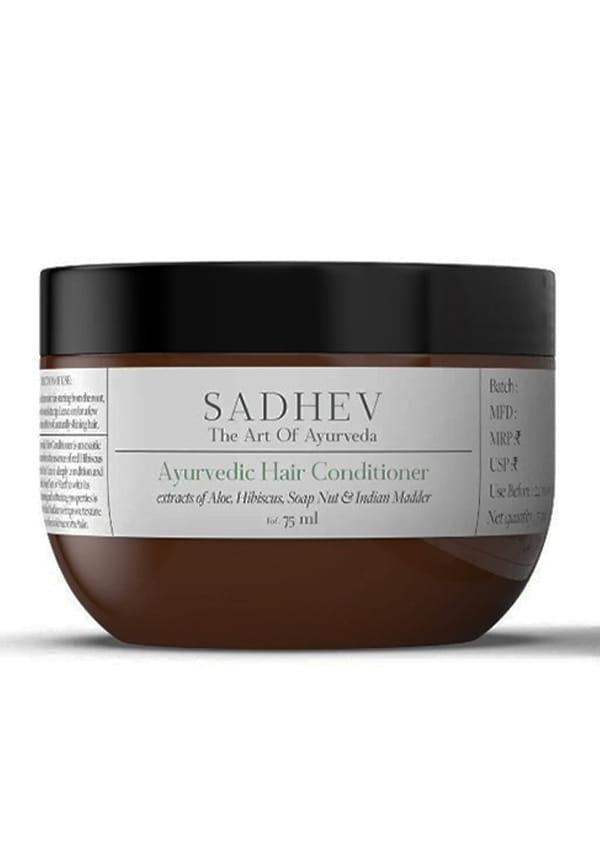
Ayurvedic Hair Conditioner
Neem and tulsi aren't just good for your health—they can help with pigmentation too. Both have antibacterial and anti-inflammatory properties that can prevent new dark spots from forming while helping existing ones fade. Sandalwood paste has been used for centuries in Indian skincare. Mix sandalwood powder with rose water and apply as a face mask. It's cooling, soothing, and can help even out your skin tone over time. Aloe vera gel is your skin's best friend. It's anti-inflammatory, healing, and can help speed up the fading process of dark spots. Plus, it's gentle enough to use daily.
Potato slices might sound weird, but they contain vitamin C and mild acids that can help lighten pigmentation. Just slice a potato and rub the slices on your dark spots for a few minutes. Tomato pulp works similarly—it's rich in lycopene and vitamin C. Mash up a ripe tomato and apply the pulp to your face for 15 minutes. Oatmeal makes an excellent gentle exfoliant. Mix ground oats with honey and a bit of milk to create a scrub that removes dead skin cells without being too harsh.
While natural remedies are great, sometimes you need to bring in the big guns. If you've been trying home treatments for a few months without seeing much improvement, or if your pigmentation is quite severe, it might be time to see the best dermatologist for hyperpigmentation in your area.
Chemical peels can be really effective for hyperpigmentation treatment, but they need to be done carefully on Indian skin. Glycolic acid peels are popular because they're relatively gentle but effective at removing the top layer of pigmented skin. Salicylic acid peels work well if you're also dealing with acne along with pigmentation. They penetrate deeper into pores and can help with both issues simultaneously. For deeper pigmentation, TCA peels might be recommended, but these should only be done by experienced professionals as they can cause complications if not done properly.
Laser technology has come a long way, and there are several options available for melasma treatment in India. Picosecond lasers are considered the gold standard—they break down pigment particles without damaging surrounding skin. Q-switched lasers are another option, particularly good for age spots and sun damage. Fractional laser therapy works by creating tiny wounds in the skin, which then heal with less pigmentation. The key is finding a dermatologist who understands how to treat darker skin tones, as improper laser treatment can actually cause more pigmentation.
Hydroquinone is still considered one of the most effective ingredients for lightening pigmentation, but it needs to be used under medical supervision. In India, you'll need a prescription for higher concentrations. Tretinoin, a form of vitamin A, can help speed up cell turnover and fade pigmentation over time. It can be quite irritating initially, so you'll need to start slowly. Azelaic acid and kojic acid are gentler alternatives that can be effective for mild to moderate pigmentation.
The market is flooded with pigmentation creams in India, and it can be overwhelming to choose. Here's what to look for and what actually works.
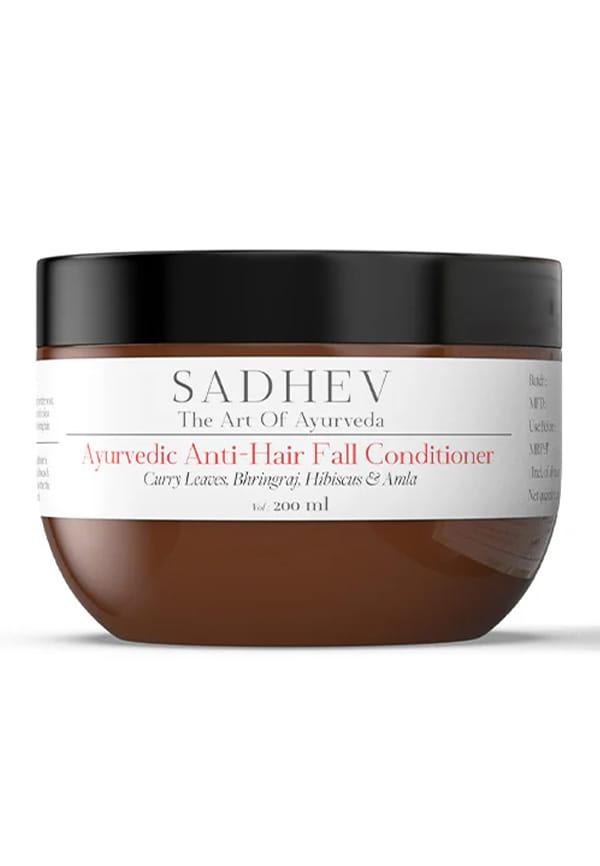
Ayurvedic Anti-Hairfall Conditioner
Vitamin C serums are brilliant for prevention and mild pigmentation. Look for stable forms like magnesium ascorbyl phosphate or sodium ascorbyl phosphate, which work better in India's humid climate. Niacinamide is another superstar ingredient. It's gentle, suitable for sensitive skin, and can help reduce the transfer of melanin to skin cells. Arbutin, derived from bearberry plants, is a natural skin lightener that's gentler than hydroquinone but still effective.
When choosing anti-pigmentation creams, check the ingredient list carefully. Avoid products with harsh ingredients like mercury or excessive amounts of steroids, which are unfortunately still found in some products in the Indian market. Look for products that combine multiple active ingredients—vitamin C with niacinamide, or kojic acid with arbutin. These combinations often work better than single-ingredient products. Always check if the product has been dermatologically tested and is suitable for Indian skin types.
Let's talk money because skin lightening treatment costs can vary widely across India. Professional treatments like chemical peels typically range from ₹2,000 to ₹8,000 per session, depending on the type and depth of peel. Laser treatments are more expensive, usually between ₹5,000 to ₹15,000 per session. You'll likely need multiple sessions, so factor that into your budget. Consultation fees with dermatologists range from ₹500 to ₹2,000, depending on the doctor's experience and location. Cities like Mumbai and Delhi tend to be more expensive than smaller towns. Home treatments are obviously much more budget-friendly. Natural ingredients cost very little, and even good-quality over-the-counter products are usually under ₹1,000.
Here's the truth—preventing new pigmentation is much easier than treating existing spots. And in India's climate, prevention is absolutely crucial for managing uneven skin tone treatment.
Sunscreen isn't optional—it's essential. Use at least SPF 30, but SPF 50 is better for Indian conditions. Reapply every 2-3 hours, especially if you're outdoors. Physical sunscreens with zinc oxide or titanium dioxide work well for sensitive skin, while chemical sunscreens might be more cosmetically elegant under makeup. Don't forget protective clothing, wide-brimmed hats, and sunglasses. UV rays can reflect off surfaces, so you're getting exposure even in shade.
Gentle cleansing is key—harsh scrubbing can cause inflammation, which leads to more pigmentation. Use a mild cleanser twice daily. Regular exfoliation helps remove pigmented dead skin cells, but don't overdo it. 2-3 times a week is plenty for most people. Moisturising helps maintain your skin barrier, which is crucial for preventing inflammation and subsequent pigmentation.
Your diet plays a role too. Foods rich in antioxidants—like berries, green tea, and leafy vegetables—can help protect your skin from damage. Stress management is often overlooked but important. Chronic stress can trigger hormonal changes that worsen pigmentation. Getting adequate sleep helps your skin repair itself overnight. Aim for 7-8 hours of quality sleep. This is where platforms like Smytten become incredibly valuable for anyone dealing with hyperpigmentation. With over 1,500 trusted brands including skincare specialists like Cetaphil and Dot & Key, you can try different anti-pigmentation products without committing to full sizes. Getting up to 8 minis for just ₹249 means you can test various vitamin C serums, niacinamide treatments, or gentle exfoliants to see what works for your specific skin type and pigmentation concerns.
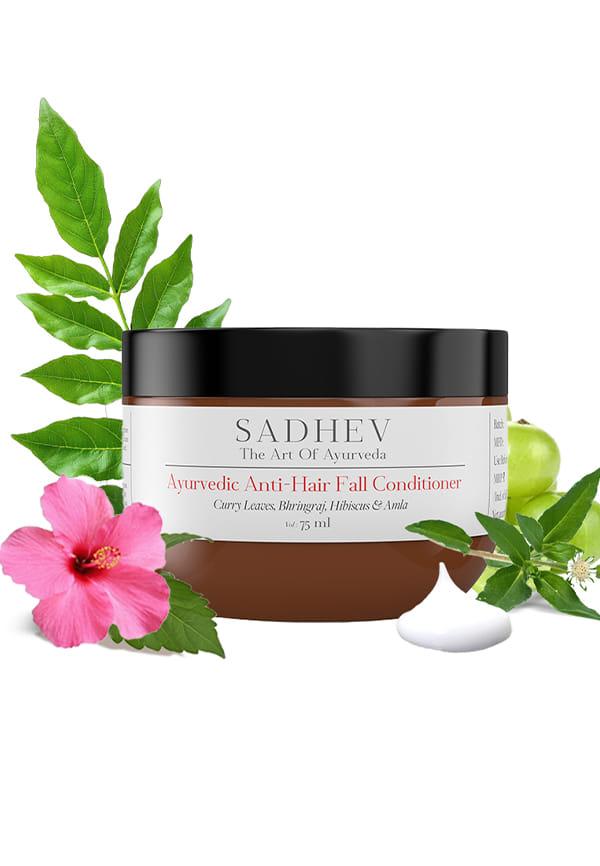
Ayurvedic Anti-Hairfall Conditioner
Natural remedies typically take 6-12 weeks to show noticeable results. Your skin needs time to turn over and shed the pigmented cells, so patience is key. Consistency matters more than intensity with natural treatments.
While existing pigmentation can fade significantly, the tendency to develop new spots remains if you have genetic predisposition. With proper sun protection and skincare, you can prevent new pigmentation and maintain clearer skin.
Laser treatments can cause temporary redness, swelling, and in some cases, post-inflammatory hyperpigmentation, especially in darker skin tones. This is why choosing an experienced dermatologist is crucial.
Melasma is hormonally triggered and appears in symmetrical patches, usually on the face. Other types like post-acne marks are more random in location and aren't influenced by hormones.
Costs vary significantly—Mumbai and Delhi are typically 20-30% more expensive than cities like Pune or Bangalore. Tier-2 cities often have treatments at 40-50% lower costs than metros.
Chemical peels and laser treatments show results faster than topical treatments, often within 2-4 weeks. However, natural remedies and topical treatments are gentler and have fewer side effects.
Treating hyperpigmentation in India requires a multi-pronged approach that considers our unique climate and skin types. Natural remedies using turmeric, citrus fruits, and Ayurvedic ingredients can be effective for mild pigmentation, while professional treatments like chemical peels and lasers work better for stubborn cases. The most important thing to remember is that prevention through consistent sun protection is your best strategy. Whether you choose natural treatments or professional procedures, consistency and patience are essential—your skin didn't develop pigmentation overnight, and it won't clear up overnight either. With platforms like Smytten making it easier to try different skincare products without the commitment of full-size purchases, you can experiment with various treatments to find what works best for your skin. The platform's extensive range of skincare brands means you can access everything from gentle vitamin C serums to targeted anti-pigmentation treatments, all while getting 100% cashback on your trial purchases. After all, why settle for maybe when you can try it all and find the perfect solution for your hyperpigmentation concerns?
