How to Treat Hyperpigmentation: Expert Guide

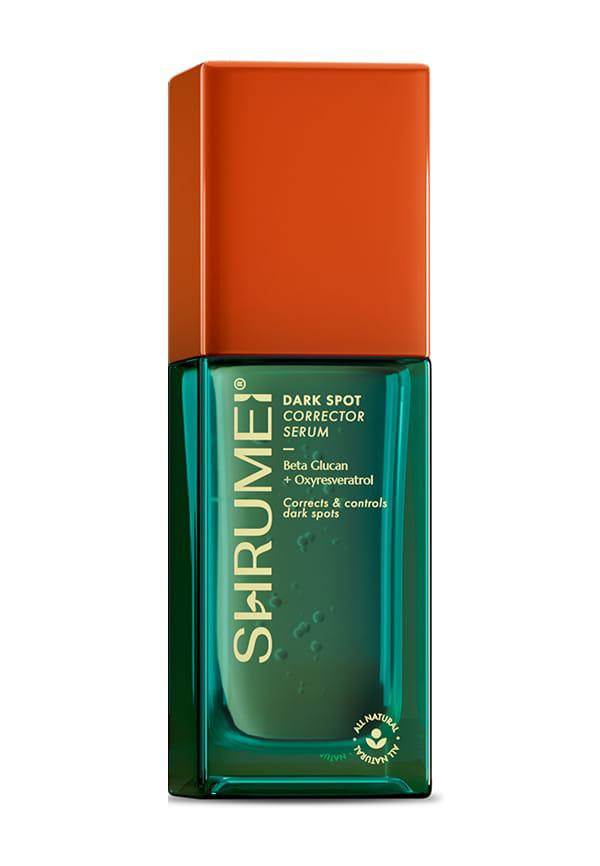
All Natural Dark Spot and Pigmentation Correcting serum
Effective and Fast Results
 5
5“Very effective and fast results”
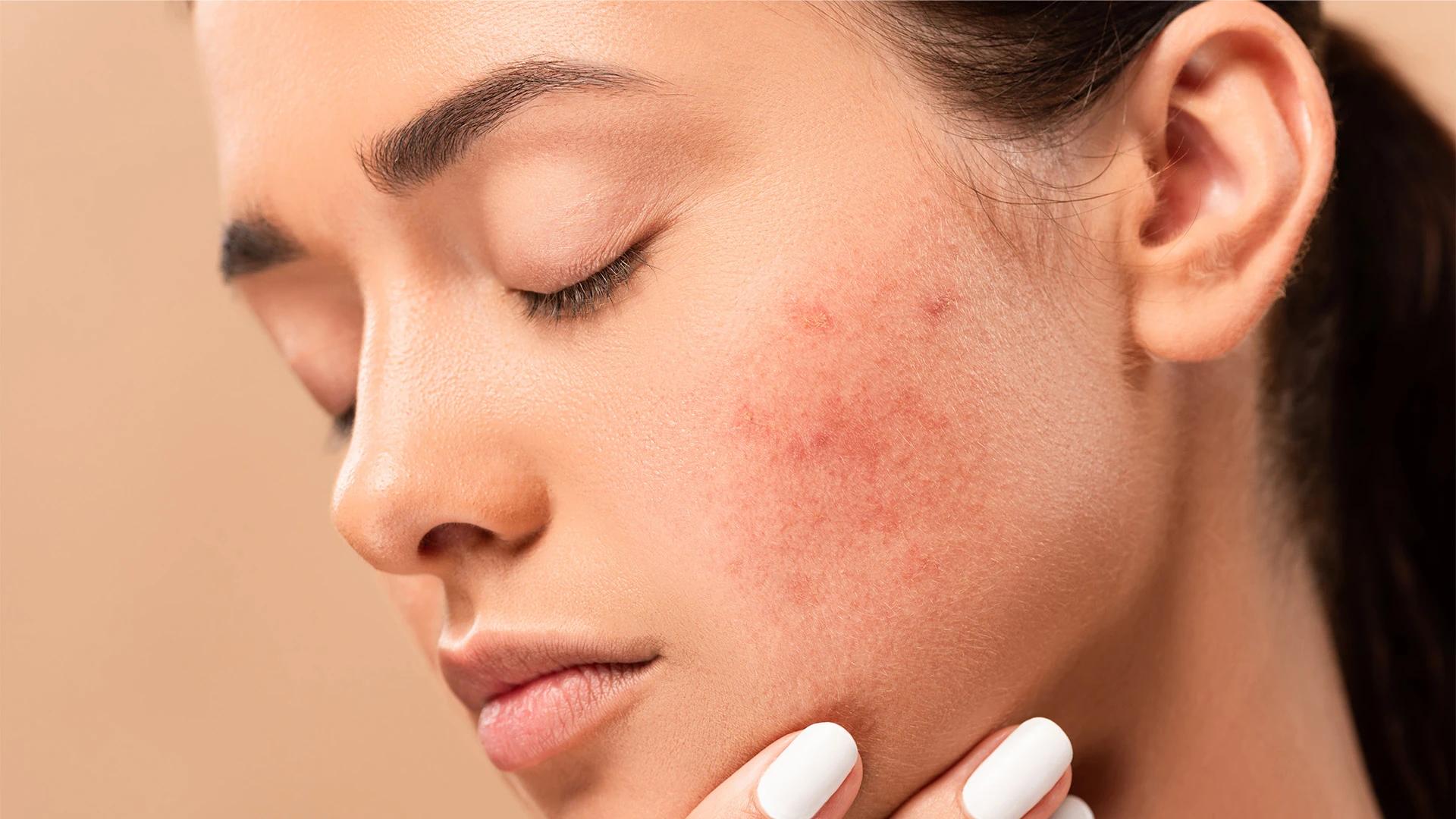
Dealing with dark spots and uneven skin tone can feel like a never-ending battle. Whether it's those stubborn marks left behind from breakouts, sun damage from years past, or mysterious patches that seem to appear overnight, hyperpigmentation affects most of us at some point. The good news? There are proven ways to tackle these skin concerns and get your glow back. From gentle at-home treatments to professional procedures, understanding how to treat hyperpigmentation properly can make all the difference between frustration and real results. Let's dive into what actually works and how to create a plan that fits your skin type and lifestyle.
Hyperpigmentation occurs when your skin produces too much melanin—the pigment that gives your skin its colour. Think of melanin as your skin's natural defence system. When it detects damage or inflammation, it goes into overdrive, creating those darker patches we're trying to fade. This process isn't random; it's your skin trying to protect itself, but sometimes it gets a bit too enthusiastic.
Post-inflammatory hyperpigmentation is probably the most frustrating type. Those dark marks left behind after spots heal? That's your skin's way of saying it's been through trauma. This type is especially common if you've picked at blemishes or dealt with inflammatory skin conditions. Melasma shows up as symmetrical patches, usually on the face, and loves to make an appearance during pregnancy or when hormones are fluctuating. Age spots and sunspots are the result of cumulative UV damage over the years—basically your skin keeping a record of every beach day and forgotten sunscreen application.
Sun exposure is the biggest culprit behind most pigmentation issues. UV rays trigger melanin production, and over time, this can lead to concentrated dark spots. Hormonal changes, particularly during pregnancy or when using certain medications, can also trigger melanin overproduction. Even seemingly minor skin trauma—like aggressive scrubbing or picking—can leave lasting marks.
When it comes to hyperpigmentation treatment, topical ingredients are often your first line of defence. The key is understanding which ingredients actually work and how to use them safely. Some ingredients have decades of research backing their effectiveness, whilst others are newer but equally promising.
Hydroquinone remains the gold standard for pigmentation correction. Available in 2-4% concentrations through prescription, it works by inhibiting the enzyme that produces melanin. Tretinoin and other retinoids speed up cell turnover, helping to shed pigmented cells faster whilst preventing new dark spots from forming. Many dermatologists prescribe combination treatments that include hydroquinone, tretinoin, and a mild steroid for faster results.
Vitamin C is brilliant for both treating existing pigmentation and preventing new spots. Look for stable forms like magnesium ascorbyl phosphate or L-ascorbic acid in concentrations between 10-20%. Azelaic acid is particularly good for sensitive skin—it reduces melanin production whilst calming inflammation. Kojic acid, derived from fungi, naturally inhibits melanin production. Niacinamide (vitamin B3) helps regulate melanin transfer and strengthens your skin barrier. Alpha hydroxy acids like glycolic and lactic acid work by exfoliating the top layer of skin, revealing brighter skin underneath.
Layering products correctly makes a huge difference. Start with the thinnest consistency and work up to thicker creams. Always patch test new ingredients, especially if you have sensitive skin. Introduce one new treatment at a time to avoid irritation and identify what's actually working.
Sometimes at-home treatments need backup. Professional procedures can tackle stubborn pigmentation that doesn't respond to topical treatments alone. The key is finding the right treatment for your specific type of pigmentation and skin tone.
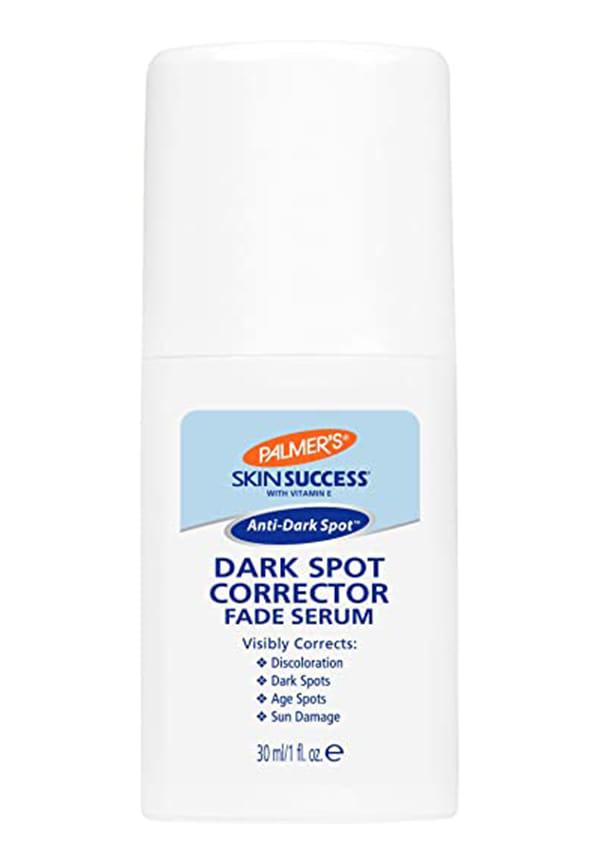
Skin Success Dark Spot Corrector Fade Serum
Light peels using glycolic or salicylic acid work on surface-level pigmentation. They're gentle enough for regular treatments and great for maintaining results. Medium-depth peels with trichloroacetic acid (TCA) penetrate deeper and can tackle more stubborn age spot treatment needs. Deep peels are reserved for severe cases and require significant downtime but offer dramatic results. The key with chemical peels is starting conservatively. Your skin needs time to adjust, and going too aggressive too quickly can actually worsen pigmentation, especially in darker skin tones.
IPL (Intense Pulsed Light) works brilliantly as a sunspots remedy, targeting the melanin in dark spots without damaging surrounding skin. Q-switched lasers are incredibly precise, breaking up melanin deposits that your body then naturally eliminates. Fractional lasers create controlled micro-injuries that stimulate collagen production whilst improving pigmentation. Picosecond lasers represent the latest technology, delivering ultra-short pulses that shatter pigment particles more effectively than older laser types. They're particularly good for resistant pigmentation that hasn't responded to other treatments.
Microneedling creates tiny channels in your skin, improving product penetration whilst stimulating natural healing processes. It's particularly effective when combined with vitamin C or other brightening serums. Microdermabrasion provides mechanical exfoliation, removing the top layer of dead skin cells to reveal brighter skin underneath.
Not all skin responds the same way to hyperpigmentation treatment. Understanding your skin type and its specific needs is crucial for getting results without causing additional problems.
Darker skin contains more melanin, which means it's more prone to post-inflammatory hyperpigmentation but also more sensitive to aggressive treatments. Lower concentrations of active ingredients often work better, and patience is key. Professional treatments need to be chosen carefully—some lasers that work well on lighter skin can actually worsen pigmentation in darker skin tones. The good news is that darker skin often responds beautifully to gentler treatments like azelaic acid, kojic acid, and vitamin C when used consistently.
If your skin is easily irritated, focus on barrier-supporting ingredients alongside your pigmentation treatments. Niacinamide, ceramides, and hyaluronic acid can help maintain skin health whilst you're treating dark spots. Start with lower concentrations and increase gradually as your skin builds tolerance.
Facial skin is more delicate and requires gentler formulations, whilst body skin can often tolerate stronger treatments. However, areas like the neck, underarms, and intimate areas need special consideration due to their sensitivity and tendency toward irritation.
Whilst professional treatments offer faster results, natural ingredients can be effective for mild pigmentation and as part of a maintenance routine. The key is managing expectations and understanding that natural doesn't always mean gentle.
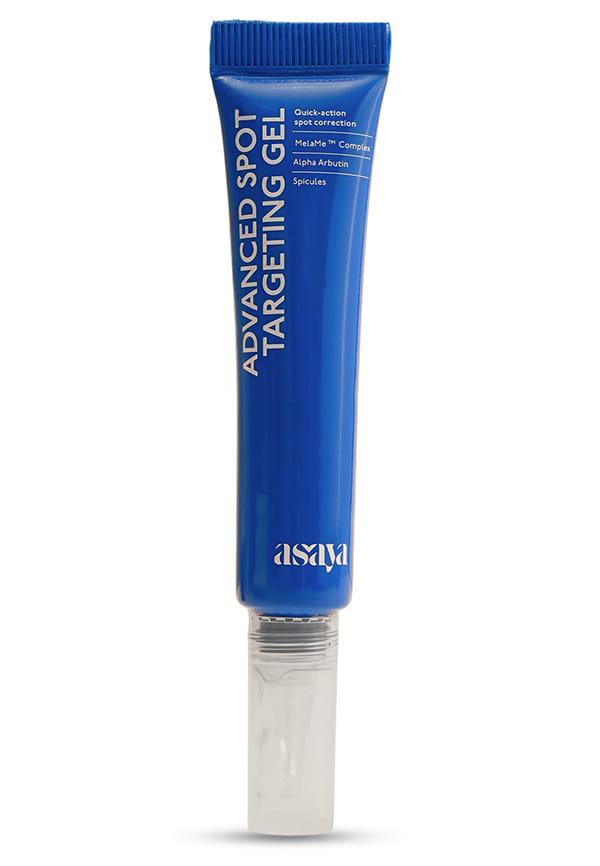
Advanced Dark Spot Targeting Gel
Licorice root extract contains glabridin, which inhibits melanin production naturally. Arbutin, found in bearberry plants, acts as a natural alternative to hydroquinone. Green tea extracts provide antioxidant protection whilst offering mild brightening effects. Vitamin C from natural sources like kakadu plum or acerola cherry can be effective, though stability can be an issue. Look for products that protect these ingredients from light and air exposure.
If you're mixing your own treatments, stick to proven concentrations and always patch test. Natural doesn't mean risk-free—some plant extracts can cause sensitivity or even worsen pigmentation if used incorrectly. Realistic expectations are crucial with natural treatments. They typically take longer to show results compared to prescription or professional options, but they can be excellent for maintenance and prevention.
Consistency trumps intensity when it comes to natural treatments. A gentle daily routine with proven ingredients will outperform sporadic use of stronger treatments. Track your progress with photos taken in consistent lighting to see subtle improvements over time.
Treating existing pigmentation is only half the battle. Preventing new dark spots from forming is equally important for maintaining your results long-term.
Daily broad-spectrum SPF 30 or higher is non-negotiable. Tinted sunscreens containing iron oxides offer additional protection against blue light from screens. Reapplication every two hours is ideal, but even reapplying once during the day makes a difference. Physical barriers like wide-brimmed hats and UV-protective clothing provide extra protection, especially during peak sun hours. Remember that UV rays can penetrate windows, so protection is needed even when you're indoors near windows.
Morning routines should focus on protection—antioxidants like vitamin C followed by sunscreen. Evening routines are for treatment and repair—this is when you'd use retinoids, hydroquinone, or other active ingredients. Product compatibility matters. Some ingredients don't play well together and can cause irritation or reduce effectiveness. When in doubt, alternate products on different nights rather than layering everything together.
Hormonal balance affects pigmentation, so managing stress and getting adequate sleep can help prevent new dark spots. A diet rich in antioxidants supports skin health from the inside out. Staying hydrated helps maintain healthy cell turnover. This is where platforms like Smytten become incredibly valuable. With access to trial sizes from trusted brands like Cetaphil, Dot & Key, and Bella Vita, you can test different pigmentation treatments without committing to full-size products. Finding the right combination of ingredients for your skin often requires experimentation, and Smytten's Trial Points system makes this process both affordable and practical.
Understanding what to expect and when can save you from frustration and help you make informed decisions about your treatment approach.
Mild hyperpigmentation typically shows improvement within 6-12 weeks of consistent treatment. Moderate discoloration may take 3-6 months to see significant results. Severe or deep pigmentation often requires 6-12 months of committed treatment, and some spots may never completely disappear. Maintenance is ongoing. Even after achieving your desired results, continued sun protection and periodic maintenance treatments are necessary to prevent recurrence.
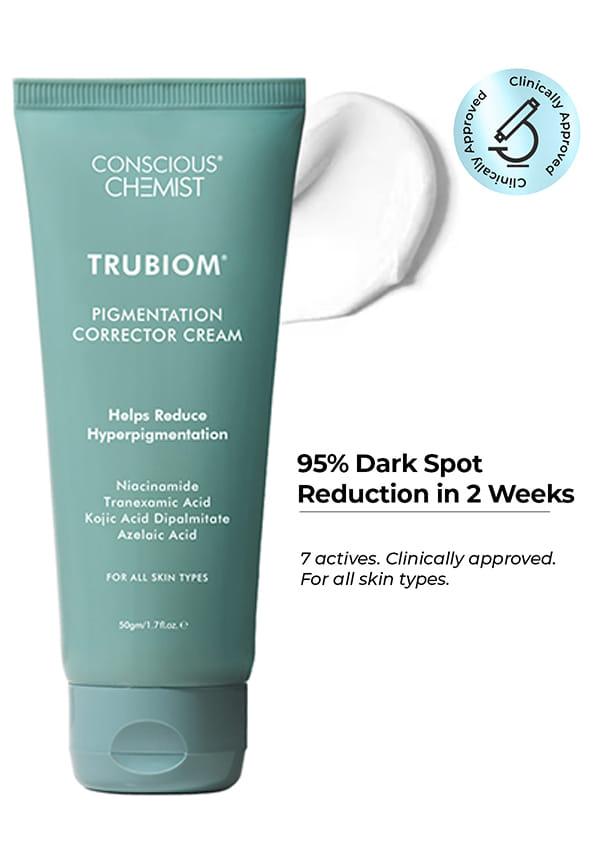
Pigmentation Corrector Moisturiser For Dark Spots
Good Product
5“it is really a very good product”
Good Product
5“it is really a very good product”
Good Product
5“it is really a very good product”
If pigmentation is worsening despite treatment, appears suddenly, or has irregular borders or colours, it's time to see a dermatologist. Large spots or those that change in size, shape, or colour should always be evaluated professionally. Lack of response to over-the-counter treatments after 3-4 months of consistent use suggests you might need prescription-strength options or professional procedures.
The most effective approach often combines professional treatments with at-home maintenance. For example, starting with a series of chemical peels followed by a consistent home routine with vitamin C and retinoids. Treatment cycling—alternating between different active ingredients—can prevent skin from becoming resistant to any one treatment.
Combination treatments offer the fastest results. Professional procedures like chemical peels or laser treatments combined with prescription topicals like hydroquinone and tretinoin typically show improvement within 4-6 weeks. However, patience is key—rushing the process can worsen pigmentation.
Absolutely. Vitamin C inhibits melanin production, provides antioxidant protection, and brightens existing dark spots. Look for stable forms in 10-20% concentrations and use consistently for best results. It works particularly well when combined with sunscreen during the day.
Azelaic acid is excellent for hyperpigmentation, especially for sensitive skin and post-inflammatory pigmentation. It reduces melanin production whilst providing anti-inflammatory benefits with minimal irritation. It's particularly effective for acne-related dark spots.
Complete permanent removal is rare, but significant improvement (80-90%) is achievable with consistent treatment combining prescription topicals, professional procedures, and strict sun protection. The key is ongoing maintenance to prevent recurrence.
Pigmentation can return without proper prevention. Sun exposure is the biggest trigger for recurrence, so daily sunscreen use is essential. Hormonal changes, skin trauma, and certain medications can also trigger new pigmentation.
Treating hyperpigmentation successfully requires patience, consistency, and the right approach for your skin type. Whether you start with gentle natural ingredients or jump straight to professional treatments, the key is understanding what type of pigmentation you're dealing with and choosing treatments accordingly. Remember that prevention is just as important as treatment. Daily sun protection, gentle skincare practices, and avoiding skin trauma can prevent new dark spots from forming whilst you're working on existing ones. With Smytten's extensive range of trial sizes from over 1,500 trusted brands, you can explore different hyperpigmentation treatments without the commitment of full-size purchases. From vitamin C serums to gentle exfoliants, finding your perfect pigmentation-fighting routine becomes much more affordable and less risky. After all, why settle for guessing when you can try different approaches and find what actually works for your unique skin?
