How to Treat Hyperpigmentation Around Mouth Naturally


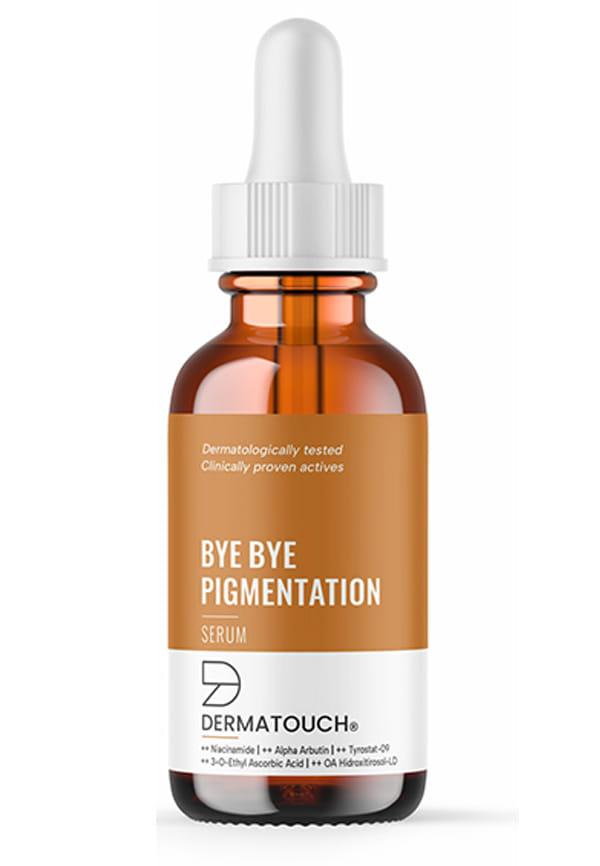
Bye Bye Pigmentation Serum, For Pigmentation, Dark Spots, Blemishes
Dark patches around your mouth can feel like they've appeared overnight, but the truth is hyperpigmentation around mouth areas develops gradually. Whether it's from hormonal changes, sun damage, or that habit of licking your lips during stressful moments, mouth discoloration treatment doesn't always require expensive procedures. Real talk—natural remedies for dark spots can be surprisingly effective when you know what works and stick with it. Let's dive into proven home remedy for pigmentation around mouth solutions that actually deliver results.
Before jumping into treatments, understanding why pigmentation causes around mouth issues happen helps you tackle the root problem. Think of it as detective work for your skin—once you know the culprit, you can choose the right approach.
Hormonal fluctuations top the list, especially during pregnancy or when starting new contraceptives. Your skin produces extra melanin in response to these changes, often targeting the delicate area around your lips.
Sun exposure plays a massive role too. That morning coffee on the balcony or afternoon walks without proper SPF can gradually darken the skin around your mouth. UV rays trigger melanin production as your skin's natural defence mechanism.
Post-inflammatory hyperpigmentation occurs after acne, cuts, or irritation around the mouth area. Even aggressive scrubbing or using harsh products can leave behind dark marks that linger for months.
Friction from constant lip licking, touching, or rubbing creates ongoing irritation. Your skin responds by producing more pigment to protect itself, creating that stubborn uneven skin tone mouth area.
Melasma appears as symmetrical brown patches, often triggered by hormones. Post-inflammatory pigmentation shows up as irregular dark spots following skin trauma or breakouts.
Fresh pigmentation tends to be darker and more defined, while older marks often appear lighter and more diffused. Understanding your type helps set realistic expectations for home treatments for skin discoloration.
These aren't just old wives' tales—each remedy targets pigmentation through specific mechanisms. Some work faster than others, but consistency beats intensity every time.
Lemon Juice and Honey Mask combines vitamin C's brightening power with honey's healing properties. Mix equal parts fresh lemon juice and raw honey, apply for 15 minutes, then rinse with cool water. The citric acid gently exfoliates while honey soothes and moisturises.
Use this mask every other day initially, then reduce to twice weekly once you see improvement. Always apply sunscreen afterwards, as lemon can increase photosensitivity.
Potato Juice Treatment might sound random, but potatoes contain vitamin C and mild bleaching agents. Grate a raw potato, extract the juice, and apply with a cotton pad. Leave for 20 minutes before rinsing.
The starch in potatoes helps brighten skin naturally without harsh chemicals. Apply daily for best results, and you'll likely notice subtle lightening within three weeks.
Neem Oil Application targets pigmentation at the cellular level. This powerful oil reduces melanin production while fighting inflammation. Mix a few drops with coconut oil to prevent irritation, and apply before bedtime.
Neem's bitter compounds work slowly but effectively. Expect gradual lightening over 6-8 weeks with consistent nightly use.
Aloe Vera Gel Treatment provides both immediate soothing and long-term brightening benefits. Fresh gel from the plant works best, but quality store-bought versions work too.
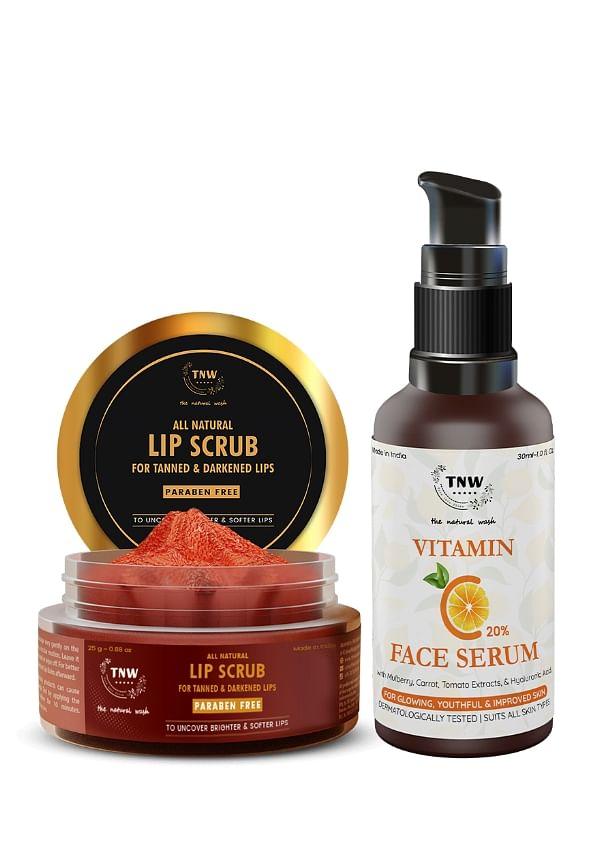
Vitamin C Face Serum and Lip Scrub | Skin Clearing Serum for Soft, Hydrated, Moisturized Skin and Lip Scrub for Tanned & Darkened Lips | For Men and
Apply a thin layer twice daily, focusing on pigmented areas. Aloe's natural compounds help regenerate skin cells while reducing inflammation that contributes to ongoing pigmentation.
Yogurt and Turmeric Mask combines lactic acid's gentle exfoliation with turmeric's anti-inflammatory properties. Mix one tablespoon plain yogurt with a pinch of turmeric powder.
Apply for 15-20 minutes, then rinse thoroughly. The lactic acid helps remove dead skin cells while turmeric reduces inflammation and brightens skin tone.
Papaya and Rose Water Paste harnesses papain enzymes to gently dissolve pigmented skin cells. Mash ripe papaya with rose water to create a smooth paste.
Apply for 20 minutes twice weekly. The enzymes work gradually to reveal brighter skin underneath while rose water provides hydration and reduces irritation.
Green Tea Extract Toner delivers antioxidants that protect against further pigmentation while lightening existing spots. Brew strong green tea, cool completely, and apply with a cotton pad.
Use daily after cleansing. The catechins in green tea help regulate melanin production while providing anti-inflammatory benefits.
Treating existing pigmentation is only half the battle. Preventing new dark spots requires consistent daily habits that protect your skin from triggers.
Broad-spectrum SPF 30 or higher becomes non-negotiable. Apply generously around your mouth area every morning, even on cloudy days. UV rays penetrate clouds and windows, so indoor protection matters too.
Break the lip-licking habit by keeping lips moisturised with a good balm. Dry lips tempt you to lick them, creating ongoing irritation that leads to pigmentation.
Gentle cleansing prevents the irritation that triggers post-inflammatory hyperpigmentation. Harsh scrubbing or strong chemicals can worsen existing discolouration.
Exfoliate 2-3 times weekly using gentle methods. Over-exfoliation can actually increase pigmentation by causing inflammation.
Natural options like oatmeal mixed with milk provide gentle physical exfoliation without irritation. Chemical exfoliants like lactic acid work well for sensitive skin around the mouth.
Success comes from consistency, not intensity. A simple routine followed daily beats complicated treatments used sporadically.
Start with gentle cleansing using a mild, fragrance-free cleanser. Pat dry and apply your chosen treatment—potato juice or aloe vera work well for morning use.
Wait 10 minutes for absorption, then apply a moisturiser followed by broad-spectrum sunscreen. This sequence ensures maximum treatment penetration while providing essential protection.
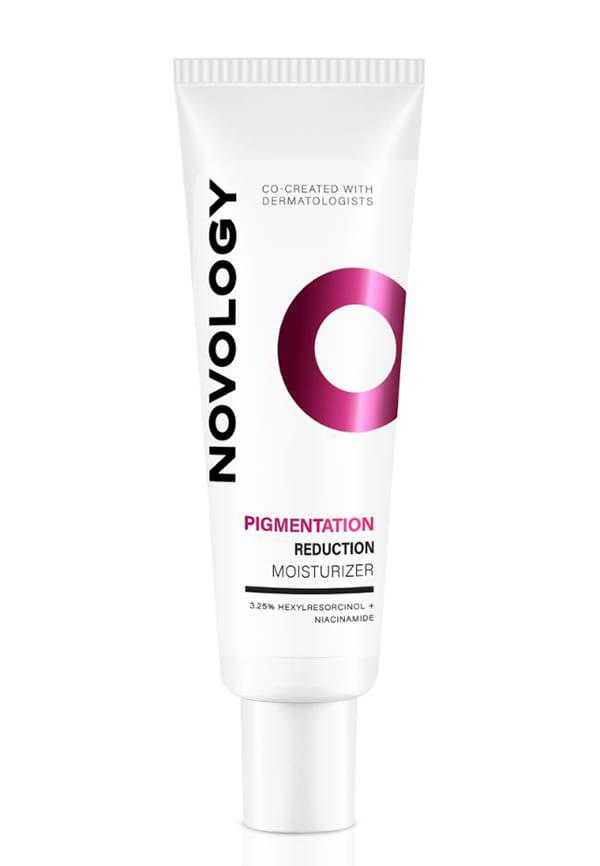
Pigmentation Moisturiser, Face Cream for Hyperpigmentation & Dark Spots
Evening allows for stronger treatments like neem oil or lemon-honey masks. Cleanse thoroughly, apply your chosen remedy, and let it work overnight.
Reserve intensive treatments like papaya masks for weekends when you have more time. Consistency with simpler daily treatments often produces better results than sporadic intensive sessions.
Week 1-2 focuses on skin adjustment. You might notice slight irritation as your skin adapts to new ingredients. This is normal but monitor for excessive redness or burning.
Weeks 4-6 typically show the first visible lightening. Dark spots may appear less intense, and overall skin tone becomes more even.
Weeks 8-12 bring significant improvement for most people. Stubborn pigmentation requires patience—some spots take months to fade completely.
Even natural remedies can backfire when used incorrectly. Avoiding these pitfalls keeps your skin healthy while maximising treatment effectiveness.
Natural doesn't always mean gentle. Lemon juice, for example, can cause severe irritation in sensitive individuals. Always patch test new ingredients on your inner wrist before applying to your face.
Watch for signs of irritation like persistent redness, burning, or increased pigmentation. Some people react poorly to citrus-based treatments, especially those with sensitive skin.
Discontinue any treatment that causes worsening pigmentation or significant irritation. Sometimes less is more when it comes to sensitive facial skin.
More frequent application doesn't equal faster results. Over-treating can damage your skin barrier, leading to increased sensitivity and potentially worse pigmentation.
Stick to recommended frequencies—daily for gentle treatments like aloe vera, every other day for stronger options like lemon juice. Your skin needs time to heal and regenerate between treatments.
Layering multiple active treatments simultaneously can overwhelm your skin. Choose one primary treatment and stick with it for at least 4-6 weeks before adding others.
Sometimes home remedy for pigmentation around mouth treatments reach their limits. Recognising when to seek professional help prevents wasted time and potential skin damage.
Pigmentation that worsens despite consistent treatment needs professional evaluation. This could indicate underlying hormonal issues or other medical conditions requiring specific treatment.
Sudden appearance of new dark spots, especially if accompanied by texture changes or irregular borders, warrants immediate dermatological assessment.
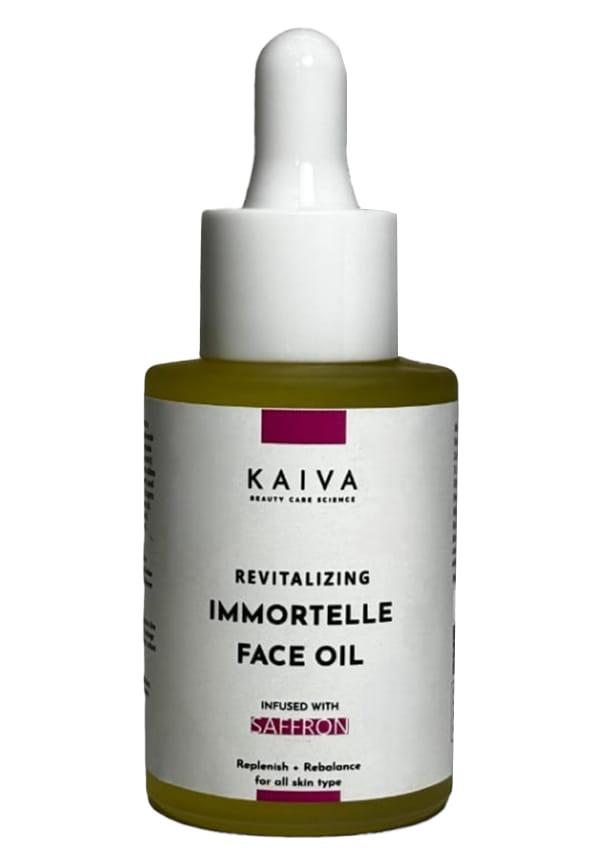
Immortelle Face Oil | Helps Reduce Dark Spots & Pigmentation
If natural treatments cause persistent irritation or allergic reactions, professional guidance helps identify suitable alternatives without further skin damage.
Professional treatments like chemical peels or laser therapy can work alongside natural maintenance routines. However, timing and product selection require careful coordination.
Many dermatologists recommend continuing gentle natural treatments like aloe vera during professional treatment courses to support healing and maintain results.
When exploring skincare solutions, platforms like Smytten make it easier to discover products that might complement your natural routine. With trial packs from trusted brands, you can test new formulations without committing to full-size purchases, helping you find what works best for your specific skin needs.
Most people notice initial improvements within 4-6 weeks of consistent daily application. Complete results typically take 8-12 weeks, depending on pigmentation depth and skin type. Patience and consistency matter more than intensity of treatment.
Start with one treatment for 2-3 weeks before adding others. Combining too many active ingredients can irritate skin and worsen pigmentation. If you want to try multiple remedies, alternate them on different days rather than layering simultaneously.
Initial darkening can occur as deeper pigmentation rises to the surface before shedding. However, if darkening persists beyond 2 weeks or includes irritation, discontinue the treatment and consider patch testing for allergies.
Permanent results require addressing underlying causes like hormonal imbalances or sun damage, combined with consistent natural treatments and strict sun protection. Most people achieve significant long-term improvement with 3-6 months of dedicated care.
Avoid undiluted essential oils, baking soda scrubs, and high-concentration citrus treatments on facial skin. These can cause chemical burns or worsen pigmentation. Always dilute potent ingredients and patch test before facial application.
Natural remedies can significantly improve hormonal pigmentation, but addressing underlying hormonal imbalances may require medical consultation. Combining natural treatments with proper medical care often produces the best long-term results.
Natural skin lightening around lips takes time, but consistent application of proven remedies delivers real results. The key lies in understanding your pigmentation type, choosing appropriate treatments, and maintaining realistic expectations about timelines.
Remember that prevention matters as much as treatment. Daily sun protection, gentle skincare habits, and avoiding irritating behaviours help maintain your progress and prevent new pigmentation from forming.
Whether you're dealing with hormonal melasma or post-inflammatory marks, these natural approaches offer safe, effective alternatives to harsh chemicals. Start with gentler options like aloe vera or potato juice, then gradually introduce stronger treatments as your skin adapts. With patience and consistency, clearer, more even-toned skin around your mouth is absolutely achievable through natural methods.
