How to Treat Hyperpigmentation Around Mouth: Causes & Routine

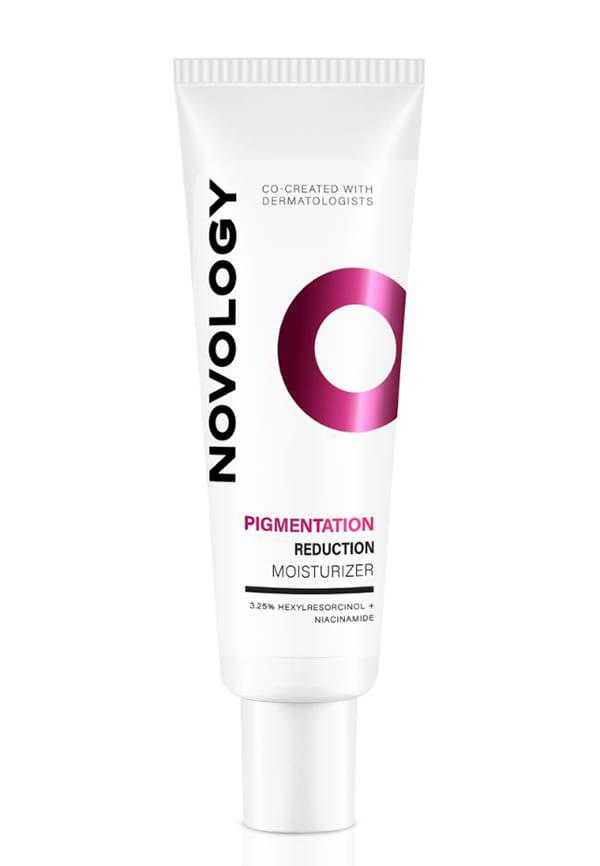
Pigmentation Moisturiser, Face Cream for Hyperpigmentation & Dark Spots
Dark patches around your mouth can feel like they appeared overnight, but perioral hyperpigmentation is actually quite common and totally treatable. Whether it's from hormonal changes, sun damage, or that habit of licking your lips when you're stressed, mouth discoloration causes can vary widely. The good news? With the right approach and a solid hyperpigmentation skincare routine, you can definitely see improvement. Let's dive into what's actually happening with your skin and how to create a treatment plan that works.
Understanding why dark skin around mouth develops is your first step towards fixing it. Your skin produces melanin as a protective response, but sometimes this process goes into overdrive in specific areas. The skin around your mouth is particularly sensitive, making it prone to uneven skin tone when triggered.
Hormones are often the sneaky culprits behind mouth pigmentation. During pregnancy, many women develop what's called the "pregnancy mask," which can extend to the area around the mouth. Birth control pills and hormone replacement therapy can trigger similar responses.
Your monthly cycle can also play a role. You might notice your pigmentation gets darker during certain times of the month when oestrogen and progesterone levels fluctuate.
Even if you're religious about applying sunscreen to your face, the area around your mouth often gets missed or wiped off after eating or drinking. This makes it vulnerable to UV damage, which can trigger melanin production and lead to dark patches.
The skin here is thinner than other areas of your face, making it more susceptible to photodamage. Even brief sun exposure without protection can contribute to pigmentation over time.
Lip licking, aggressive scrubbing, or using harsh products can cause inflammation that leads to post-inflammatory hyperpigmentation. Even something as simple as wiping your mouth too vigorously with a napkin can contribute to the problem.
Certain medications, including some antibiotics and antimalarial drugs, can also cause drug-induced pigmentation in this area.
The key to treating hyperpigmentation around mouth lies in consistency and patience. Your routine should focus on gentle exfoliation, melanin inhibition, and serious sun protection. Think of it as a three-pronged approach that works together to fade existing pigmentation whilst preventing new spots from forming.
Start your day with a gentle, pH-balanced cleanser that won't strip your skin. Look for something sulfate-free to avoid irritation in this sensitive area.
Follow with a vitamin C serum containing 10-20% L-ascorbic acid or a gentler derivative like magnesium ascorbyl phosphate. Vitamin C helps inhibit melanin production whilst providing antioxidant protection.
Next, apply a niacinamide treatment with 5-10% concentration. This ingredient helps regulate melanin transfer and reduces inflammation that can worsen pigmentation.
Finish with a broad-spectrum SPF 30 or higher. Choose a formula with zinc oxide or titanium dioxide for the best protection around your mouth area.
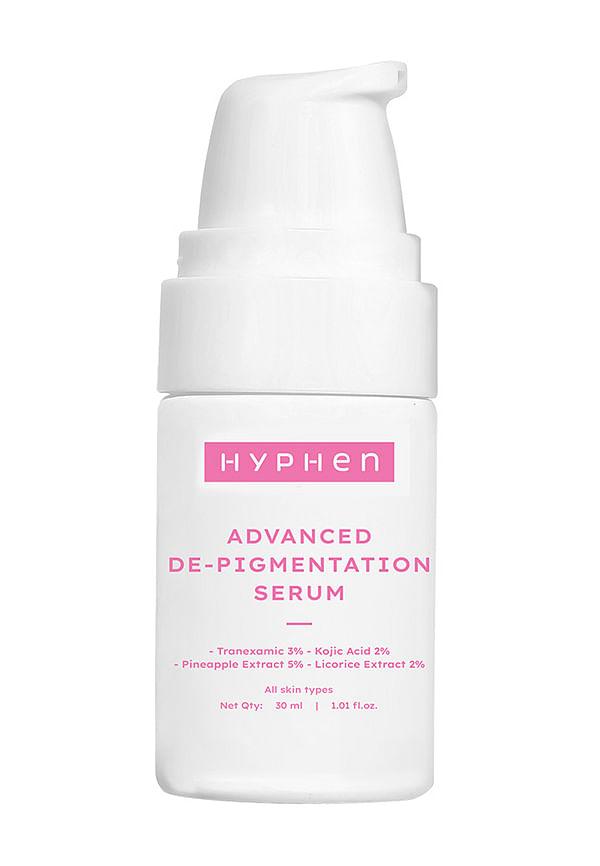
Advanced De-Pigmentation Serum For Hyperpigmentation, Melasma, Dark Spots & Scars
Your evening routine is where the real magic happens for treating pigmentation. Start with double cleansing to remove all traces of sunscreen and makeup.
Introduce a retinol or retinoid gradually, starting twice a week and building up as your skin tolerates it. These ingredients accelerate cell turnover, helping pigmented cells shed faster.
On nights when you're not using retinol, try an alpha hydroxy acid like glycolic or lactic acid. These help exfoliate the surface layer where pigmentation sits.
Always finish with a hydrating moisturiser containing ceramides to maintain your skin barrier.
Whilst professional treatments often work faster, there are several natural approaches that can support your pigmentation-fighting routine. These home remedies for mouth hyperpigmentation work best when combined with proven active ingredients rather than used alone.
Vitamin E oil applied in the evening can help repair damaged skin and provide antioxidant protection. Look for pure tocopherol rather than synthetic versions.
Aloe vera gel is brilliant for soothing inflammation that can worsen pigmentation. Choose a pure gel without added fragrances or colours.
Green tea extracts contain powerful antioxidants that can help prevent further damage whilst supporting skin healing.
Licorice root extract contains glabridin, a natural compound that can help inhibit melanin production when used consistently.
Your daily habits play a huge role in preventing new pigmentation from forming. Make sun protection non-negotiable, even on cloudy days or when you're just popping to the shops.
Focus on a diet rich in vitamins C and E, which support skin health from the inside out. Foods like berries, citrus fruits, nuts, and leafy greens can help.
Manage stress through regular exercise, adequate sleep, and relaxation techniques. Chronic stress can worsen hormonal imbalances that contribute to pigmentation.
Sometimes home treatments need a professional boost to see significant results. Dermatologist-approved treatments can accelerate your progress and tackle stubborn pigmentation that doesn't respond to topical treatments alone.
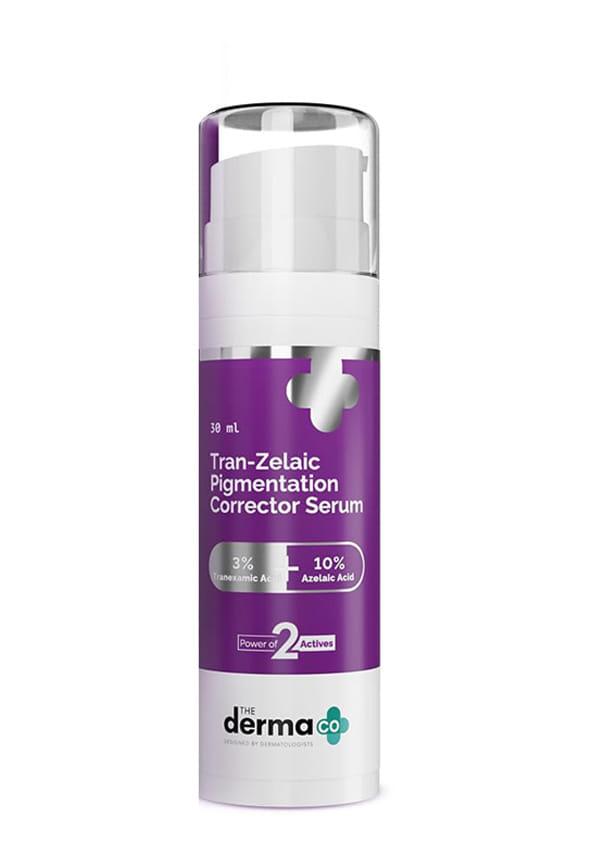
Tran-Zelaic Pigmentation Corrector Serum with Tranexamic Acid & Azelaic Acid
Glycolic acid peels at 20-30% concentration can help remove the top layer of pigmented skin. These are typically done in a series of treatments spaced 2-4 weeks apart.
Lactic acid treatments are gentler and better suited for sensitive skin types. They provide similar benefits with less irritation.
For deeper pigmentation, TCA peels might be recommended, though these require more downtime and careful aftercare.
IPL (Intense Pulsed Light) therapy targets melanin specifically, breaking up pigmented cells so they can be naturally eliminated by your skin.
Q-switched lasers offer precise treatment for stubborn spots, though multiple sessions are usually needed for best results.
Microneedling combined with vitamin C can help improve product penetration whilst stimulating collagen production for overall skin improvement.
The secret to success lies in finding products that work well together without causing irritation. When you're dealing with sensitive skin around your mouth, it's better to introduce new ingredients slowly rather than overwhelming your skin with too many actives at once.
Hydroquinone remains the gold standard for pigmentation treatment. Available in 2% concentrations over-the-counter, it directly inhibits melanin production.
Alpha arbutin offers a gentler alternative to hydroquinone with similar melanin-inhibiting properties but less risk of irritation.
Kojic acid is a natural tyrosinase inhibitor that can help lighten existing pigmentation whilst preventing new spots from forming.
When exploring new skincare products, platforms like Smytten make it easier to try different formulations without committing to full sizes. With trial packs from trusted brands like Dot & Key and Cetaphil, you can test how your skin responds to different active ingredients before investing in larger products. This approach is particularly valuable when treating sensitive areas like the mouth, where finding the right product balance is crucial.
Once or twice weekly, incorporate an exfoliating mask to help remove dead skin cells and improve product absorption.
Brightening serums with multiple active ingredients can provide an extra boost to your routine when used consistently.
Don't forget hydrating treatments to prevent over-drying, which can actually worsen pigmentation by causing inflammation.
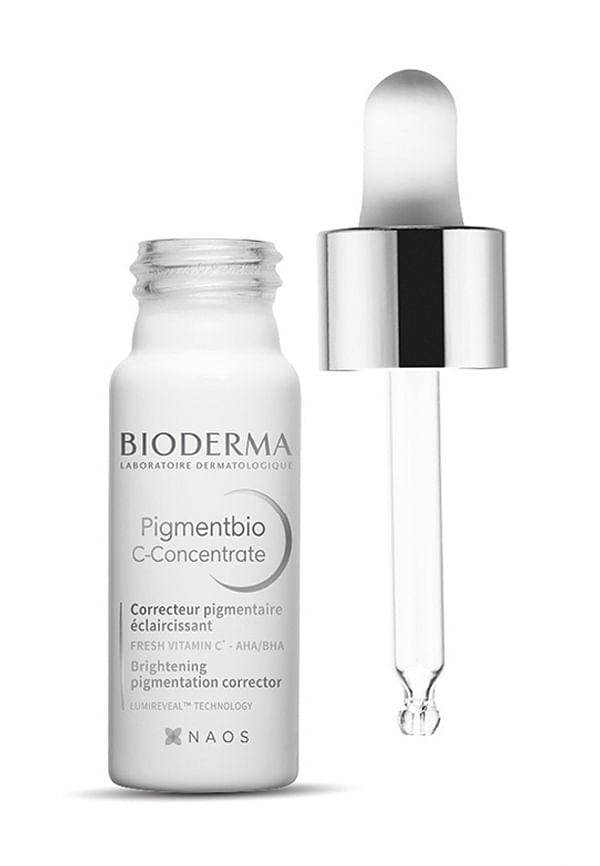
Pigmentbio C- Concentrate Brightening Cream Corrector Pigmentation Disorders
Treating hyperpigmentation requires patience, but you should start seeing some improvements within the first month. Understanding what to expect at each stage helps you stay motivated and adjust your routine as needed.
During the first 4 weeks, you'll likely notice reduced inflammation and smoother skin texture. The pigmentation itself might not look much lighter yet, but your skin should feel healthier overall.
Months 2-3 typically bring visible lightening of the pigmentation. This is when your consistent routine starts paying off, and you'll see gradual but noticeable improvement.
By months 4-6, you should see significant improvement in your skin tone. Some people achieve their desired results by this point, whilst others may need to continue treatment for optimal results.
Remember that maintenance is key for long-term success. Even after your pigmentation fades, continuing with sun protection and gentle active ingredients helps prevent recurrence.
Most people start seeing improvements within 4-6 weeks of consistent treatment, with significant results typically visible after 3-4 months. However, deeper pigmentation may take 6-12 months to fully fade.
It's best to use vitamin C in the morning and retinol at night to avoid potential irritation. If you want to use both in the same routine, introduce them gradually and monitor your skin's response.
UV exposure triggers melanin production, which can darken existing pigmentation. This is why consistent sun protection is crucial year-round, especially during summer months.
Whilst natural ingredients can support your routine, severe pigmentation usually requires proven active ingredients like hydroquinone, retinoids, or professional treatments for significant improvement.
Yes, certain ingredients in lip products, particularly fragrances and certain dyes, can cause allergic reactions that lead to post-inflammatory hyperpigmentation. Choose fragrance-free, hypoallergenic options when possible.
Treating hyperpigmentation around your mouth is definitely achievable with the right approach and realistic expectations. The key is consistency, patience, and finding products that work well for your specific skin type. Whether you start with gentle natural ingredients or jump straight into proven actives like vitamin C and retinol, the most important thing is to stick with your routine and protect your skin from further damage.
Remember that everyone's skin responds differently, so what works brilliantly for your friend might need tweaking for you. This is where trial-sized products become invaluable – they let you test different formulations and concentrations without the commitment of full-size purchases. With over 1,500 trusted brands available through platforms like Smytten, you can explore various treatment options and find your perfect hyperpigmentation-fighting routine. After all, why settle for maybe when you can try it all and discover what actually works for your skin?
